
Last updated November 16, 2026
 Sweep & inspection
 Caps & crowns
 Flue relining
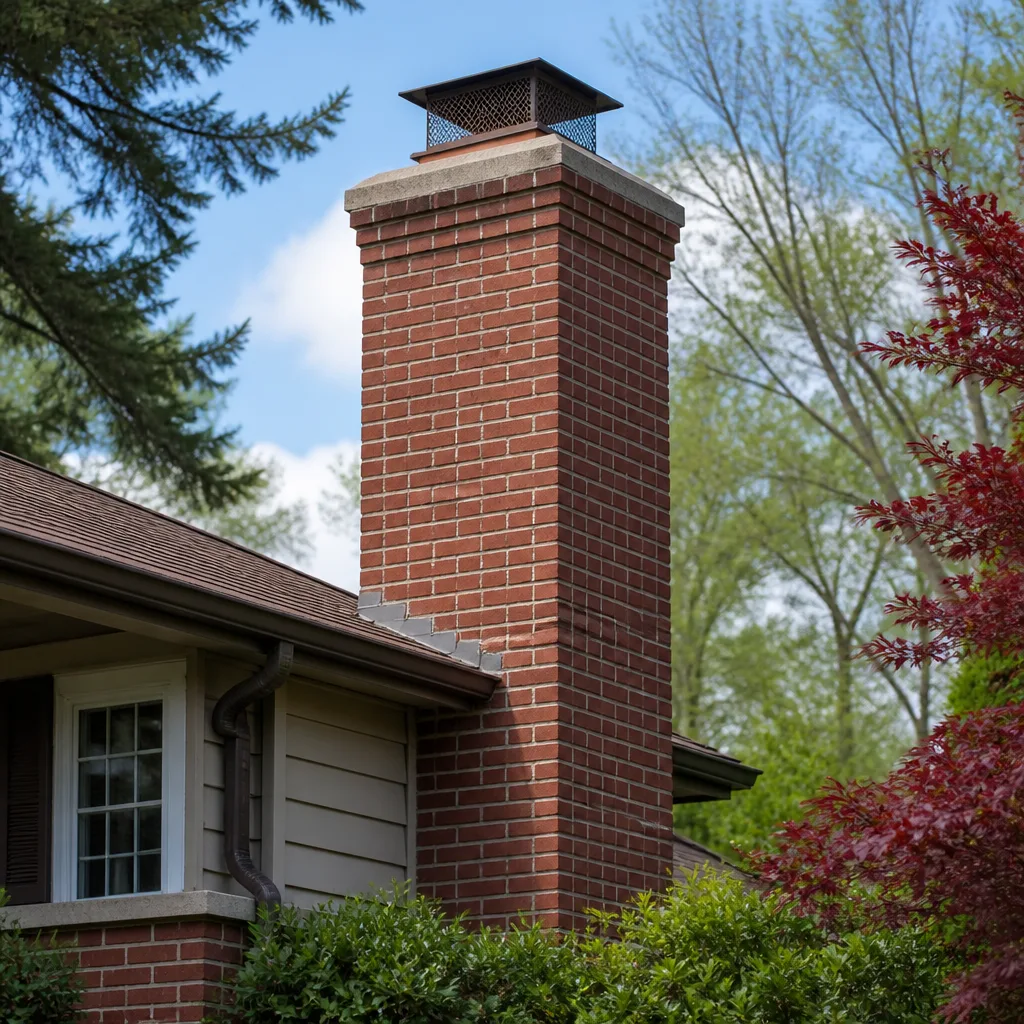 Masonry repair
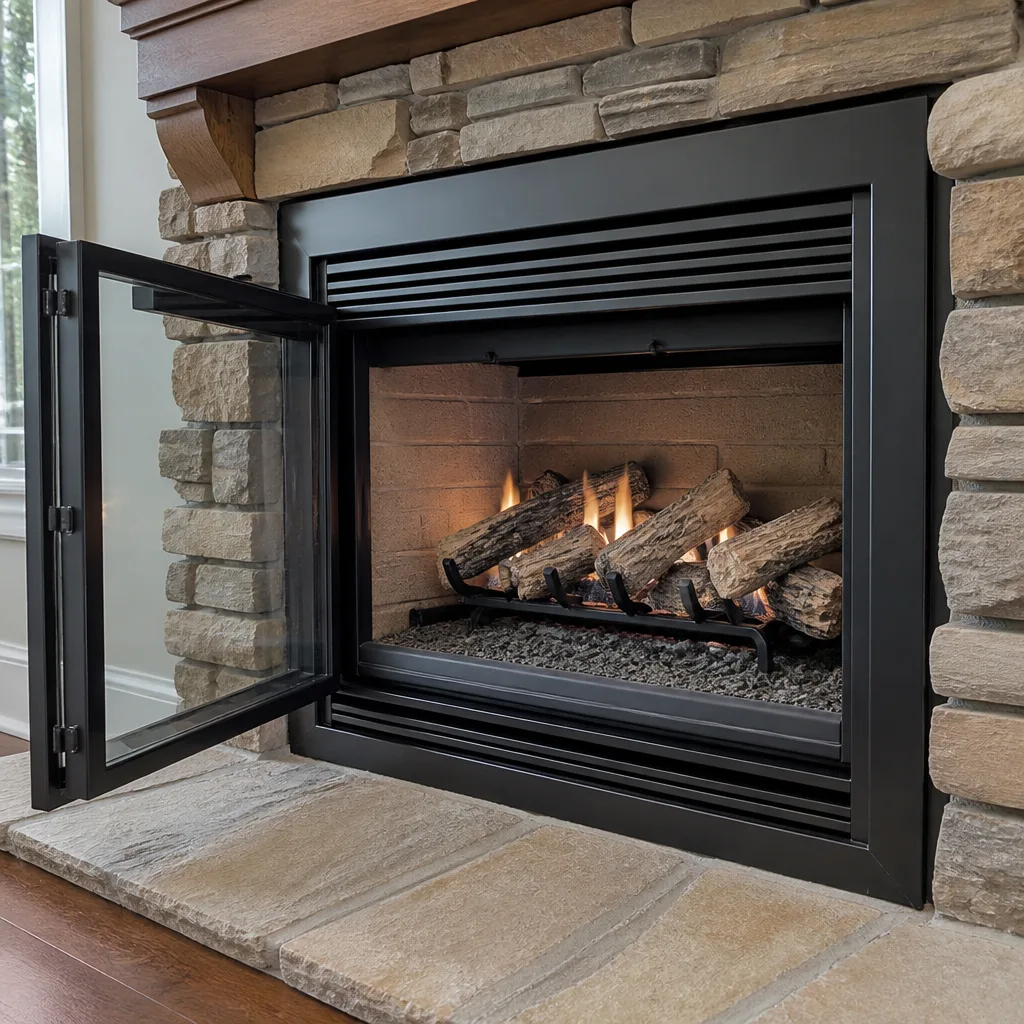 Gas fireplace service
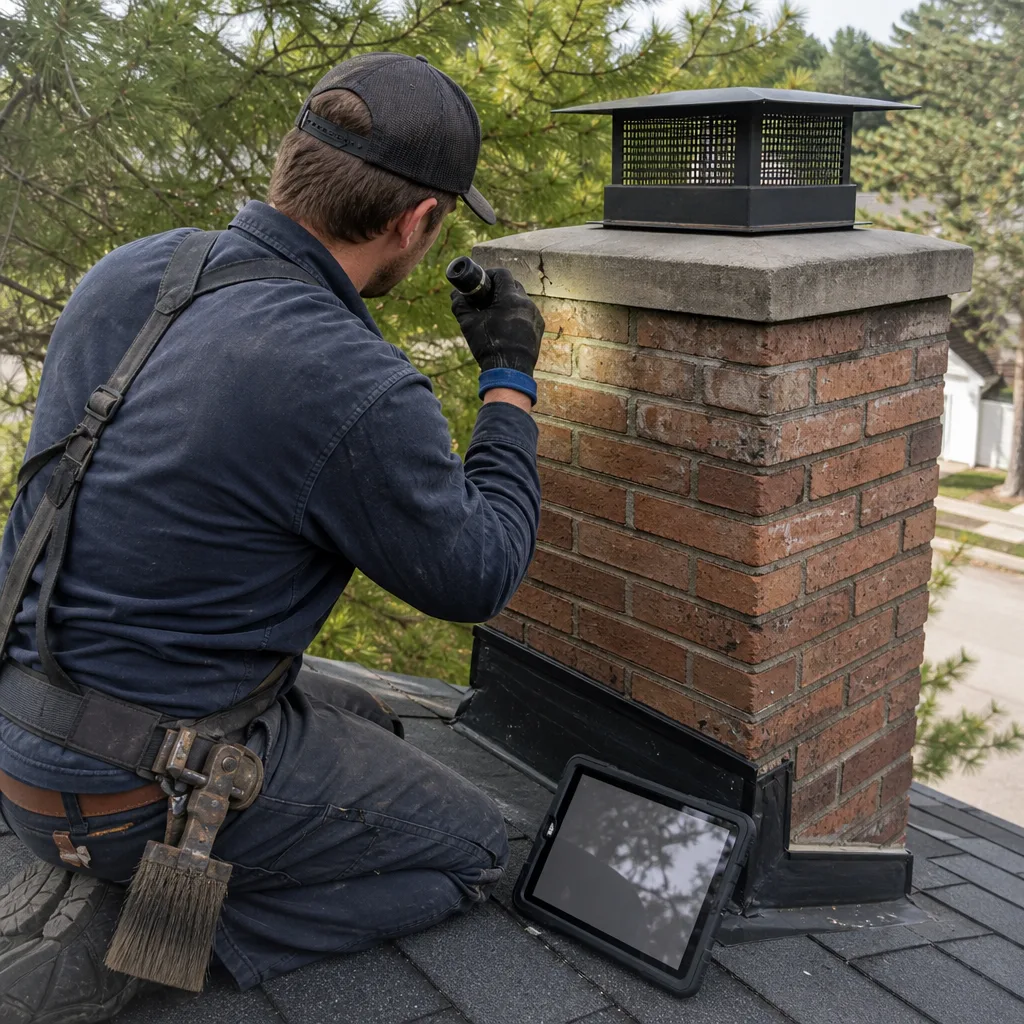
Level 1 sweep and inspection to the NFPA 211 annual standard - flue, crown, cap, and flashing checked and photographed
Chimney sweep logs do not sweep chimneys. They loosen some creosote - which then falls where a brush and vacuum still have to collect it.
Chimney Cleaning Warning Signs: A Centennial Homeowner’s Reference Guide
Most chimney problems announce themselves long before anything goes wrong. Not with a bang or a plume of smoke in the living room, but with a smell you’ve started to ignore, a draft that doesn’t pull the way it used to, or a faint stain on the brick outside that wasn’t there last fall. A chimney fire in Centennial can reach 2,000°F inside the flue and burn for minutes before anyone inside notices something is off, and by the time it’s visible the liner has usually already taken damage. The useful warnings come earlier than that, and they’re quiet. This guide is about reading them: the five odor profiles, what draft behavior maps to, how exterior staining tells you what’s happening inside the masonry, and the one sign behind the damper nearly everyone misses.
Quick Answer
The most reliable chimney cleaning warning signs are: a strong or smoky odor even when the fireplace is cold, a fire that’s slow to start or smokes into the room, soot or dark staining around the damper and firebox joints, popping or rumbling sounds during a burn, and white or brown staining on exterior masonry. Any one of these means it’s time for a professional sweep and inspection, not a wait-and-see. In our experience across Centennial, the signs that predict a serious problem arrive weeks before the fire itself does.
Styles & brands we work with
- Sweep & inspection
- Caps & crowns
- Flue relining
- Masonry repair
- Gas fireplace service
Table of Contents
- The Five Odor Profiles and What Each One Tells You
- Reading Draft Behavior: Slow Starts, Smoke Rollout, and Flickering Flames
- Exterior Staining Patterns: Efflorescence, Spalling, and Failed Flashing
- Popping, Cracking, and Rumbling: What the Sounds Actually Mean
- The Sign Behind the Damper Most Homeowners Miss
- Why Centennial’s Climate Makes These Signs Show Up Differently
- How Often to Sweep and Inspect: A Practical Schedule
- Common Mistakes to Avoid
The Five Odor Profiles and What Each One Tells You
Smell is the most underused diagnostic tool a homeowner has. A chimney that’s working properly smells like almost nothing when it’s cold. When it doesn’t, the type of odor narrows down the cause faster than almost any other signal, and it costs nothing to notice. Here are the five profiles we pay attention to when we walk into a Centennial home.
- Sharp, acrid, campfire-like creosote odor. This is the classic sign of creosote buildup in the flue. It’s strongest on warm, humid days, or when there’s a pressure change outside, because the deposit off-gasses into the house. Heavy creosote is the fuel that chimney fires burn, so a persistent creosote smell is a cleaning signal, not a nuisance.
- Musty, damp, or earthy odor. Moisture is getting into the flue or the masonry. It could be a failed crown, a cracked flue tile, or water tracking down the outside of the chimney. Left alone, moisture breaks down mortar and eventually the liner.
- Animal musk or nesting odor. Birds, squirrels, and raccoons find uncapped chimneys irresistible in Centennial. The smell is usually paired with scratching or fluttering sounds you’ll hear on a quiet morning. A cap and a sweep resolve it, but the flue needs to be cleared before you burn again.
- Rotten-egg or sulfur smell near a gas appliance flue. This one is a stop-and-call issue. It can indicate a gas backdraft or a venting problem with the appliance, and it deserves an immediate professional inspection rather than another fire. Don’t run the appliance until it’s checked.
- Stale, dusty, or smoky odor from the masonry itself. This is the smell of masonry decay: crumbling mortar, deteriorated brick, or a failing smoke chamber that’s letting residue migrate into the wall cavity. It tends to be faint and persistent and is often mistaken for “old house smell.”
One useful habit: notice the smell before you light a fire, not after. A cold flue is honest. When you burn, the fire masks the very odors you’re trying to read. If your cold chimney has a smell you can’t place, call us and describe it. That description is often enough to tell us what to look for before we arrive.
Reading Draft Behavior: Slow Starts, Smoke Rollout, and Flickering Flames
Draft is the chimney telling you how well air is moving through it. A healthy flue pulls smoke up and out with almost no effort. When that changes, the change itself is diagnostic. Here’s how to read it.
Slow, reluctant starts. If a fire that used to catch in minutes now takes twenty and smolders before it takes, the flue is either restricted or cold and not drawing. The common culprits are a partial blockage (creosote, a bird nest, a collapsed tile), a negative pressure problem in the house, or a flue that’s lost its seal. In Centennial, tight modern houses with strong exhaust fans in kitchens and baths can pull harder than the chimney, and that imbalance shows up as a stubborn fire.
Smoke rolling out into the room. This is the most urgent of the draft signs. Smoke rollout can mean a serious blockage, a firebox too small for the opening, or a smoke chamber that’s separated or damaged. It can also indicate a flue that’s undersized for the appliance. Whatever the cause, it’s a professional call, not something to solve by opening a window.
Flickering or dancing flame. A flame that jumps, sputters, or changes direction rapidly is reacting to turbulent airflow. That turbulence often traces back to a partially blocked flue or a damper that’s not opening fully. A steady, upright flame is a healthy flame. A chaotic one is a symptom.
If any of these show up together, stop using the fireplace and have it inspected. Draft problems are almost always correctable, but they don’t heal on their own, and a chimney that can’t pull smoke out can’t reliably pull carbon monoxide out either.
Exterior Staining Patterns: Efflorescence, Spalling, and Failed Flashing
Walk outside and look at the chimney from the yard. The exterior is the earliest-warning side of the structure because moisture damage and liner failure both leave visible traces there. Reading those traces is a matter of knowing what each color and texture means.
White, powdery staining (efflorescence). This is salt pushed to the surface by moisture migrating through the masonry. It’s the front end of a moisture problem: water is getting in somewhere, dissolving salts in the mortar and brick, and depositing them on the surface as it evaporates. Efflorescence alone isn’t structural damage, but it’s a reliable indicator that water is finding a path into the chimney.
Brown, rusty, or dark staining. This often points to water reacting with creosote or acids in the masonry, or to metal components inside that are corroding. Dark vertical streaking on the outside of a chimney can also mean an interior liner problem is letting residue work its way out through the brick.
Flaking, crumbling, or powdery brick (spalling). Spalling is the next stage after efflorescence, and it’s structural. Moisture trapped inside the brick expands when it freezes and pushes the face of the brick off. Centennial’s freeze-thaw cycles, which can swing forty degrees in a single day in late fall and early spring, accelerate this process faster than a more stable climate would. Spalling crown mortar and brick faces are a repair signal, not a cosmetic one.
Failed flashing. The metal or membrane where the chimney meets the roof is the most common leak point on any chimney. If the flashing pulls away, water runs straight down the chimney chase and into the ceiling and attic. Look for gaps, lifted edges, or rust at the base of the chimney, especially after a spring snowmelt.
Cosmetic weathering, by contrast, is uniformly dulled but intact brick with no crumbing or staining. That you can live with. The patterns above you can’t, and a sweep plus inspection will tell you which one you’re looking at.
Popping, Cracking, and Rumbling: What the Sounds Actually Mean
Sound is often the first sign people notice during a fire, and it’s frequently the one they explain away. A fireplace is not a loud appliance. It burns with a steady hiss and the occasional settle of a log. Here’s what the other sounds mean.
- Popping or snapping beyond normal log combustion. A sharp, irregular pop during a burn, especially one that’s louder than the wood should make, often points to moisture in the fuel or, more seriously, to moisture trapped in the masonry or liner that’s boiling off. It can also indicate a cracked flue tile that’s being heated irregularly.
- Cracking sounds. A distinct crack can be the sound of a clay flue tile failing from thermal shock, or of mortar giving way in the smoke chamber. A single crack followed by no other symptom can be a harmless log settle, but a recurring crack you can’t trace back to wood is worth an inspection.
- Rumbling or a low roaring sound. This is the one to take seriously. A sustained rumble during a fire can indicate a chimney fire inside the flue, especially if it’s paired with a sudden temperature change or a strange smell. Get out, call the fire department if you suspect a fire, and do not burn again until the chimney has been inspected.
In our experience, homeowners in Centennial hear these sounds and attribute them to the house “settling” or to a drafty old fireplace. Sometimes that’s true. But the only way to know for certain is to have the flue scoped and the joints checked, which is exactly what a proper inspection does.
The Sign Behind the Damper Most Homeowners Miss
Open the damper and look up into the smoke chamber with a flashlight. Most people never do this, and it’s where the single most overlooked warning sign lives: separation at the smoke chamber and firebox joints.
The smoke chamber is the tapering transition between the firebox and the flue. It’s built from corbelled masonry, and the joints where it meets the firebox and the first flue tile are the highest-stress points in the whole assembly. Over years of heat cycles, those joints open up. When they do, two bad things happen at once. First, smoke and combustion gases can escape into the wall cavity instead of going up the flue, which is a real health concern because that’s where carbon monoxide travels. Second, creosote deposits into the gaps, which accelerates damage to the surrounding masonry and creates a fuel load right where you can’t see it.
Look for these signs through the damper:
- Visible gaps or dark lines where the smoke chamber meets the firebox.
- Cracked or missing mortar in the corbelled taper, especially near the top.
- Heavy soot or creosote streaking on surfaces that should be clean.
- A gap where the damper frame meets the masonry, which is a common air-leak and smoke-escape path.
These joints are repairable, and we use HeatShield’s resurfacing system to restore smoke chamber surfaces and joint integrity where the masonry is still sound. The key is catching them. Once the joints fail badly enough, the fix becomes liner-level work, which is why we inspect before we recommend anything. A chimney inspection isn’t an upsell. It’s the only honest way to know what your flue actually needs.
Why Centennial’s Climate Makes These Signs Show Up Differently
Centennial’s climate does something specific to chimneys: it hammers the freeze-thaw cycle. Late fall and early spring bring wide temperature swings, sometimes forty degrees or more in a day. That pattern cycles moisture in and out of masonry repeatedly, which is what drives efflorescence and spalling, and it’s the reason exterior staining around Centennial tends to progress faster than it would in a milder climate.
The climate also changes how and how often people burn. Centennial winters are cold enough that many households burn steadily through the season, which builds creosote faster than occasional fires would. Evening and overnight burning, the way most people use a fireplace, tends to produce cooler, smoldering fires that deposit more creosote per fire than hot, fast burns do. That’s not a criticism of how you burn. It’s just a fact about how the deposits accumulate, and it’s why a yearly sweep around here is worth the appointment.
One more local angle: snowmelt. When spring arrives and the roof sheds snow, any weakness in the flashing or crown shows up almost immediately as a leak. If you’ve got water staining on the ceiling in March, don’t assume the roof is the problem until the chimney’s been checked. We see this pattern repeat across the Centennial area every spring because the chimney is the highest, most exposed penetration on the roof.
How Often to Sweep and Inspect: A Practical Schedule
How often you sweep depends on how much you burn, not on the calendar alone. The general guidance is to have the chimney inspected once a year and swept whenever the flue has enough buildup to warrant it, which for most regular wood burners works out to roughly once per cord of wood. Here’s how that maps to how you actually use it:
- If you burn regularly through the season (several fires a week in winter), book an inspection and likely a sweep once a year, before the burning season starts.
- If you burn occasionally (a few fires a month or fewer), a yearly inspection is still appropriate, and a sweep may not be needed every year. The inspection tells you which.
- If you’ve inherited an older home or haven’t had service in multiple seasons, start with a full inspection before any burn. You don’t know the flue’s history, and a sweep plus camera inspection gives you one.
- If you’ve had a chimney fire, any at all, have it inspected immediately, no matter when the last service was. Liner damage can be invisible from the firebox.
- If you’re switching fuels or appliances (say, moving from wood to a gas log set), have the flue sized and inspected for the new appliance before you run it.
Timing matters too. Centennial’s burning season peaks when the nights get cold, which means the busiest months for chimney service are also the most demand-heavy. Booking before burning season, in late summer or early fall, is the easiest way to get an inspection without a wait. The point isn’t to push an appointment. It’s that a cold, clean, inspected chimney burns more predictably, and the signs we’ve covered in this guide are much easier to read when you have a baseline.
Common Mistakes to Avoid
- Treating odor as a nuisance instead of data. Covering up a creosote smell with a candle or a deodorizer doesn’t change what’s in the flue. The smell is the message.
- Burning “just one more fire” after a rolling smoke episode. Smoke rollout into the room is a hard stop. Burning again before it’s inspected can push combustion gases into the house and worsen liner damage.
- Assuming a cosmetic stain is cosmetic. Efflorescence and spalling look like surface issues. In Centennial’s freeze-thaw climate, they’re usually the visible face of a moisture problem working its way inward.
- Skipping the damper check because everything “seems fine.” The smoke chamber joint separation we see most often is invisible from the living room. A two-minute flashlight check through the damper catches it early.
- Hiring one company to inspect and another to repair. When the inspection and the repair are handled by different contractors, findings can get lost or inflated. We do both so the person who diagnoses it is the person who delivers it.
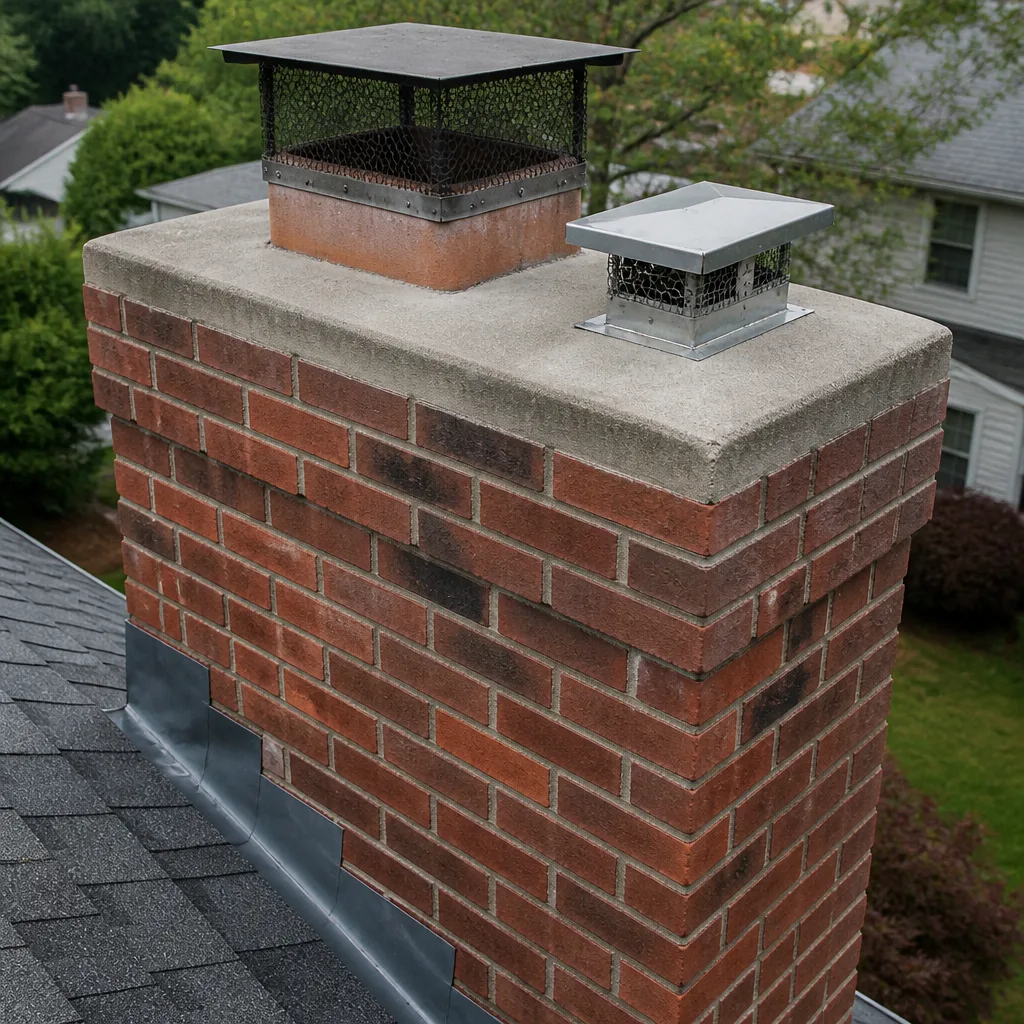
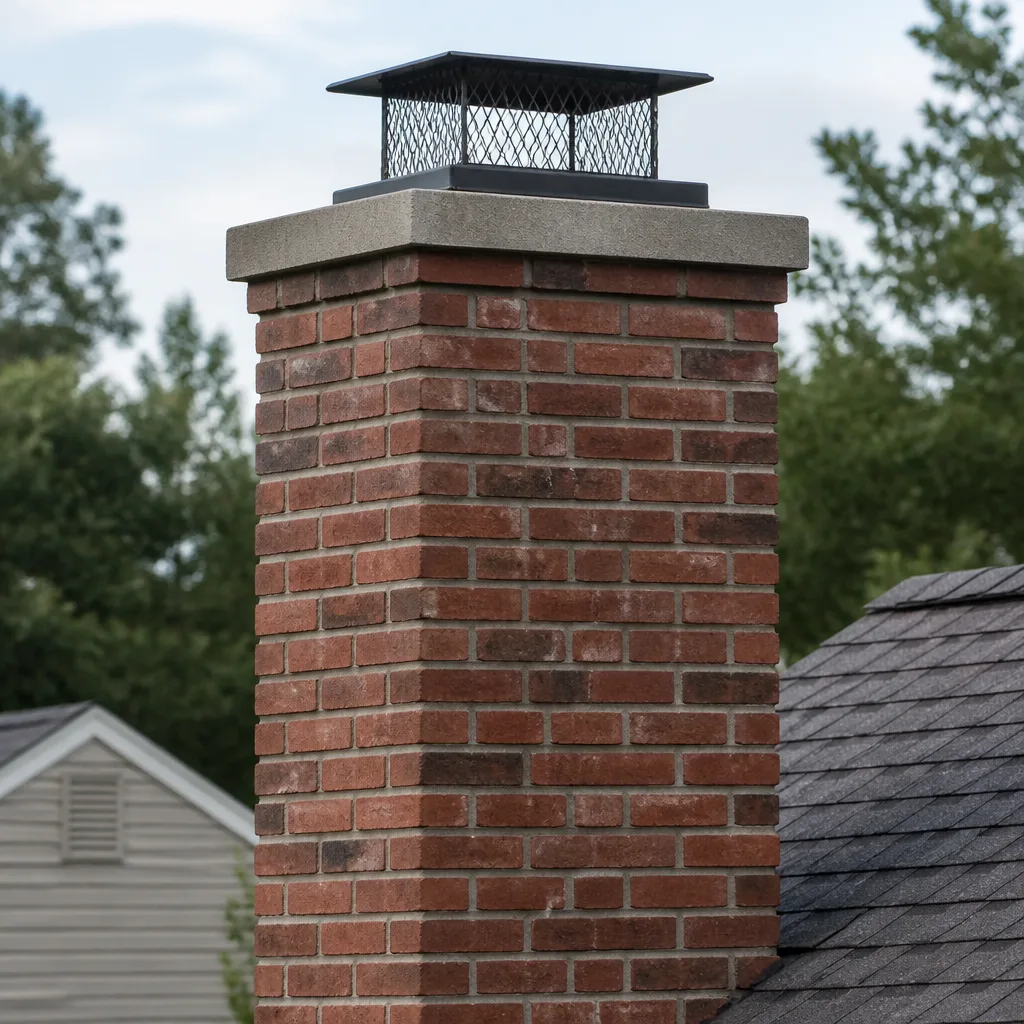
- Buying a cap “later.” An uncapped flue in Centennial is an open invitation to birds and animals. A cheap cap from a brand like Famco prevents a costly sweep-and-clear later.
- Ignoring the spring snowmelt leak. A ceiling stain after snowmelt is often flashing, not roofing. Check the chimney first.
See the difference
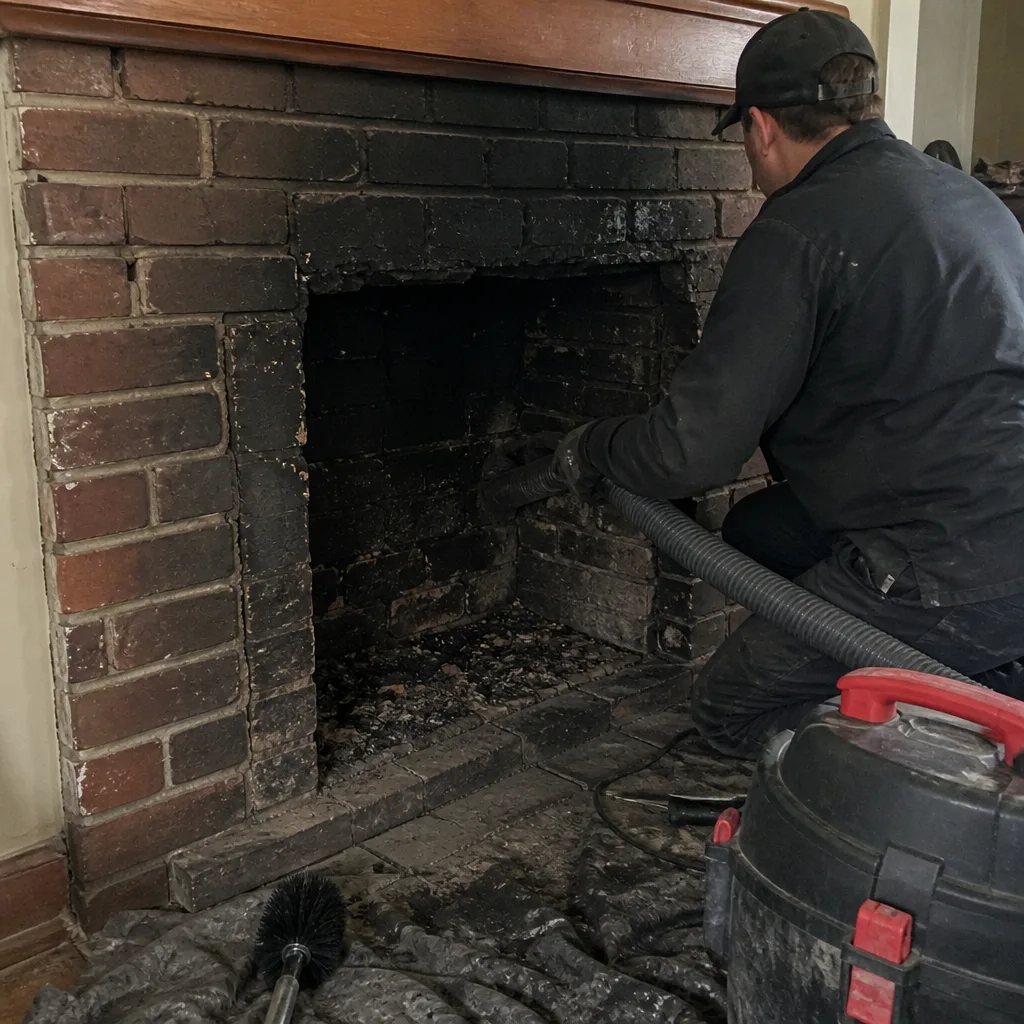 Before
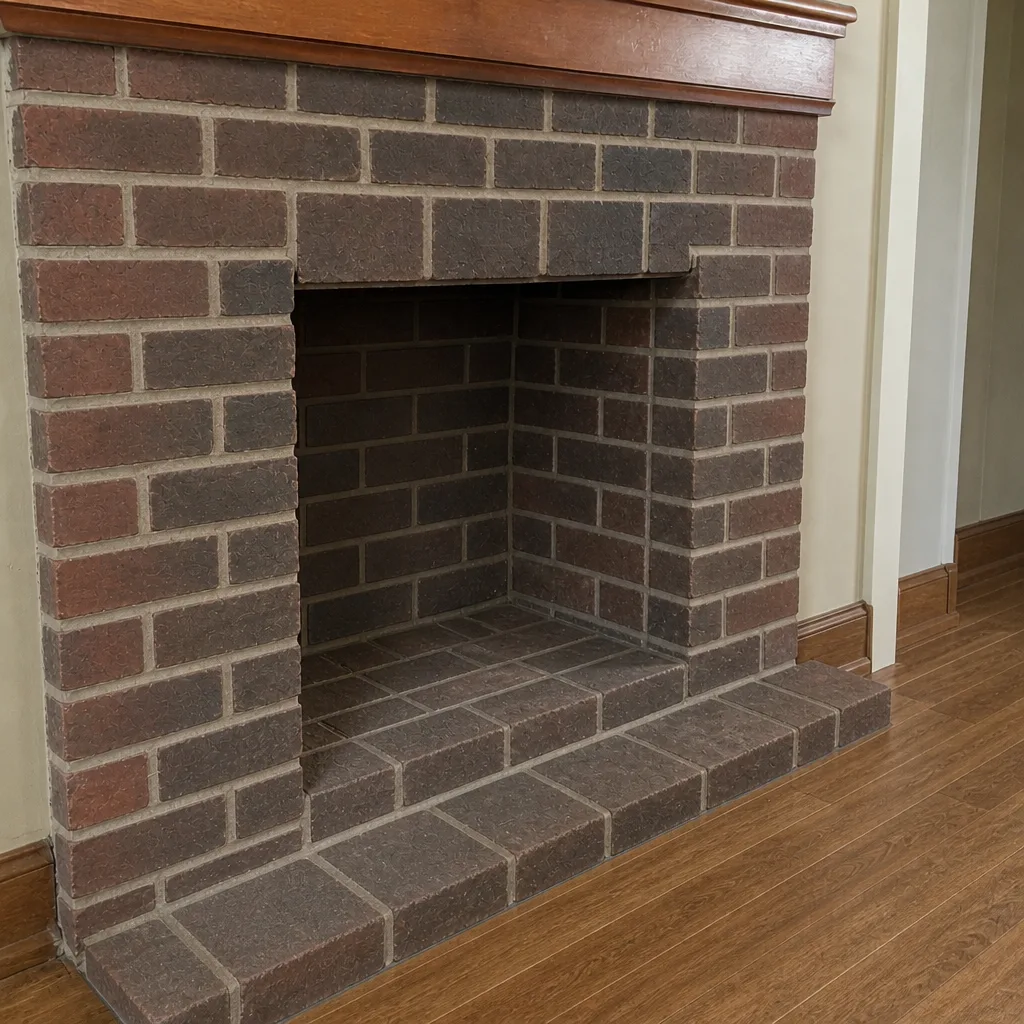 After
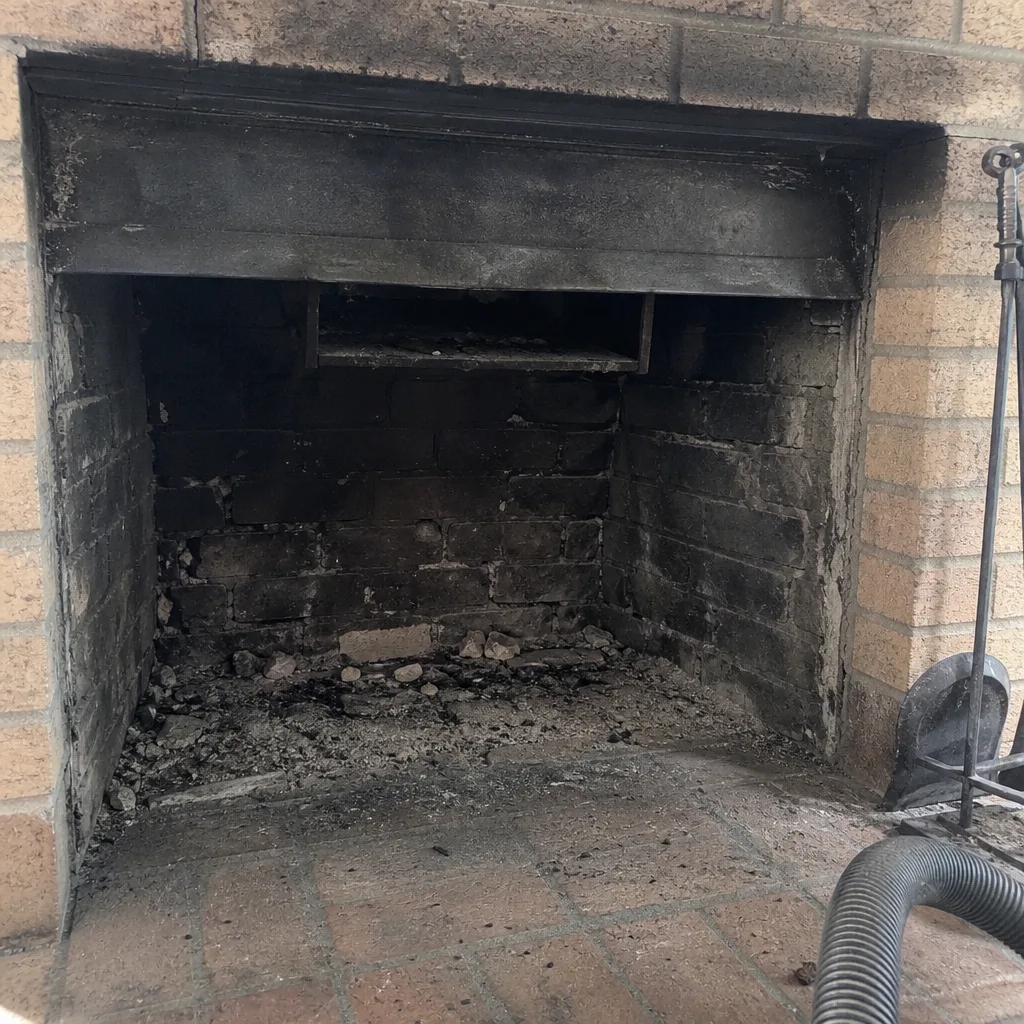 Before
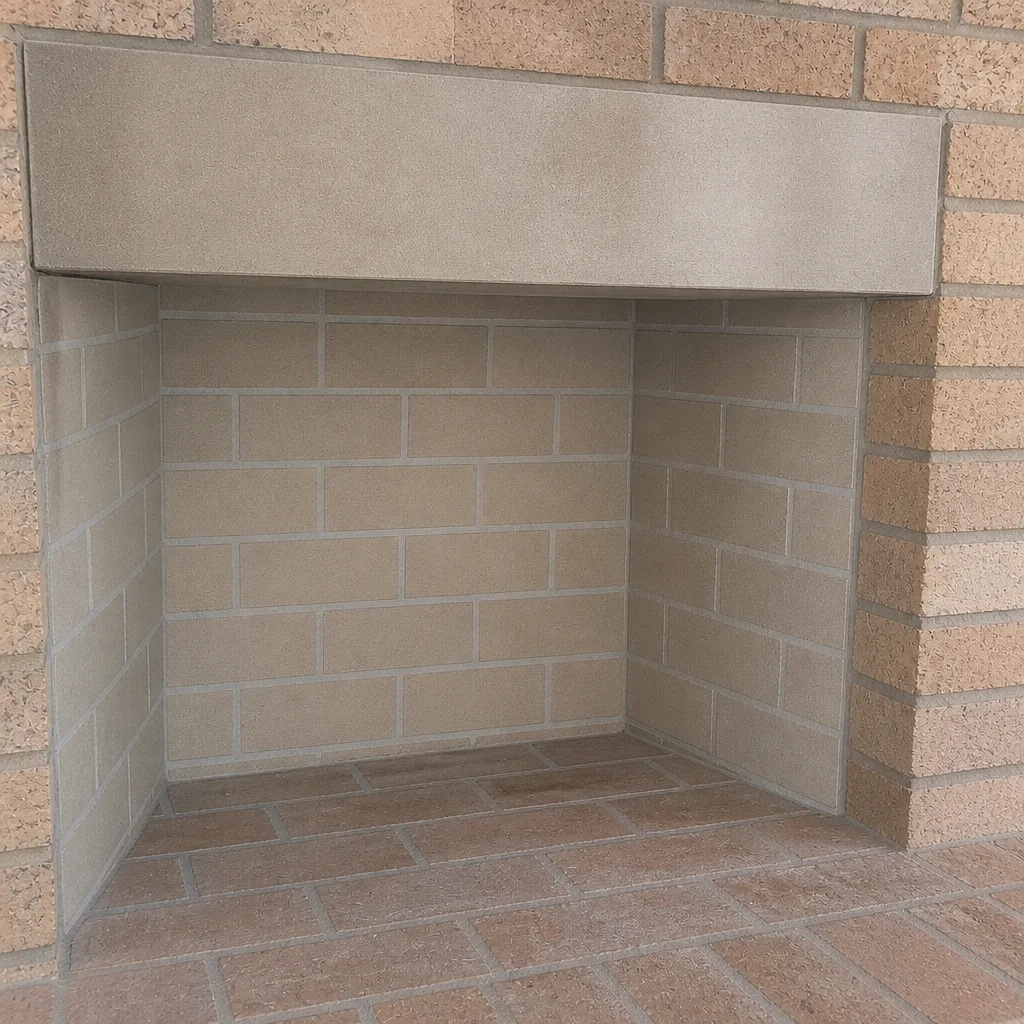 After
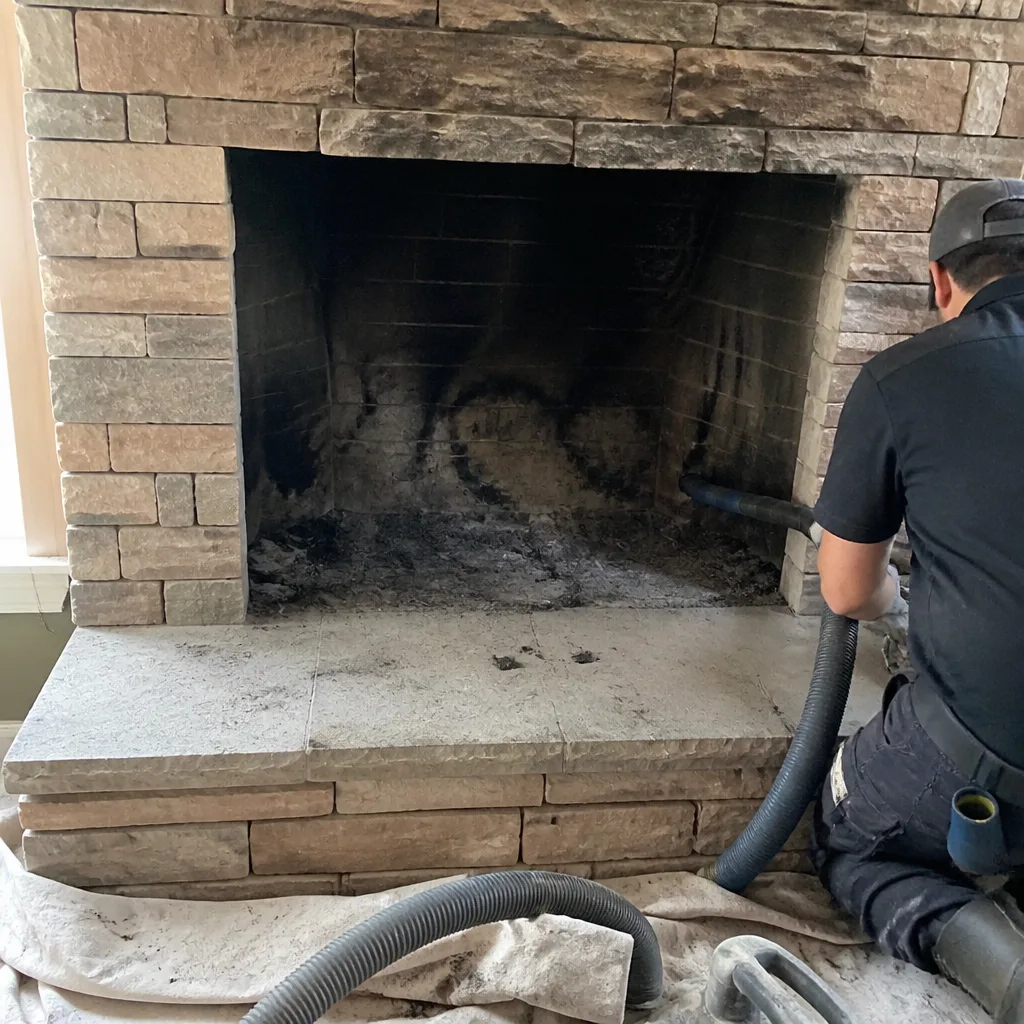 Before
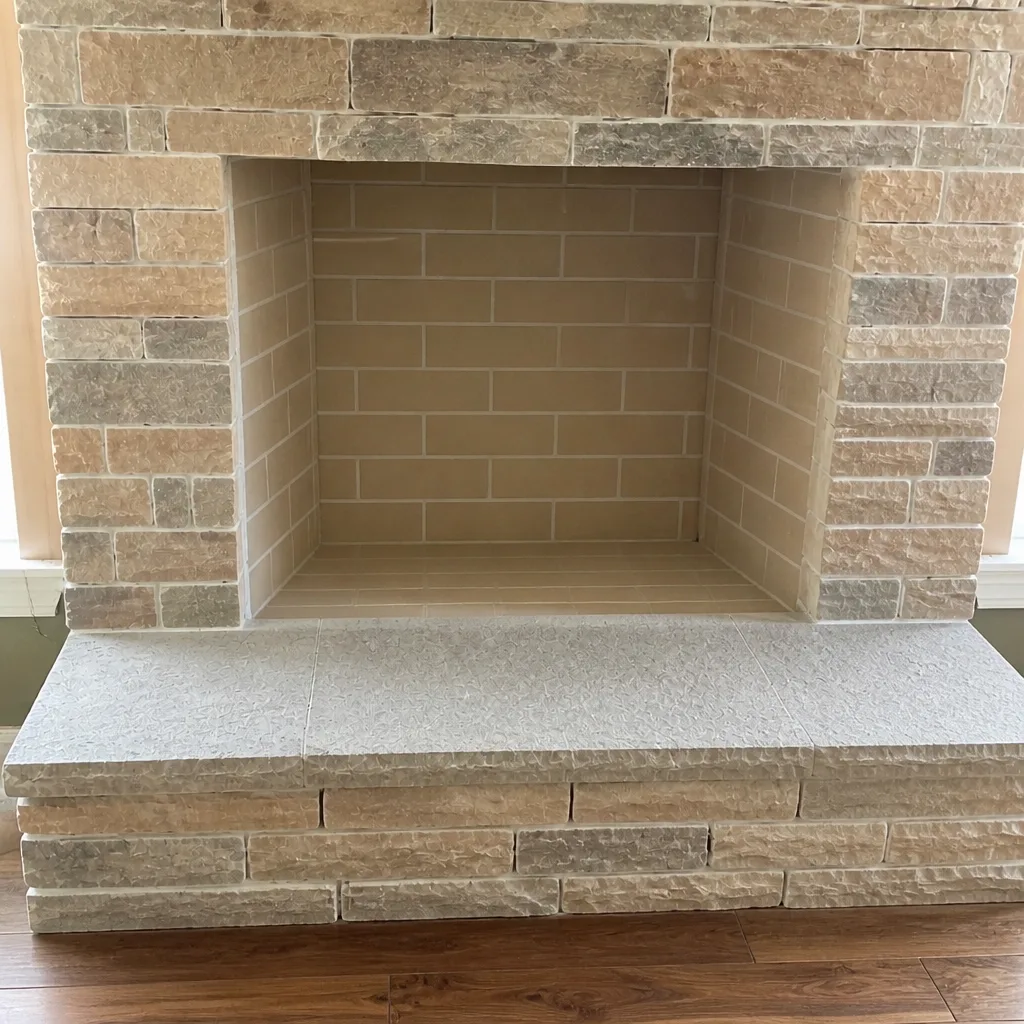 After
When to Call a Professional
Some signs warrant a call, not a guess. Call a professional if you see any of these: smoke rolling into the room during a fire, a sustained rumbling or roaring sound, a rotten-egg smell near a gas flue, visible smoke chamber joint separation, spalling brick or crumbing crown mortar, or heavy water staining on the ceiling after snowmelt. Also call if you’ve inherited a home and don’t know when the chimney was last serviced, or if it’s been more than a season since your last inspection. Our technicians have up to 13 years of experience and we work with the industry’s recognized brands, from DuraFlex flexible liner systems to Copperfield venting components, so the diagnosis and the fix come from the same place. Chimney Sweep Centennial offers free estimates in Centennial. Call (833) 842-2139. We answer 24/7. Fast dispatch from 7am to 7pm, Sunday through Friday. Swept clean. Inspected thoroughly. Repaired to last.
One more note on trust: we know the biggest hesitation about chimney work is being told you need thousands of dollars of liner or masonry work you can’t verify. So nothing gets recommended without camera evidence you can look at yourself. If the flue can safely wait another season, we’ll tell you that too.
Frequently Asked Questions
A standard chimney sweep in the Centennial area typically runs in the range you’d expect for a professional flue cleaning, with the written estimate setting the final price. The sweep covers the firebox up through the flue, and it’s a flat-price job agreed before we book. Call (833) 842-2139 for an exact quote – estimates are free.
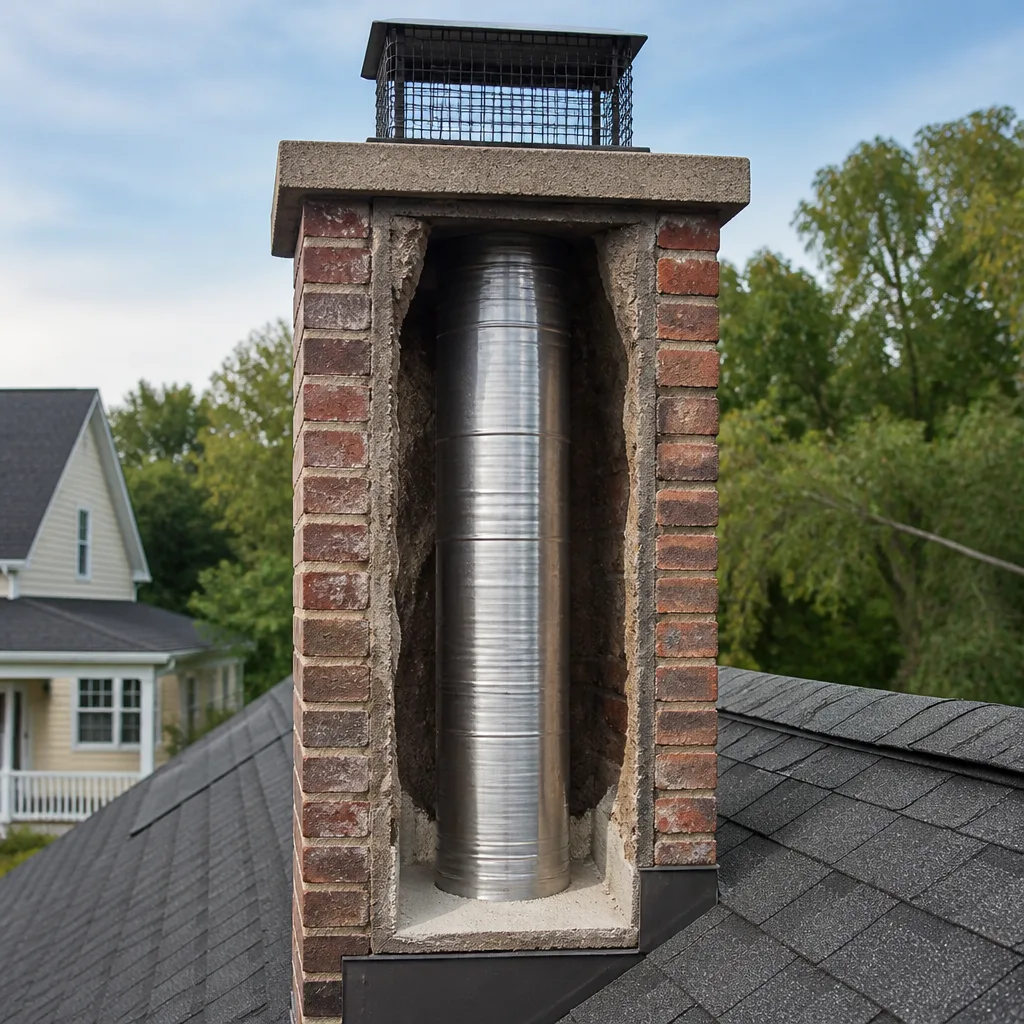
Only if the inspection shows it. A liner recommendation should always come with camera evidence of cracking, joint failure, or heat damage that you can see for yourself. If the flue is intact and code-compliant for your appliance, you don’t need a liner, and we’ll say so. When a liner is warranted, we install DuraFlex flexible liners and use HeatShield resurfacing for smoke chamber restoration where the existing masonry can be saved. Call (833) 842-2139 for an exact quote – estimates are free.
Inspect once a year, and sweep whenever buildup warrants it, which for a regular wood burner is roughly once per cord of wood. In Centennial’s cold, steady burning season, most households land on a yearly sweep. Call (833) 842-2139 for an exact quote – estimates are free.
Creosote keeps accumulating, and it’s the fuel that chimney fires burn. A skipped sweep also means a failed smoke chamber joint or a cracked flue tile goes unnoticed, which lets combustion gases – including carbon monoxide – escape into the structure instead of up the flue. The risk compounds quietly. Call (833) 842-2139 for an exact quote – estimates are free.
White powdery staining on exterior masonry is efflorescence, and it means moisture is traveling through the brick. It’s an early warning for a moisture problem – a failed crown, cracking flue tile, or failed flashing – well before it becomes spalling. It’s worth an inspection before the next freeze-thaw cycle. Call (833) 842-2139 for an exact quote – estimates are free.
Yes. We sweep, inspect, and repair chimneys throughout Centennial and the surrounding metro. Our technicians have up to 13 years of experience and we use professional-grade materials from DuraFlex, HeatShield, Famco, and Copperfield, so the whole system gets the right material for the repair, not whatever’s on the truck. Call (833) 842-2139. We answer 24/7. Fast dispatch from 7am to 7pm, Sunday through Friday.
The Bottom Line
The chimney warns you before it fails. Odor profiles tell you what’s in the flue and what’s getting in. Draft behavior tells you how air moves through the system and where it’s blocked. Exterior staining tells you whether moisture is eating the masonry from the inside. Sounds tell you whether the liner survived the last fire. And the joints behind the damper tell you whether gases are going where they should. If you see any of them, get an inspection before the next burn. If you’re in Centennial and haven’t had service in a few seasons, book a sweep and inspection now, before burning season, so the next warnings you see aren’t the expensive kind. We handle the whole system, from liner to cap, under one roof, and the same company that inspects also repairs. Call (833) 842-2139 for a free estimate. We answer 24/7. Fast dispatch from 7am to 7pm, Sunday through Friday. Closed Saturday.
Written by the team at Chimney Sweep Centennial.