
Last updated November 16, 2026
 Sweep & inspection
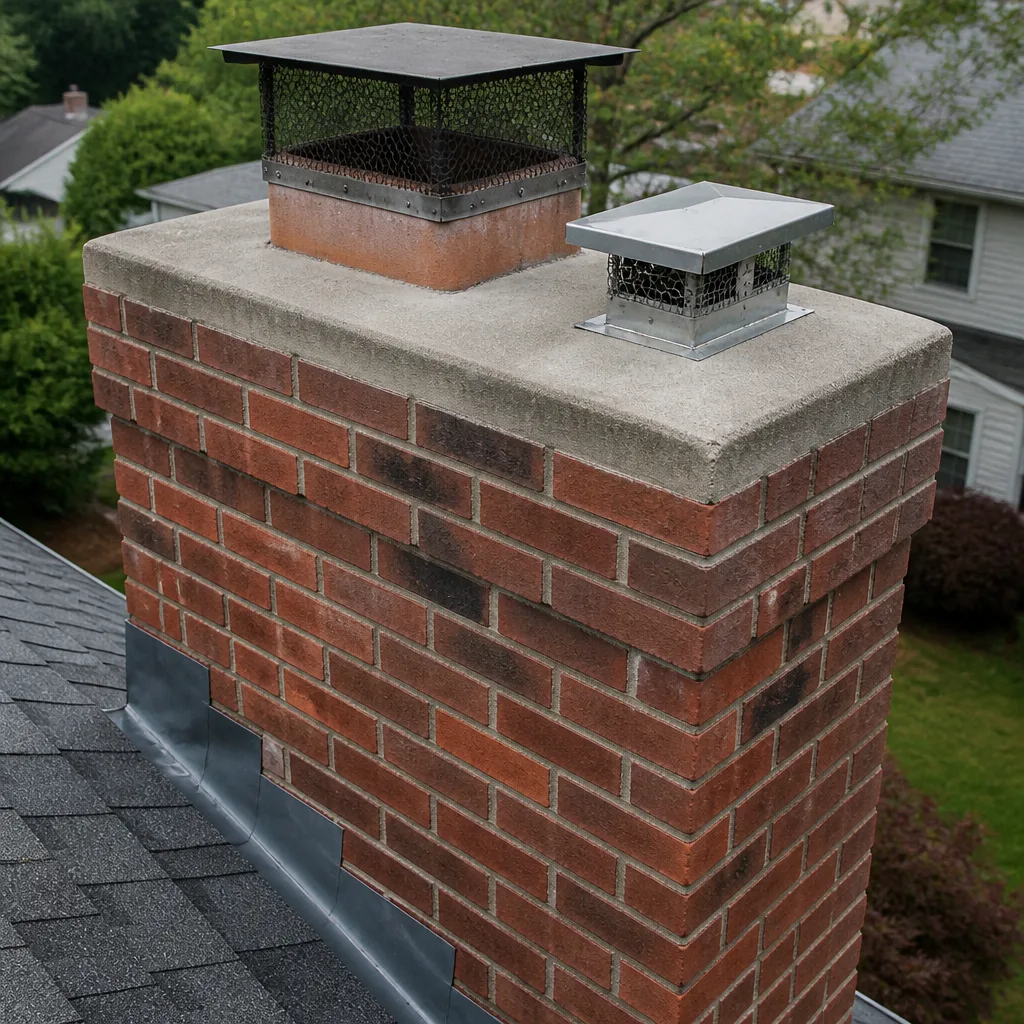
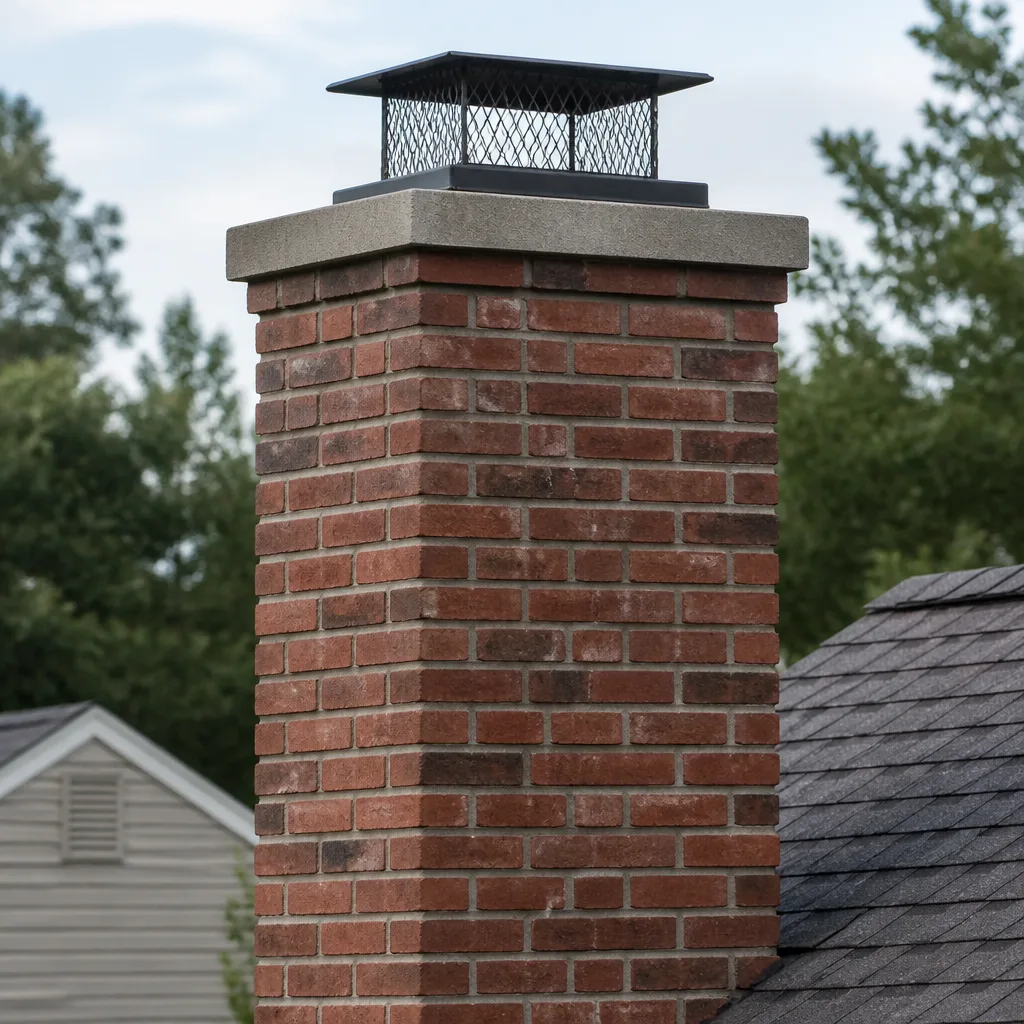 Caps & crowns
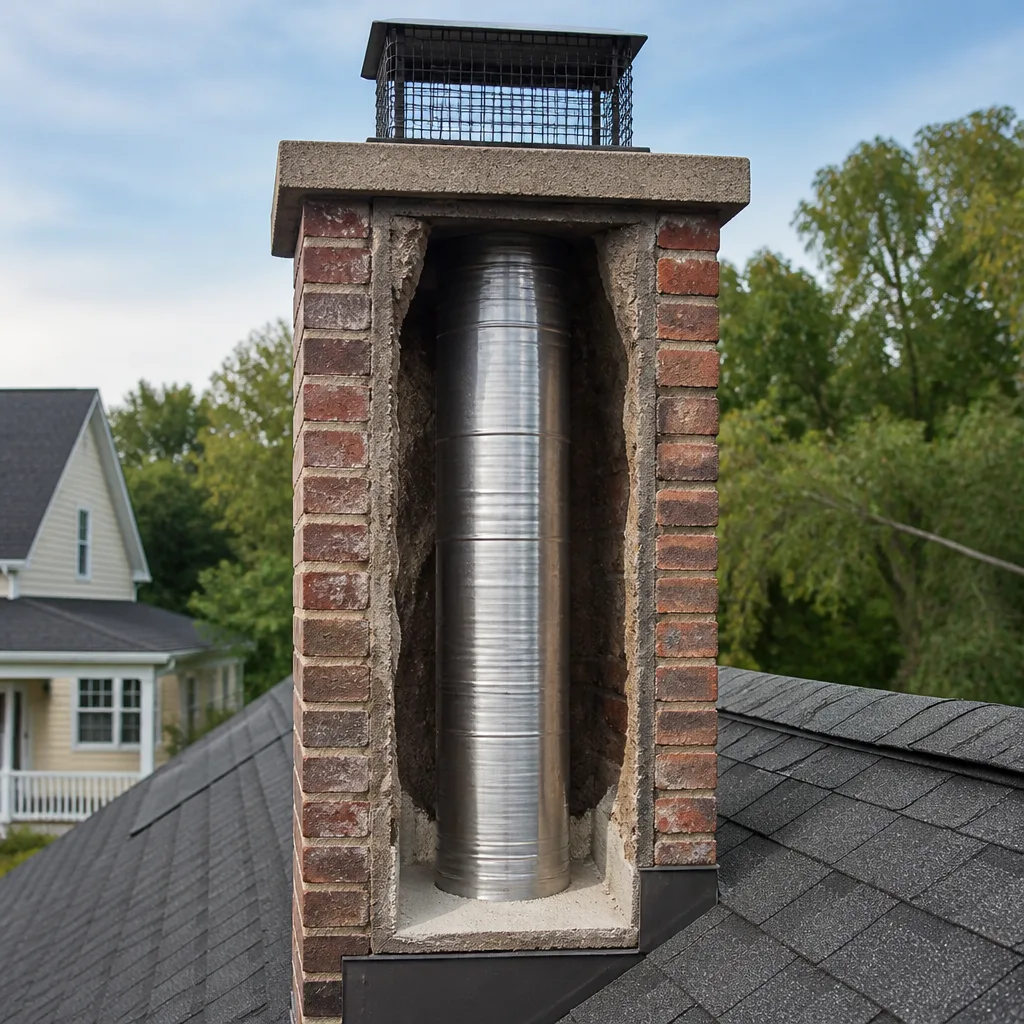 Flue relining
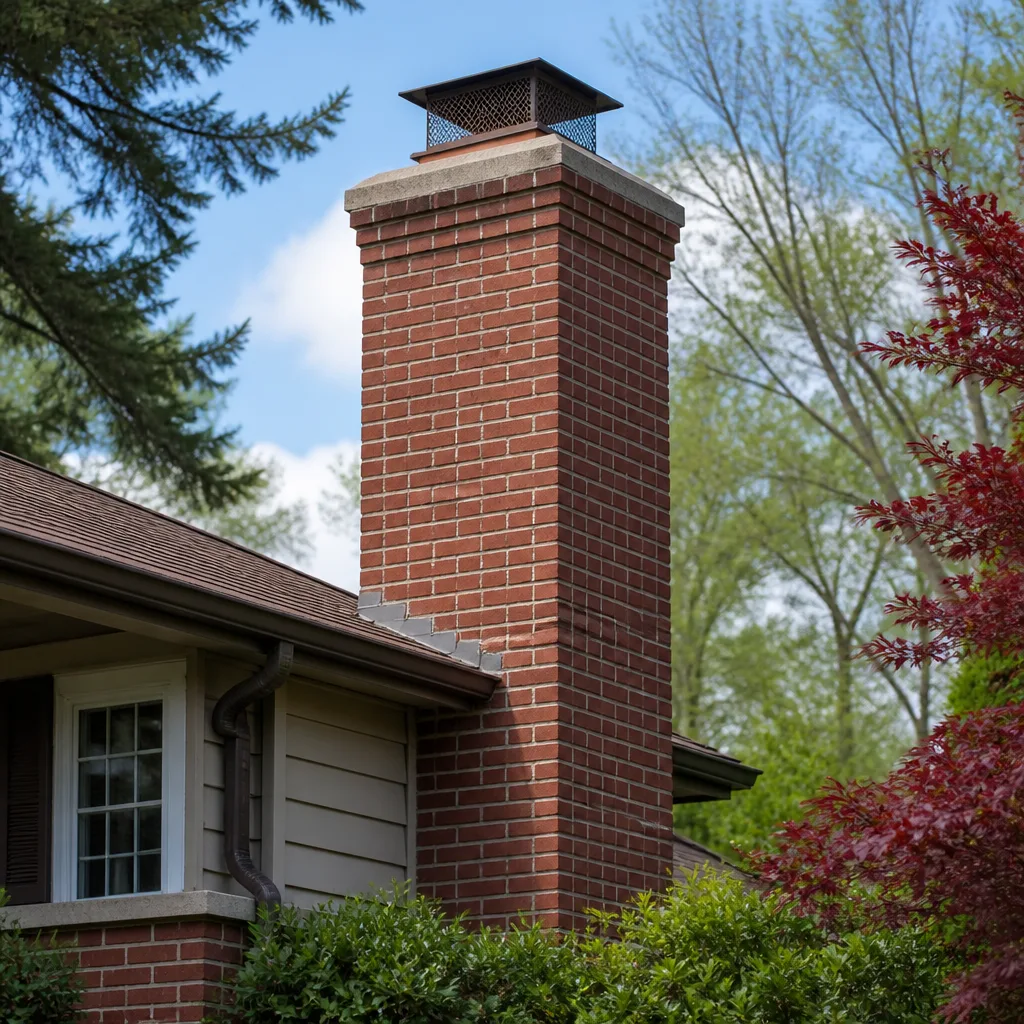 Masonry repair
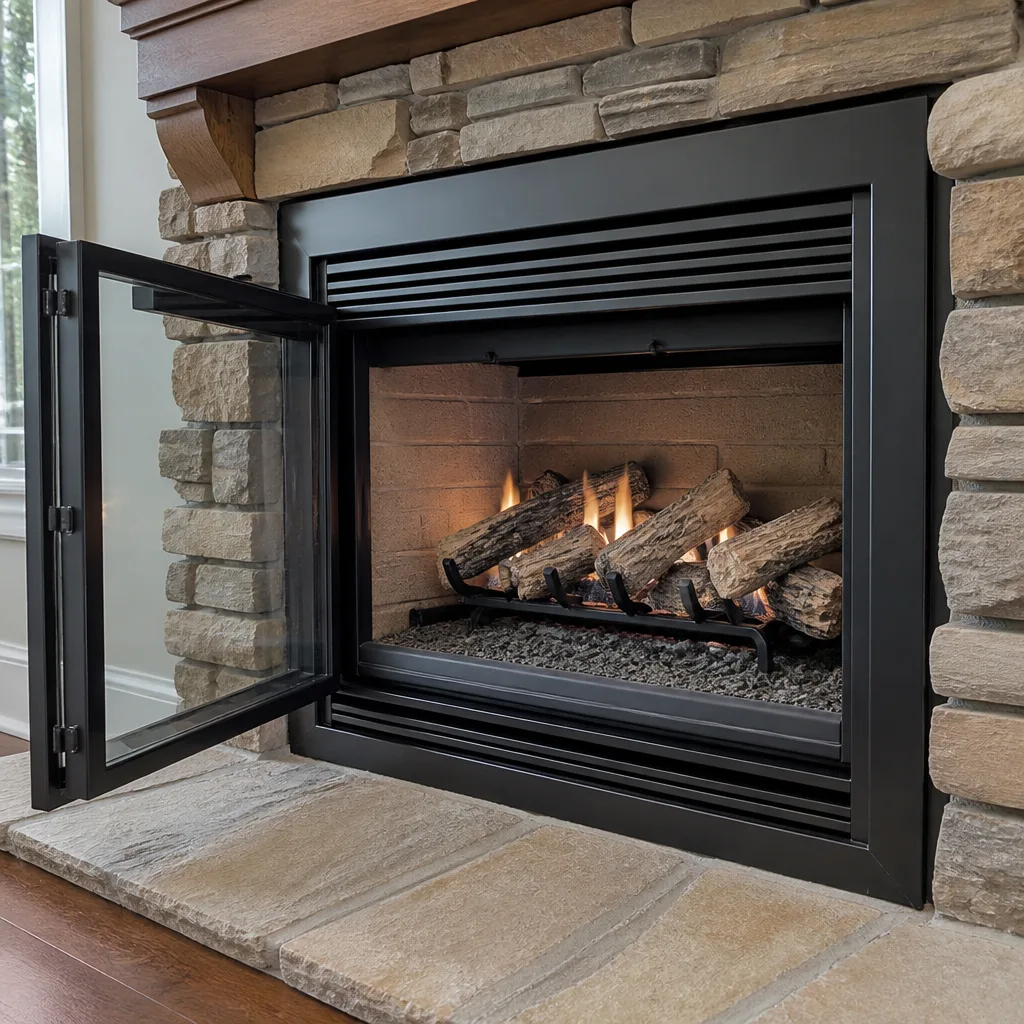 Gas fireplace service
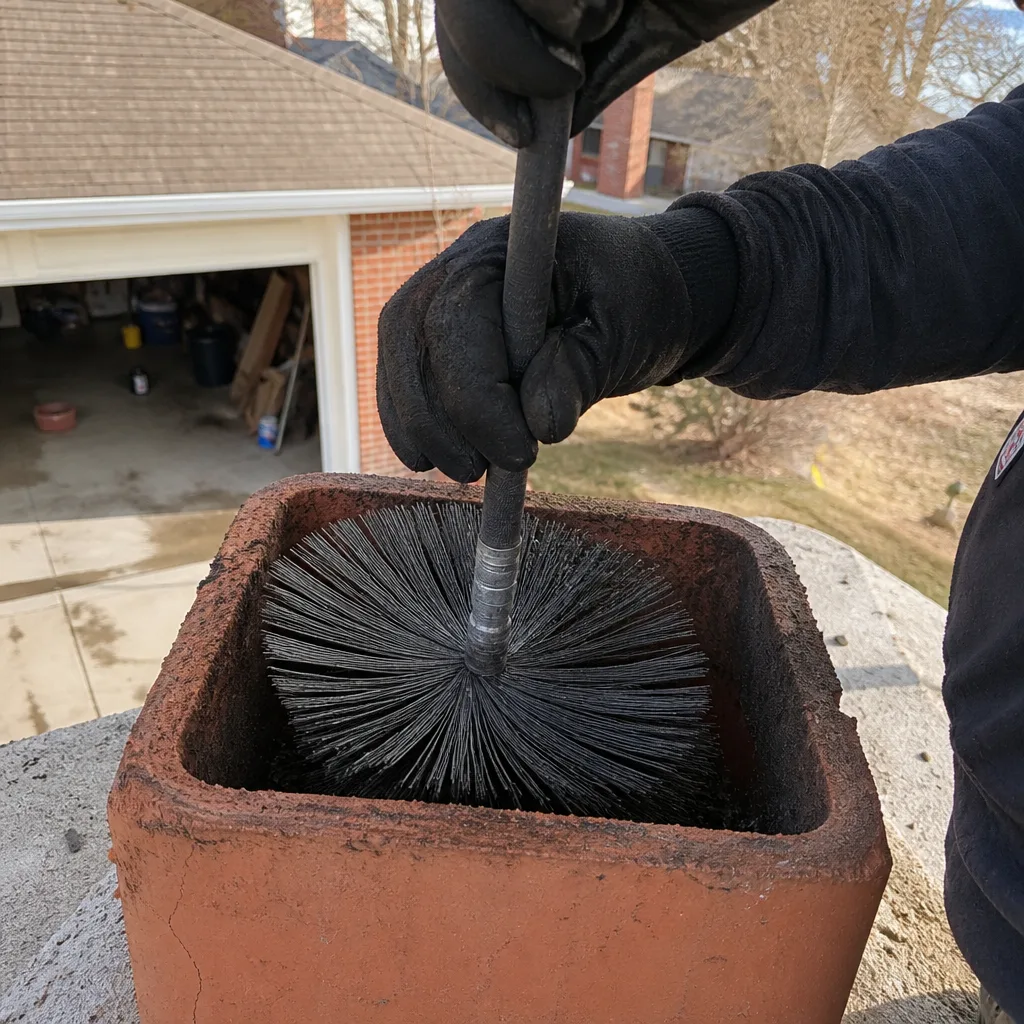
Level 1 sweep and inspection to the NFPA 211 annual standard - flue, crown, cap, and flashing checked and photographed
Chimney sweep logs do not sweep chimneys. They loosen some creosote - which then falls where a brush and vacuum still have to collect it.
Chimney Sweep Maintenance Schedule: What to Do and When
A gas fireplace used a couple of evenings a week and a wood-burning insert running six hours a night have almost nothing in common from a maintenance standpoint, yet most homeowners treat them identically. That mismatch is exactly how a small creosote problem or a hairline liner crack turns into a full reline. The “annual sweep” you hear everywhere is marketing shorthand, not a plan. What your chimney actually needs depends on your fuel type, how often you burn, what kind of appliance you run, and what your flue is lined with. In this guide we’ll build a real maintenance schedule around how your system works, with intervals you can act on in Centennial and anywhere else.
Quick Answer
Sweep a wood-burning chimney based on how much you burn, not the calendar: light use (under 2 cords a season) usually needs a sweep every other year alongside an annual inspection, moderate use (2-4 cords) needs a sweep every year, and heavy use (4+ cords) often needs one mid-season as well. Gas appliances still get an annual inspection every year, even with almost no soot, because the risks there are venting and corrosion, not just buildup. And schedule around your climate: in Centennial, late August and post-winter March are the two windows that matter.
Styles & brands we work with
- Sweep & inspection
- Caps & crowns
- Flue relining
- Masonry repair
- Gas fireplace service
Table of Contents
- Why “One Sweep a Year” Is the Wrong Plan
- The Usage-Tier Matrix: Sweep and Inspect by Cords Burned
- Gas Appliances: Why You Still Inspect Every Year
- The Two Centennial Calendar Windows: Late August and March
- What to Check Yourself Every Month (No Ladder Needed)
- How Liner Material Changes Your Maintenance Cadence
- What a Professional Sweep and Inspection Actually Involves
- Keeping Records So the Schedule Runs Itself
Why “One Sweep a Year” Is the Wrong Plan
The annual-sweep rule is a decent floor, but it flattens a system that has real variables. A homeowner burning a cord of seasoned hardwood on weekends and another running a wood stove hard all winter do not have the same chimney wear, do not accumulate the same creosote, and should not be on the same schedule. Treating them the same means one family overpays for unnecessary sweeps while the other risks a mid-season chimney fire.
Creosote is the reason interval matters. It forms in three recognizable stages: a light soot you can brush off, a crusty flaky layer, and a hardened glazed coating that bonds to the flue wall and is much harder to remove. The faster you catch it at stage one, the cheaper and easier the sweep. Let it glaze and you’re looking at a much bigger job, sometimes resurfacing rather than a routine brush-down.
Usage rate isn’t the only variable. Fuel moisture, appliance type, flue diameter, and liner material all shape the cadence. Wet wood smolders and lays down creosote fast. A tight modern insert running low and slow concentrates byproducts. A properly sized stainless liner warms up and drafts well, which keeps deposits looser and easier to sweep. A bare clay tile flue on an older Centennial home can be more prone to cracking and spalling, which means inspection catches more than sweeping does.
So instead of one number for every house, we build the schedule from the inside out: fuel first, usage second, liner material third. The rest of this guide walks through each.
The Usage-Tier Matrix: Sweep and Inspect by Cords Burned
Here’s the practical chart we use when a homeowner asks how often they should book. Cords of seasoned firewood burned per season is the simplest honest gauge of how much byproduct your flue is collecting.
- Light use (under 2 cords a season): Sweep every other year, inspect every year. If you only burn a fire a few weekends a month, the flue rarely builds a hazardous layer, but an annual inspection catches cracks, animal nests, and cap damage before they become repairs.
- Moderate use (2-4 cords a season): Sweep once a year, inspect once a year. This is the most common tier in the Centennial area, where winters are cold enough for regular burning but many households also rely on a furnace or gas appliance for most of the heat.
- Heavy use (4+ cords a season): Sweep once a year, and plan a mid-season check if you’re burning the appliance as primary heat. A technician may recommend a second sweep partway through the season if deposits build fast, especially with a clay tile flue.
Two factors push you up a tier even if your cord count doesn’t: burning unseasoned or “green” wood, and running an older or oversized appliance that tends to smolder. If you’re not sure of your cord count, think in terms of face cords or how many stove-loads a week you burn and tell your technician; that gives a working estimate.
One more honest note: the 1/8-inch rule matters more than any chart. The National Fire Protection Association’s guidance is to sweep when creosote reaches about 1/8 inch, because that’s when a chimney fire risk climbs. A true inspection tells you which stage of deposit you’re actually at, so you aren’t guessing.
Gas Appliances: Why You Still Inspect Every Year
A gas fireplace or gas log set doesn’t make creosote the way wood does, so it is tempting to skip service entirely. Don’t. Even a clean-burning gas appliance benefits from an annual inspection under the NFPA 211 standard, and the reason is different: gas appliances fail quietly, not loudly.
What a technician is actually looking for on a gas system:
- Venting and draft. Is exhaust actually leaving the chimney, or is it spilling back into the room? A blocked or deteriorated vent can push carbon monoxide indoors, and that’s the reason this check matters most.
- Liner and flue-wall condition. Moisture and condensation from gas appliances can degrade masonry and metal over time. Holes or cracks in the liner let exhaust escape into the chimney structure.
- Cap and chimney top. Debris, bird nests, or a failing cap restrict airflow and can prevent proper venting.
- Gas connections and the appliance itself. A qualified technician checks for leaks and confirms proper operation.
In practical terms, a gas appliance lands on a strict annual inspection schedule even though its sweep needs are minimal. Centennial homeowners who run a gas fireplace for comfort on cold evenings should treat the yearly inspection as fixed, regardless of how little they run the unit. It’s the only honest way to know the vent path is doing its job, and it’s the single best guard against carbon monoxide risk.
The Two Centennial Calendar Windows: Late August and March
Timing a sweep is not about convenience; it’s about when the results actually help you. In Centennial, two windows matter more than the others, and each solves a different problem.
Late August: Before the Burning Season
Tail-end summer is the smart booking window because it’s before the cold snaps hit. A sweep and inspection in late August means any repair found (a cracked flue tile, a damaged cap, a section of liner that needs attention) can be scheduled and finished before your first fire. It also means your chimney is clean and drafting correctly going into the first cold night, when you don’t want to discover a problem at 9pm with company over. Late August is also past the summer “off” season, so it’s easier to get a technician out before the fall rush.
March: After the Winter
The post-winter window is the diagnostic one. Winter burning loads up the flue with creosote, and the thaw-and-freeze cycles typical of the Colorado Front Range can push moisture into any small cracks and make them worse. A March sweep and inspection clears the winter accumulation and catches damage while it’s still small. It also lets you close out the season knowing the system will sit safely for the warmer months.
Together these two windows cover the year honestly: prep in late August, diagnose in March. If you can only book once, late August protects the season; if your flue has a history of trouble, both windows are worth it.
What to Check Yourself Every Month (No Ladder Needed)
A chimney’s worst problems are often visible before anything is wrong inside. You can do a lot of monthly maintenance with your own eyes and hands, safely on the ground and without getting on the roof.
- Look inside the firebox. Check for new cracks, crumbling mortar joints, spalling brick, or loose pieces. A small crack can indicate movement or water intrusion; a technician should look at anything that’s changed.
- Check the smoke chamber and damper area. Open the damper and shine a light up into the throat. Look for soot buildup, debris, or a damper that no longer opens and closes smoothly.
- Look at the chimney cap and top through binoculars. A missing or rusted cap, a cracked crown, or obvious nesting material is something you can spot from the yard without ever standing on a roof.
- Watch the fire and the draft. A fire that smokes into the room, struggles to start, or backs up when you first light it can indicate a blockage or a draft problem. Note when it happens and tell your technician.
- Feel for moisture and check for staining. Dampness or white staining on masonry around the chimney or on the ceiling near it points to a leak that needs evaluation.
- Check the carbon monoxide alarm. Test the alarm monthly with its test button and know the alarm’s age; replace it per the manufacturer’s schedule. A working CO alarm is your fastest warning of a venting problem.
Notice what’s missing from that list: brushing the flue, climbing the roof, or reaching into components you can’t safely service. Those are the professional’s job. Monthly checks are about catching change, not doing the sweep yourself.
How Liner Material Changes Your Maintenance Cadence
The material inside your flue shapes both how fast deposits form and what “maintenance” even means, so it should drive your schedule as much as your budget does.
Clay tile flues are common in older homes and can be reliable, but they crack, spall, and let moisture in over time. On a clay flue, inspection does more of the work than sweeping does: annual checks catch hairline cracks and deteriorating mortar joints before they widen. If a clay flue is badly deteriorated, resurfacing is often possible rather than a full rebuild, which is where HeatShield comes in. HeatShield is a specialized liner resurfacing system that restores a cracked or failing flue from the inside, and it’s the kind of repair most general chimney services don’t carry or know how to apply. A restored flue tends to draft better and hold deposits less, which can push your sweep cadence back toward the lighter end.
Stainless steel liners are installed inside the existing flue and are generally more tolerant of regular burning, smoother, and easier to sweep. If your chimney already has a properly sized stainless liner, routine brushing is straightforward and intervals are predictable based on cord count. But stainless is not maintenance-free: inspection still matters for the top connection, the cap, joints, and the appliance connection, where leaks and corrosion can begin. Brands like DuraFlex are what we reach for when a liner needs to be installed or replaced, because the material matters as much as the installation.
The takeaway: a clay flue leans on annual inspection to catch deterioration; a stainless liner leans on annual sweeping to stay clean. Both still get inspected every year. Knowing which you have is the starting point for the whole schedule, and if you don’t know, an inspection will tell you.
What a Professional Sweep and Inspection Actually Involves
If you’ve never had a professional sweep, it helps to know what a proper visit looks like so you can tell a real service from a quick brush-and-go. A thorough sweep and inspection typically follows this order:
- Set up protection. Drop cloths and a shop vacuum keep soot and dust out of the living space during the sweep.
- Inspect the accessible parts of the system. Firebox, damper, smoke chamber, flue, and chimney top, checking for buildup, cracks, and deterioration before the sweep begins.
- Sweep the flue. Professional brushes clear the creosote and soot, and the technician grades the deposit level so you know what stage you’re at.
- Clean up the firebox, damper, and smoke chamber. A complete sweep addresses the whole system, not just the flue.
- Report the findings and recommend next steps. Anything found is explained before any repair is recommended, with photo evidence where helpful.
This is where the inspection-first approach matters. The sweep and the inspection belong together, with one provider looking at the whole system: cleaning, inspection, and repair diagnosed before it’s recommended instead of upsold after the fact. For a system that needs repair (caps, dampers, and venting components included), a full-scope chimney specialist is different from a handyman add-on. In our experience, the three services fit together as one job: the same company that inspects also repairs, and the findings are never handed off to a stranger. In the Centennial area, that single-provider accountability is what keeps a maintenance schedule honest.
Keeping Records So the Schedule Runs Itself
Your chimney benefits from a paper trail. Once you build a schedule, keeping records of each sweep and inspection is what turns intervals into a running plan instead of a guessing game.
- Note the date and season of every sweep and inspection, plus whether it was a pre-season late-August sweep or a post-winter March visit.
- Record what was found. Deposit stage, any cracks or spalling, cap condition, and whether any repairs were recommended or done. This is what tells you if your interval needs to tighten.
- Keep the appliance details. Make and model of the fireplace, insert, or stove, fuel type, and liner material (clay tile or stainless). A technician who sees the flue history knows where to look.
- Hang onto your inspection reports. They document the system’s condition over time and make it easier to spot a trend (like slow deterioration in a clay flue) before it’s obvious.
With records in hand, adjusting the schedule gets simple. A family burning 4+ cords a season can compare a mid-season check against last year’s notes and decide whether to tighten the interval. A homeowner running a gas appliance can log the annual inspection and know every year is covered. That’s how a static “annual sweep” turns into a schedule that actually reflects your chimney and how you use it.
Common Mistakes to Avoid
- Treating every appliance as the same. A gas fireplace and a wood-burning stove have very different maintenance profiles, and a schedule built for one leaves the other exposed. Match the plan to the fuel and appliance.
- Waiting for a problem before booking. A flue doesn’t announce a glazed creosote layer or a hairline crack. Routine maintenance catches these while they’re small enough to fix without a reline.
- Burning unseasoned or wet wood. Green or damp wood smolders and builds creosote faster, pushing you up a tier. Dry, seasoned firewood burns cleaner and keeps your interval predictable.
- Skipping the annual inspection on a gas appliance. The lack of creosote doesn’t mean nothing’s happening; venting and liner condition still need a yearly look.
- Booking only in the middle of winter. A mid-season emergency sweep costs you money and restricts your options. The late August and March Centennial windows keep the schedule ahead of trouble.
- Assuming a stainless liner means no maintenance. Liners need inspection and regular sweeping just like clay flues; the material changes the cadence, not whether you do it.
- Letting repairs be recommended without clear evidence. A real inspection shows you what’s wrong before any work is suggested. A technician who jumps straight to a big quote without findings is a red flag.
See the difference
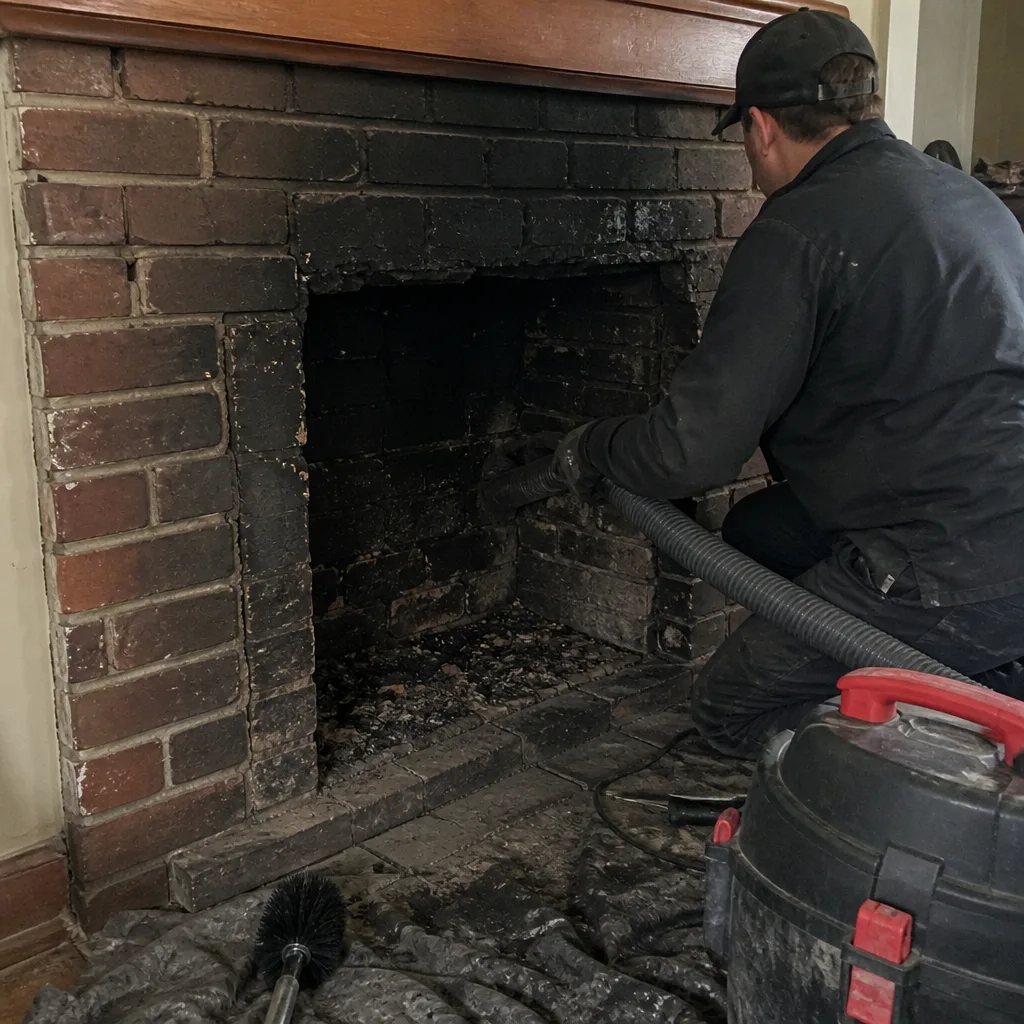 Before
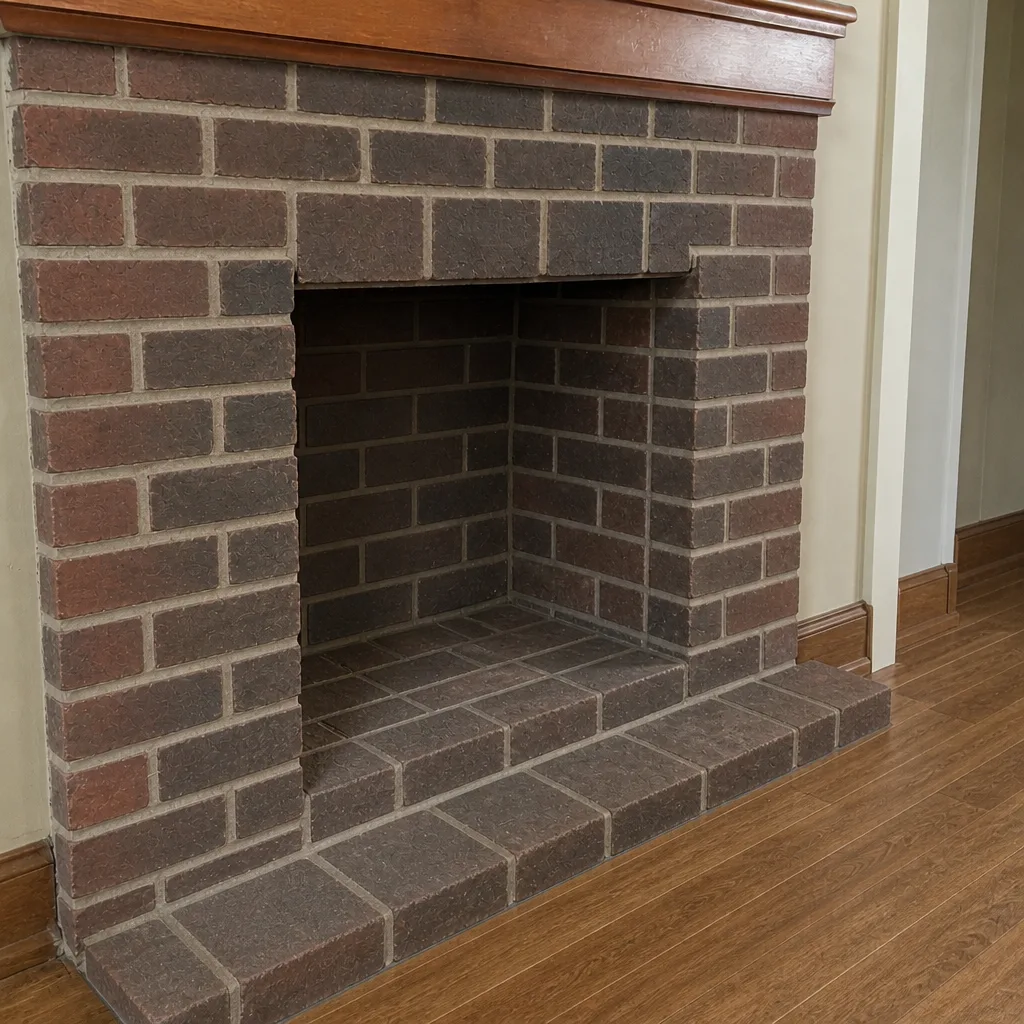 After
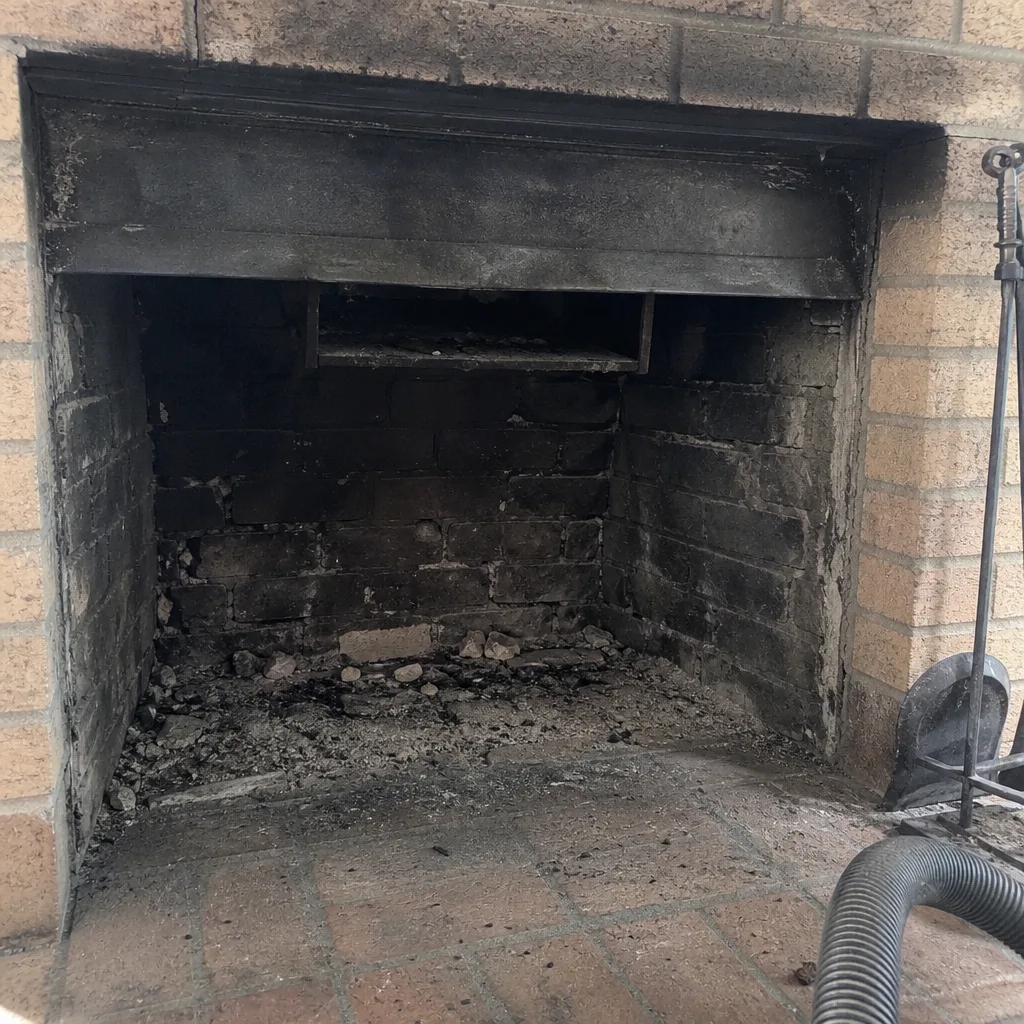 Before
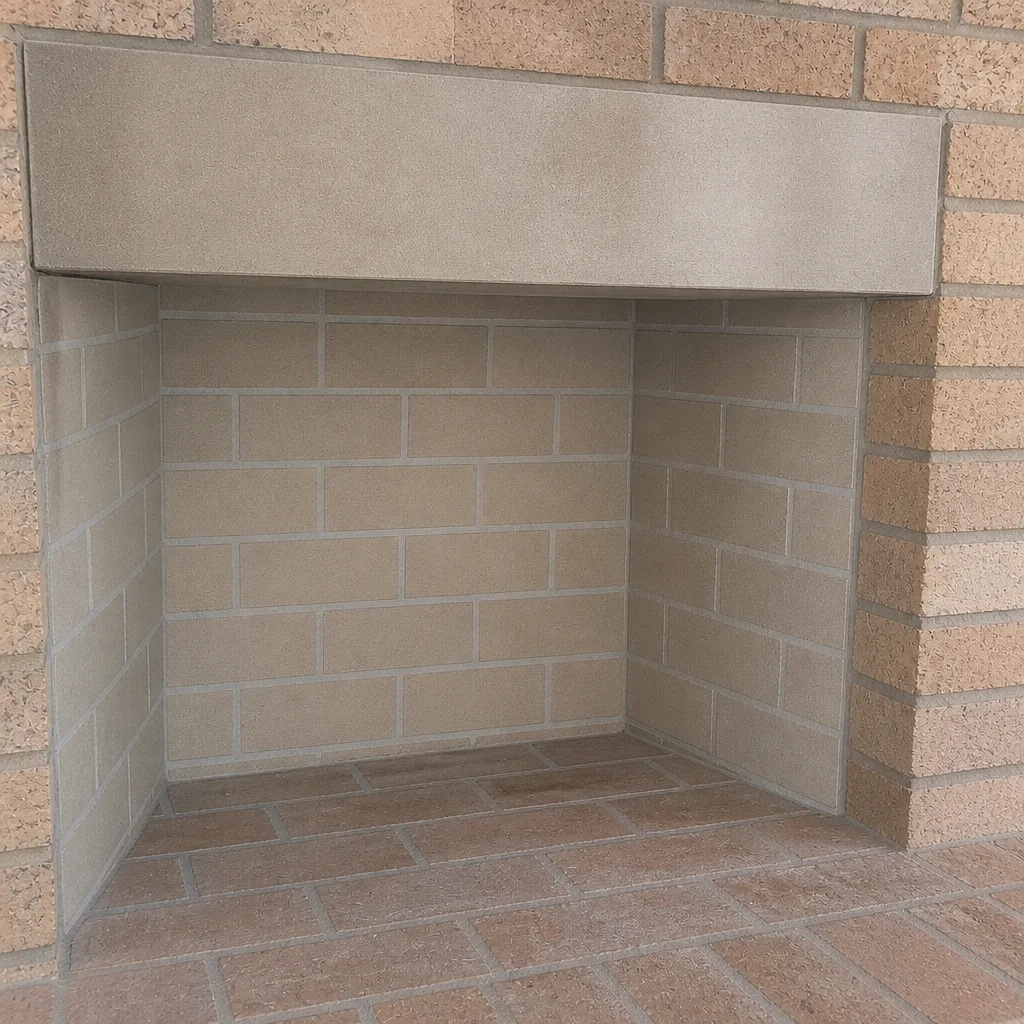 After
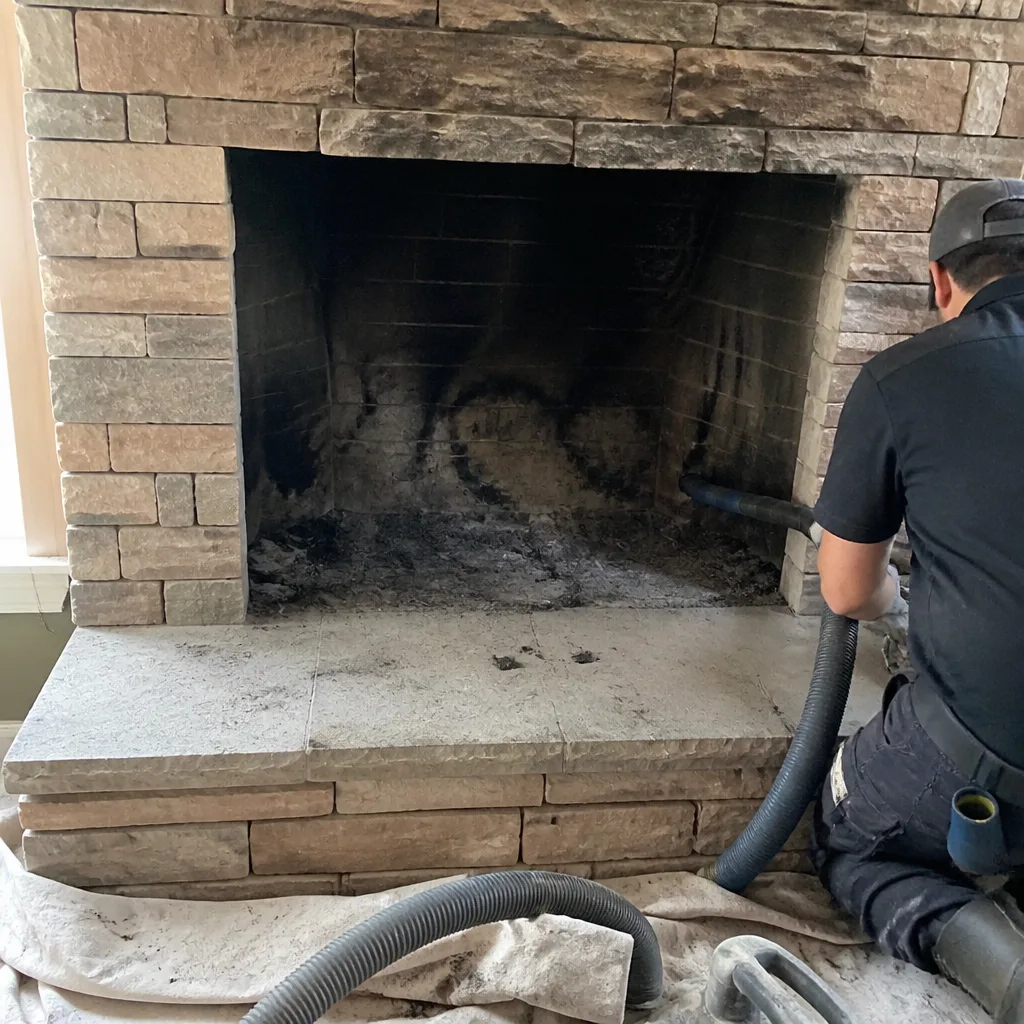 Before
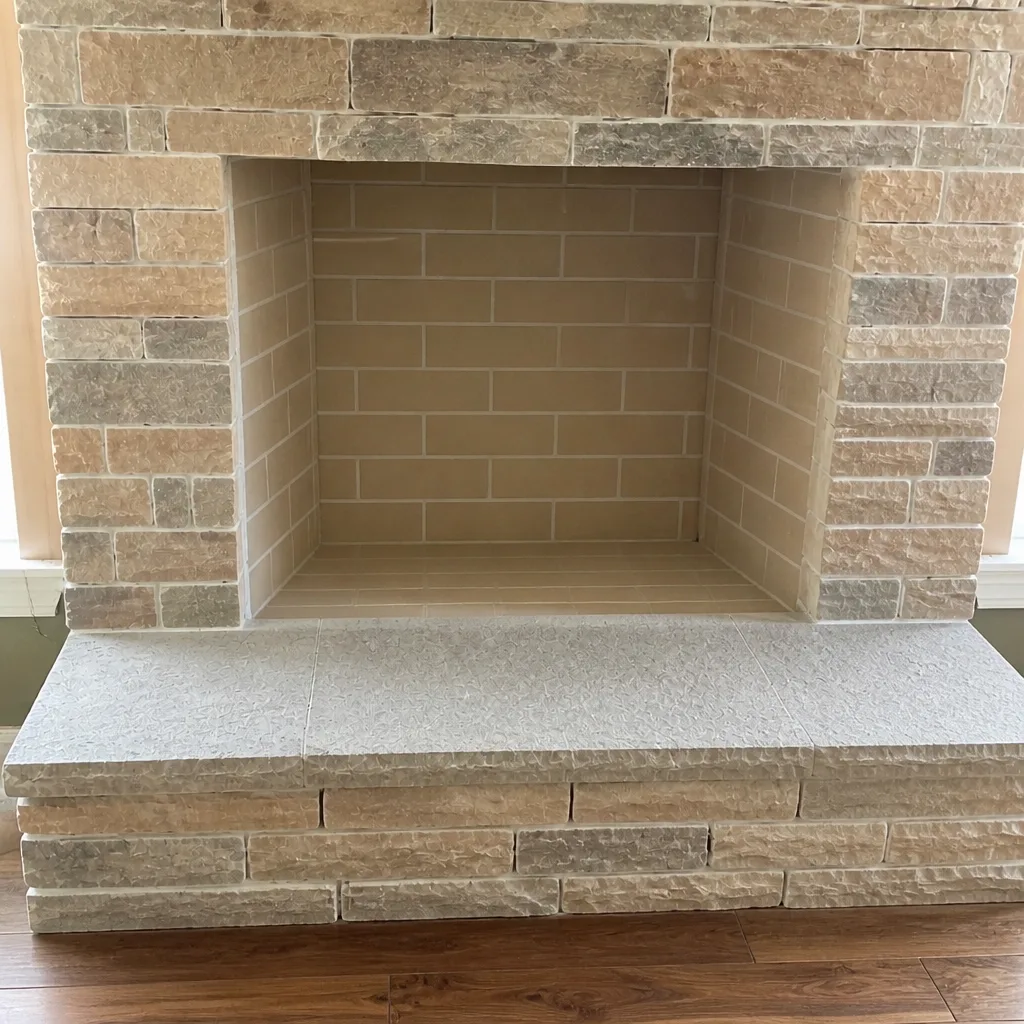 After
When to Call a Professional
Some things you can check yourself; others belong in the hands of a trained technician. Call a professional if you see a new crack or spalling in the firebox or smoke chamber, if smoke backs into the room when you light a fire, if you smell gas or suspect a venting problem (especially with a gas appliance), if the chimney cap or crown is damaged, or if it’s been multiple seasons since the chimney was swept or inspected. Get a professional in before the season starts if you plan to burn regularly, and don’t put off a gas-appliance inspection if your unit has never been checked. Sweeping, structural repair, and inspection are all part of one plan, which is why it helps to have them handled together. Chimney Sweep Centennial offers free estimates in Centennial. Call (833) 842-2139. We answer 24/7. Fast dispatch from 7am to 7pm, Sunday through Friday.
Frequently Asked Questions
For wood-burning chimneys, sweep based on use: every other year for light use (under 2 cords a season), once a year for moderate use (2-4 cords), and often a mid-season sweep too for heavy use (4+ cords). The coverage floor is to sweep whenever creosote reaches about 1/8 inch, which an inspection tells you. Gas appliances are inspected annually even though they need little sweeping. Call (833) 842-2139 for an exact schedule. Estimates are free.
Yes. NFPA 211 calls for an annual inspection even when there’s no combustion byproduct buildup, because the real risks with gas are venting problems, liner corrosion, and carbon monoxide. A technician checks the draft, the liner condition, the cap, and the connections. It’s the one appointment a gas appliance should never skip. Call (833) 842-2139 to book an inspection. Estimates are free.
Late August, before the burning season, and March, after winter. Late August gives you time to schedule any repair before your first fire, while March clears the winter accumulation and catches damage from the freeze-thaw cycle typical of the Front Range. Many Centennial homeowners use both windows; if you can only book once, late August protects the season. Call (833) 842-2139. We answer 24/7.
A basic flue brushing is sometimes something a careful homeowner can do, but the inspection that matters needs a trained eye. Cracks, spalling tile, glazed creosote, and damaged liners are easy to miss from the ground and hard to tell apart without experience. For a gas appliance or any history of trouble, leave it to a professional. Call (833) 842-2139 if you’re unsure what your flue needs. Estimates are free.
It changes the cadence, not the need. A properly sized stainless liner is smoother and easier to sweep, so intervals are predictable based on cord count. A clay tile flue leans more heavily on annual inspection to catch cracking and deterioration. Both still get inspected every year. Call (833) 842-2139 to schedule a sweep and inspection. Estimates are free.
Small problems grow. Creosote builds into a hardened glaze that’s much harder to remove, a hairline crack can widen and let moisture in, and a blocked or damaged vent can push carbon monoxide indoors, which is a serious health risk. In a Centennial home, regular maintenance is what keeps a small sweep from turning into a full reline. Call (833) 842-2139 to get on a schedule. Estimates are free.
The Bottom Line
A real chimney maintenance plan is built from how your system works, not the calendar. Light wood burning means a sweep every other year with an annual inspection; moderate use means a yearly sweep; heavy use may need a mid-season check. Gas appliances get inspected every year regardless of how little they burn. In Centennial, late August and March are the two windows that keep you ahead of trouble, while monthly self-checks catch change early. Liner material (clay tile or stainless) shapes your cadence, and a full-scope specialist handles cleaning, inspection, and repair together. Swept clean. Inspected thoroughly. Repaired to last.
Ready to get on a schedule? Whether you’re burning hard all winter or running a gas fireplace a few evenings a week, the right plan starts with an inspection. Our technicians have up to 13 years of experience, and we work with professional-grade materials from DuraFlex, HeatShield, Gelco, and Copperfield, because we use what professionals rely on, not what’s cheapest to stock. Call (833) 842-2139 for a free estimate. We answer 24/7. Fast dispatch from 7am to 7pm, Sunday through Friday.
Written by the team at Chimney Sweep Centennial.