
Last updated November 16, 2026
 Sweep & inspection
 Caps & crowns
 Flue relining
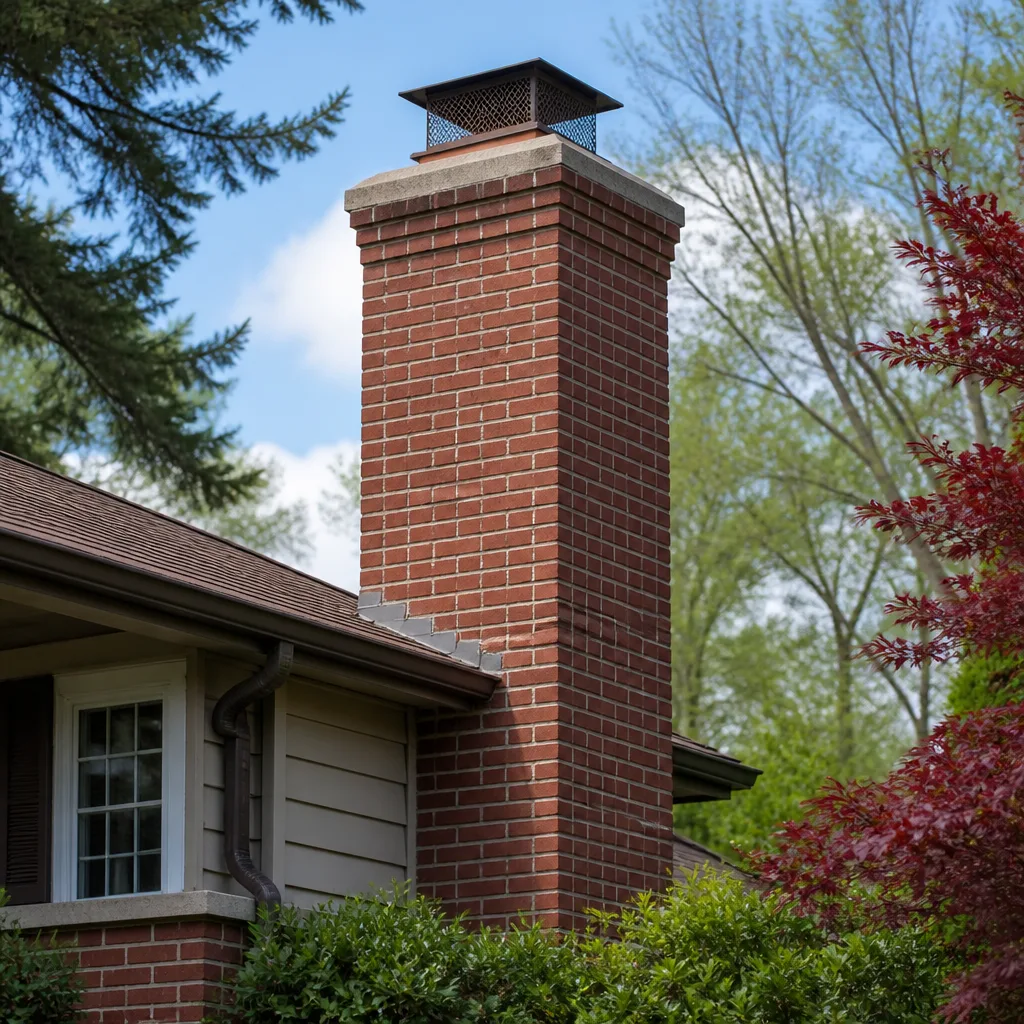 Masonry repair
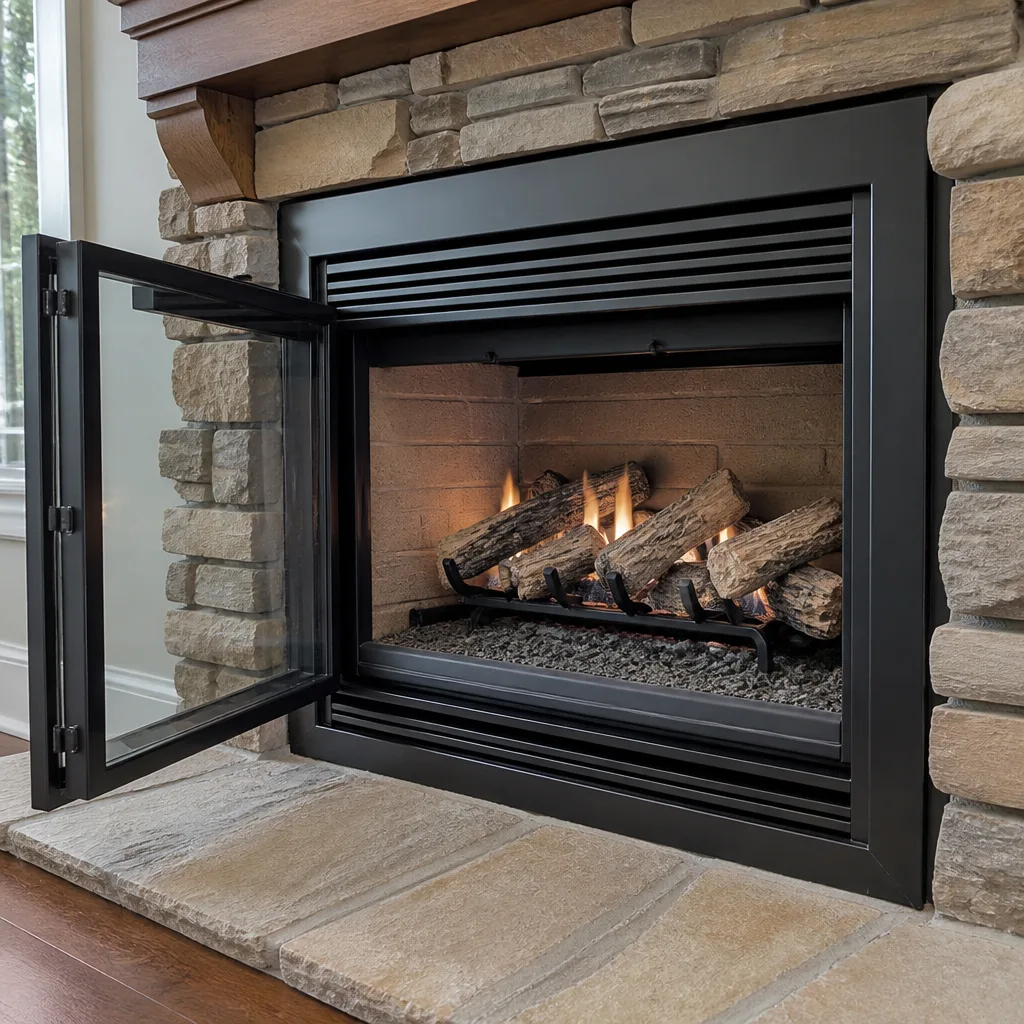 Gas fireplace service
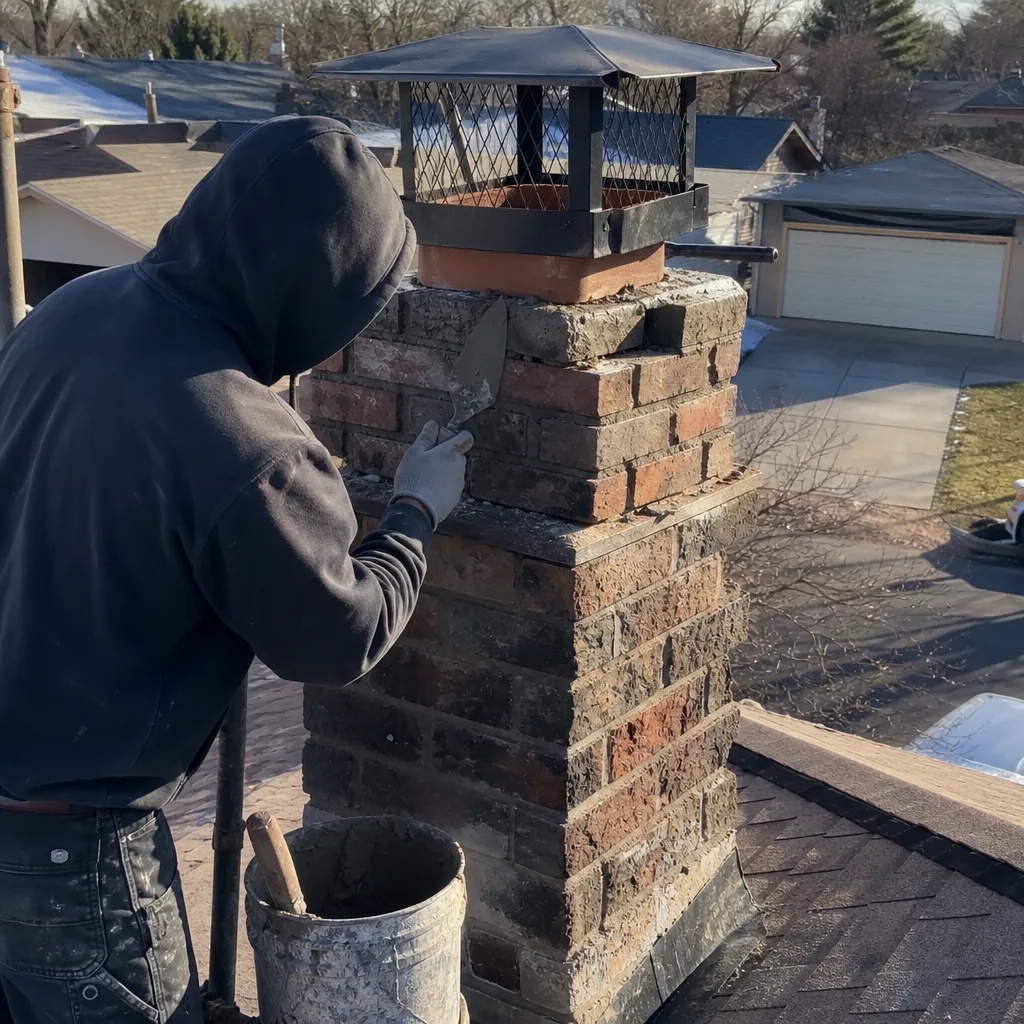
Level 1 sweep and inspection to the NFPA 211 annual standard - flue, crown, cap, and flashing checked and photographed
Chimney sweep logs do not sweep chimneys. They loosen some creosote - which then falls where a brush and vacuum still have to collect it.
Choosing the Right Chimney Cleaning Brand: A Buyer’s Guide for Centennial
The crown coat on your chimney can last four years or fourteen. The difference usually isn’t craftsmanship – it’s whether the technician applied a professional elastomeric formula or a hardware store sealant in a caulk tube. Most homeowners never learn which one went on their chimney, because nobody asks and nobody tells. Brand selection is the invisible variable in almost every chimney repair, and in a place like Centennial, where freeze-thaw cycles work on masonry all winter, that variable decides whether a repair holds or comes apart. This guide walks through the product categories where brand choice actually matters, what separates trade-distributed materials from retail substitutes, and how to ask a contractor what they use so the answer tells you something real.
Quick Answer
The right chimney brands to ask about are the ones sold through professional distribution rather than retail shelves – brands like DuraFlex for flexible stainless liners, HeatShield for liner resurfacing, Gelco and Saver Systems for crown and waterproofing chemistry, and Olympia Chimney, Famco, and Copperfield for caps, dampers, and venting components. These products are formulated and tested to a different standard than big-box equivalents, which is why the pros who install them specify them by name. In Centennial, where the freeze-thaw cycle is hard on exterior masonry, professional-grade waterproofing and crown materials are the difference between a repair that lasts a decade and one that fails by the second spring.
Styles & brands we work with
- Sweep & inspection
- Caps & crowns
- Flue relining
- Masonry repair
- Gas fireplace service
Table of Contents
- Why Brand Selection Matters in Chimney Work
- The Five Product Categories Where Brand Choice Decides Longevity
- Trade-Distributed Brands vs. Retail Alternatives: What Actually Differs
- Waterproofing in Centennial: Why Vapor-Permeable Beats Film-Forming
- How to Ask a Contractor What Brands They Use (and Read the Answer)
- The Cost Gap Between Pro and Retail Materials – and What It Means for You
- A Quick Checklist for Judging Material Standards
- Common Mistakes to Avoid
- When to Call a Professional
- Frequently Asked Questions
Why Brand Selection Matters in Chimney Work
Chimney work happens in an environment that’s hostile to almost everything you put into it. The flue interior swings between the temperature of hot combustion gases and the ambient cold of a Colorado night. The exterior masonry absorbs moisture from rain and snowmelt, freezes, expands, and cracks. Any material that goes into or onto the chimney has to survive that cycle repeatedly for years without losing adhesion, flexibility, or structural integrity.
That’s a tall order, and it’s where brand selection becomes more than a preference. A retail-grade sealant rated for general exterior use may hold up fine on a deck rail and fail in a single season on a masonry crown, because the crown sees far harsher conditions – direct sun, moisture, freeze-thaw, and thermal movement from the flue all at once. A flexible stainless liner engineered for the flue has to withstand continuous exposure to heat and corrosive creosote condensate; a generic stainless product on a hardware shelf may use an alloy that was never meant for that use.
In our experience, the failure isn’t usually dramatic. It happens slowly. A crown patch pulls away at the seam. A waterproofing coating bubbles and traps moisture underneath instead of letting it escape. A liner develops surface pitting that shortens its service life. None of those failures are visible until the damage behind them has already spread.
The question you’re really asking when you ask a contractor about brands is: are you specifying materials by what the chimney needs, or by what’s cheapest to stock at the supply counter? Those are two different answers, and they tell you almost everything about how the rest of the job will go.
The Five Product Categories Where Brand Choice Decides Longevity
Not every product in chimney service matters equally. Five categories account for the bulk of long-term durability concerns. Knowing them tells you what to ask about before any work begins.
1. Crown Sealants and Crown Repair Materials
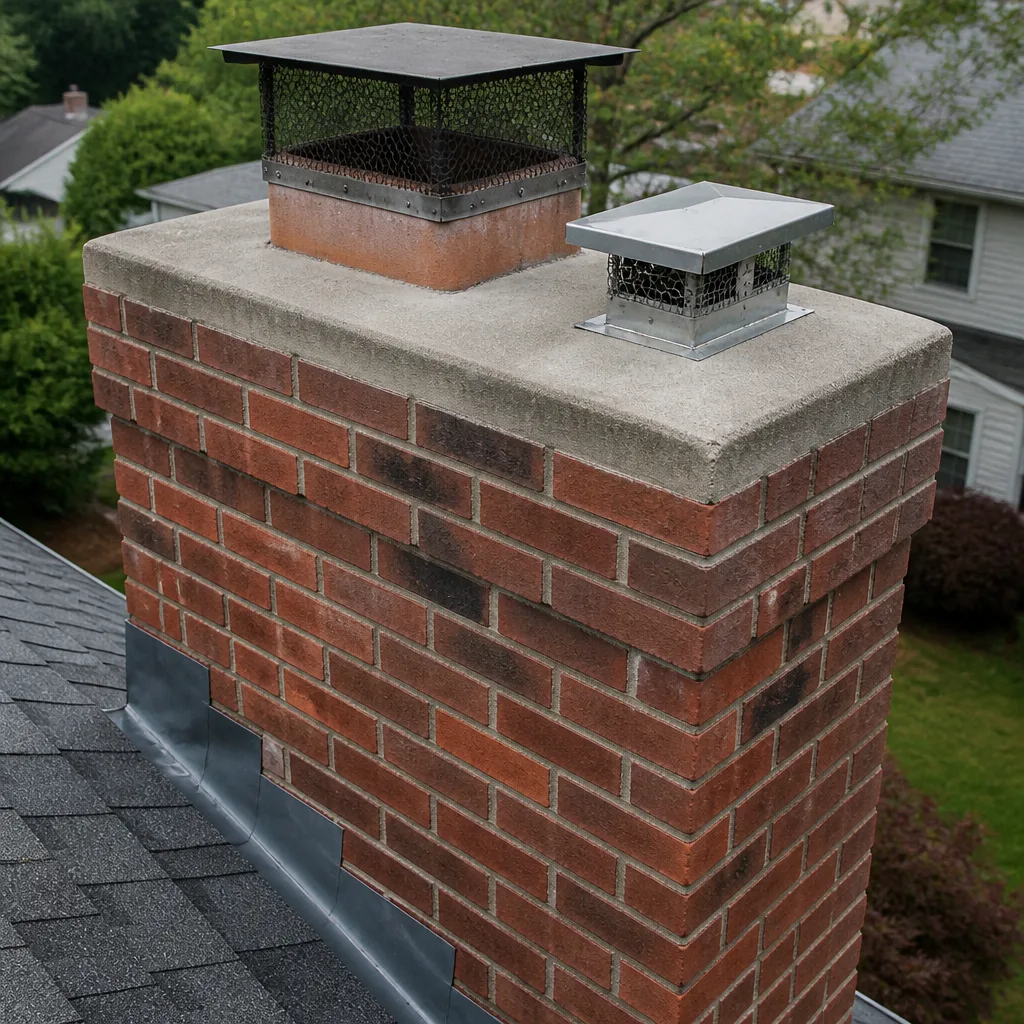
The crown is the concrete cap at the top of the masonry chimney, and it’s the first line of defense against water entering the flue structure. When it cracks or spalls, water gets into the chimney beneath it. Elastomeric crown sealants from trade brands are formulated to move with the crown as it expands and contracts; retail caulks labeled “concrete and masonry” often have far less flexibility and will crack along the same seam that started the problem. HeatShield’s crown repair products are specifically tested for this application and warranty use – retail alternatives simply aren’t tested to that standard.
2. Flue Liners
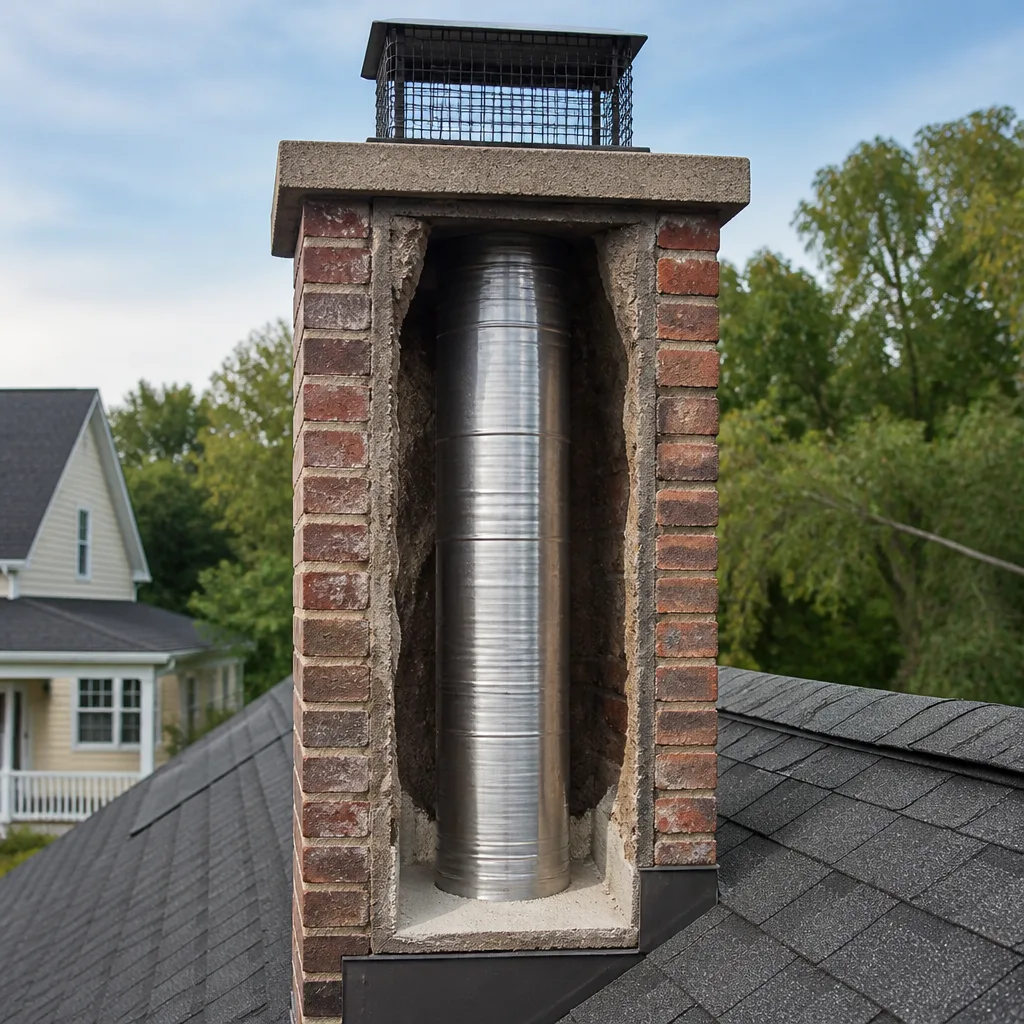
This is where material science matters most. A stainless steel flexible liner (DuraFlex is the most widely specified system in the trade) has to meet a specific alloy standard and wall thickness to resist heat and corrosion over its lifetime. Generic retail liners may look identical from the outside but use lower-grade stainless that develops perforations faster. The difference isn’t visible to a homeowner after installation – which is exactly why knowing the brand before installation matters.
3. Chimney Caps
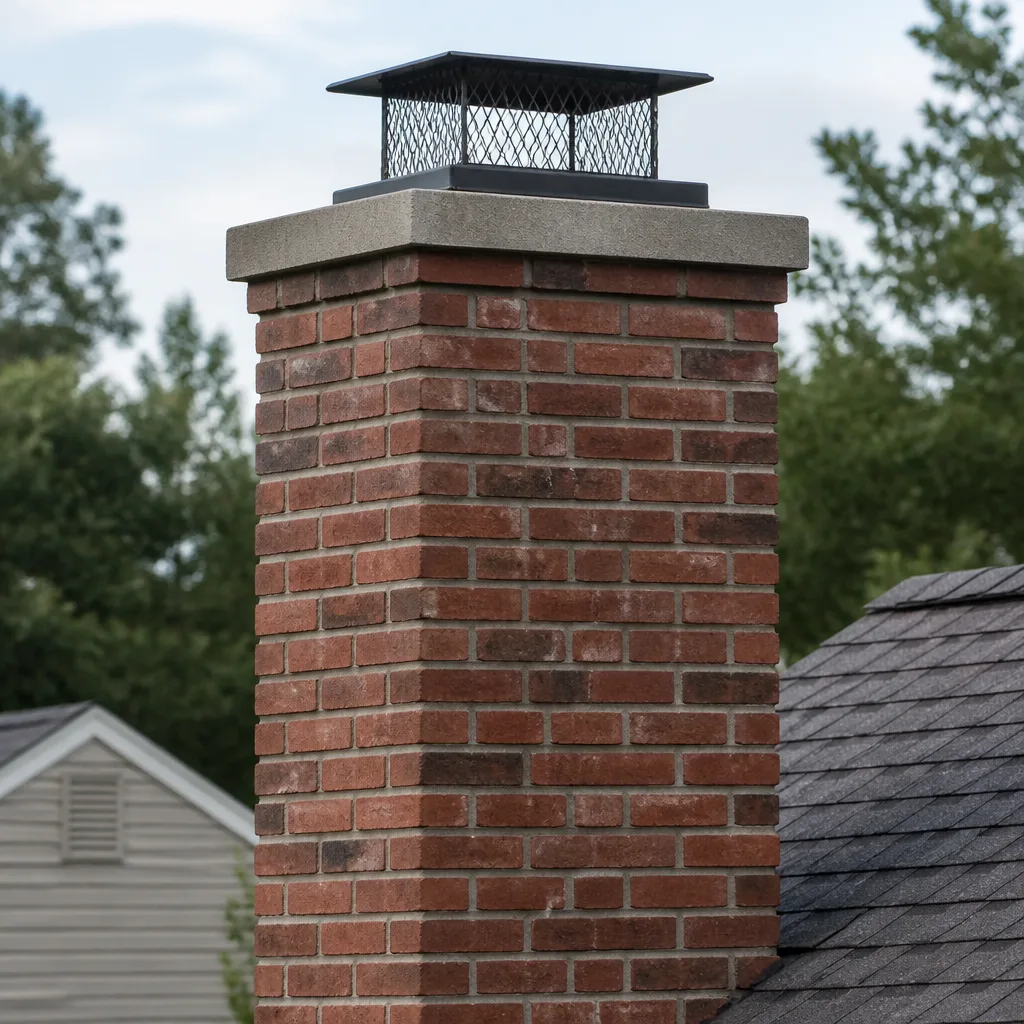
A cap keeps rain, animals, and debris out of the flue while allowing exhaust gases out. A poorly made cap rusts through in a handful of seasons, or the screen mesh fails and lets birds and squirrels into the flue. Brands like Olympia Chimney and Copperfield make caps in durable metals with mesh sized and fastened to hold up. Retail caps bought off a shelf and screwed on tend to be an expedient fix that doesn’t hold.
4. Waterproofing Agents
This is the category with the biggest gap between pro and retail. Professional masonry water repellents are vapor-permeable: they shed liquid water while letting trapped moisture vapor escape from inside the masonry. Retail “sealers” are often film-forming, which means they seal moisture in as well as out – and that trapped moisture freezes, expands, and spalls the brick from the inside. Gelco and Saver Systems both make professional vapor-permeable water repellents used across the trade.
5. Creosote Treatments
When creosote has built up to a certain stage, chemical treatment helps convert the harder glazed deposits into a form that can be swept out. Professional-grade creosote removers are formulated to work at the temperatures and phases found in a real flue; retail versions may be milder formulations that work only on light deposits. Stage 3 glazed creosote, the hardest kind, requires material specific enough that brand selection becomes a safety question, not just a quality one.
Trade-Distributed Brands vs. Retail Alternatives: What Actually Differs
Trade-distributed doesn’t mean “better packaging.” It means the product has been tested to standards the trade requires, sold only to contractors who use it correctly, and specified by warranty and code in ways retail products aren’t.
- Testing standards. Trade products like HeatShield and DuraFlex are tested to UL standards specific to chimney liners and repair systems. Retail products are often tested to general “concrete and masonry” standards that don’t address chimney conditions.
- Formulation specificity. Professional-grade crown sealants, water repellents, and creosote removers are formulated for a narrow application. Retail substitutes are usually formulated for a broad range of surfaces and none of them perfectly.
- Warranty language. Professional material warranties assume installation by a trained technician onto a properly prepared surface. Retail products almost never carry this condition, which means the manufacturer isn’t standing behind the same failure modes.
- Consistency. A trade brand makes the same formulation batch after batch. Retail shelf products are frequently reformulated to hit a price point.
- Installation knowledge. Trade brands generally come with technical support for the technician installing them. That support matters when a crown has odd contours or the flue is a non-standard size.
We use brands like Gelco, HeatShield, and DuraFlex in Centennial because they’re what the professionals who wrote the standards rely on. Not what’s cheapest to stock at the parts counter. When a homeowner at altitude in Centennial is choosing a contractor, the honest question isn’t “which brand is best” – it’s “does this contractor specify brands, and can they tell me why.”
Waterproofing in Centennial: Why Vapor-Permeable Matters
Centennial’s climate puts exterior masonry through repeated freeze-thaw cycles from late fall through early spring. Water that gets into brick or mortar expands about nine percent when it freezes, and that expansion is enough to spall the surface and open cracks. Whatever waterproofing protects that masonry has to do two things at once: shed meltwater off the surface, and let the moisture that’s already inside the wall escape as vapor before it freezes.
Film-forming sealers fail on the second job. They shed water off the surface, but they trap whatever moisture was already in the masonry behind a plastic-like layer. That trapped moisture freezes and pushes the sealer off from behind, which is why film-forming sealants peel and bubble rather than wear away. A professional vapor-permeable water repellent (the chemistry used in products like Gelco and Saver Systems) lets the masonry breathe. The moisture leaves, the brick stays dry, and the freeze-thaw stress drops dramatically.
For Centennial homeowners, this is the single most important product distinction in chimney work. Ask any contractor which water repellent they use and whether it’s vapor-permeable. If they say “masonry sealer,” ask for the product name and look it up. If they can’t tell you what they use, they’re either guessing or hiding something. A chimney repair done with the wrong waterproofing can actually make the original problem worse by sealing moisture in.
How to Ask a Contractor What Brands They Use (and Read the Answer)
You’re not trying to become a material scientist before hiring a sweep. You’re trying to get a straight answer to one question: does this contractor specify materials, or buy whatever’s on the shelf? Here’s how to ask so the answer tells you what you need.
- Ask by category, not by name. “What crown sealant do you use?” or “Which waterproofing product do you apply?” Ask a category question and let them name the product. If they answer in brand names, they know their materials.
- Ask why they chose it. A technician who knows their brands can tell you in one sentence why one product suits a particular job: vapor permeability, flexibility, alloy grade, UV stability. If the answer is “it’s what we’ve always used,” dig once more before you let that stand.
- Ask what they’d use for a specific situation. For example, “This chimney has hairline cracks in the crown – what do you use to seal those?” A professional will name a product (HeatShield crown repair, for example) and describe how it’s applied. A general handyman will talk about caulk.
- Ask whether the material is vapor-permeable. Specifically for waterproofing. If they can explain why vapor-permeable matters, they’re using the right product. If they say “it’s waterproof,” ask if it breathes.
- Look at the vehicle. If the technician shows up with materials from a hardware store box rather than trade packaging, that’s your answer.
- Ask for the product name in the written estimate. Or at least the category and the standard it meets. A written estimate that names materials is a contractor who expects to be held to them.
Our inspection-first approach in Centennial works the same way. We diagnose what the chimney actually needs by chimney sweep and camera inspection, then recommend materials that match that specific finding. Nothing gets recommended before we’ve seen what’s inside the flue, and no material gets specified because it was easier that way.
The Cost Gap Between Pro and Retail Materials – and What It Means for You
The material cost difference between a professional-grade crown sealant and a retail tube is modest: usually the difference between a bucket of professional product and a couple tubes of consumer sealant. For a full job, we’re not talking thousands of dollars – we’re talking tens or low hundreds of dollars in materials. The labor and access costs dominate any chimney job, not the materials.
What that means is the price signal you want to watch isn’t the material cost itself. It’s the repair cost when the cheaper product fails. A crown repaired with retail sealant may hold through one season and peel by the second, and the second repair costs the same labor again – often with additional masonry damage from water that got in during the failure window. That’s the actual number to compare against: not “a few hundred dollars more for pro materials now” versus “a few hundred dollars less,” but “pro materials and a durable repair” versus “retail materials and a repeat repair in two or three winters.”
Waterproofing is where the math is starkest. A film-forming sealer over cracked or spalled masonry in Centennial can trap moisture through a full freeze-thaw season and push the surface off, exposing the brick beneath. The repair moves from a $400-ish waterproofing job to a masonry repair job. That’s not a manufacturer’s scare tactic – it’s what the freeze-thaw cycle does to trapped moisture.
For Centennial homeowners weighing an estimate, the right question isn’t “which contractor quotes the lowest labor.” It’s “which contractor is specifying materials that suit this chimney’s exposure.” The labor is going to be roughly comparable; the materials are where the durability risk lives. Expect pricing per job by written estimate, and ask for that estimate to be specific about what gets applied.
A Quick Checklist for Judging Material Standards
Here’s a compact set of questions for anyone evaluating a chimney contractor’s material choices before booking a Chimney Sweep Centennial service or any other. A professional answer to most of these is a strong signal; vague answers to any of them deserve a follow-up question.
- What brand of flexible liner do you install, and what standard is it tested to?
- Which crown repair product do you use, and how is it applied?
- What masonry water repellent do you specify, and is it vapor-permeable?
- Do you carry caps, dampers, and venting components from trade brands (Olympia Chimney, Famco, Copperfield), or do you source them retail?
- How do you handle glazed creosote deposits – which treatment product and at what stage of buildup?
- Will the written estimate name the materials, or just the work?
- Do you sweep, inspect, and repair in-house, or do you subcontract the repair to someone else?
For Centennial readers using this guide to compare contractors, the checklist is the short version. The long version is the whole document – but the seven questions above will surface most of what you need to know before you commit.
Common Mistakes to Avoid
- Assuming “professional” on the invoice means professional-grade materials. The word professional appears on every product label from here to the hardware store. Ask for the specific brand and be suspicious if you don’t get one.
- Accepting film-forming waterproofing as “sealing.” In Centennial’s freeze-thaw cycle, a film-forming sealer on exterior masonry is a slow-motion problem – it traps moisture behind the surface and pushes the surface off from beneath.
- Letting a general handyman handle a liner or crown repair with retail products. A chimney liner is a high-heat environment. Retail products don’t have to meet the same temperature standards, so a repair that looks fine can be a hazard in the first burn season.
- Skipping inspection before repair. A repair without inspection is a guess. In Centennial, the same visible crack in a crown can mean anything from a cosmetic seal to a full reline – the difference is in what the camera shows.
- Assuming a swapped brand is “the same thing.” If a manufacturer’s name on the packaged product doesn’t match the brand quoted, ask why. A material substitution mid-job usually means someone ran out of the specified product.
- Choosing a sweep by price alone. The sweep cost is a small part of the total cost of ownership. What matters is whether the materials specified will last through Centennial’s next several winters without a repeat repair.
- Not asking about creosote stage. Glazed creosote requires specific treatment chemistry. A sweep who treats a stage-3 deposit like a light stage-1 buildup is using the wrong material for the job.
When to Call a Professional
Some situations call for a professional without delay. If you’ve just bought an older home in Centennial and don’t know when the chimney was last inspected, that’s the right time. If you’ve noticed creosote accumulation and the flue hasn’t been swept in a season or more, that’s the right time. If you see cracked or spalled masonry at the crown, dark staining on the exterior, or a damper that doesn’t move freely, that’s the right time. If you’re smelling a smoke or creosote odor inside the house even when the fireplace isn’t lit, that’s a sign of a drafting problem that needs a look. Any of those situations warrants a sweep and inspection, not a wait-and-see.
Chimney Sweep Centennial offers free estimates in Centennial – call (833) 842-2139. We answer 24/7. Fast dispatch from 7am to 7pm, Sunday through Friday.
Frequently Asked Questions
The brands worth asking about are the trade-distributed ones: DuraFlex for flexible stainless liners, HeatShield for crown repair and liner resurfacing, Gelco and Saver Systems for waterproofing and creosote chemistry, and Olympia Chimney, Famco, and Copperfield for caps, dampers, and venting. These are the materials professionals specify for durable repairs in a climate with hard freeze-thaw cycles. Call (833) 842-2139 for an exact quote – estimates are free.
Professional waterproofing is vapor-permeable, meaning it sheds liquid water off the surface while letting trapped moisture vapor escape from inside the masonry. Retail sealers are often film-forming, which traps moisture behind the coating. In Centennial’s freeze-thaw cycle, film-forming waterproofing on exterior masonry is a problem in the making. Ask the contractor the specific product name and whether it’s vapor-permeable before booking. Call (833) 842-2139 for an exact quote – estimates are free.
Yes, more than most homeowners expect. A poorly made cap rusts through in a few seasons or fails at the screen mesh, letting birds and animals into the flue. Dampers that don’t seal properly lose heat or allow cold air down when the fireplace isn’t in use. Brands like Olympia Chimney and Copperfield build to standards that hold up through repeated seasonal cycling. Call (833) 842-2139 for an exact quote – estimates are free.
The retail-to-professional material cost gap is usually modest – tens or low hundreds of dollars across a full job, versus the labor cost that dominates every chimney repair. The real difference shows up when a retail product fails and the repair has to be redone, often with additional water or freeze-thaw damage in the meantime. The price of the material is the small number; the price of a repeat repair is the big one. Call (833) 842-2139 for an exact quote – estimates are free.
Centennial’s climate alternates between freezing and thawing repeatedly through fall, winter, and early spring. That cycle puts exterior masonry and applied coatings through stress that milder climates don’t. The materials that survive are the ones formulated for exactly this exposure – professional elastomeric crown sealants, vapor-permeable water repellents, and stainless liners tested to standards that address heat cycling and corrosion. Call (833) 842-2139 for an exact quote – estimates are free.
The general recommendation is a sweep and inspection once a year for homes that use a wood-burning fireplace regularly. If you burn fewer cords per season, an inspection at the start of each heating season still makes sense, since creosote accumulation and drafting problems don’t announce themselves. Homes in Centennial that have gone more than a season without service should be inspected before the next fire is lit. Call (833) 842-2139 for an exact quote – estimates are free.
Ask before. The brand question is a pre-hire filter, not something to negotiate after the technician has already recommended work. Contractors who specify materials by name will tell you which brands they use and why in a two-minute conversation. Contractors who buy whatever’s cheapest will give you a vague answer to the same question. Use that before you book, not after. Call (833) 842-2139 for an exact quote – estimates are free.
The Bottom Line
Chimney durability in Centennial comes down to a handful of material decisions that most homeowners never see: a crown sealant, a water repellent, a flue liner, a cap, a damper, a creosote treatment. Trade brands like DuraFlex, HeatShield, Gelco, Olympia Chimney, Famco, and Copperfield perform measurably differently in freeze-thaw conditions than retail equivalents. The right question to ask any contractor isn’t “which brand is best” – it’s “which brands do you specify, and why.” The answer tells you almost everything about how the work will hold up. Read the estimate carefully, ask the seven questions, and choose the contractor who can answer them.
For chimney sweeping, inspection, and repair across Centennial, call Chimney Sweep Centennial at (833) 842-2139 for a free estimate. We answer 24/7. Fast dispatch from 7am to 7pm, Sunday through Friday. Our technicians have up to 13 years of experience, we work with the brands listed above, and we diagnose by inspection before recommending anything. Swept clean. Inspected thoroughly. Repaired to last.
Written by the team at Chimney Sweep Centennial.
See the difference
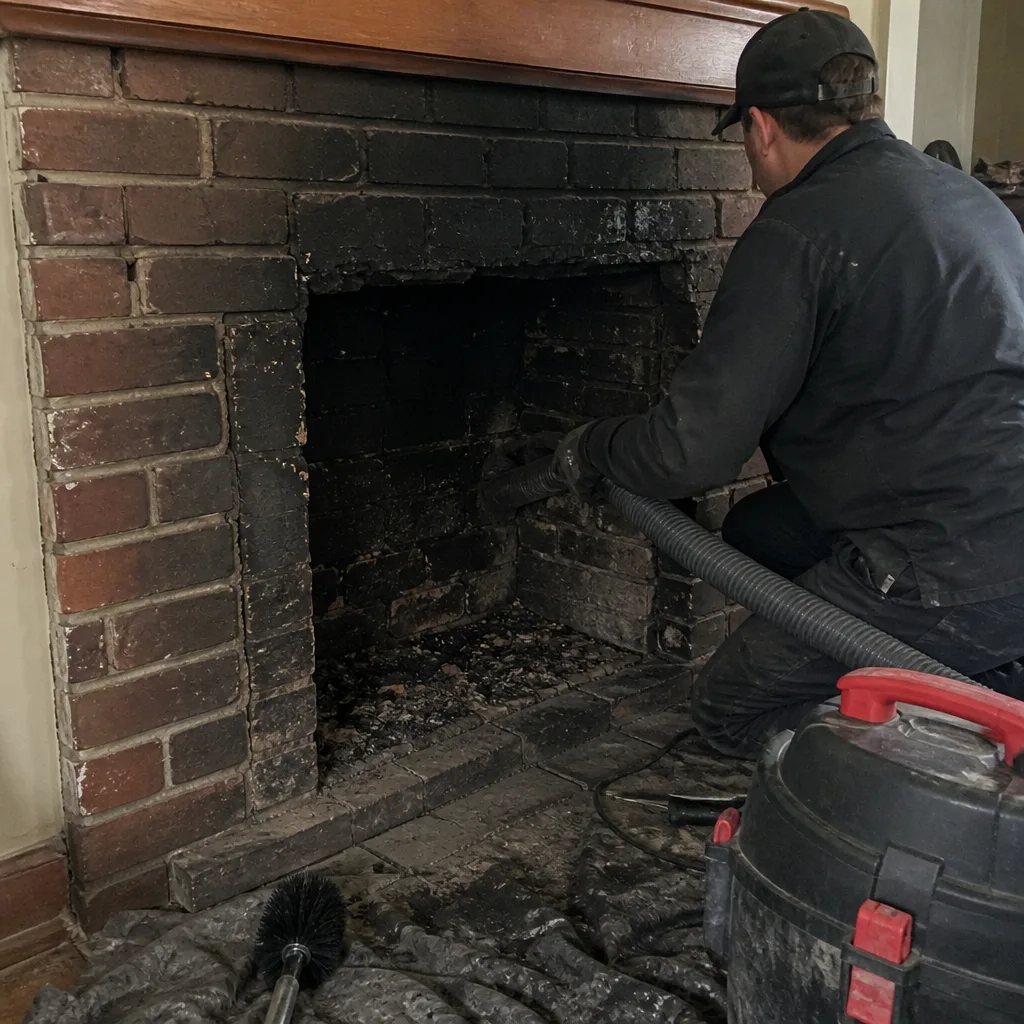 Before
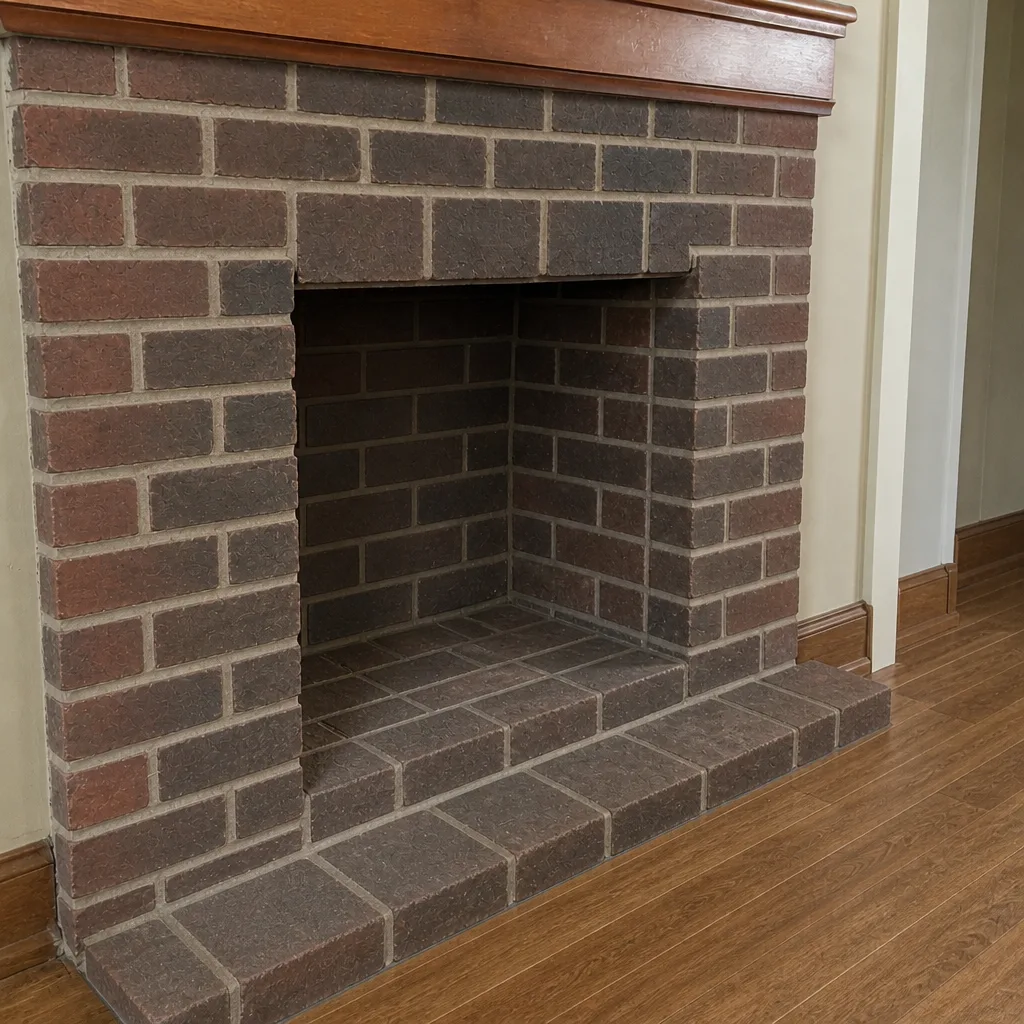 After
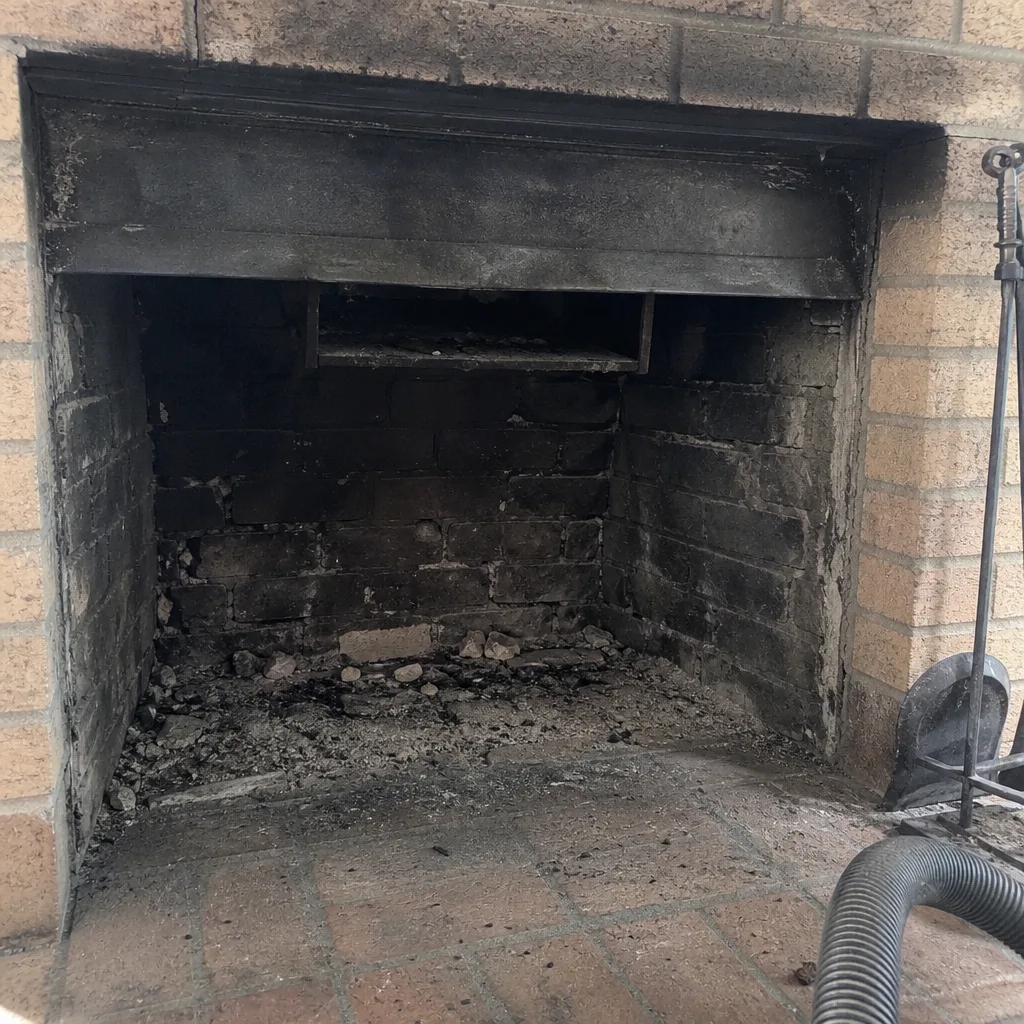 Before
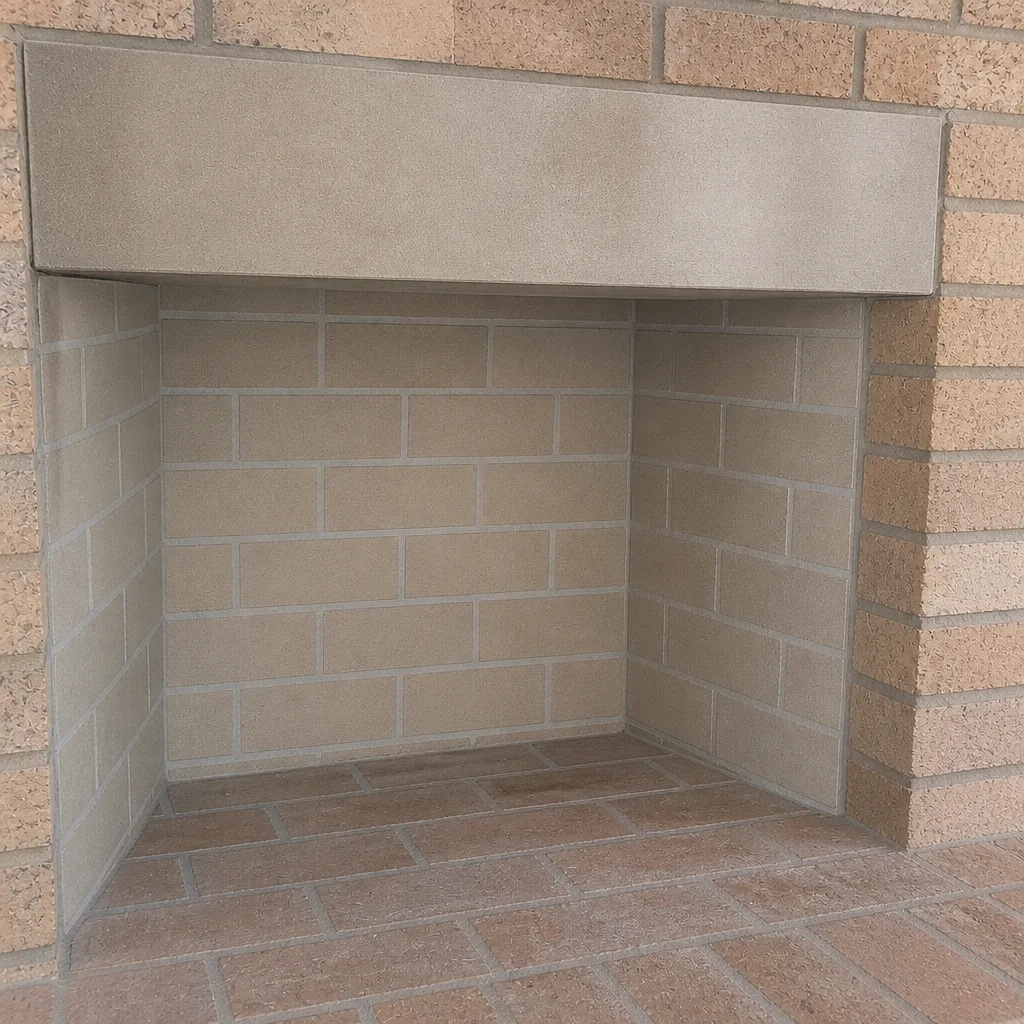 After
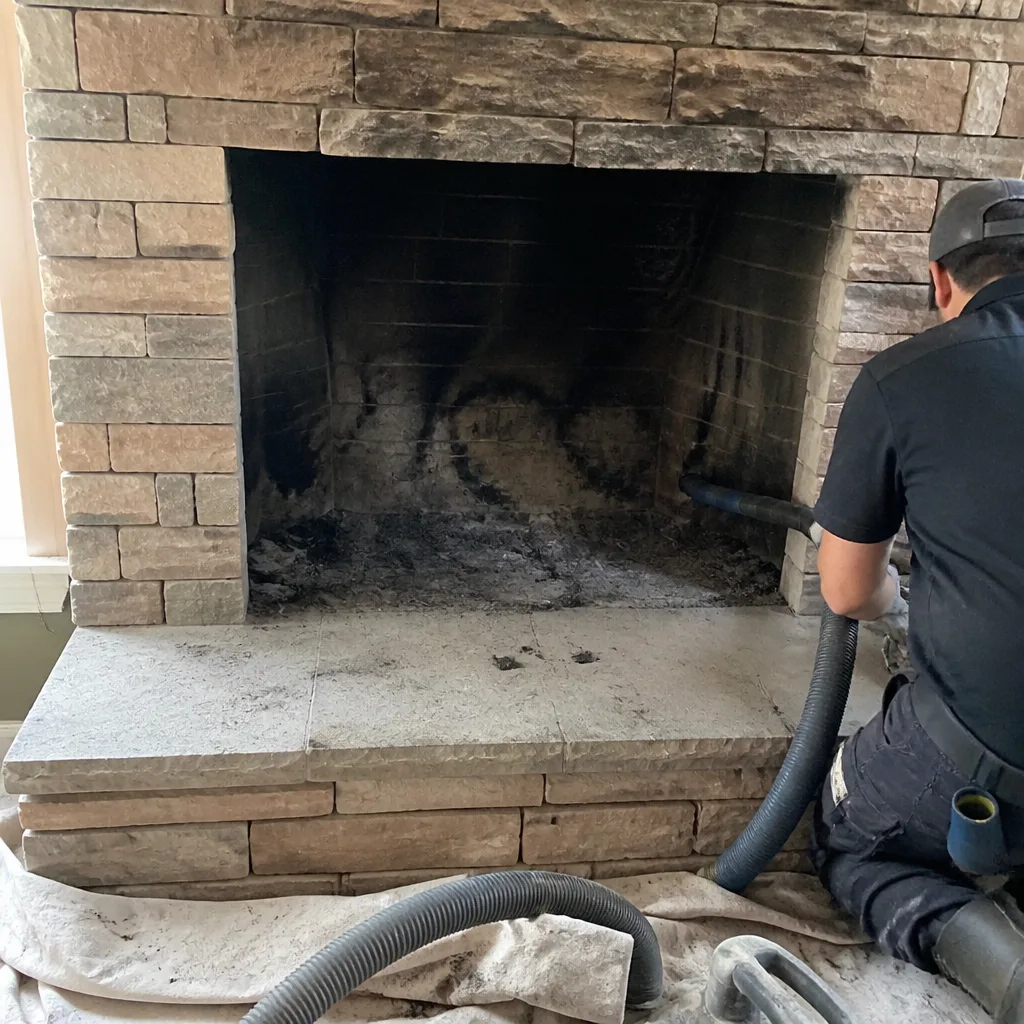 Before
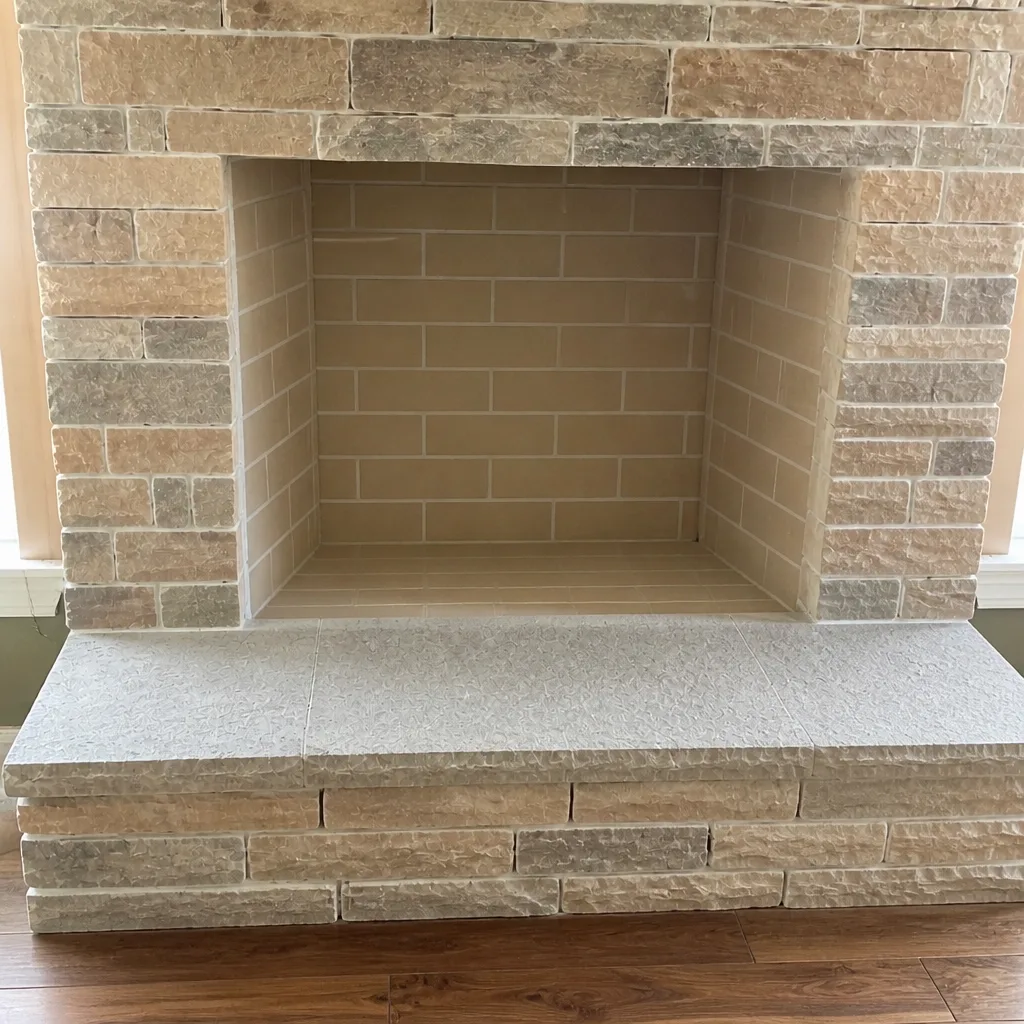 After