
Last updated November 16, 2026
 Sweep & inspection
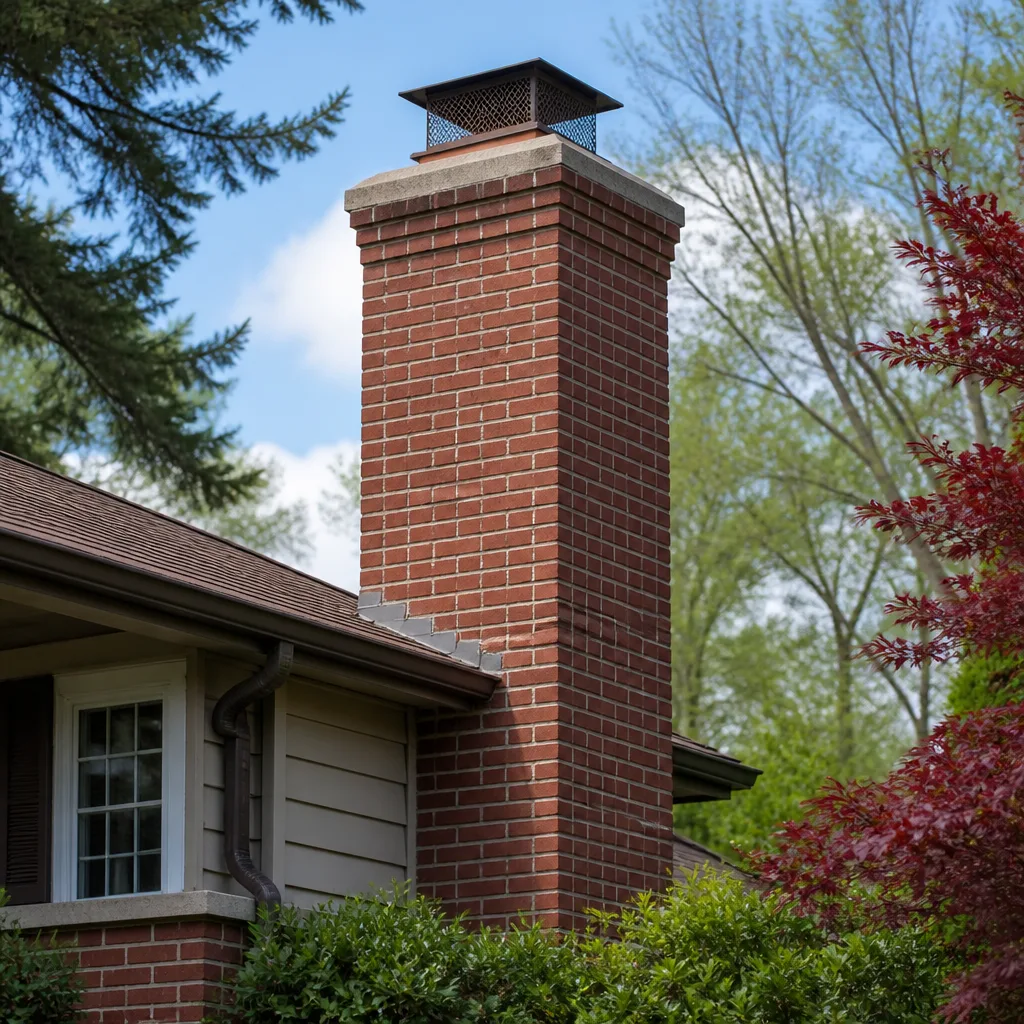
 Caps & crowns
 Flue relining
 Masonry repair
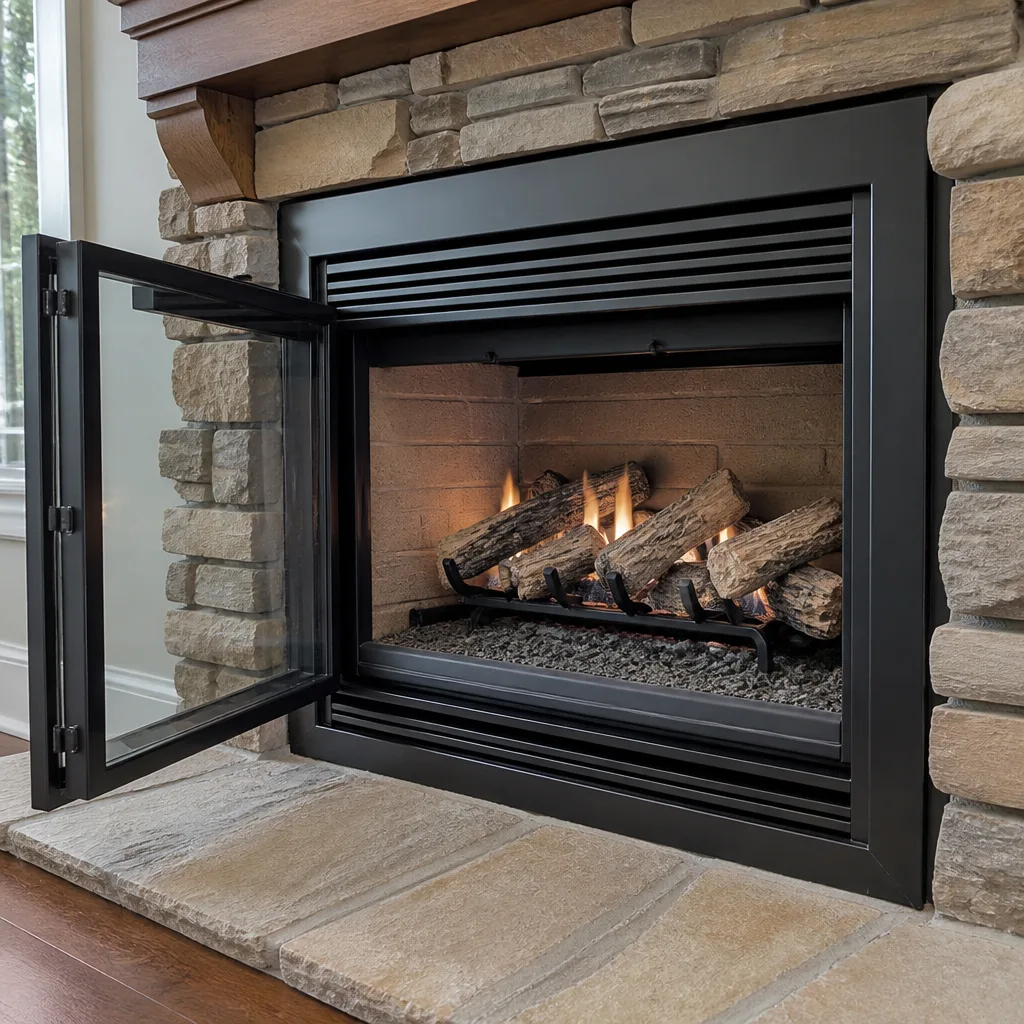 Gas fireplace service
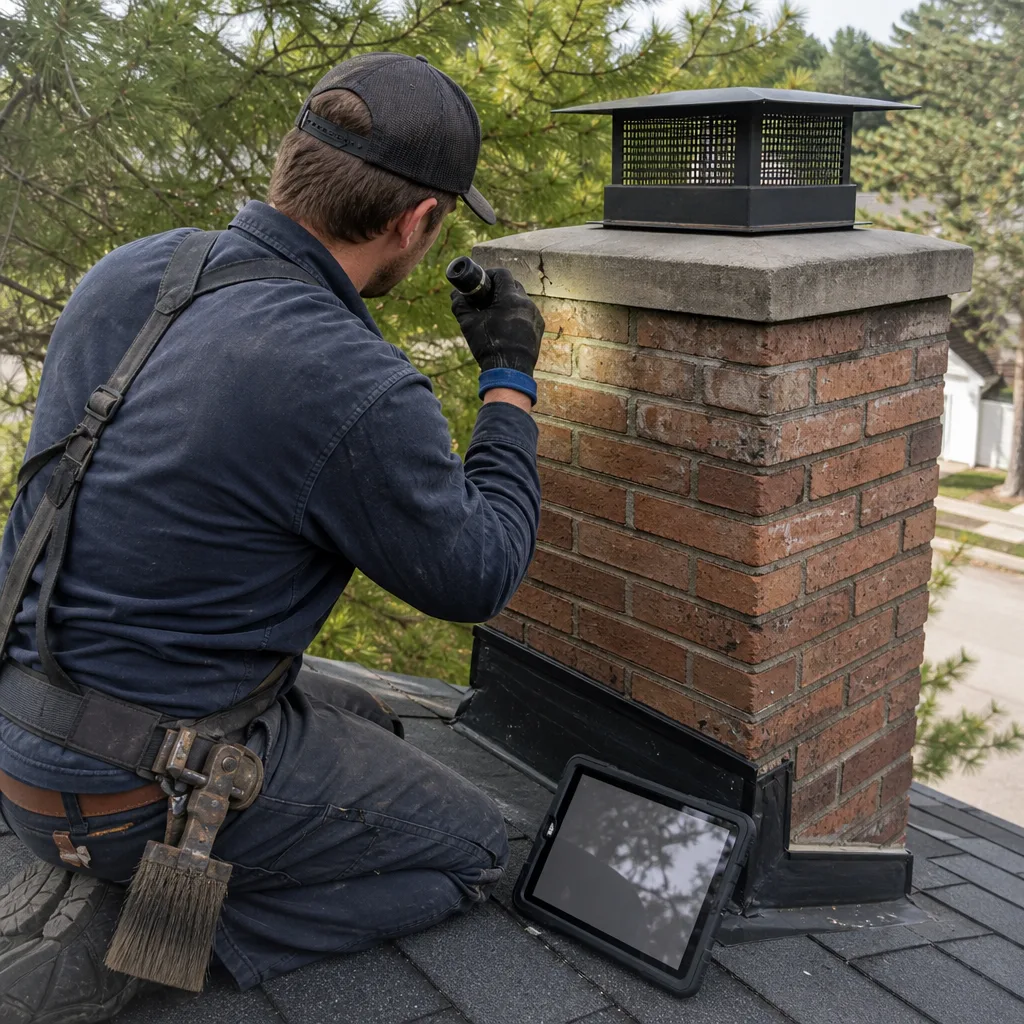
Level 1 sweep and inspection to the NFPA 211 annual standard - flue, crown, cap, and flashing checked and photographed
Chimney sweep logs do not sweep chimneys. They loosen some creosote - which then falls where a brush and vacuum still have to collect it.
The Complete Guide to Chimney Cleaning in Centennial
Most homeowners assume a chimney either works or it doesn’t. In Centennial, that assumption fails quietly and often. At roughly 5,900 feet, wood burns with less oxygen than it would near sea level, so fires run cooler and combustion finishes less completely. That produces more creosote, faster, than many people moving here from lower elevations ever expect. A flue that stayed clean for years somewhere else can load up in a couple of seasons at altitude. This guide explains what actually happens inside a Centennial chimney, how inspections are leveled, why Front Range wind causes backdraft, and how to read a technician’s report so you know what needs fixing now and what can wait.
Quick Answer
Chimney cleaning in Centennial means sweeping the flue free of creosote and soot, then inspecting the entire system – firebox, damper, flue, cap, and exterior – to confirm it vents safely. Most wood-burning chimneys here need sweeping once a year or after roughly a cord of wood, and the job is finished with a camera check and a written report. You should book a sweep when you see glaze on the flue walls, smell smoke in the room, or it’s been more than a season since the last service.
Styles & brands we work with
- Sweep & inspection
- Caps & crowns
- Flue relining
- Masonry repair
- Gas fireplace service
Table of Contents
- Why Centennial’s Altitude Changes How Your Chimney Fouls
- Creosote Stages and What They Mean for Your Flue
- Level 1, 2, and 3 Inspections: Which One You Need
- Front Range Wind and Backdraft Problems
- What Professional Rotary Cleaning Does That Brushes Miss
- How to Read Your Inspection Report
- How Often Should You Schedule a Sweep?
- What Chimney Cleaning Costs in Centennial
Why Centennial’s Altitude Changes How Your Chimney Fouls
Combustion needs oxygen, and the air over Centennial carries less of it per breath because the town sits high on the plains west of Denver. A fire burning in thinner air gets less oxygen for the same volume of wood, so it burns cooler and leaves more unburned material behind. That material – creosote – is what coats your flue and what makes a chimney dangerous if it builds up unchecked.
The practical result is that a Centennial wood-burning fireplace tends to produce creosote faster than the same fireplace would at a lower elevation. Homeowners who moved here from the Midwest or the coasts often notice this within a season or two: the flue that used to stay reasonably clean now shows a dark, sticky film by spring. Nothing is wrong with the chimney. The environment simply asks more of it.
Altitude isn’t the only local variable. Centennial’s semi-arid climate swings hard between cold snaps and warm spells through the winter. A stretch of mild days followed by a sharp freeze creates condensation cycles inside the flue. Moisture mixed with soot and unburned wood gas is what turns a soft, brushable deposit into a hard glaze that resists ordinary cleaning. The freeze-thaw rhythm also works on masonry, opening small cracks in the crown and mortar joints that let water in and draft performance out.
The takeaway for anyone searching for reliable chimney care in Centennial: treat altitude and climate as active parts of your maintenance schedule. A sweep done on a lower-elevation timetable often arrives a season too late here. We adjust the rhythm for the local environment rather than the calendar alone.
Creosote Stages and What They Mean for Your Flue
Creosote forms in three recognizable stages, and each stage calls for a different response. Knowing which one you’re looking at tells you whether a standard sweep will do the job or whether the flue needs something more involved.
- Stage one – soot and soft flake. A dusty, easy-to-brush layer that comes off with routine sweeping. This is normal buildup and the best time to catch it.
- Stage two – hard, crusty deposit. A baked-on layer that clings to the flue walls and takes rotary tools and professional-grade brushes to remove. Left alone, it thickens toward stage three.
- Stage three – glazed creosote. A shiny, tar-like coating that seals the flue surface. It’s highly combustible and resists standard brushes. This is the stage that calls for specialized treatment before the chimney is safe to use again.
Our technicians have up to 13 years of experience, and in that time the pattern we see in Centennial is consistent: the cool-burning, high-altitude fire pushes deposits toward stage two and stage three faster than homeowners anticipate. A flue that looks lightly coated from the firebox can hide a hard glaze higher up, which is why we run a camera through the flue rather than judging from the bottom.
When we find stage-three glazing, a plain brush won’t fix it. We use products built for the job – Gelco chemical treatments and HeatShield resurfacing where the flue surface needs rebuilding – so the deposit is removed and the flue wall is restored, not just scraped. From liner to cap, we work the whole system so the fix holds.
Level 1, 2, and 3 Inspections: Which One You Need
Chimney inspections are classified in three levels, and the right one depends on what changed since the last service. Matching the level to the situation is how a chimney gets an honest assessment without unnecessary work.
- Level 1 – a routine annual check. This covers the readily accessible parts of the system: firebox, damper, flue from below, and the exterior where visible. It’s the right choice when nothing about the chimney or the appliance has changed and you’re maintaining a known-good system.
- Level 2 – a camera and full-access inspection. Required after any change in the system’s condition, a chimney fire, a change of appliance, or a new occupancy. It uses a camera to examine the flue interior and checks accessible parts of the attic, crawlspace, and roof. In Centennial, where freeze-thaw works on masonry year after year, a Level 2 is the standard we recommend when a home changes hands or an older chimney gets its first professional look.
- Level 3 – a diagnostic inspection. This applies when a Level 1 or Level 2 turns up a serious defect that can’t be diagnosed from accessible areas, and it may involve opening walls or concealed spaces. It’s reserved for specific problems, not routine service.
Inheriting an older Centennial home is the most common reason we recommend starting at Level 2. A new owner has no service history, and the flue may carry years of unreported deposits or a liner that was never properly installed. A camera inspection is the only honest way to know what the flue actually needs.
Front Range Wind and Backdraft Problems
Backdraft is what happens when smoke that should rise up the flue gets pushed back into the room. Along the Front Range, wind patterns rolling off the mountains and across the plains make this a recurring issue, and it often shows up as odor or smoke intrusion long before any visible buildup appears in the firebox.
The telltale signs are easy to miss at first. You might smell a cold, ashy odor in the living room on a windy day with no fire burning. You might notice smoke curling out of the fireplace opening when you first light a fire, or a downdraft that steadies after a few minutes but returns when the wind picks up. Some homeowners notice soot streaks above the firebox or on the mantel.
Several things cause backdraft, and they don’t always relate to cleaning. A flue that’s too short for the house, a blocked or missing cap, a pressure imbalance from a tightly sealed home, or a chimney that shares space with an exhaust fan can all pull smoke the wrong way. Some of it is about buildup; some is about the system’s design.
Here’s the practical part: backdraft can push carbon monoxide the wrong direction too, not just smoke. That makes it a safety question, not a nuisance. If you smell smoke in a room when no fire is lit, or your carbon monoxide detector has ever triggered near the fireplace, stop using the chimney until it’s inspected. We check the cap, the flue dimensions, and draft performance together, because a fix that only addresses the symptom tends to return.
What Professional Rotary Cleaning Does That Brushes Miss
A hand brush works on a clean, modern flue. On the older masonry chimneys common in parts of Centennial, it often leaves a hard layer behind on the flue walls – especially the stage-two crust that builds up in a cool-burning, high-altitude fire. That’s where professional rotary systems come in.
Rotary cleaning uses a powered spinning head fitted with the right brush for the flue’s material. The spinning action whips the brush against the flue wall from every angle, which cleans the full circumference of irregular brick flues rather than skimming the center. Old masonry flues are rarely perfectly round, and their offset joints and pitted surfaces trap deposits a straight brush can’t reach.
There’s a second difference that matters just as much: the rotary head runs alongside a high-powered vacuum, so the soot it dislodges is captured rather than drifting into the living space. In our experience, this is what separates a professional service from a quick sweep that leaves a dust film on the furniture.
We also match the tool to the deposit. Soft soot comes off with a standard brush; crusty stage-two buildup takes a rotary head; glazed stage-three creosote needs chemical treatment and, often, resurfacing. That’s why we keep recognized industry brands on hand – DuraFlex for flexible relining when a flue needs a new inner surface, HeatShield for resurfacing, and the Copperfield and Famco components that finish the job with caps, dampers, and venting that fit the system. The right material for the repair, not whatever’s easier to source.
How to Read Your Inspection Report
An inspection report should tell you exactly what your chimney needs, in plain terms, with evidence you can see. The worst outcome for a homeowner is being told a flue needs expensive liner or masonry work with no way to verify it. That’s a report failing at its job.
When you review a report, look for three things: a photo or video of each finding, a clear distinction between urgent and non-urgent items, and a written explanation of what each deficiency means. We include a camera inspection and photo report with every sweep so you can see exactly what we saw.
Here’s how we sort findings, and how you can read them:
- Address now – do not burn until fixed. Cracked or missing flue tiles, gaps in the liner, glazed creosote, a damaged crown that lets water into the masonry, or a blocked flue. These are the items that affect safety or fire containment.
- Schedule soon – before the next heating season. Worn damper parts, a cap that’s loose or damaged, minor mortar joint erosion, or a flue that’s approaching stage two. These hold up fine if addressed on a planned basis.
- Monitor – note it and re-check next sweep. Surface-level cosmetic wear, a hairline crack in the smoke chamber that isn’t progressing, or a component that’s aging but still functioning.
The distinction matters because your chimney is a system, not a single part. A slight draft problem and a damaged cap might both show up as “smoke in the room,” but one needs a repair and the other might need only a new cap. Nothing gets recommended without the camera evidence to back it up, and when work can safely wait, we say so.
How Often Should You Schedule a Sweep?
The general rule is an annual sweep for a chimney in regular use, plus a sweep after every cord of wood burned. In Centennial, the altitude and the freeze-thaw climate both argue for treating that annual marker as a starting point rather than a ceiling.
Several signals should push you to book sooner than twelve months:
- A shiny, glazed appearance on the flue walls, which means stage-three creosote is forming.
- Smoke backing into the room when the fire is lit, or a smoky odor on windy days.
- Soot streaks above the firebox or on the mantel.
- More than a cord of wood burned in the last heating season.
- Burning wood that wasn’t fully seasoned, which loads the flue faster.
- A new home or a chimney that hasn’t been serviced in more than a season.
Gas appliance chimneys run on a different rhythm. Gas produces far less creosote, but it still leaves deposits and corrosion can affect the vent. An annual inspection keeps that in check, and it’s cheap insurance against a problem that hides in a flue you never look inside. Our free estimate covers the sweep and the inspection together, so you’re never guessing whether you skipped a step.
What Chimney Cleaning Costs in Centennial
A chimney sweep in Centennial typically runs a flat price based on the flue’s condition and access, and the written estimate you receive before booking sets the final cost. We price per job rather than by the hour, so you know the number before any tool comes out of the case. The table below shows the kind of ranges homeowners should expect for the most common work:
- Standard sweep, accessible flue: flat-priced per job, quoted from the inspection.
- Level 1 inspection: usually included with the sweep.
- Level 2 camera inspection: a separate line item, priced when it’s needed.
- Stage-three glazed creosote treatment: priced as a repair, after the sweep reveals the deposit.
- Liner resurfacing or relining: a repair cost quoted from what the camera finds, not guessed upfront.
We don’t discount the price for a reason: the estimate is the same whether or not you book, and the sweep is the same job whether the flue turns out easy or loaded. The range you see in the written estimate is the one that applies, and anything outside it gets explained and approved before we start.
Not every report leads to a repair. Some flues are swept and released; some need a cap or damper replaced; a few need liner work. Reading the inspection honestly, then pricing the work from what it found, is how you avoid both the unnecessary upsell and the deferred repair that turns into an emergency.
Common Mistakes to Avoid
- Judging the flue from the firebox. Creosote doesn’t build evenly, and a clean-looking bottom can hide a glazed upper flue. In Centennial’s cool-burning fires, the heaviest deposits often settle higher than the eye can reach from the hearth.
- Waiting for a warning sign before booking. A chimney fire and a slow-burning glazed flue can both give little warning. The cheap move is the annual sweep, not the repair that follows years without one.
- Burning green or unseasoned wood to save money. Wet wood burns cooler, produces more creosote, and does it faster at altitude. Seasoned wood costs a little more and loads the flue with far less.
- Trusting a sweep that never cameras the flue. A brush down the chimney without a camera check is a guess, not an inspection. You should be able to see what was found.
- Ignoring a smoky odor on windy days. Backdraft in the Front Range wind is easy to write off as “just the house.” It’s often the first sign the draft path needs attention.
- Approving expensive work on a verbal recommendation. Liner and masonry work should be tied to a photo or video finding you can review. Nothing gets recommended without the camera evidence to back it up.
- Assuming a new cap fixes an old flue. A cap addresses one part of the system. If the flue itself is glazed or damaged, a new cap changes nothing about the creosote underneath.
See the difference
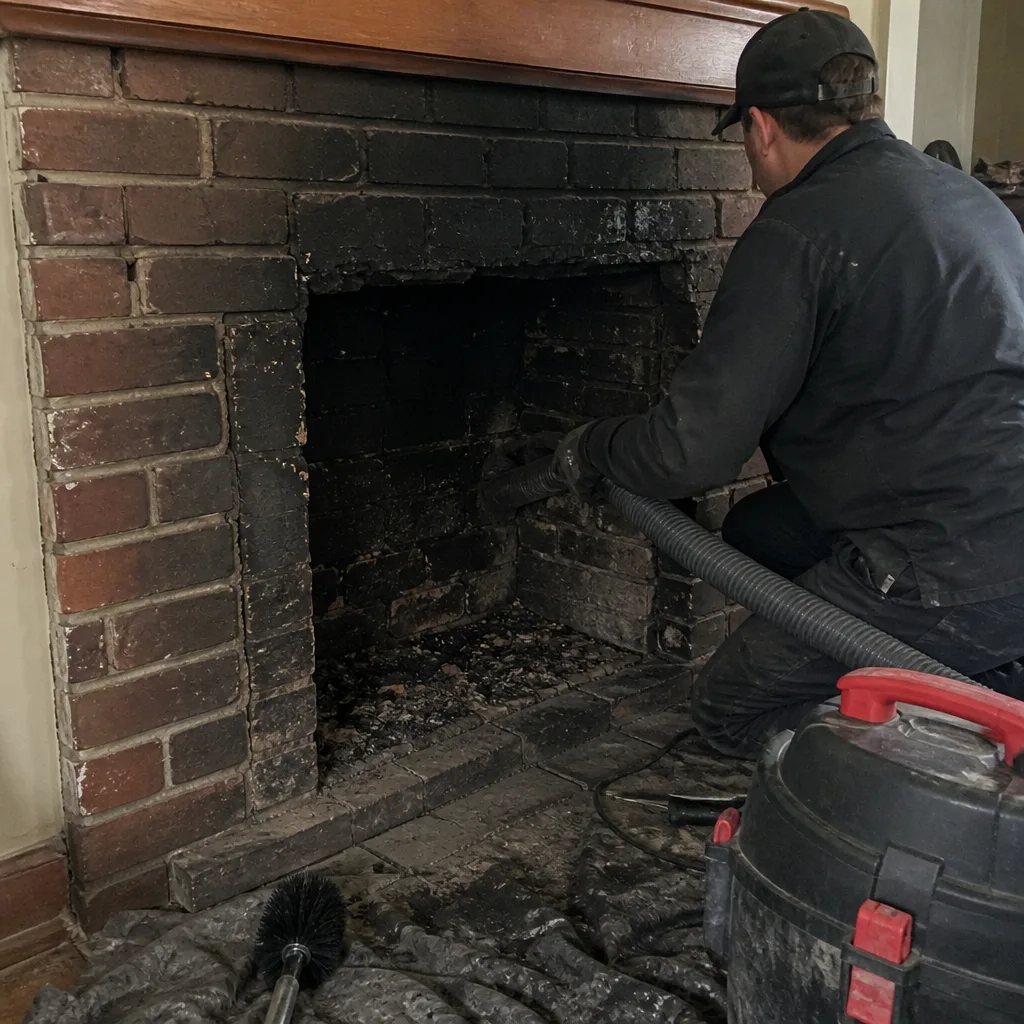 Before
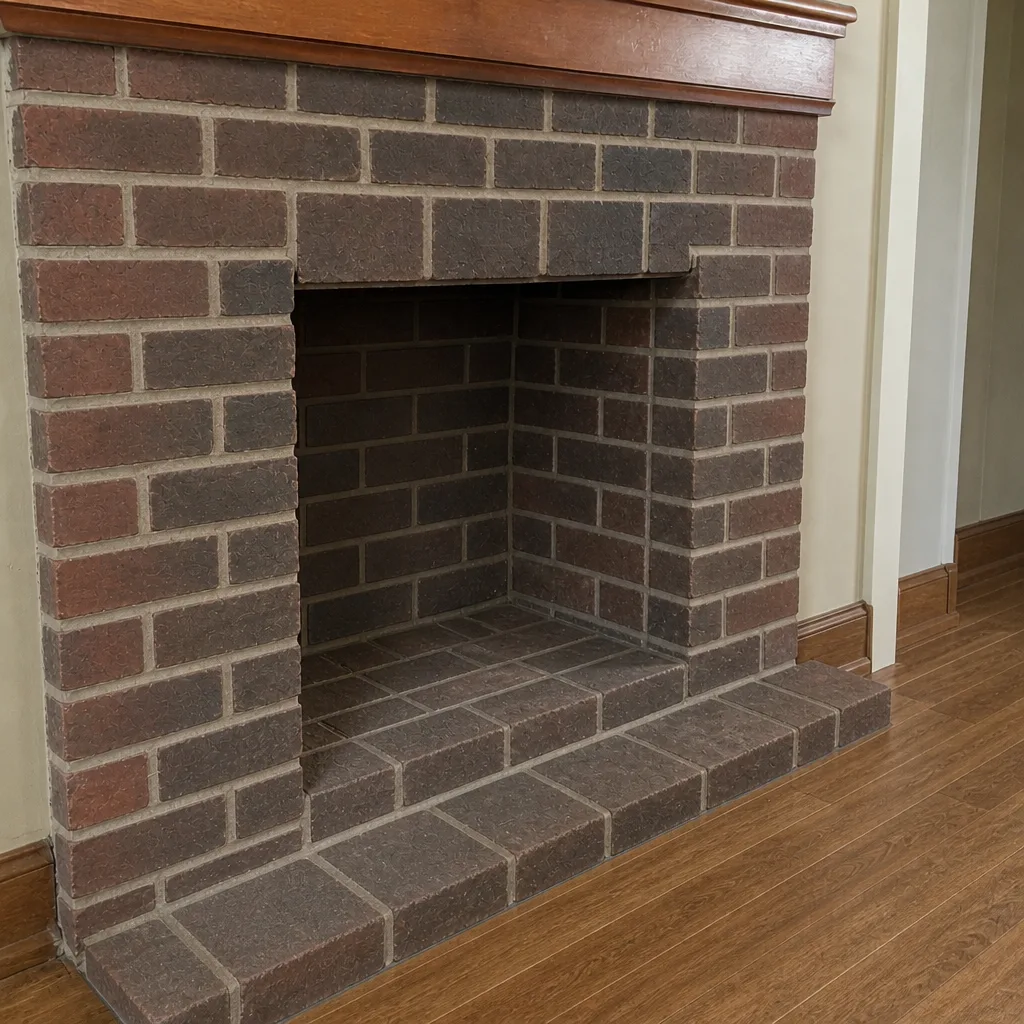 After
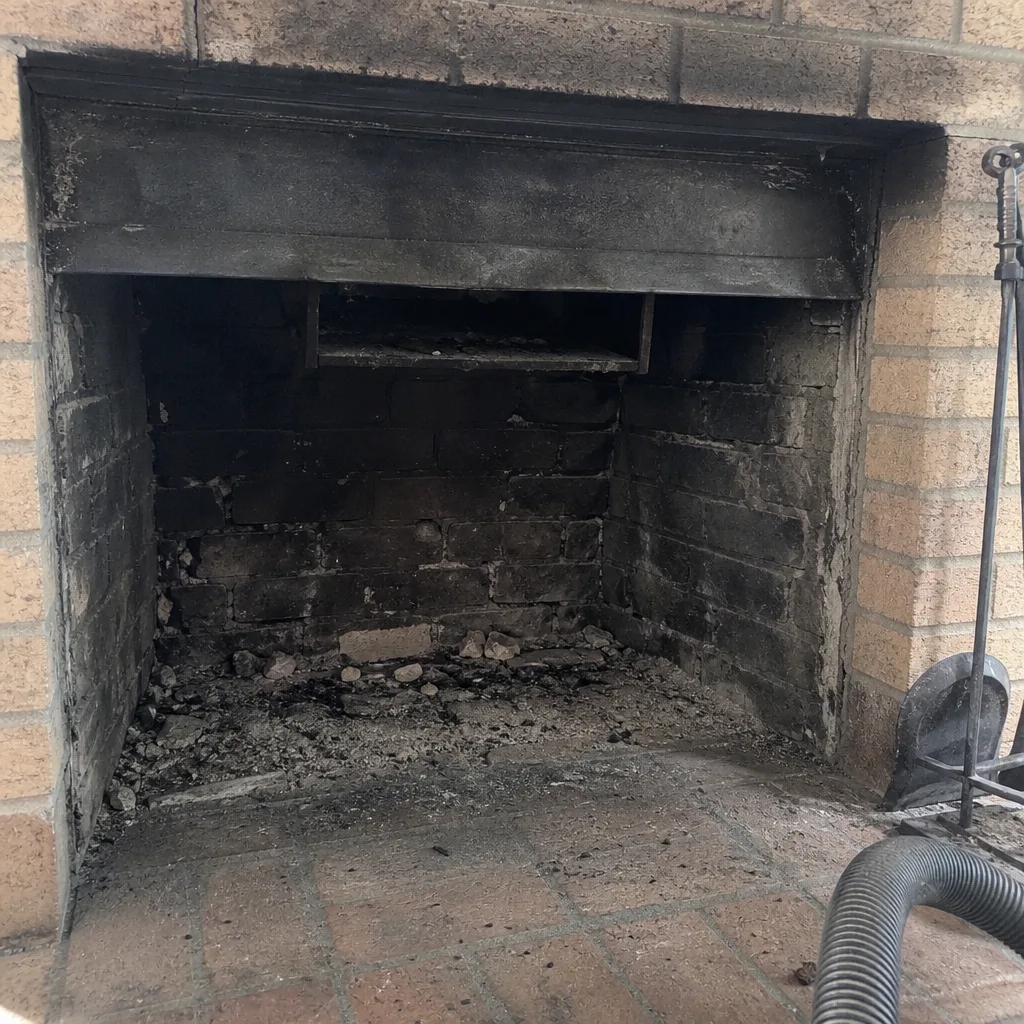 Before
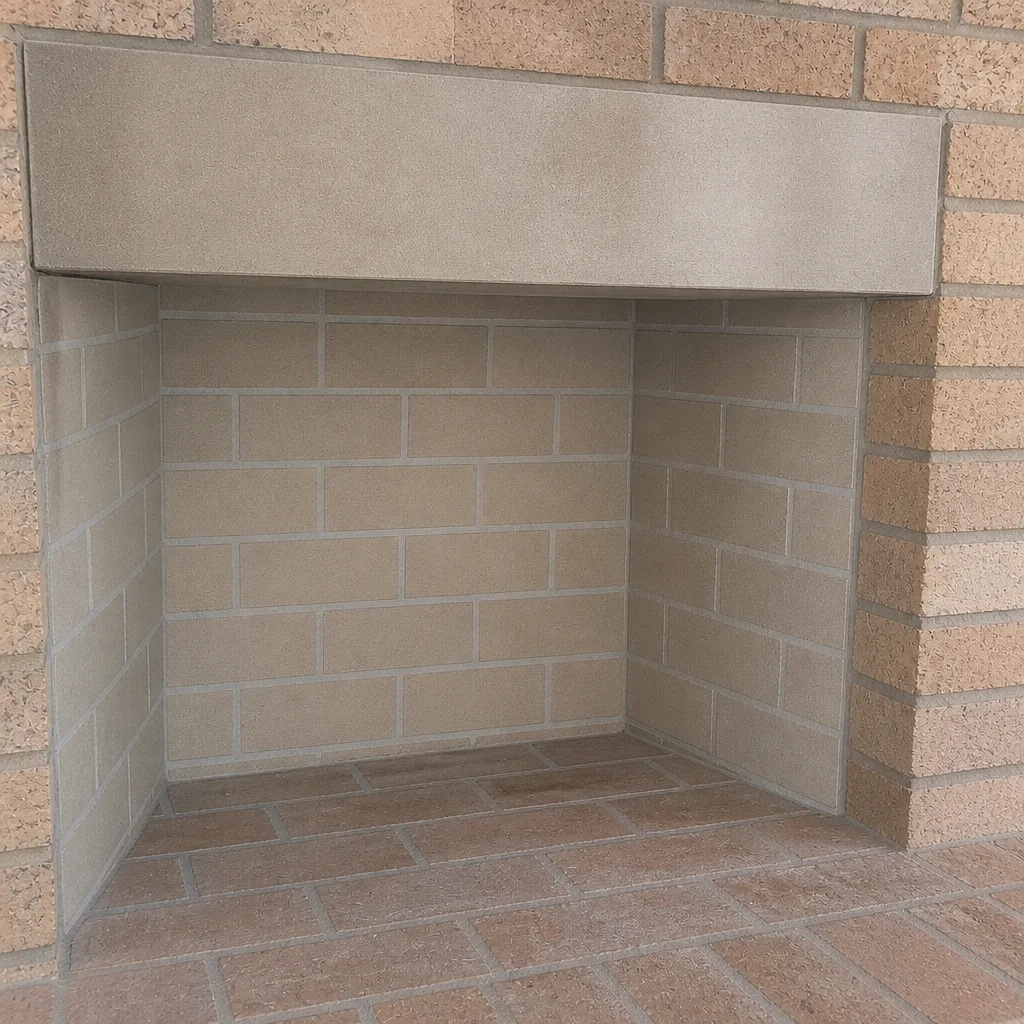 After
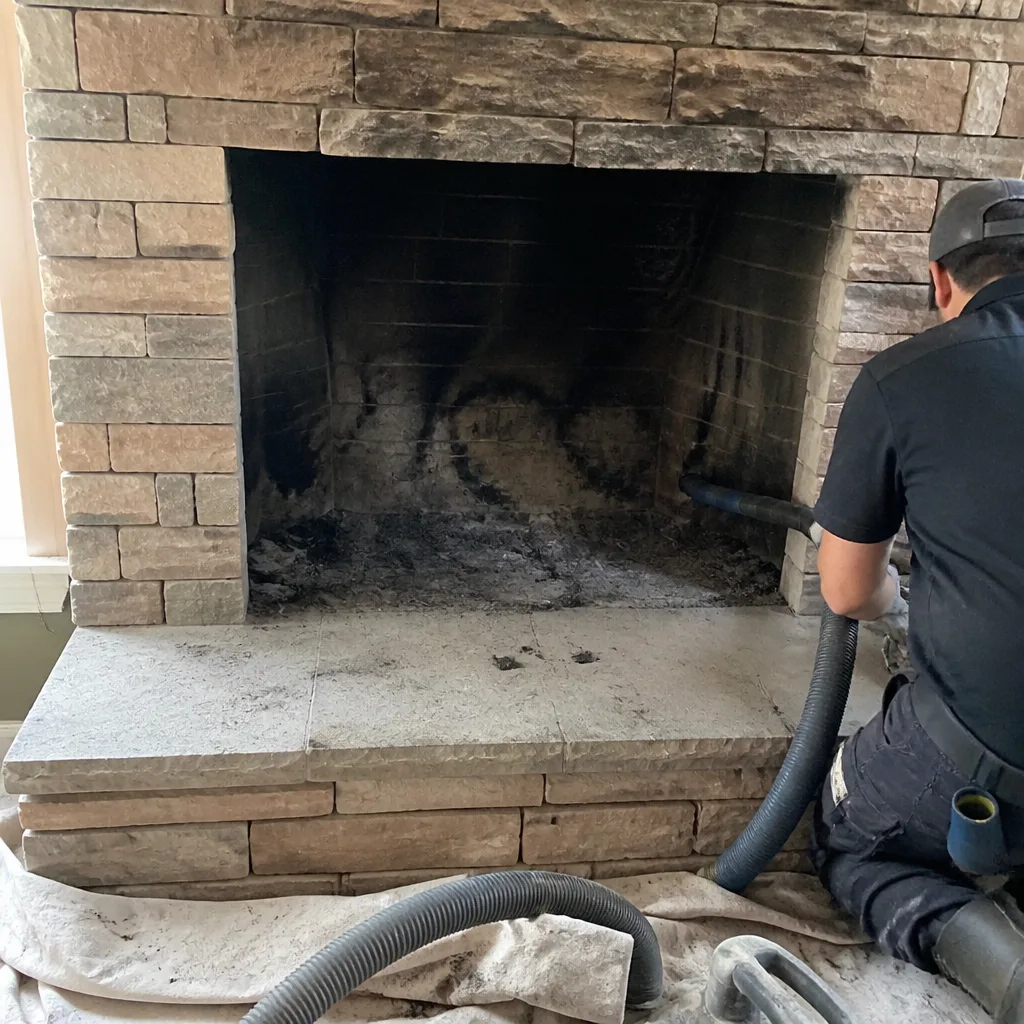 Before
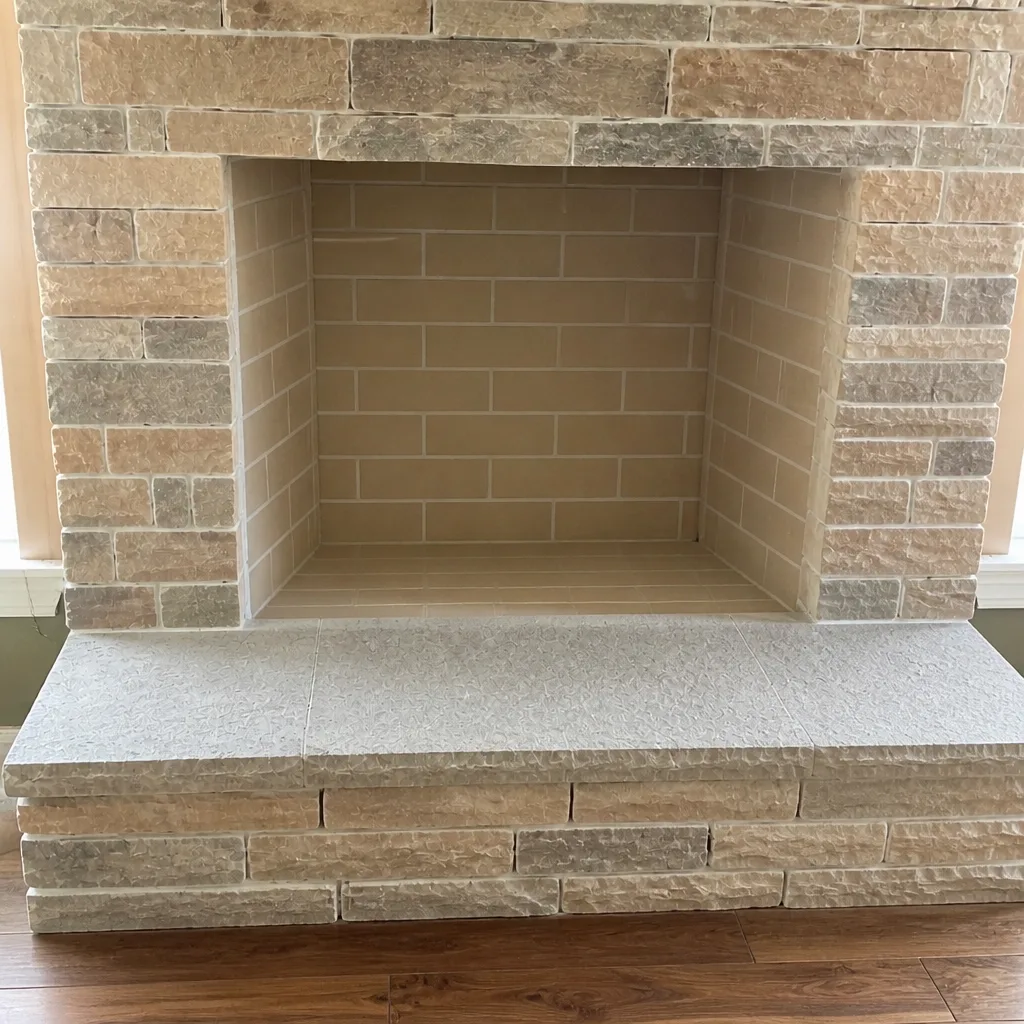 After
When to Call a Professional
Some chimney problems are clear without a ladder: smoke in a room, a smoky odor on a windy day, soot above the firebox, a carbon monoxide detector that’s gone off near the fireplace, or a home you’ve just moved into with no service record. Others are quieter – a flue that’s been loaded for a few seasons, a crown that’s cracked and letting water into the masonry, or a damper that no longer seals. Those don’t announce themselves, which is why an annual camera inspection matters even in a year with no obvious issue. If the job involves the flue interior, the crown, the liner, or the cap, it belongs with a trained technician working the whole system. Chimney Sweep Centennial offers free estimates in Centennial – call (833) 842-2139.
Frequently Asked Questions
A chimney sweep is typically quoted as a flat price per job, and the written estimate sets the final cost. Level 2 camera inspections and any lining or masonry work are priced as separate line items once the flue has been looked at. Call (833) 842-2139 for an exact quote – estimates are free.
Only if the camera finds something a sweep can’t fix – a cracked or missing flue tile, a gap in the liner, or severe glazing that has damaged the flue wall. If the flue is intact after sweeping, a new liner isn’t needed, and we’ll tell you so.
Once a year for a chimney in regular use, and again after every cord of wood burned. In Centennial’s high-altitude, cool-burning fires, an annual sweep is the minimum rhythm rather than a generous one.
Creosote builds, and stage-three glazing is combustible and hard to remove once it sets. A skipped sweep also lets small defects – a hairline tile crack, a failing crown – go unnoticed for a season or two. Call (833) 842-2139 for a free estimate on a sweep and inspection.
No. The flue interior is where the important findings live, and a visual check from the firebox doesn’t see them. That’s why every sweep we run includes a camera inspection and a photo report you can review for yourself.
Smoke in the room when the flue is clean usually points to a draft problem – wind, a cap issue, a flue that’s too short, or pressure from the house – rather than buildup. Front Range wind makes this common in Centennial, and a Level 2 inspection is the right way to diagnose it.
Yes, though the rhythm can stretch. A chimney used a handful of times a year still accumulates deposits and still deserves an annual inspection, because the things that go wrong – a cracked flue, a water-damaged crown – don’t depend on how often you burn.
The Bottom Line
Chimney care in Centennial is about rhythm, not emergencies. Sweep at least once a year, inspect with a camera every time, and read the report rather than take it on faith. The altitude and the semi-arid climate push creosote toward stage two and three faster than most homeowners expect, and Front Range wind adds a draft problem that shows up as smoke and odor long before visible buildup. The right service handles the whole system – sweep, inspection, and repair – so findings are never handed to someone else. When your sweep, your inspection, and any repair come from the same crew, the report is honest and the fix is the one the flue actually needed. Swept clean. Inspected thoroughly. Repaired to last.
Written by the team at Chimney Sweep Centennial.