
Last updated November 16, 2026
 Sweep & inspection
 Caps & crowns
 Flue relining
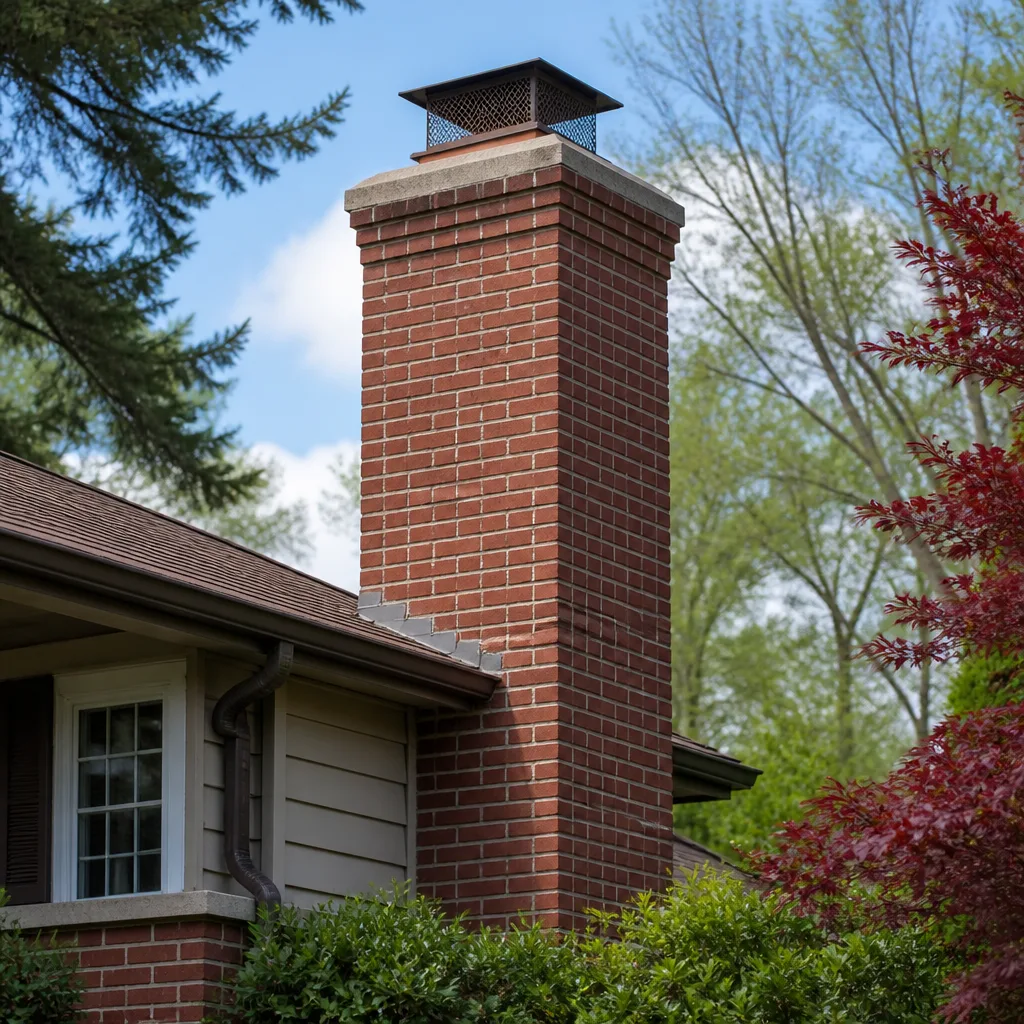 Masonry repair
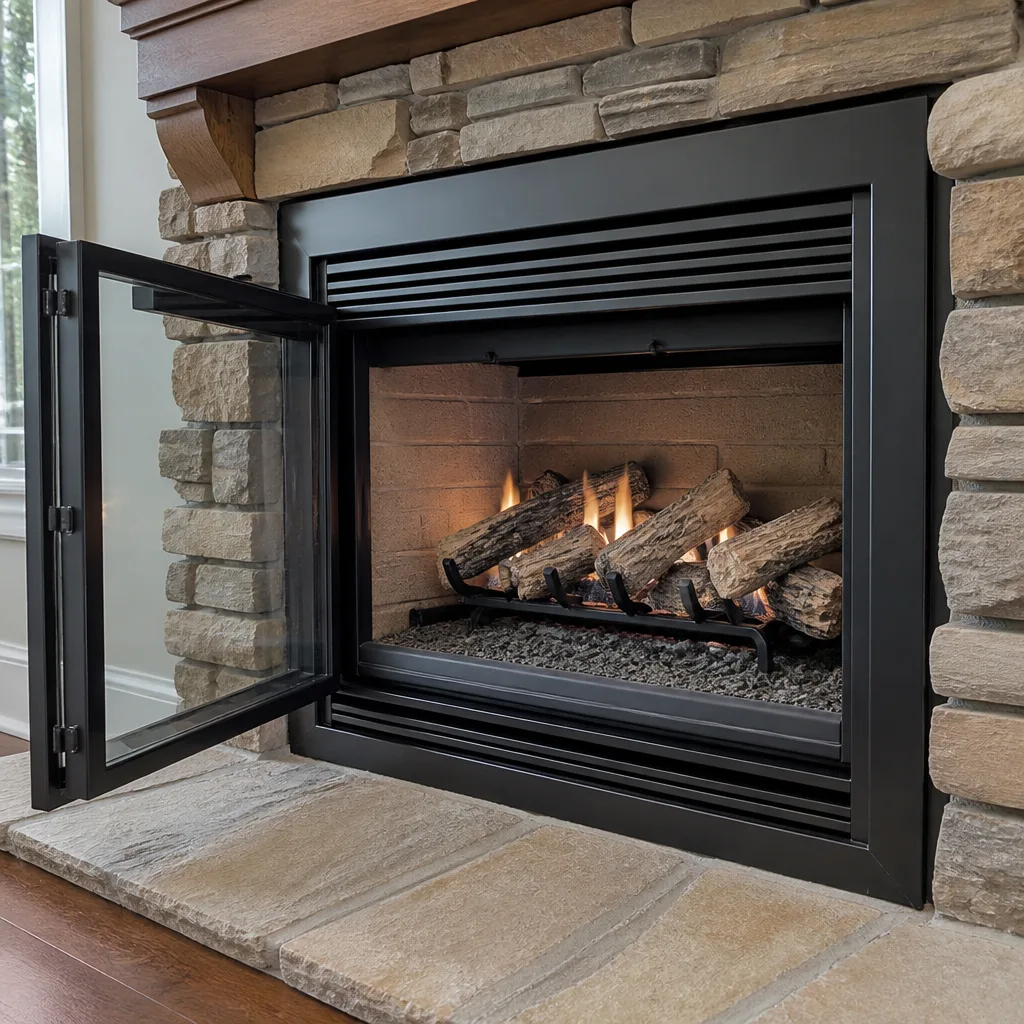 Gas fireplace service
Level 1 sweep and inspection to the NFPA 211 annual standard - flue, crown, cap, and flashing checked and photographed
Chimney sweep logs do not sweep chimneys. They loosen some creosote - which then falls where a brush and vacuum still have to collect it.
Seasonal Chimney Cleaning Care for Centennial: Year-Round Homeowner’s Guide
October is the worst month to book a chimney sweep in Centennial. Every sweep is booked, prices are highest, and if repairs are needed, your fireplace sits idle through the first cold weeks. The homeowners who pay less and wait less schedule in late July. That’s not a marketing line, it’s what the calendar looks like from the inside of this trade. Most chimney damage in Centennial doesn’t happen in January when the fire is roaring. It happens between March and September, quietly, while nobody is looking up the flue. This guide walks through a full year of chimney care month by month, explains why the shoulder seasons are when the real work gets caught, and shows you how to run a two-visit annual cycle that spreads cost and catches problems before they compound.
Quick Answer
The best time for chimney cleaning in Centennial is late July through early September, before the fall rush and after the worst of the summer humidity has passed. Spring is the best window for a full inspection, because winter damage is fresh and visible before summer moisture makes it worse. The ideal setup is two visits a year: one inspection in spring, one sweep in late summer. That splits the cost, catches structural problems early, and gets your fireplace ready before the first cold night.
Styles & brands we work with
- Sweep & inspection
- Caps & crowns
- Flue relining
- Masonry repair
- Gas fireplace service
Table of Contents
- Why Timing Matters More Than Most Homeowners Realize
- Month-by-Month: What Happens Inside a Centennial Chimney
- Why Spring Is the Optimal Inspection Window
- Summer-Specific Risks in Centennial Chimneys
- Pre-Season Prep That Makes the First Fire Safer
- Planning a Two-Visit Annual Cycle
- How Timing Affects Cost
- Common Mistakes to Avoid
- When to Call a Professional
- Frequently Asked Questions
Why Timing Matters More Than Most Homeowners Realize
Most Centennial homeowners think about their chimney twice a year: once when they light the first fire, and once when something smells wrong. That’s the wrong rhythm. A chimney is a system that reacts to weather year-round, and the biggest swings in temperature, moisture, and animal activity all happen when nobody is using the fireplace.
Here’s the core problem. Creosote, the tar-like residue left behind by wood smoke, doesn’t just sit inertly in the flue between fires. It absorbs moisture, oxidizes, and changes consistency. In a dry climate it can harden into a glaze that’s far harder to sweep off than the fluffy stuff you start with. When summer humidity spikes after a wet spring, that same creosote can soften and migrate into seams in the liner. What was a routine sweep in April can become a liner repair by September.
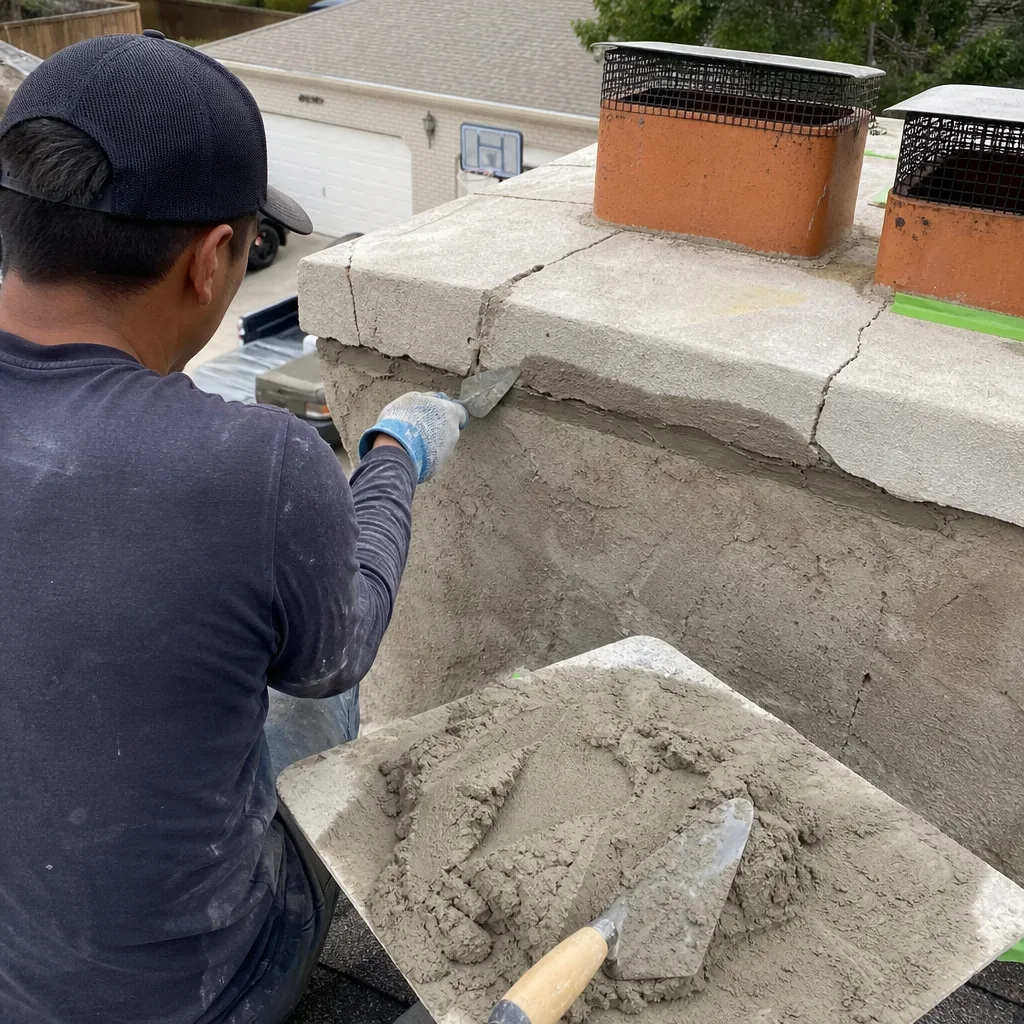
The same goes for masonry. Water is the single biggest enemy of a brick-and-mortar chimney, and Centennial gets a specific pattern of freeze-thaw cycles plus summer monsoonal moisture that punishes small cracks. A hairline crack in the crown in March is a spalled brick face by July.
What this means practically: the best maintenance decisions get made in the shoulder seasons, not the peak. If you call a sweep in Centennial in October, you’re competing with everyone else, and any repair that surfaces pushes your first fire back by weeks. If you call in spring, you have time to sort the problem and still burn on the first cold night.
We’ve seen enough Centennial flues to know the pattern. The homeowners who spend the least and burn the safest are the ones who treat chimney care as a full-year habit rather than a fall scramble. For a deeper look at what a proper chimney sweep actually involves, our service page walks through the whole process step by step.
Month-by-Month: What Happens Inside a Centennial Chimney
Chimneys don’t take a break when the fireplace is off. Here’s what’s happening inside a typical wood-burning chimney in Centennial across a full year, from June through the following May.
June
Fireplace is off. The flue still holds ash, creosote, and whatever the last fire left behind. Early summer heat starts driving moisture into the masonry during the day and pulling it back out at night. Creosote that was stable in April begins to absorb moisture. If the crown has a crack, water is getting into the top of the chimney now.
July
The hottest, driest month for most of the Front Range. UV hits the crown sealant and the cap hard. Birds, squirrels, and wasps look for cool, sheltered spots to nest, and an uncapped flue is prime real estate. This is the ideal month to schedule a sweep in Centennial, because the fall rush hasn’t started and the repair workload is light.
August
Still prime scheduling season. Late-summer afternoon storms push water against the chimney from the side, which is when you find out whether your flashing at the roofline is doing its job. This is the last comfortable month to book a sweep and get any needed repairs finished before fall.
September
First cold nights. Homeowners start lighting test fires. Any smell, smoke rollback, or draft problem shows up now. If you haven’t scheduled a sweep yet, the calendar starts tightening fast.
October
Peak demand. Every sweep in Centennial is booked, prices are highest, and if repairs are needed, the fireplace sits idle for weeks. This is the month most people call. It’s the worst month to call.
November through February
Burn season. Creosote builds up fire by fire. Thermal stress from repeated heating and cooling opens hairline cracks in the flue. Snow and ice sit on the crown. This is when chimney fires happen, and it’s also when almost nobody wants to schedule maintenance.
March
Last fires of the season. Winter damage is at its most visible: cracked crown, spalled brick, loose flashing, visible creosote glaze. This is the single best month for a full inspection because you can still see exactly what winter did.
April and May
Snowmelt and spring rain push moisture into every crack found in March. If a masonry repair wasn’t done in March, this is when minor damage compounds. Animal activity picks up again as nesting season begins.
The takeaway is simple. Damage happens in the cold months, but it’s discovered, diagnosed, and best repaired in the warm ones.
Why Spring Is the Optimal Inspection Window
A chimney inspection in spring tells you more than an inspection in October, for a straightforward reason: the evidence is fresh. Everything winter did to your system is still there, visible, and hasn’t yet been complicated by months of summer humidity and pest activity.
Here’s what a spring inspection in Centennial catches that a fall inspection misses:
- Freeze damage to the crown. A crown cracked by a winter freeze is obvious in March and possibly obscured by summer algae growth by August.
- Spalled brick faces. Water trapped in masonry expands when it freezes, and brick faces pop off. Best seen in early spring, before moss or vegetation covers the area.
- Creosote glaze formation. Heavy creosote from the burn season is at maximum thickness in March. By summer it may soften and spread.
- Loose or displaced flashing. Snow and ice loads move flashings. A spring inspection catches it before the summer rain finds the gap.
- Liner cracks from thermal stress. A ceramic or clay liner that cracked under winter heat cycling is easier to diagnose before moisture settles into the crack.
- Bird and pest debris. Spring is when the first nests get built. An early inspection with a proper cap install stops the cycle before it repeats.
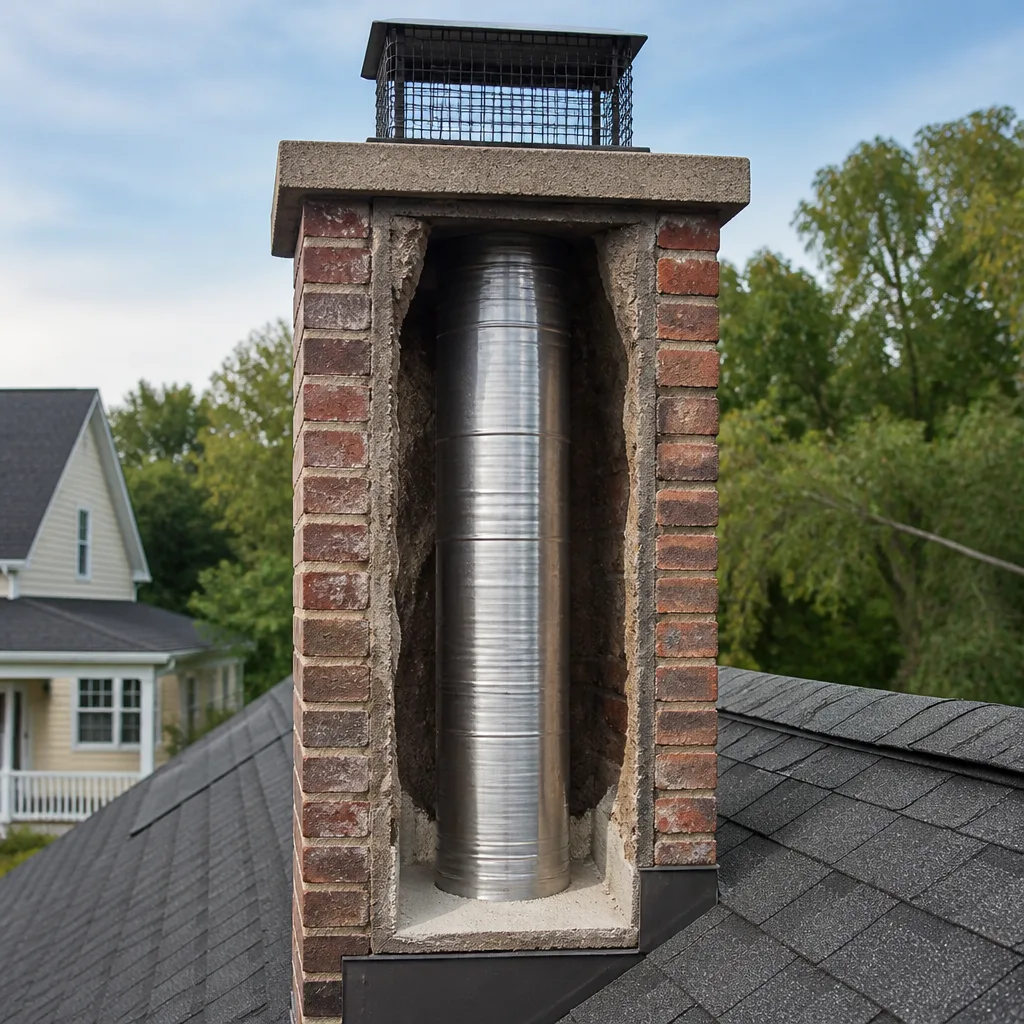
The second reason spring is the right time: if the inspection turns up work, you have months to schedule it calmly. Nothing has to be rushed. The materials that matter for structural repairs, like HeatShield for liner resurfacing or a DuraFlex flexible liner for a reline, get properly specified, ordered, and installed without pressure.
We can’t stress the timing point enough. An inspection isn’t an upsell. It’s the only honest way to know what your flue actually needs, and in spring, the inspection is reading the clearest evidence you’ll get all year. If you want to understand what a full inspection covers, our chimney repair page walks through what we look for and why.
Summer-Specific Risks in Centennial Chimneys
Homeowners tend to think of summer as the safe season for a chimney. It isn’t. Summer is when the quiet damage happens, and Centennial’s particular climate produces three specific risk categories worth understanding.
UV degradation of crown sealants
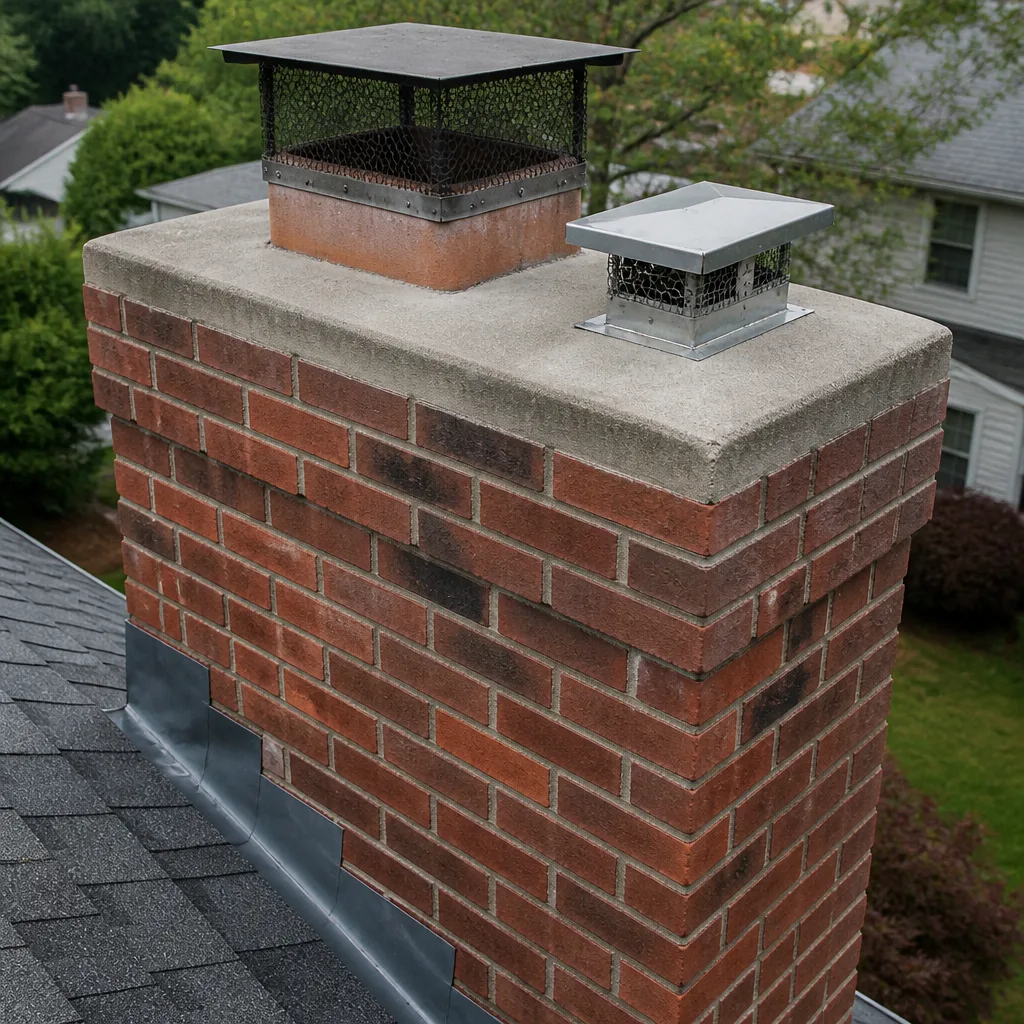
The crown is the concrete or masonry cap at the very top of the chimney. It’s designed to shed water away from the masonry below. Many crowns have a flexible sealant at the mortar joint that holds up well in cold weather but degrades quickly under intense summer UV. The Front Range gets plenty of sun, and a sealant that cracked last summer is letting water in this summer. Once water gets under a crown, it works down into the chimney structure. A five-dollar tube of proper sealant, applied at the right time, prevents a mason’s bill later.
Pest entry during nesting season
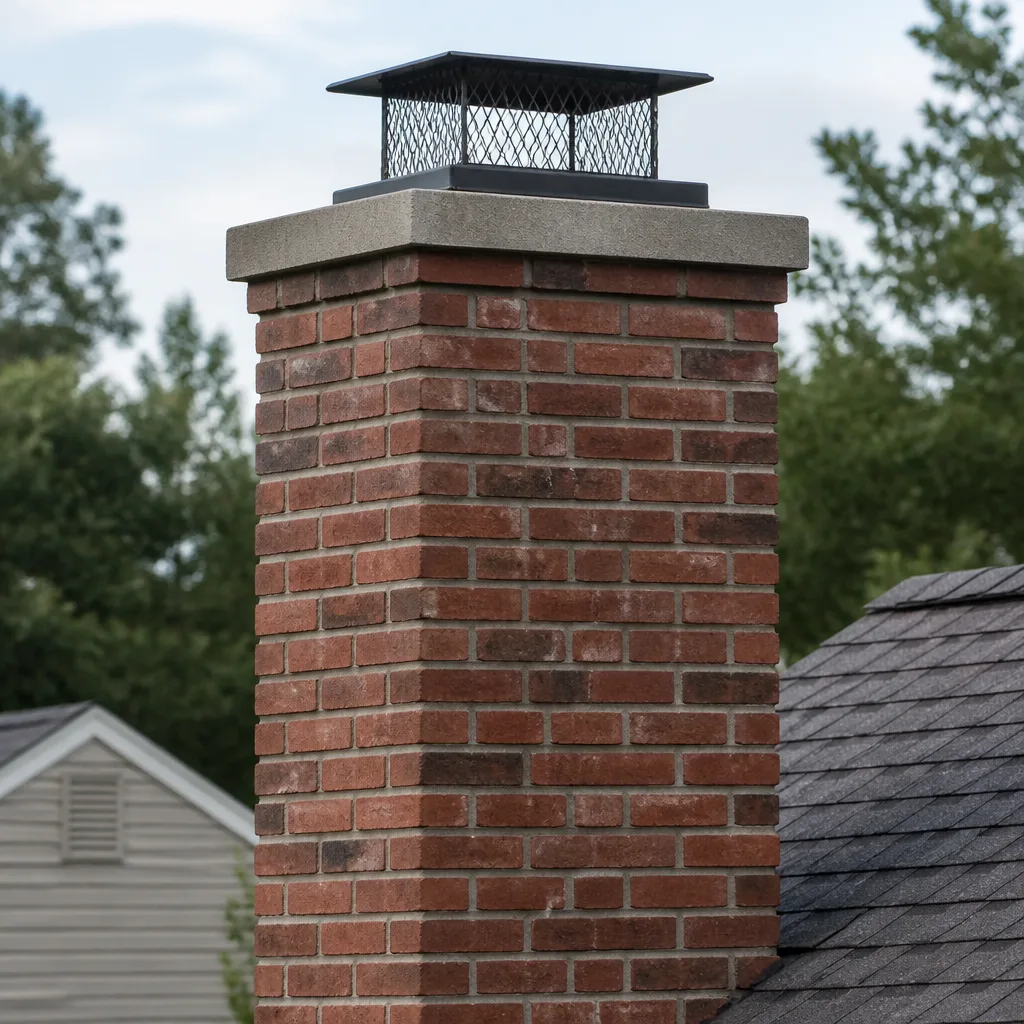
An uncapped flue is a sheltered, dry, elevated cavity. That’s exactly what birds, squirrels, and wasps want in spring and early summer. Nesting material in a flue is more than a nuisance: it blocks draft, holds moisture against the liner, and creates a real fire hazard during the first burn of fall. A properly fitted cap from a maker like Famco or Copperfield solves this permanently. If you’ve ever heard scratching or chirping from inside the chimney in June, you already know what happened.
Cap corrosion
Chimney caps corrode, and it’s not just cosmetic. A rusted-out cap stops doing its job: it no longer keeps water out, no longer keeps animals out, and in some cases can obstruct the flue itself. Galvanized caps tend to show failure first at the seams and around the mounting bolts. Stainless steel caps made by a proper manufacturer last significantly longer. If your cap is more than a decade old and shows surface rust, it’s worth having it looked at during the summer, when you have time to replace it before it matters.
The through-line here is materials. Cheap generic components fail faster in Centennial’s sun and freeze-thaw patterns. We work with Famco and Copperfield caps and venting components because they’re what a professional chimney trade actually specifies, and because the difference shows up ten years down the line, not on the invoice.
Pre-Season Prep That Makes the First Fire Safer
There’s a set of small tasks homeowners can do in late summer and early fall that make the first fire of the year safer and reduce how long a sweep visit takes. None of them require getting on the roof, and none of them involve opening the flue or touching the firebox interior.
- Clear the firebox of last season’s ash. Excess ash sitting in a firebox all summer holds moisture and dulls draft. A proper ash bucket, swept out and disposed of safely, resets the firebox for the new season.
- Look up the flue from the firebox with a flashlight. Not to inspect, just to note anything obviously wrong: heavy soot, visible glaze, or daylight that shouldn’t be there. This is information to hand your sweep, not something to fix yourself.
- Check the damper operation. Open and close it a few times. It should move freely and seat fully. A stuck or warped damper wastes heat and can make the first fire of the year smoke into the room.
- Test the draft with a small piece of paper or incense. Light it near the open damper and watch where the smoke goes. Draft moving up the flue is a good sign. Smoke drifting back into the room means something’s blocking flow, and that calls for a professional inspection before you build a fire.
- Examine the exterior from the ground. Use binoculars if you have them. Look for a missing or rusted cap, cracks in the crown, or loose bricks. If you can see a cap wobbling in the wind, it’s a problem.
- Confirm your smoke and carbon monoxide detectors are working. This is a straightforward home safety check that belongs on any pre-season list, and chimneys are one of the reasons those detectors matter.
Doing these tasks before you call a sweep reduces the visit duration, because your technician doesn’t have to disentangle a stuck damper or clear a foot of old ash before getting to the flue. A shorter visit costs less, and it means less of the seasonal rush eats into your own time.
One warning here. Anything that involves climbing onto the roof, opening a flue, or working inside the firebox is not a homeowner task. Height work is genuinely dangerous, and chimney interiors have hazards, including carbon monoxide risks if a flue is blocked, that are not obvious from outside. That work belongs to a trained professional.
Planning a Two-Visit Annual Cycle
The most cost-effective and safest annual plan for a Centennial chimney is two scheduled visits a year, not one. Here’s how to run the calendar.
Visit one: inspection in March or April
The spring visit is a full inspection. It includes a camera inspection of the flue, an exterior examination of the crown, cap, flashing, and masonry, and a written summary of what was found. The purpose is diagnosis, not cleaning. Winter is on the record, and the evidence is at its freshest.
If the inspection turns up work, you have time to schedule it without pressure. Minor repairs get done in spring, before summer moisture gets into them. Larger work, like a HeatShield liner resurfacing or a DuraFlex reline, gets specified and scheduled in a normal sequence, not a rushed one.
Visit two: sweep in July or August
The summer visit is the sweep. Creosote and soot from the previous burn season get removed, the firebox gets cleaned, and the flue is checked again on the way through. Because the inspection in spring already confirmed the structural condition of the system, the sweep visit stays focused on cleaning. That makes it shorter, which keeps the cost down.
By the end of August you have a clean, inspected, structurally sound chimney, ready for the first cold night without a scramble.
Why not just do it all in one visit?
You can, and some homeowners do. But combining a sweep and a full inspection into a single fall visit concentrates both cost and scheduling pressure into the single worst month of the year. Splitting the visits lets you spread cost across the year, catches winter damage while it’s still visible, and keeps you out of the October crush entirely. For a broader look at how we run each of these, our main page at Chimney Sweep Centennial outlines the full scope of what we do.
How Timing Affects Cost
Scheduling cost is the same per job whether you call in July or October, because we set every price from the written estimate. What changes is everything around that number.
- Calendar pressure. In October, every sweep in Centennial is booked. Getting a visit scheduled within your preferred window takes longer, and if the visit uncovers work, the repair has to compete with the seasonal rush.
- Repair turnaround. A crown crack found in March gets fixed in April. The same crack found in October means weeks without a fire.
- Compounding damage. The biggest cost driver isn’t the sweep visit, it’s the repair that grew out of a small problem left through a wet summer. Catching winter damage in spring is how you avoid the liner reline that a homeowner didn’t know was coming.
- Visit duration. A cleaner firebox and a clear damper make a sweep visit faster. Pre-season tasks reduce time on the clock, and the price reflects it.
The general rule we like to give Centennial homeowners: plan the work in the seasons when you’re not burning, not in the season when you are. It’s the single highest-leverage decision in chimney care, and it costs nothing to make.
Common Mistakes to Avoid
- Calling in October. Almost every homeowner does. It means every sweep is booked, scheduling is tight, and any needed repair pushes the fireplace into late autumn. Call in July instead.
- Skipping the inspection because the sweep “looked fine.” A sweep cleans the flue but doesn’t diagnose structural condition. Crown cracks, flashing gaps, and liner damage don’t show up in a cleaning. Spring inspections catch what sweeps miss.
- Leaving the flue uncapped through summer. Nesting season and summer storms are the two main reasons to have a proper cap. An open flue in June is a shelter for pests and a direct path for water.
- Ignoring a rusted or wobbling cap. Cap corrosion is often the first visible sign of a chimney problem. If the cap isn’t doing its job, water is already getting in.
- Using a handyman for structural work. A handyman can clean a firebox. A cracked liner, a failed crown, or a reline requires chimney-specific training and chimney-specific materials. General repair contractors don’t carry HeatShield or know how to install a DuraFlex liner.
- Assuming gas appliances don’t need chimney care. Gas-burning fireplaces and appliances vent through chimneys too, and those flues need inspection for corrosion and blockage even though they don’t produce creosote the way wood does.
- Doing roof-level work yourself. The single most common injury pattern in this trade involves a homeowner on the roof. Call a professional for anything above the roofline.
When to Call a Professional
Call a professional for any of these situations: the first cold night of the year produces smoke in the room, you notice a strong creosote smell in spring or summer, the cap is visibly damaged or missing, there’s visible cracking in the flue or crown, you’ve moved into an older Centennial home whose chimney history you don’t know, or it’s simply been more than a year since the last inspection. Any scratch, chirp, or flutter from inside the chimney is also a call-a-professional signal, since it usually means a live pest situation.
Chimney Sweep Centennial offers free estimates in Centennial and a full inspection-first approach: we diagnose before we recommend, and nothing gets replaced without camera evidence you can see yourself. Call (833) 842-2139. We answer 24/7. Fast dispatch from 7am to 7pm, Sunday through Friday.
Frequently Asked Questions
Late July through early September is the best window for a chimney cleaning in Centennial. The fall rush hasn’t started, prices are stable, and any needed repair still has time to get finished before the first cold night. Spring is the best window for a full inspection, so a two-visit cycle (inspection in March or April, sweep in July or August) gives you the cleanest and safest result. Call (833) 842-2139 for an exact quote, and estimates are free.
Once a year for most wood-burning chimneys, and once a year for gas appliance flues as an inspection cycle even when no creosote is present. Homes that burn frequently through winter may need a sweep or inspection twice a year. Centennial’s freeze-thaw pattern also makes an annual spring inspection worth its own visit. If you’re not sure, start with an inspection and let it set the calendar. Call (833) 842-2139 for a free estimate.
Small problems get a full summer to grow. A crown crack found in March becomes water-damaged masonry by July. A missing cap becomes a nest in June. A liner crack from winter heat cycling starts absorbing moisture. The cost of a spring inspection is a fraction of the repair work that skipping it invites. In the worst case, a blocked or damaged flue can create a carbon monoxide risk inside the home. Call (833) 842-2139 for a quote.
Not automatically, and anyone who tells you that before inspecting your flue is selling, not diagnosing. A clay liner that’s sound and fully intact may not need replacement. A liner with a crack or a gap does, because a compromised liner puts heat and combustion gases in direct contact with the chimney structure and the home. In our experience, HeatShield liner resurfacing solves many damaged-liner situations without a full reline, and a DuraFlex flexible liner is the right answer when the existing liner is beyond resurfacing. The camera evidence tells you which one applies, and we show it before recommending either. Call (833) 842-2139 for an exact quote, and estimates are free.
No, summer is one of the busiest months for hidden chimney damage. UV degrades crown sealants, pest nesting season fills uncapped flues, and summer storms drive water into any crack left from the winter. Summer is also the best time to get ahead of the fall rush. Booking a sweep in July or August is the single easiest way to enter the burn season without a scramble. Call (833) 842-2139 for a free estimate.
A strong creosote smell, visible rust or wobble in the cap, a stuck damper, smoke drifting back into the room during a test draft, or any chirping or scratching from inside the chimney. Each of these is a specific signal that something needs professional attention before you light the first fire. For neighborhoods across Centennial, from Willow Creek to Piney Creek, these late-summer signs are best addressed in August rather than October. Call (833) 842-2139 for a free estimate.
The Bottom Line
Chimney damage in Centennial happens between March and September, while the fireplace is off, not in January when it’s roaring. Spring is the best inspection window because the evidence from winter is still fresh and visible. Late summer is the best sweep window because the fall rush hasn’t started and repairs still have time to get finished. Run a two-visit annual cycle, one inspection in spring and one sweep in summer, and you catch problems at the cheapest stage and never sit idle through the first cold nights. From cap to liner, we handle the whole system with the materials the trade actually uses. Call (833) 842-2139. We answer 24/7. Fast dispatch from 7am to 7pm, Sunday through Friday. For everything we do in Centennial, our main page outlines the full scope.
Written by the team at Chimney Sweep Centennial.
See the difference
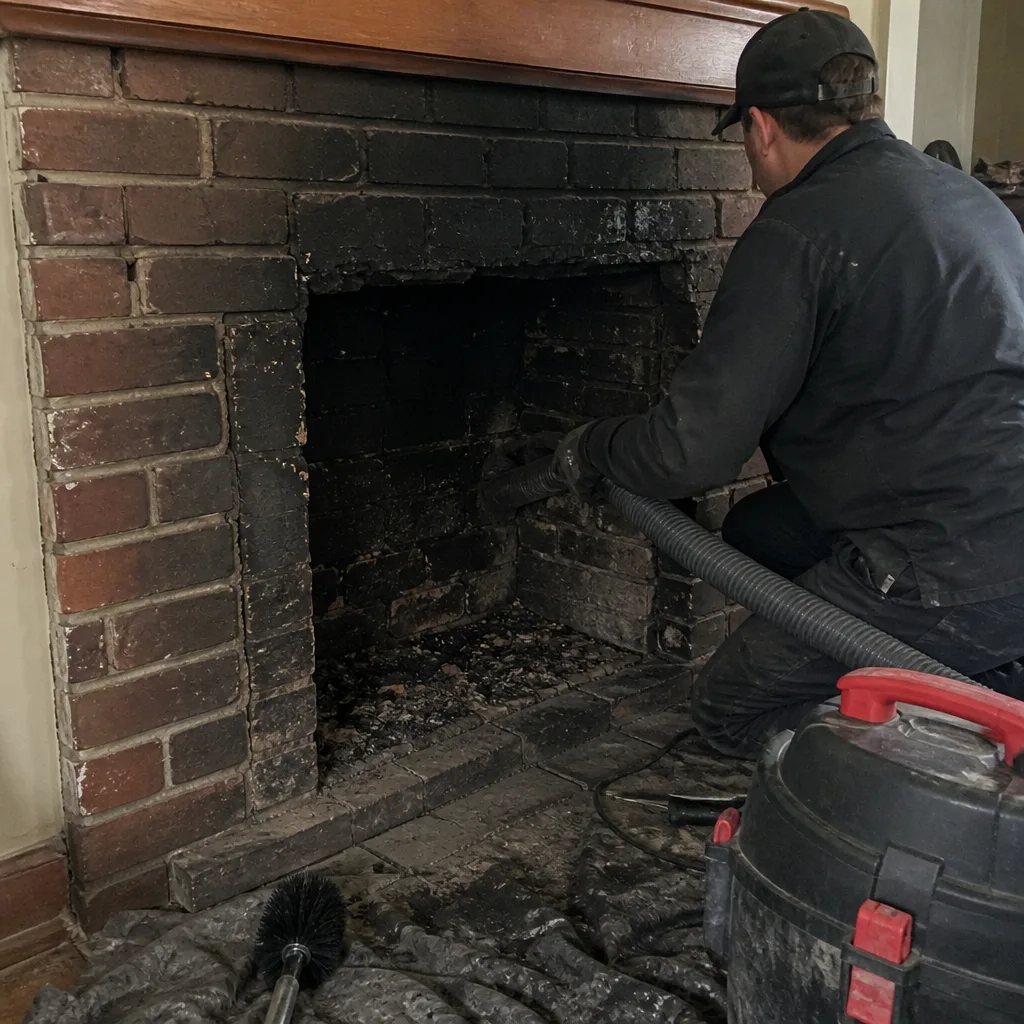 Before
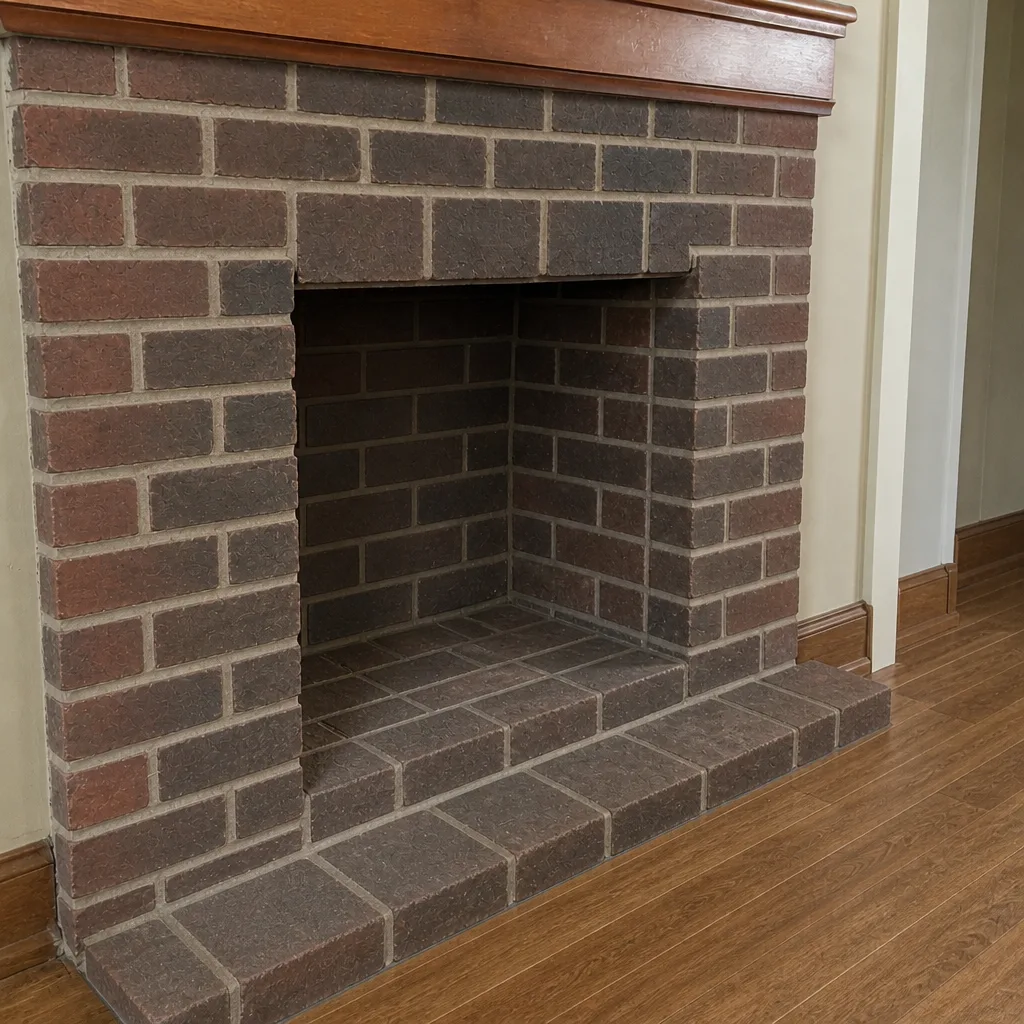 After
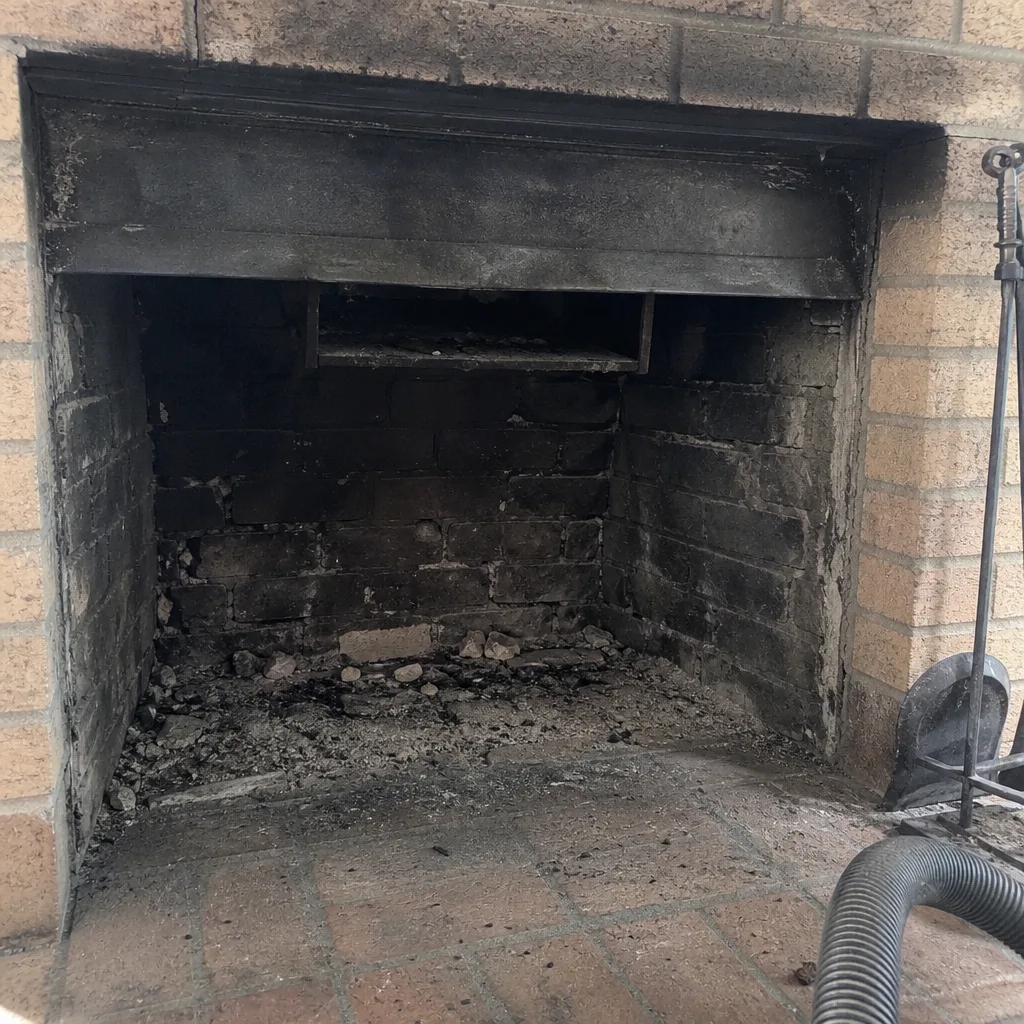 Before
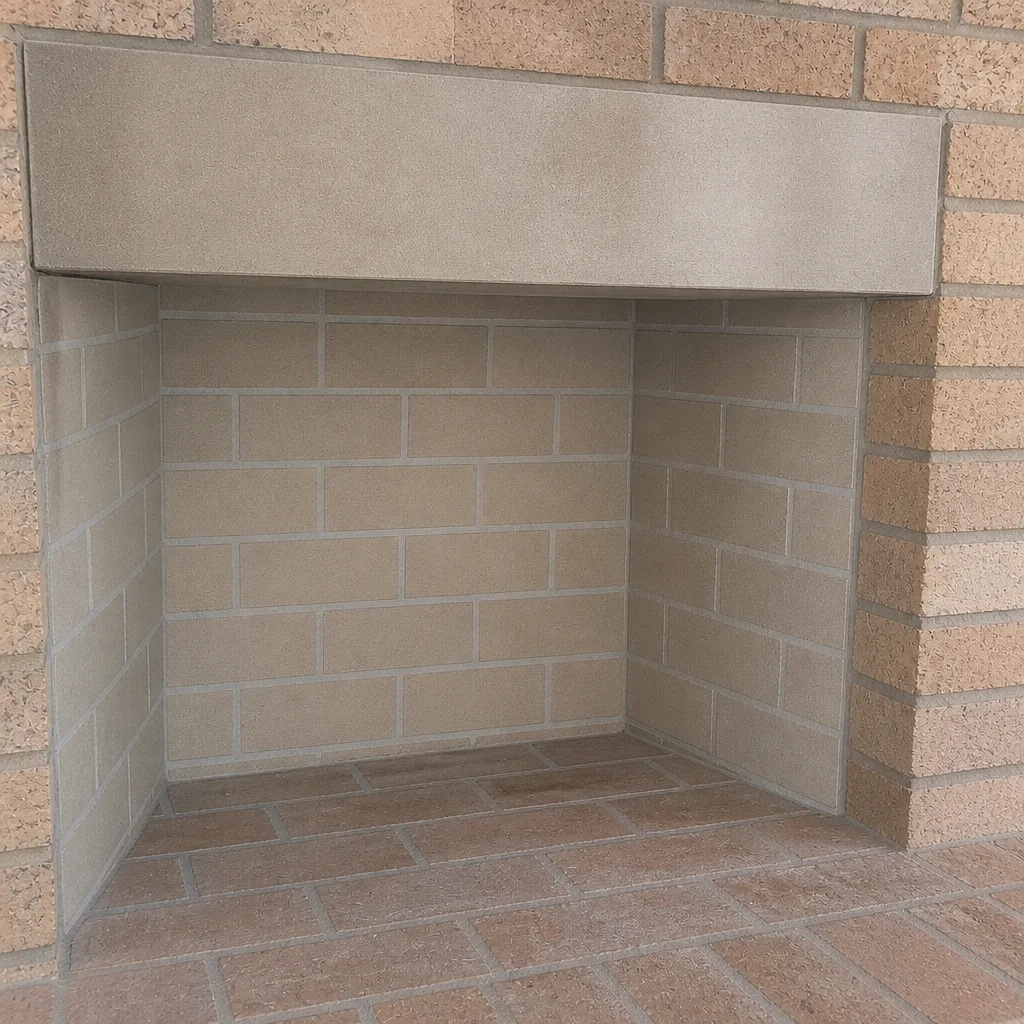 After
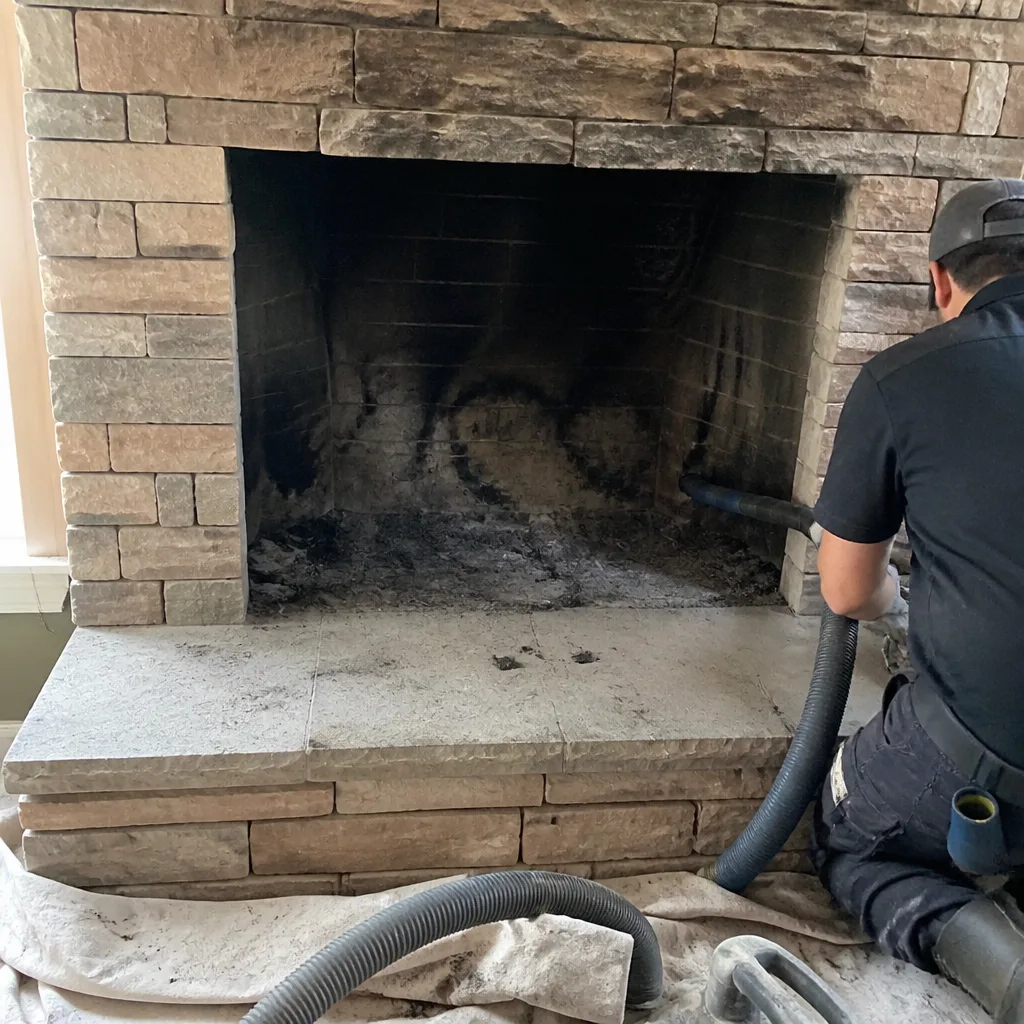 Before
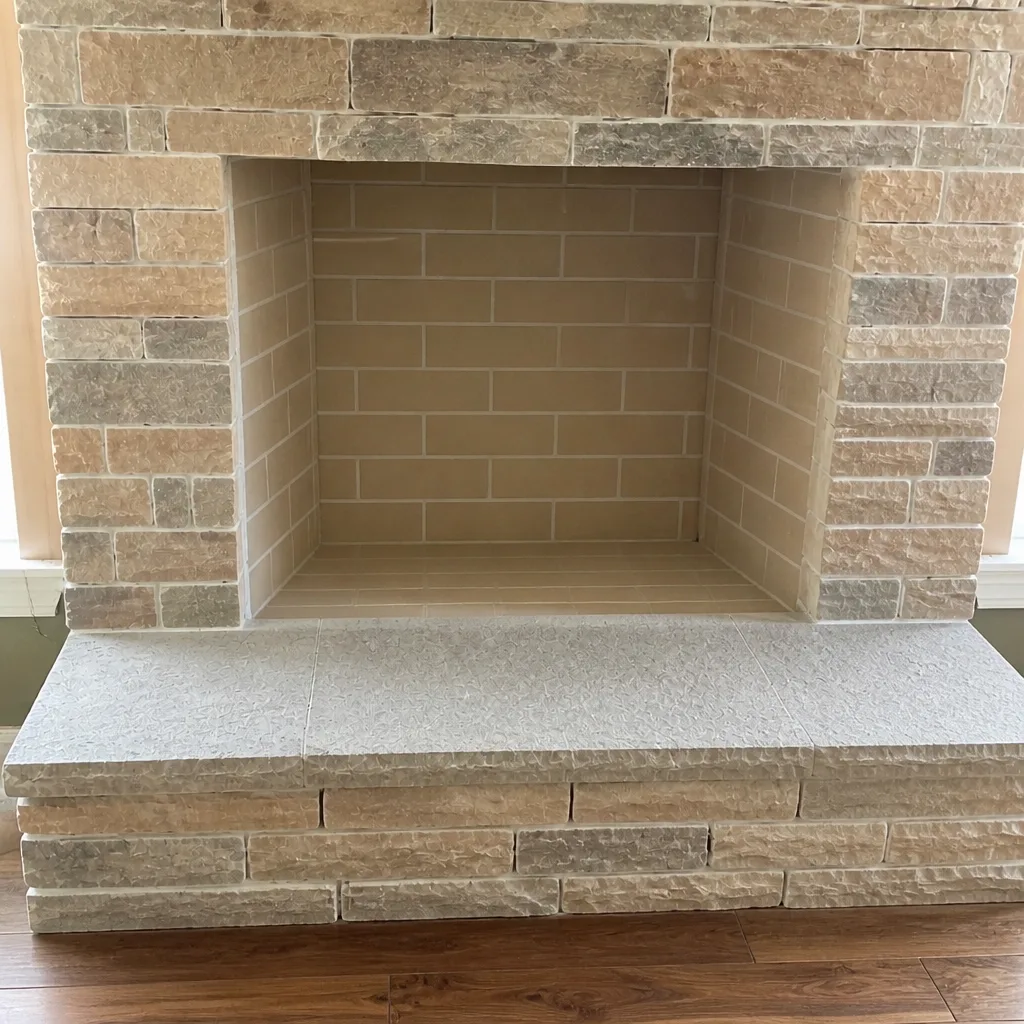 After