
Last updated November 16, 2026
 Sweep & inspection
 Caps & crowns
 Flue relining
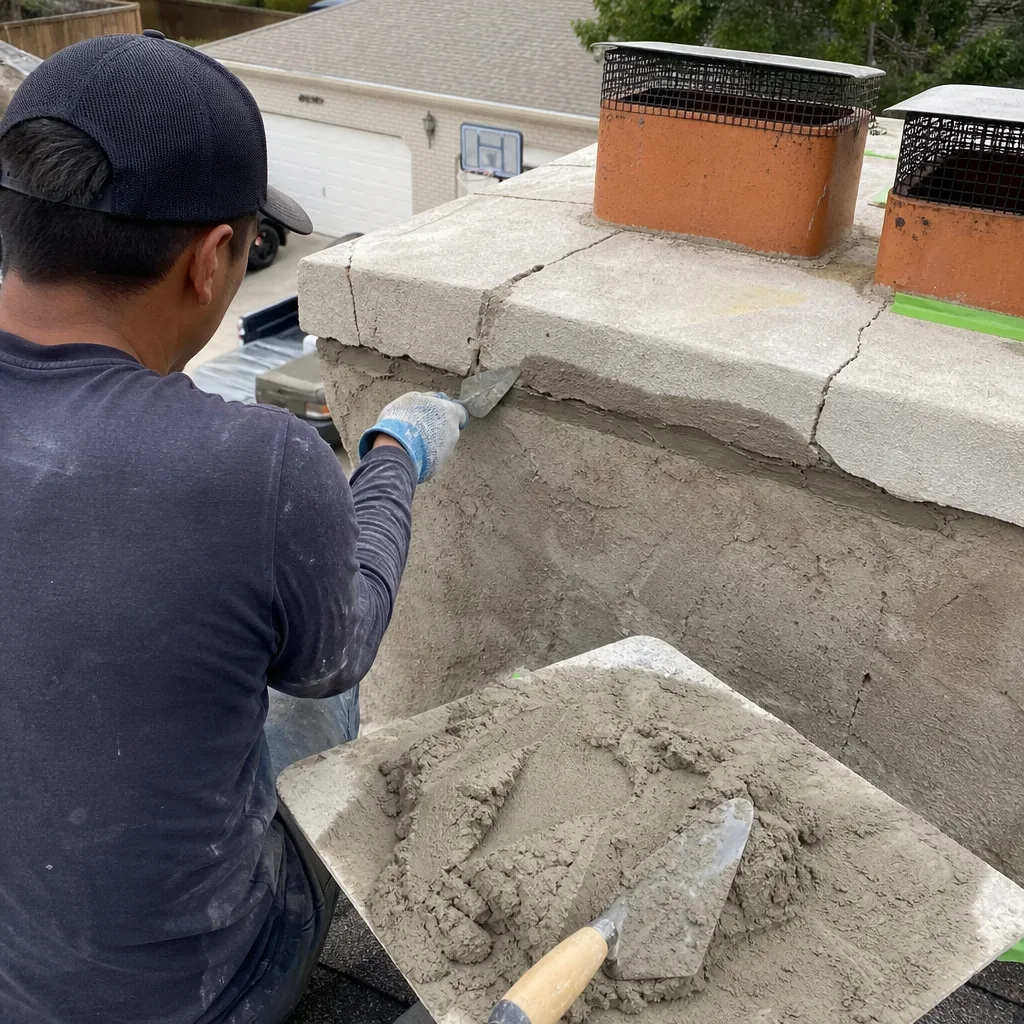
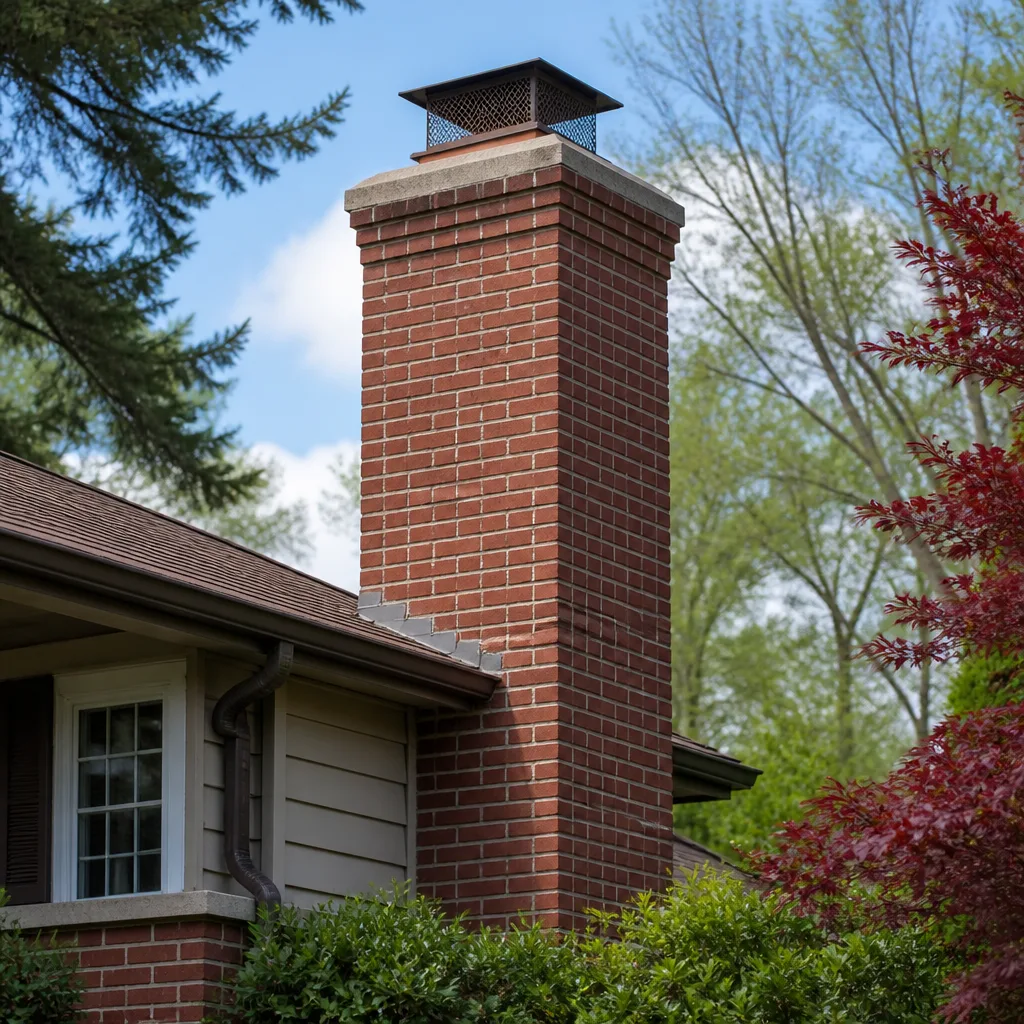 Masonry repair
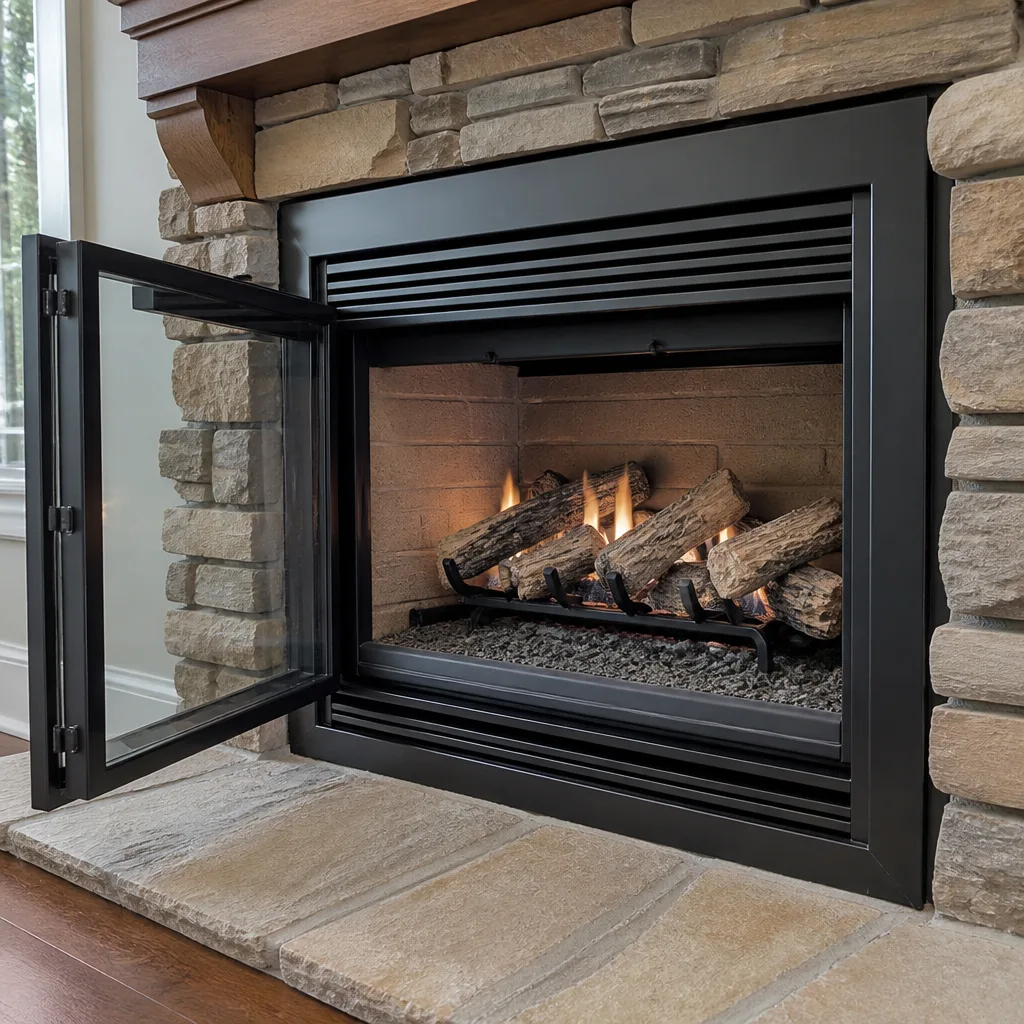 Gas fireplace service
Level 1 sweep and inspection to the NFPA 211 annual standard - flue, crown, cap, and flashing checked and photographed
Chimney sweep logs do not sweep chimneys. They loosen some creosote - which then falls where a brush and vacuum still have to collect it.
How to Hire a Chimney Cleaning Contractor in Centennial: A Step-by-Step Guide
A chimney sweep certification takes years of field work and testing. Yet any unlicensed handyman in Centennial can legally advertise chimney cleaning. That mismatch is the single biggest reason homeowners end up paying for a brush-down that never looked at the flue liner, the crown, or the damper. The person who waved a brush around for twenty minutes and the person who can tell you whether your flue is safe to burn in are not the same hire, and the ad copy rarely makes the difference clear. This guide walks you through the three questions that eliminate most unqualified bids, how to read a written estimate line by line, and what to expect from a full-scope chimney specialist in Centennial.
Quick Answer
To hire a chimney cleaning contractor in Centennial, verify the company performs chimney sweeping, inspection, and repair as its core business (not a side service), confirm the technician holds a recognized credential such as CSIA certification, and demand a written estimate that itemizes the sweep, the inspection level, and any recommended repairs separately. Ask specifically whether the inspection includes a camera scan of the flue. The lowest bid usually skips that step.
Styles & brands we work with
- Sweep & inspection
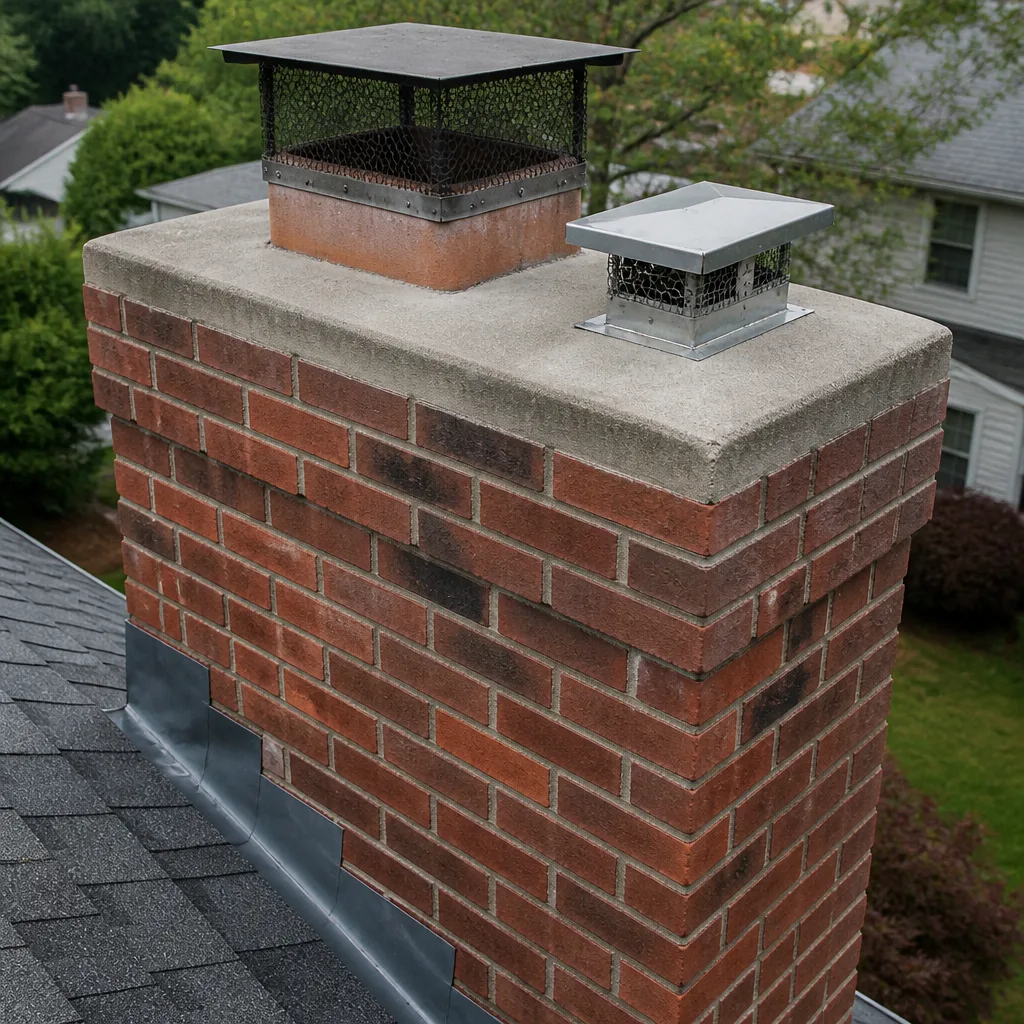
- Caps & crowns
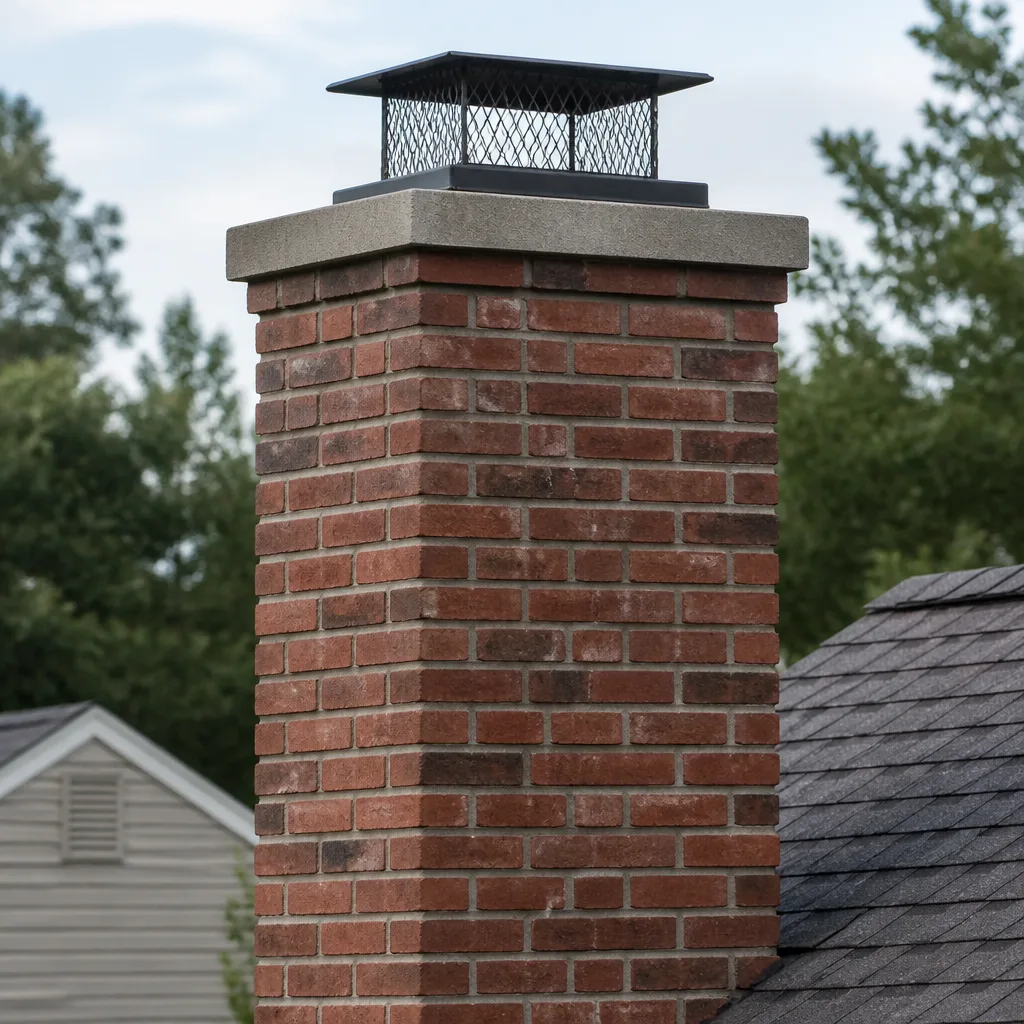
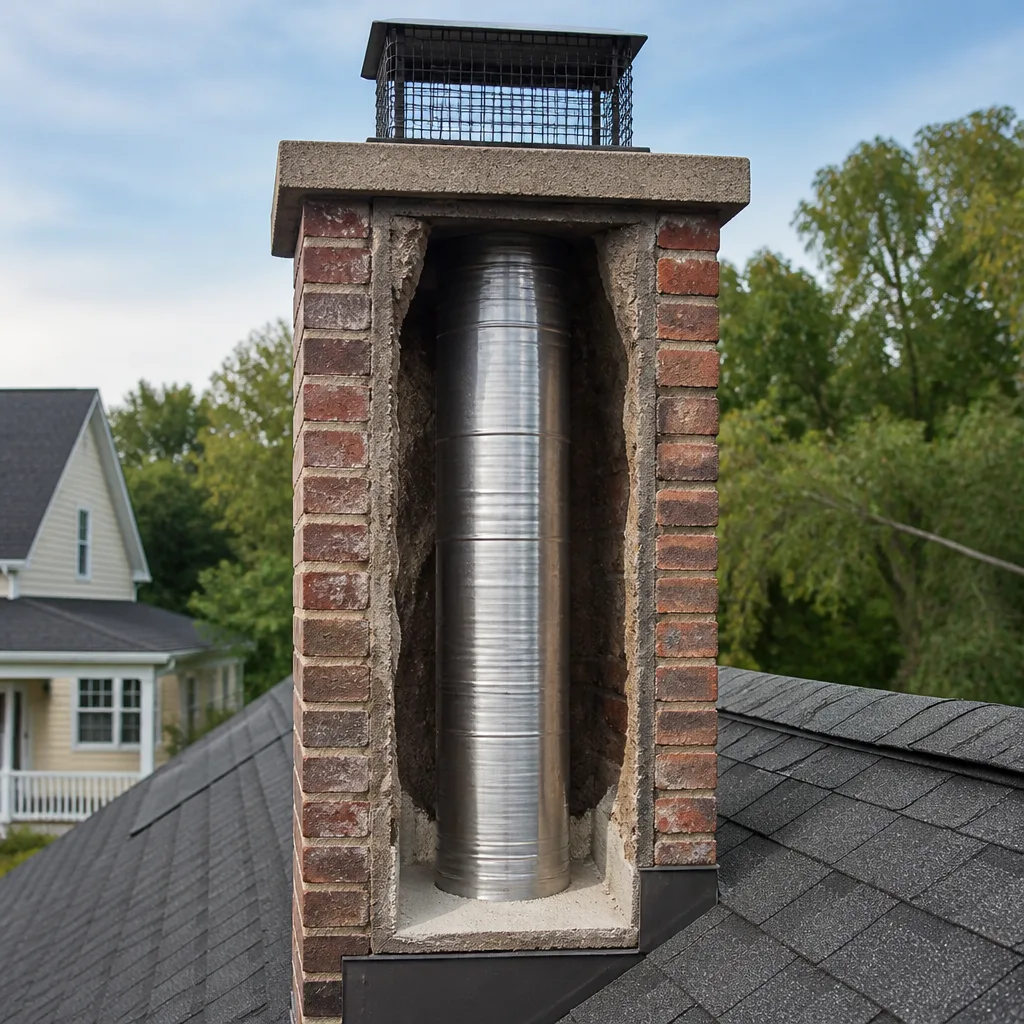
- Flue relining
- Masonry repair
- Gas fireplace service
Table of Contents
- Specialist vs. Add-On Provider: Why It Matters
- What the Credentials Actually Test
- The Three Questions That Screen Out Most Bids
- How to Read a Chimney Estimate Line by Line
- Why the Lowest Quote in Centennial Usually Costs More
- Reading Reviews the Way a Chimney Pro Would
- What Centennial’s Climate and Housing Stock Demand
- What a Proper Sweep and Inspection Looks Like
Specialist vs. Add-On Provider: Why It Matters
Chimney work is its own trade, with its own codes, tools, and material standards. In Centennial, the same handyman who patches drywall and clears gutters will sometimes list “chimney cleaning” on the side because it fills a slow week. That’s not a knock on handymen as a group. It’s a structural problem: a generalist carries a wire brush and a shop vac. A full-scope chimney specialist carries the flexible rods, the mirror or camera, the drop cloths, the HEPA vacuum, and the liner materials to actually fix what the inspection finds.
Here’s the distinction in practical terms:
- Full-scope chimney specialist. Sweeping, inspection, and repair all happen under one provider. When the camera finds a cracked flue tile, the same company can quote a HeatShield resurfacing or a DuraFlex liner install. Nobody passes your chimney to a stranger.
- Add-on provider. Sweeps, then hands you a list of “recommended repairs” they can’t perform. You then have to vet a second contractor with no context on what the first one saw.
- HVAC company with a chimney line. Legitimate for gas appliance venting in some cases, but usually not set up for wood-burning flue work, masonry repair, or liner resurfacing.
Ask the question directly on the phone: “Is chimney sweeping your primary business, or one of several?” A specialist answers without hesitation. An add-on provider typically hedges. Our own answer is simple: we do three things and only three things. Sweeping, chimney repair, and inspection. That focus is what lets us carry professional-grade materials from DuraFlex, HeatShield, Gelco, Olympia Chimney, Famco, and Copperfield rather than whatever’s cheapest to stock.
What the Credentials Actually Test
Three credential types show up in chimney contractor ads, and they test very different things. Knowing what each one actually covers tells you whether the person in your living room has been trained on your type of system.
CSIA Certification
The Chimney Safety Institute of America (CSIA) is the trade’s primary credentialing body for chimney sweeps. CSIA certification requires passing a written exam covering venting principles, codes, inspection standards, and sweeping technique, plus ongoing education to maintain. A CSIA-certified sweep has been tested on how a flue actually works, not just how to push a brush through it. For a homeowner, this is the credential that tells you the technician understands what they’re looking at.
NFI Certification
The National Fireplace Institute (NFI) certifies technicians on specific fuel types and appliance categories, most commonly wood, gas, and pellet. An NFI-certified technician has been tested on the installation and venting requirements for those appliance types. This matters most if your Centennial home has a gas log set, a pellet stove, or a wood insert rather than a plain open masonry fireplace. NFI and CSIA are complementary, not interchangeable. A sweep who holds both has been tested on the flue system and on the appliance feeding it.
No Credential
Any contractor without a CSIA or NFI credential isn’t automatically unqualified. Some experienced technicians never sat the exams. But an uncredentialed sweep has no third-party verification that they know code requirements, correct brush sizing, or inspection procedure. When you’re paying for a service that determines whether your home is safe to heat, that gap matters.
Licensing and Insurance
Ask for proof of general liability insurance and confirmation the company carries workers’ compensation. A contractor without insurance who gets hurt on your roof or in your flue is a problem you don’t want. This is separate from certification, and it’s not negotiable. Ask before booking.
The Three Questions That Screen Out Most Bids
Before you book anything, make three phone calls and ask three questions. The answers separate full-scope chimney specialists from part-timers faster than any review site. In our experience, roughly four out of five unqualified bids fail on the first question.
- “Do you perform a camera inspection of the flue as part of every sweep?” A sweep who says “only if we see a problem” is skipping the step that finds most problems. A camera scan of the flue interior is the only way to spot cracked tiles, gaps in the liner, or heavy creosote glazing beyond the first few feet. It should be standard, not an add-on.
- “Can your company perform the repairs the inspection finds, or do you subcontract them?” Single-provider accountability changes the incentives. A company that both inspects and repairs has no reason to overstate findings to push you toward a second contractor, and no reason to understate them either. When we recommend a HeatShield resurfacing or a DuraFlex liner, we’re the ones installing it.
- “What will I receive in writing, and when?” The answer should be a written estimate itemizing the sweep, the inspection level (Level 1, 2, or 3), and any recommended repair with a stated price. If you can’t get a written scope before the technician arrives, you’re negotiating on your feet.
Three phone calls, three questions, maybe fifteen minutes total. That’s the entire screening process. Any company that answers all three cleanly is worth a booking.
How to Read a Chimney Estimate Line by Line
A proper chimney estimate reads like a short technical document, not a single-line quote. Here’s what should always appear, in order, and what an omission tells you about the bid.
Line Items That Should Always Appear
- Sweep scope. Which flue or flues will be swept, and what’s included: brush, vacuum, drop cloths, creosote removal.
- Inspection level. Level 1 (visual, accessible portions), Level 2 (camera scan of the flue interior, required after any change in appliance or fuel type), or Level 3 (diagnostic, invasive). The estimate should state which one you’re getting and why.
- Inspection findings. A written summary with photos or a video capture. This is the document you should be able to read yourself and understand.
- Recommended repairs, itemized. Each repair listed separately with its own price, not lumped into a single figure. That’s how you know a crown repair isn’t being padded with a liner replacement you don’t need.
- Materials specified by brand. If a liner is on the estimate, the material should be named. We use HeatShield for resurfacing and DuraFlex for flexible liner systems because they’re what professionals rely on, not what’s cheapest to stock. A generic “liner” line item tells you nothing.
- What can wait. An honest estimate states plainly which findings are safe to defer. A chimney pro should tell you that a minor crown crack can be monitored for a season while a compromised flue liner can’t.
Omissions That Signal an Underqualified Bid
- No inspection level stated. You’re buying a sweep with no idea what’s being assessed.
- No camera scan mentioned. This is the most common gap.
- Repairs quoted as a single lump sum rather than itemized.
- No brand named on liner or repair materials.
- No written findings promised. If they can’t produce photos or a report, you can’t verify what they claim to have found.
One detail worth knowing: a chimney is inspected at three levels, and the level determines how much of the system gets looked at. Level 1 is a visual check of accessible portions. Level 2 adds a camera scan of the flue interior. Level 3 is diagnostic work that may require opening walls. Most routine sweeps need at least a Level 2, and any change of appliance, fuel type, or property ownership warrants one.
Why the Lowest Quote in Centennial Usually Costs More
The cheapest quote in Centennial is usually cheap because the sweep portion of the job is the only portion of the job being done. Sweeping is a fairly repeatable process: rods, brush, vacuum, drop cloths, done. The price difference between one sweep and another is rarely more than the difference between two hours of labor. So when a quote comes in dramatically lower than the rest, it’s almost always because the inspection step is being shortened or skipped entirely. That’s not efficiency. That’s a missing line item.
Think about what a missing inspection step actually means. A sweep who leaves without scanning the flue has no way to know whether:
- A flue tile has cracked since the last service, letting heat reach the framing.
- A gap has opened at a seam in a previously installed liner.
- Creosote has glazed at the third stage, which brushing alone doesn’t remove and which is flammable.
- The crown is cracked and letting water into the masonry.
None of those show up on a visual check from the firebox. They show up on camera. The savings on the low quote is real, but it gets spent re-booking a full inspection later, or on repairs that could have been caught earlier at a fraction of the cost. When a full-scope contractor writes an estimate, the inspection is on it as its own line item, and you can see exactly what you’re paying for.
A chimney inspection isn’t an upsell. It’s the only honest way to know what your flue actually needs. We frame repairs around what the camera shows, and when the estimate lists a HeatShield resurfacing, it’s because the scan showed spalling or voids that brushing can’t fix. You can see the same footage.
Reading Reviews the Way a Chimney Pro Would
Review language tells you a lot more than the star count once you know what to look for. Chimney work has specific vocabulary, and the terms a reviewer uses reveal whether they actually received a full service or just a brush-down.
Language That Signals a Full-Service Hire
- References to a camera scan, photos, or a written report following the visit.
- Mentions of specific materials: a liner system, a crown repair, a damper replacement.
- Descriptions of a technician explaining findings before recommending work.
- References to an estimate with itemized line items the reviewer could follow.
Language That Signals a Cosmetic Sweep
- Praise for how clean the fireplace looked afterward, with no mention of what the inspection found.
- No mention of findings, photos, or recommendations at all.
- “Quick” as the main compliment with no other detail.
- Complaints about a follow-up repair bill that “came out of nowhere” after a sweep that reported nothing wrong.
Look for patterns rather than single reviews. One enthusiastic review about a sweep is fine, but ten that all focus on speed and cleanliness with no mention of inspection findings is a signal. A chimney contractor who does the full job will generate reviews that talk about what they found, what they recommended, and what you chose to do about it. That’s the language of a real diagnostic process.
What Centennial’s Climate and Housing Stock Demand
Centennial sits on the south Denver metro’s high plains, and the seasonal swings here put real stress on a chimney system. Heating season typically runs from October into April, which means your flue moves from cold to hot repeatedly, and the masonry expands and contracts with each cycle. That movement is what opens crown cracks and loosens flue tile mortar joints over time. It’s also why a Level 2 inspection matters here: the damage from a hard freeze is often interior and invisible from the firebox.
Centennial also has a large share of homes built in the 1970s through 1990s, and a fair number of those have masonry fireplaces that were converted to gas log sets at some point. Gas conversions change the venting requirements and can leave the flue running cooler than it was designed for, which changes how creosote and moisture behave inside it. If your home falls into that group, confirm the contractor knows how gas venting differs from wood, and ask whether a Level 2 inspection is on the ticket.
Altitude is another Centennial-specific factor. At roughly 5,500 feet, combustion behaves differently than it does at sea level, and draft can be weaker. A chimney that drafts poorly on the plains doesn’t get better at altitude. It gets worse. If you’ve noticed smoke rolling into the room on startup, a flue that doesn’t pull, or a smell that lingers after the fire is out, that’s exactly the kind of finding a Level 2 inspection is designed to surface. Call Chimney Sweep Centennial for a Centennial estimate and we’ll tell you what the camera shows.
What a Proper Sweep and Inspection Looks Like
You should know what you’re getting before the technician arrives. A proper chimney service in Centennial follows a fairly consistent sequence, and any of the steps below being skipped is a red flag worth noting.
- Pre-service walkthrough. The technician asks about your appliance, fuel type, and any recent changes (new gas logs, replacement insert, no recent service). This should take two minutes.
- Protection. Drop cloths or a floor cover, a HEPA vacuum staged in the firebox, and a seal over the opening to keep dust out of the room.
- The sweep. Flexible rods and a properly sized brush for your flue type, working from the firebox up or the roof down depending on system access. Creosote removal is included.
- Camera inspection. Flue scan, plus a check of the crown, cap, damper, firebox, and any appliance connection. Photos or video capture taken for the report.
- Findings and written report. The technician walks you through what the camera showed, what the findings mean, and what can wait versus what shouldn’t. This should happen before any repair is quoted.
- Estimate for repairs. Itemized, brand-specified, with clear scope. You should be able to say no to any line item and understand the consequence.
Two things you can reasonably expect: honest findings told to you plainly, and repairs recommended only when the evidence supports them. What you should never get is a repair pitch before the camera has finished its pass. From liner to cap, we handle the whole system, and the same company that inspects is the one that repairs, so nothing gets handed to a stranger. If you’re due for service and want the full picture of what’s inside your flue, a chimney sweep with a camera inspection attached is the honest starting point.
Common Mistakes to Avoid
- Booking on price alone. The bottom quote almost always reflects missing inspection steps, not efficient operations. Compare scope, not just the number.
- Accepting a sweep with no written findings. If there’s no report or photo capture, you have no way to verify what was found or what was skipped. Ask for it in writing before booking.
- Calling a general handyman because the price is lower. A handyman can push a brush through a flue, but won’t know what the flue walls, seams, or crown need. Repair capability matters as much as cleaning.
- Skipping the Level 2 inspection after a gas conversion or a home purchase. Any change in fuel type or ownership warrants a camera scan. It’s the cheapest diagnostic step for the biggest structural risks.
- Assuming a gas fireplace needs no chimney service. Gas appliances exhaust moisture and can degrade the venting over time, especially the liner and the cap. Gas chimneys still need inspection.
- Not asking what materials will be used for a repair. A liner is not just a liner. The brand, type, and installation method all affect durability. HeatShield and DuraFlex are named for a reason, and a generic quote tells you nothing.
- Waiting until the first cold snap. Centennial booking calendars fill fast in September and October. Schedule the sweep before burning season starts, not after.
See the difference
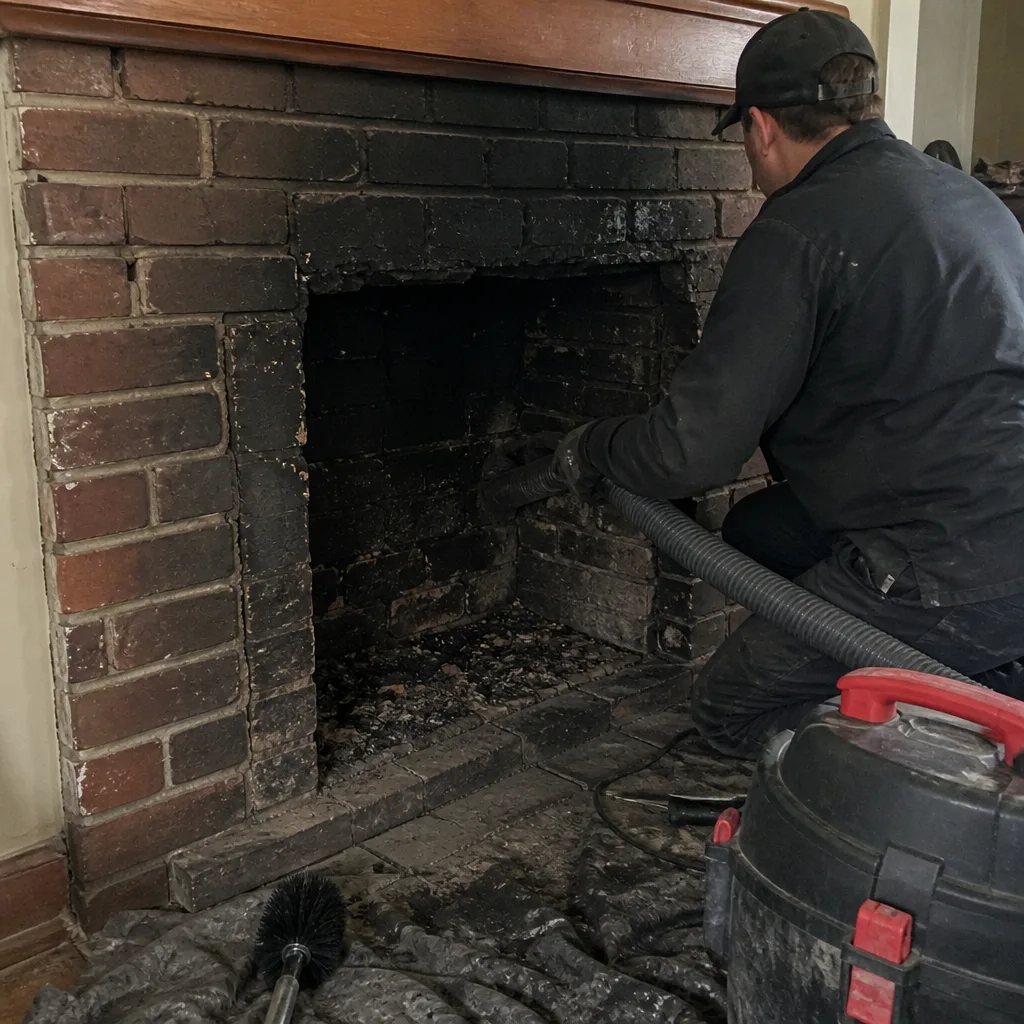 Before
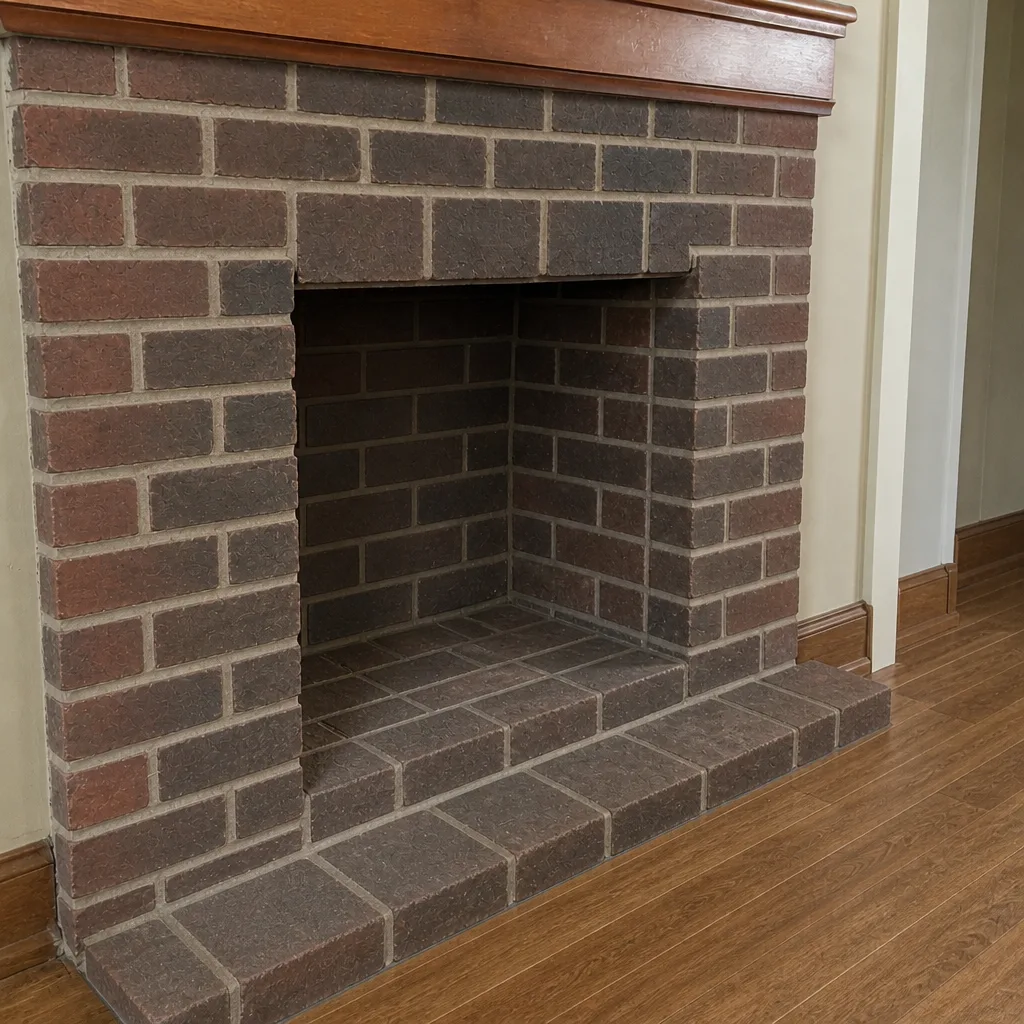 After
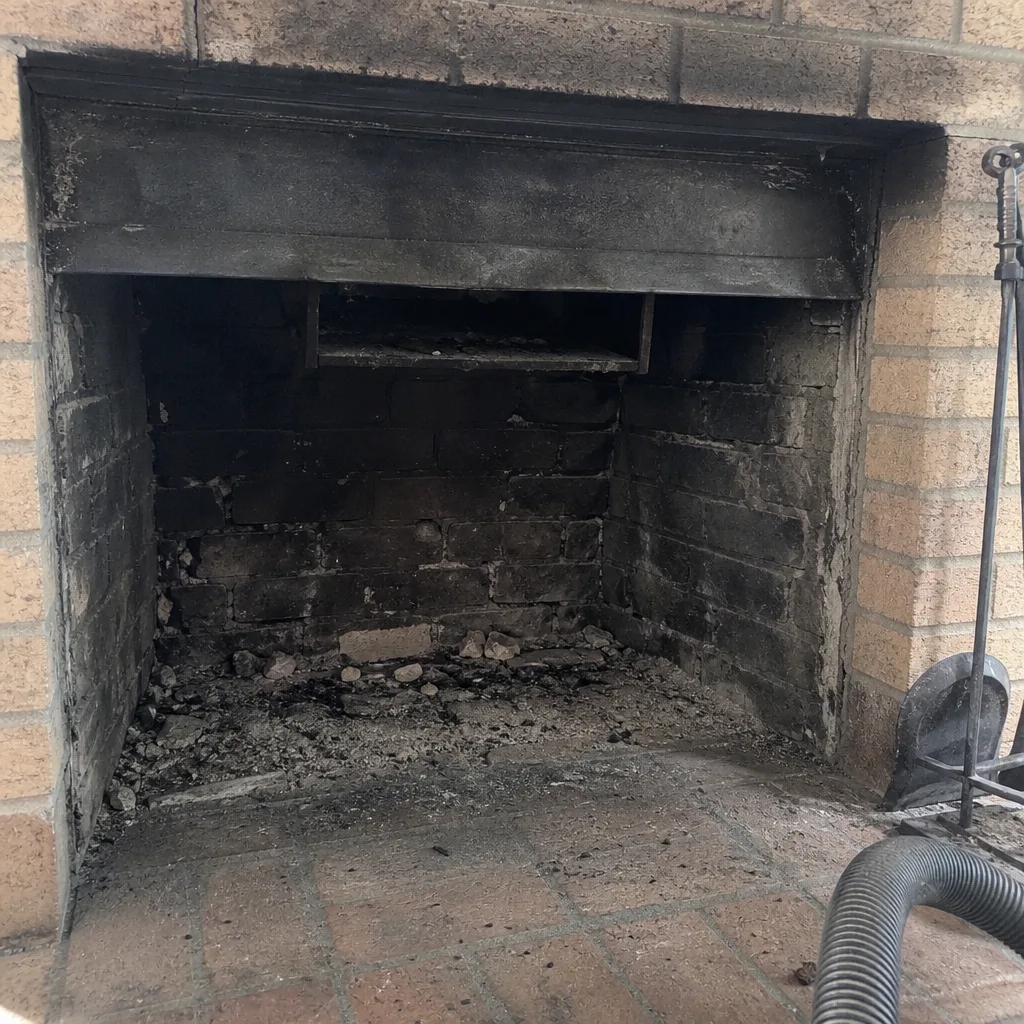 Before
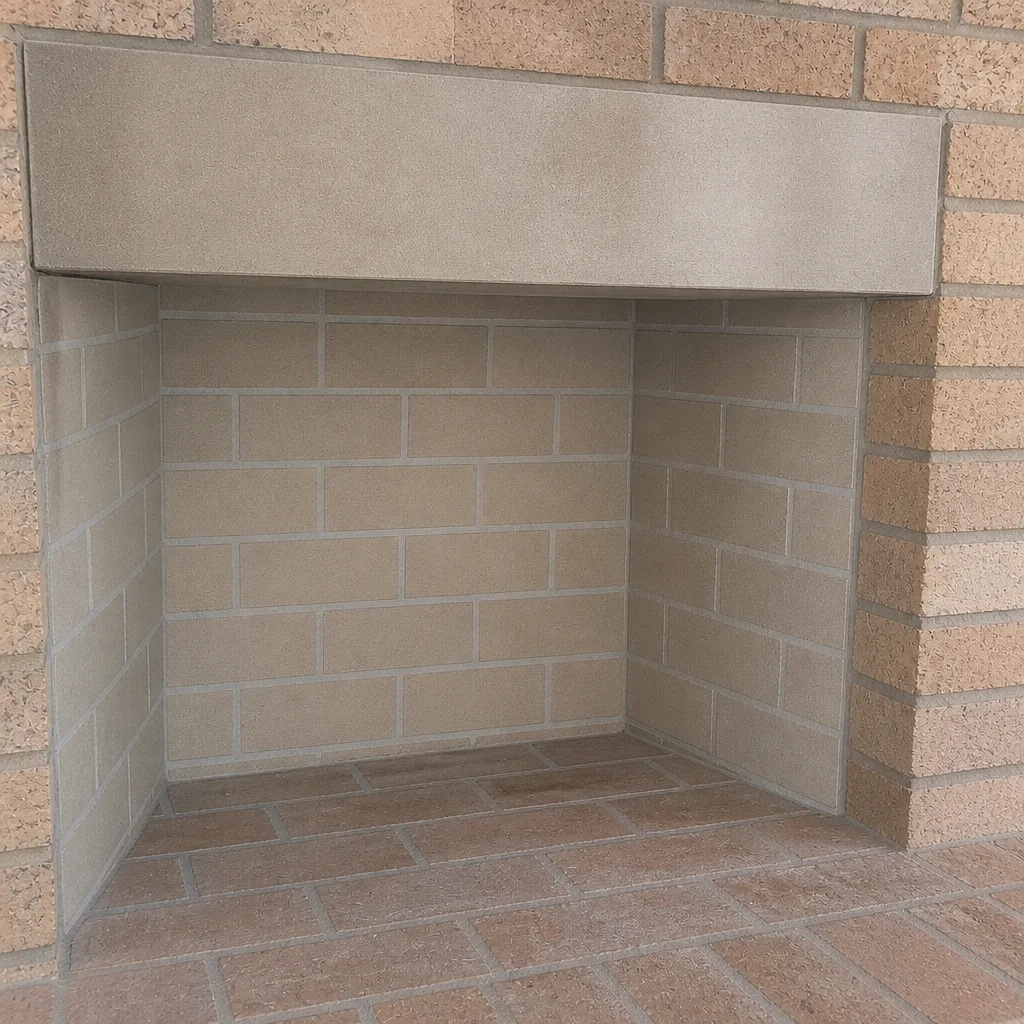 After
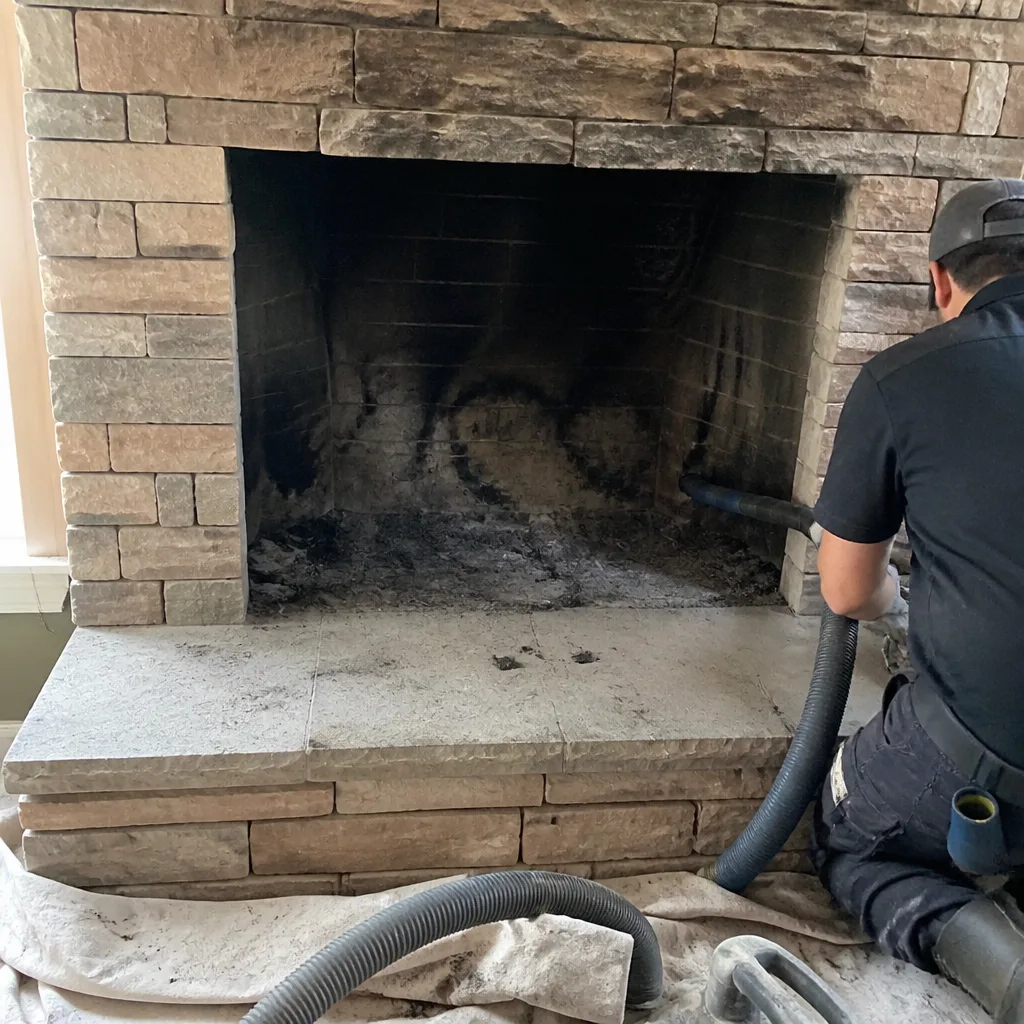 Before
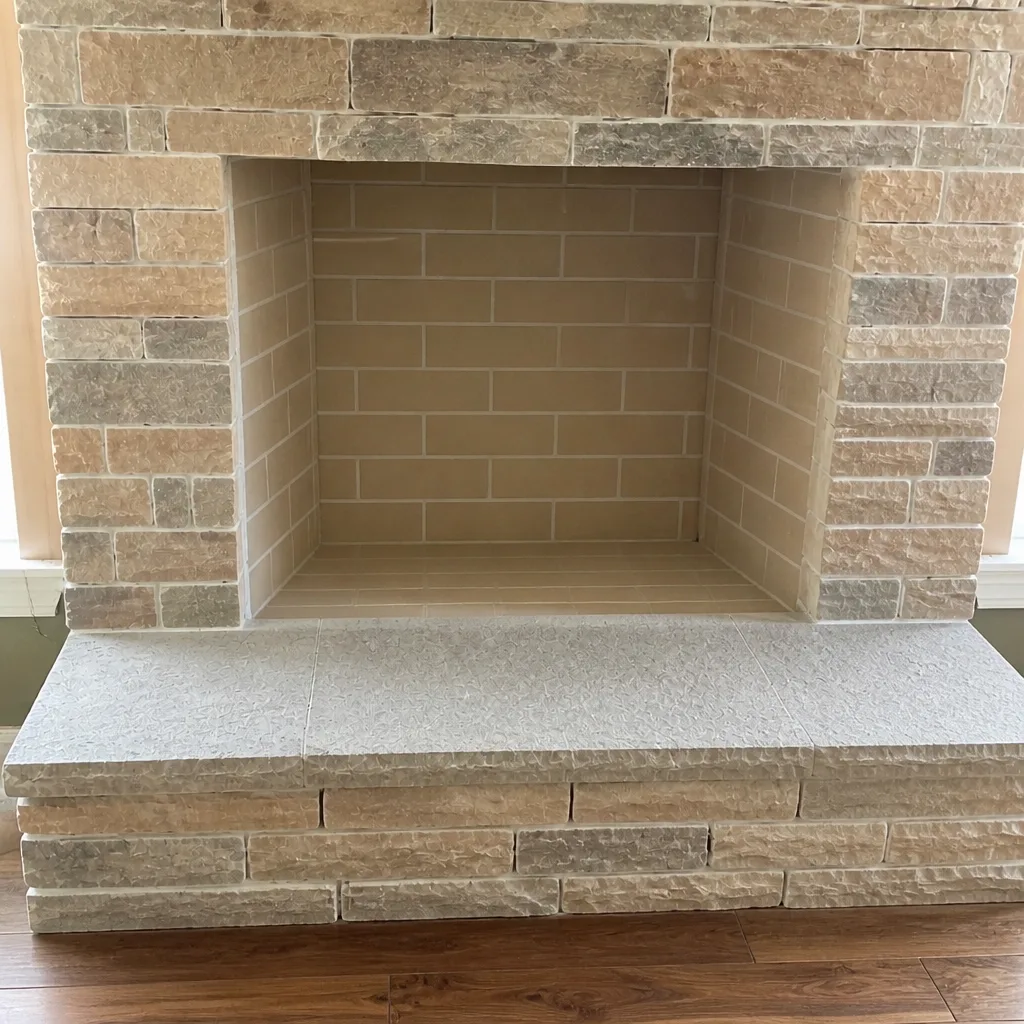 After
When to Call a Professional
Some chimney conditions can wait for the next seasonal sweep. Others shouldn’t. Call a professional if you’re seeing any of the following:
- Smoke rolling back into the room when you start a fire, or a weak draft that only got worse this season.
- A creosote smell that lingers after the fire is out, especially if it’s stronger on warmer days.
- Water stains on the ceiling near the chimney, or damp masonry on the exterior after rain.
- Visible cracking in the firebox, the crown, or the flue tiles.
- It’s been two or more heating seasons since your last sweep, or you’ve inherited a home with no chimney service record.
- A gas appliance that’s giving you headaches, soot, or a carbon monoxide alarm reading.
Some of those are structural. Some are hazards. A camera inspection is what divides the two, and it takes less time than you’d think. Chimney Sweep Centennial offers free estimates in Centennial. Call (833) 842-2139, and we’ll book a sweep and inspection into your calendar before the next cold snap.
Frequently Asked Questions
Chimney sweeping in Centennial typically runs $150 to $300 for a standard wood-burning flue, with a Level 1 inspection included; a Level 2 camera inspection often adds $75 to $150, and liner or masonry repairs are quoted separately after the findings. The written estimate sets the final price, and estimates are free. Call (833) 842-2139 for an exact quote based on your flue type and current condition.
Not always, and that’s why the camera inspection matters. A liner replacement is warranted when the flue tiles are cracked, spalled, or the existing liner has failed, but HeatShield resurfacing can sometimes restore an aging flue without full replacement. We recommend a liner only when the footage supports it, and you see the same footage. Call (833) 842-2139 for a free estimate on your specific flue.
Wood-burning flues should be swept annually, or more often if you burn heavily or notice creosote buildup. Gas-burning fireplaces still need an annual inspection even though they produce far less soot. If it’s been two or more seasons in Centennial without service, book a sweep before the heating season starts. Call (833) 842-2139 to get on the schedule.
Skipping service lets three-stage creosote accumulate and hides structural problems like cracked flue tiles and a failed crown. Those conditions raise chimney fire risk and carbon monoxide exposure, and they’re more expensive to fix once they’ve progressed. A camera inspection is the honest way to know whether your system is safe to burn in. Call (833) 842-2139 for a free estimate.
This is not a recommendation. Chimney sweeping involves work on the roof, access to a flue interior, and the ability to recognize what the flue walls, seams, and crown actually look like once you’re up close. A homeowner brush-down is unlikely to catch a cracked tile or a failed seam, and roof access is a genuine hazard. Hire a trained professional for anything beyond the visual check. Call (833) 842-2139 if you want an inspection.
A CSIA-certified sweep has passed a written exam on venting principles, codes, and proper inspection procedure, and maintains ongoing education. An uncredentialed technician has no third-party verification of that knowledge. The difference shows up in whether the inspection catches what it should. In Centennial, always ask for the certification before you book.
The Bottom Line
Hiring a chimney cleaning contractor in Centennial comes down to three moves: confirm they’re a full-scope chimney specialist (sweeping, inspection, and repair under one roof), ask the three screening questions before you book, and only accept a written estimate that itemizes the sweep, the inspection level, and any recommended repairs. The lowest quote almost always reflects missing inspection steps, not efficiency. The one you want is the one that puts a camera in your flue, hands you findings you can see for yourself, and tells you plainly what can wait. That’s the whole hire, and it’s easier to get right once you know what to look for.
If you’re due for service in Centennial or want a straight read on what your flue actually needs, call (833) 842-2139 for a free estimate. We answer 24/7. Fast dispatch from 7am to 7pm, Sunday through Friday. Chimney Sweep Centennial works with professional-grade materials from DuraFlex, HeatShield, Gelco, and Olympia Chimney, and we inspect and repair on the same visit, so nothing gets passed to a stranger. Stop by Centennial or give us a call and we’ll get you on the calendar before the next cold snap.
Written by the team at Chimney Sweep Centennial.