
Last updated November 16, 2026
 Sweep & inspection
 Caps & crowns
 Flue relining
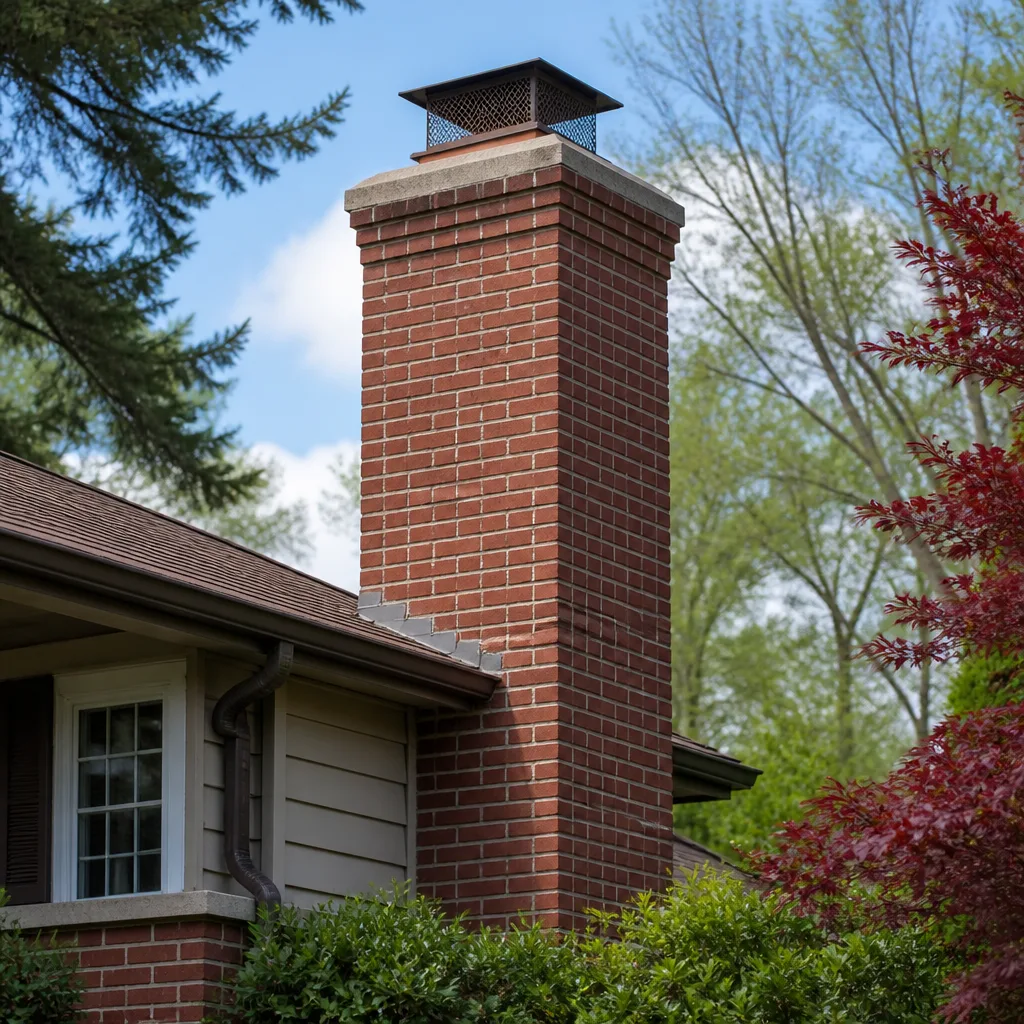 Masonry repair
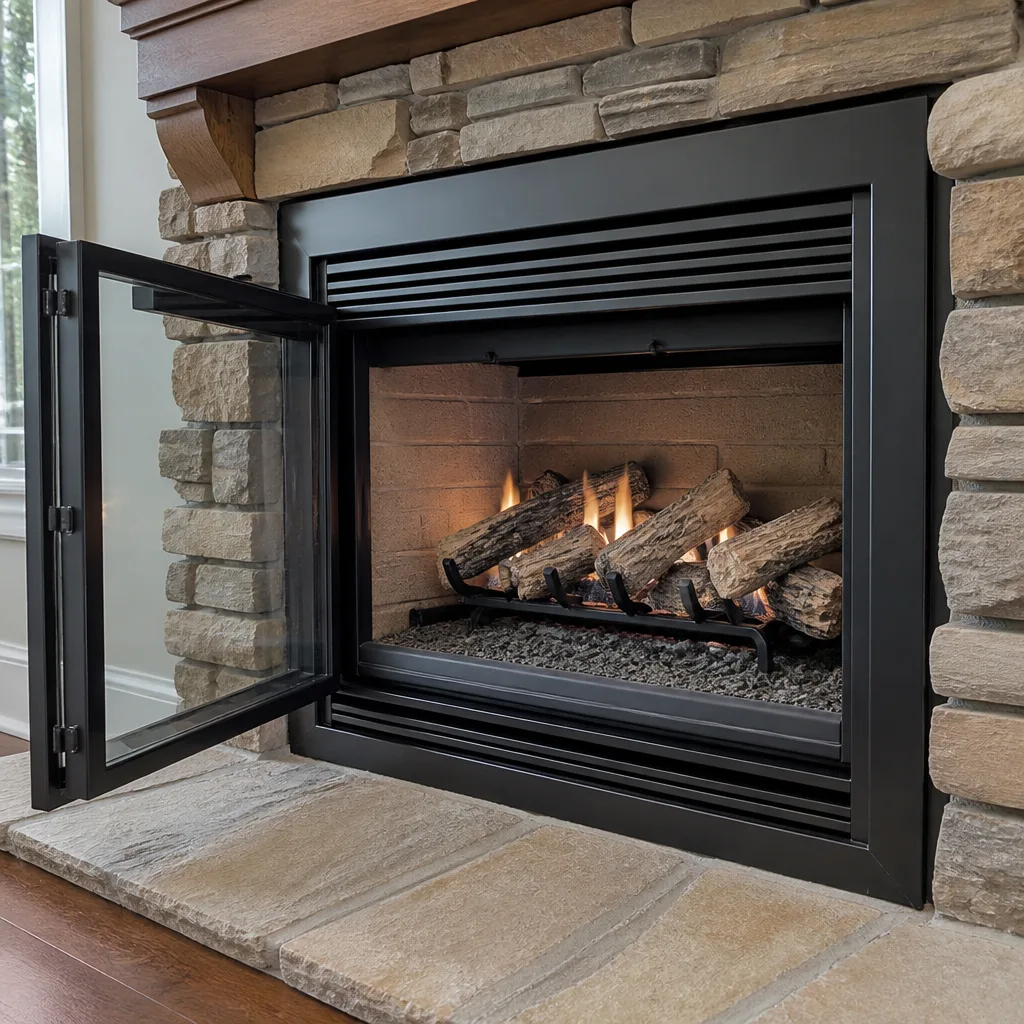 Gas fireplace service
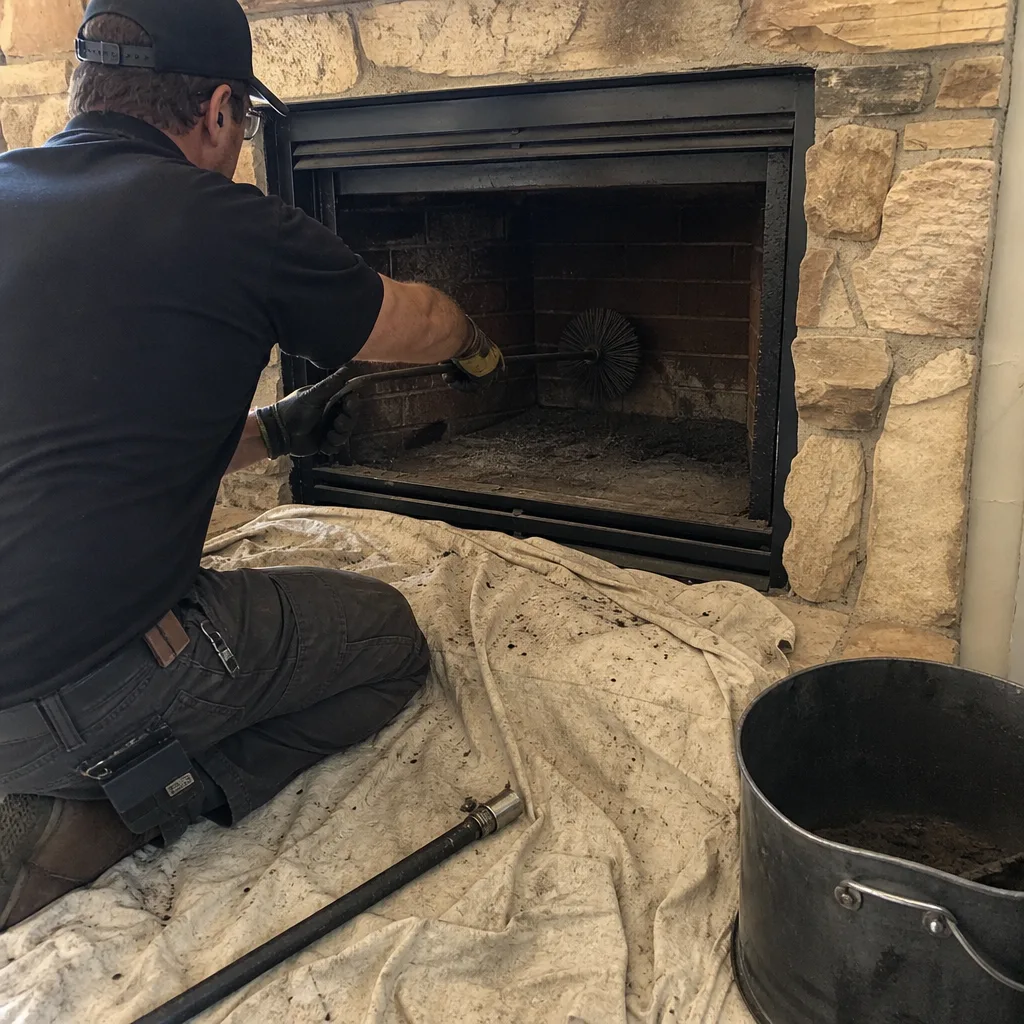
Level 1 sweep and inspection to the NFPA 211 annual standard - flue, crown, cap, and flashing checked and photographed
Chimney sweep logs do not sweep chimneys. They loosen some creosote - which then falls where a brush and vacuum still have to collect it.
Chimney Cleaning Cost Breakdown: The Centennial Homeowner’s Reference for 2026
The $99 chimney sweep special that fills Centennial mailboxes every fall usually buys you a brush pass and a quick look up the flue. It rarely includes rotary cleaning, a written inspection report, or the 90 minutes a thorough sweep actually takes on a masonry chimney. That gap between the advertised price and the real one is where most homeowners get confused, and it’s exactly what this guide unpacks. You’ll learn what a standard sweep, a Level 1 inspection, and a Level 2 inspection each include, why fireplace type changes the price, what common repairs cost in Centennial, and how to spot a low bid that’s built to upsell.
Quick Answer
Chimney cleaning in Centennial typically costs $180 to $340 for a standard wood-burning fireplace sweep, and a Level 2 inspection with camera usually adds $150 to $350 on top of that. The $89 to $99 specials you see advertised almost never include rotary cleaning, written documentation, or the time a real sweep requires. Quotes above $500 for a simple sweep usually mean the scope has expanded to include repairs or a liner assessment, which should be itemized in writing before you agree to anything.
Styles & brands we work with
- Sweep & inspection
- Caps & crowns
- Flue relining
- Masonry repair
- Gas fireplace service
Table of Contents
- What Actually Drives Chimney Cleaning Cost in Centennial?
- Line-Item Cost Structure: Sweep, Level 1, and Level 2
- How Fireplace Type Changes the Scope and Cost
- Common Repair Add-Ons and What They Cost
- Why a Quote Without a Written Scope Is Financially Dangerous
- Realistic Annual Maintenance Budget: Masonry vs. Prefab
- How Centennial’s Climate and Housing Stock Affect Your Chimney
- Common Mistakes to Avoid
- When to Call a Professional
- Frequently Asked Questions
What Actually Drives Chimney Cleaning Cost in Centennial?
Three things move the price of a chimney sweep more than anything else: how much creosote has built up, how hard it is to reach the flue, and whether the technician can see the whole liner. A lightly used fireplace with a glazed flue and easy roof access sits at the bottom of the range. A chimney that’s gone three or four seasons without service, with a steep roof pitch and a smoke chamber full of stage-two creosote, sits at the top.
Most homeowners assume the sweep itself is the expensive part. It usually isn’t. The labor of brushing and vacuuming a standard flue runs shorter than the inspection that should follow it. That’s why an honest quote breaks the work into two lines: the cleaning, and the inspection that tells you what condition the flue is actually in.
Fireplace type matters too. A wood-burning masonry fireplace with a standard damper takes one set of tools and one cleaning approach. A gas log set, an insert, or a freestanding wood stove takes a different one, sometimes with disassembly of the firebox components before anything can be swept. We’ll walk through that separately below.
What shouldn’t drive the price is urgency. A sweep is something you schedule, ideally before the heating season starts, not something you rush. In Centennial, that means booking in late summer or early fall rather than waiting for the first cold snap when everyone calls at once. If you’ve already waited, a same-day slot can sometimes be found, but the price doesn’t change based on how fast you need it. It’s set by the job, not the calendar.
One more factor: whether the technician has to get on the roof. Some flues can be swept from the firebox with the right equipment. Others require roof access to do it properly. Roof access adds time, and time is labor. Ask any company you talk to which method they plan to use and why, and you’ll quickly learn whether they’ve thought it through or just quoted a number.
Line-Item Cost Structure: Sweep, Level 1, and Level 2
This is the section most homeowners skim and later wish they’d read carefully. A chimney cleaning quote is really three possible jobs bundled into one line, and knowing which ones you’re paying for changes everything about how the price compares.
Standard Chimney Sweep
A standard sweep means removing creosote, soot, and debris from the firebox, smoke chamber, damper, and flue. On a masonry chimney in decent condition, that’s about 45 to 90 minutes of work depending on buildup and access. The price typically runs $180 to $340 in Centennial for a wood-burning fireplace, and it should include a drop cloth, a vacuum system that keeps soot out of your living room, and a final visual check of what was cleaned.
Level 1 Inspection
A Level 1 inspection is the basic visual check that should accompany every sweep. It covers the accessible portions of the firebox, damper, smoke chamber, and flue as far as the eye can see, and it should tell you whether the chimney is safe to use. On its own, a Level 1 inspection usually costs $100 to $200. When it’s bundled into a sweep, it’s often the portion of the price that gets skimmed off by low-bid operators in exchange for a quick look and a verbal “looks fine.”
Level 2 Inspection
A Level 2 inspection adds a camera scan of the entire flue and is the standard when a home changes hands, when a liner material changes, or when there’s any indication of a problem found during Level 1. It typically costs $150 to $350 on top of a standard sweep, and it’s the inspection that catches hidden cracks, gaps at joints, and improper liner connections. Ask for the photos and the written report. If a company can’t or won’t produce them, that’s the answer to whether they did a Level 2.
Why does the Level 2 take so much longer? Because it’s not a look. It’s a documented scan of the whole flue, top to bottom, with the technician confirming what they see on camera and writing down what they found. That written record is what protects you later if a repair decision needs to be made, and it’s what a reputable company will hand you before recommending any work.
- Standard sweep: $180 to $340 in Centennial, includes brushing, vacuuming, and debris removal
- Level 1 inspection (bundled): usually included in the sweep price, sometimes itemized at $100 to $200
- Level 2 inspection: $150 to $350 added, includes camera scan and written report
- Rotary cleaning (heavy creosote): add $75 to $200 depending on buildup
- Roof access surcharge (steep pitch): varies by job, ask before booking
When you schedule a chimney sweep in Centennial, ask the person on the phone to tell you exactly what’s included at the quoted price. If the answer is vague, the price is probably vague too.
How Fireplace Type Changes the Scope and Cost
The single biggest reason two Centennial homeowners with similar houses pay different prices for a chimney sweep is that they don’t have the same fireplace. The flue, the firebox, and the tools required all change with the appliance, and so does the time the job takes.
Wood-Burning Masonry Fireplace
This is the baseline. A traditional masonry fireplace with a damper and a clay tile liner is the most straightforward sweep, and it sits at the low-to-middle of the $180 to $340 range. Rotary cleaning may be needed if there’s heavy glazed creosote, which is common in homes that burn green or unseasoned wood.
Gas Log Set
Gas logs produce far less creosote than wood, but they have their own issues: the logs and burner assembly usually need to be moved and inspected, ventilation has to be confirmed, and the flue should be checked for obstructions like bird nests. A gas log sweep can be faster than wood but requires different diagnostic steps, so the price often lands in the same range. It’s not automatically cheaper, and anyone who tells you gas logs never need cleaning is skipping the inspection that catches problems.
Fireplace Insert
An insert sits inside the firebox and usually has its own liner connection, which means the sweep has to work through or around the insert components. Removal of the surround may be needed. Inserts typically add $75 to $150 to the price because of the extra time, and a Level 2 camera inspection is especially important because the liner connection is where problems hide.
Freestanding Wood Stove
A freestanding stove with its own stovepipe takes the most disassembly: baffle plates, pipe sections, and sometimes the stove itself has to be moved to access the flue. Expect the upper end of the range or slightly above it. The flue on a freestanding stove also tends to build creosote faster in the connector pipe, which is where a sweep should spend the most attention.
If your home has an insert or a stove and you’re being quoted a rock-bottom price, ask what happens to the liner connection during the sweep. If the answer is thin, the low price is probably leaving something out.
Common Repair Add-Ons and What They Cost
This is where a low-bid chimney sweep can turn into a $2,000 project, and where the difference between a careful diagnosis and a hard sell becomes visible. The repairs themselves are legitimate and sometimes necessary. What matters is whether they were diagnosed with evidence or just recommended.
Crown Coat Application
The crown is the concrete cap at the top of the chimney that sheds water away from the flue. When it cracks, water gets in and freeze-thaw cycles in Centennial make it worse. A crown coat application typically costs $250 to $600, and the work is straightforward: clean the crown, fill cracks, and apply a flexible coating that seals it. This is one of the repairs most often recommended unnecessarily, because it’s easy to point at a crack and hard for a homeowner to judge.
Damper Replacement
A damaged or missing damper lets conditioned air escape up the chimney year-round and lets cold air back down in winter. A top-sealing damper, which caps the flue at the top of the chimney when closed, typically costs $350 to $800 installed depending on the flue size and configuration. A throat damper replacement runs $250 to $500. The top-sealing option is generally the better long-term fix, and a company with Famco and Copperfield product knowledge can match the right damper to the flue rather than forcing one size fits all.
Cap Installation
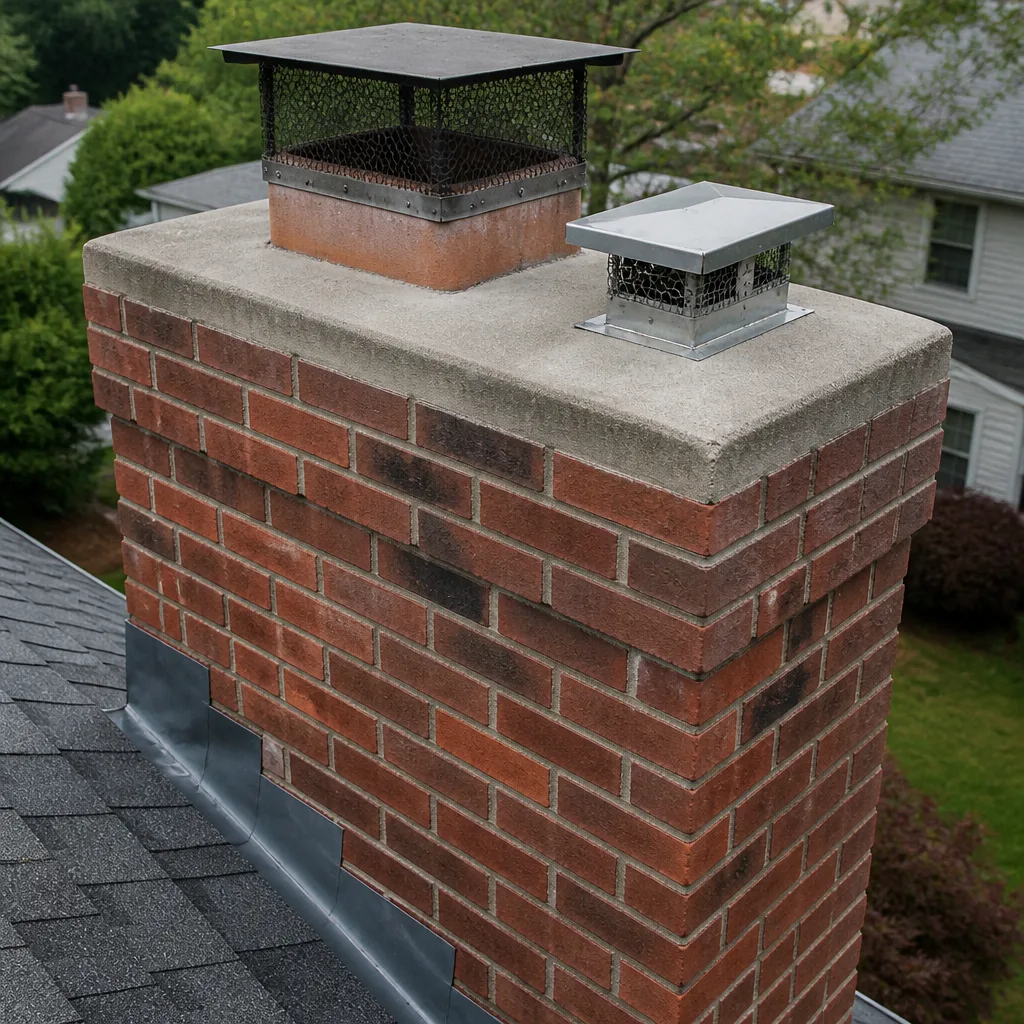
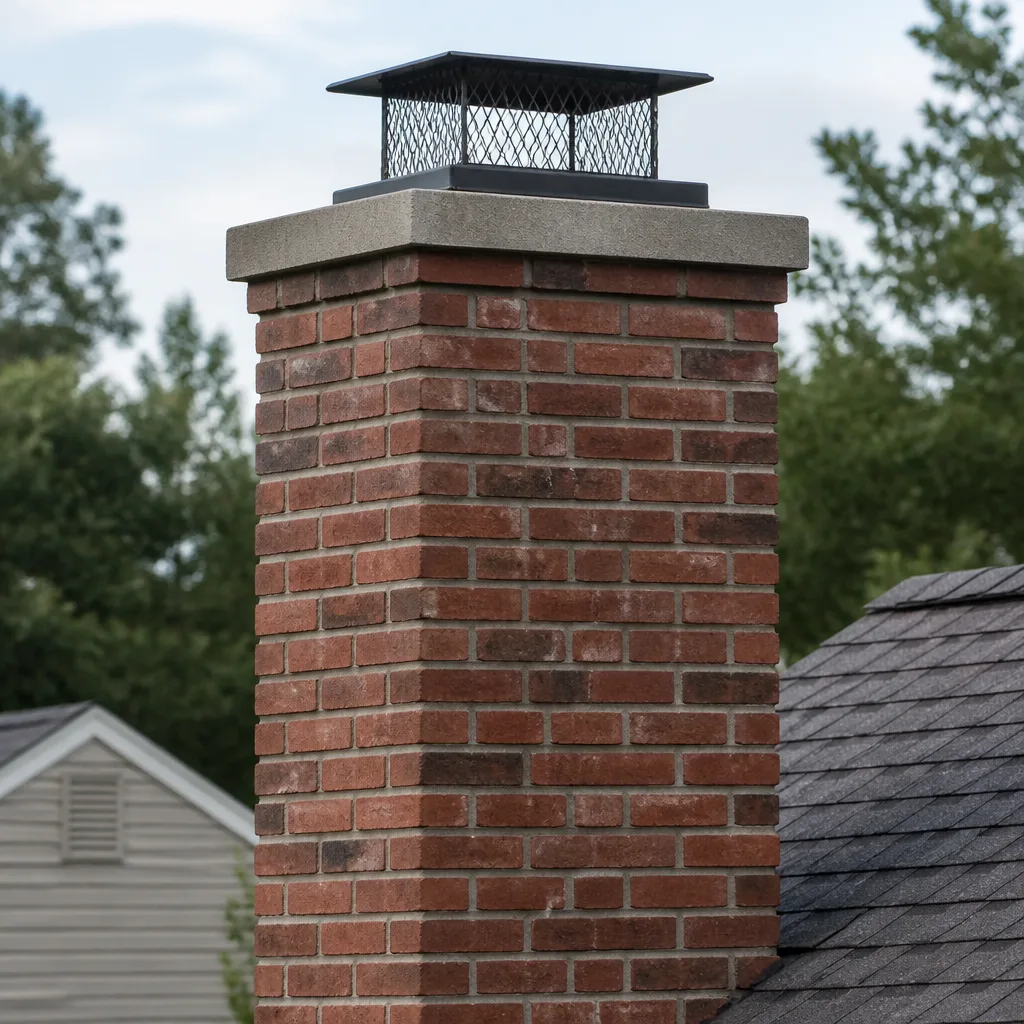
A chimney cap keeps rain, snow, birds, and squirrels out of the flue. Stainless steel caps with a spark arrestor typically run $150 to $450 installed. This is the cheapest preventive step on this list and the one most worth doing if your chimney doesn’t already have one.
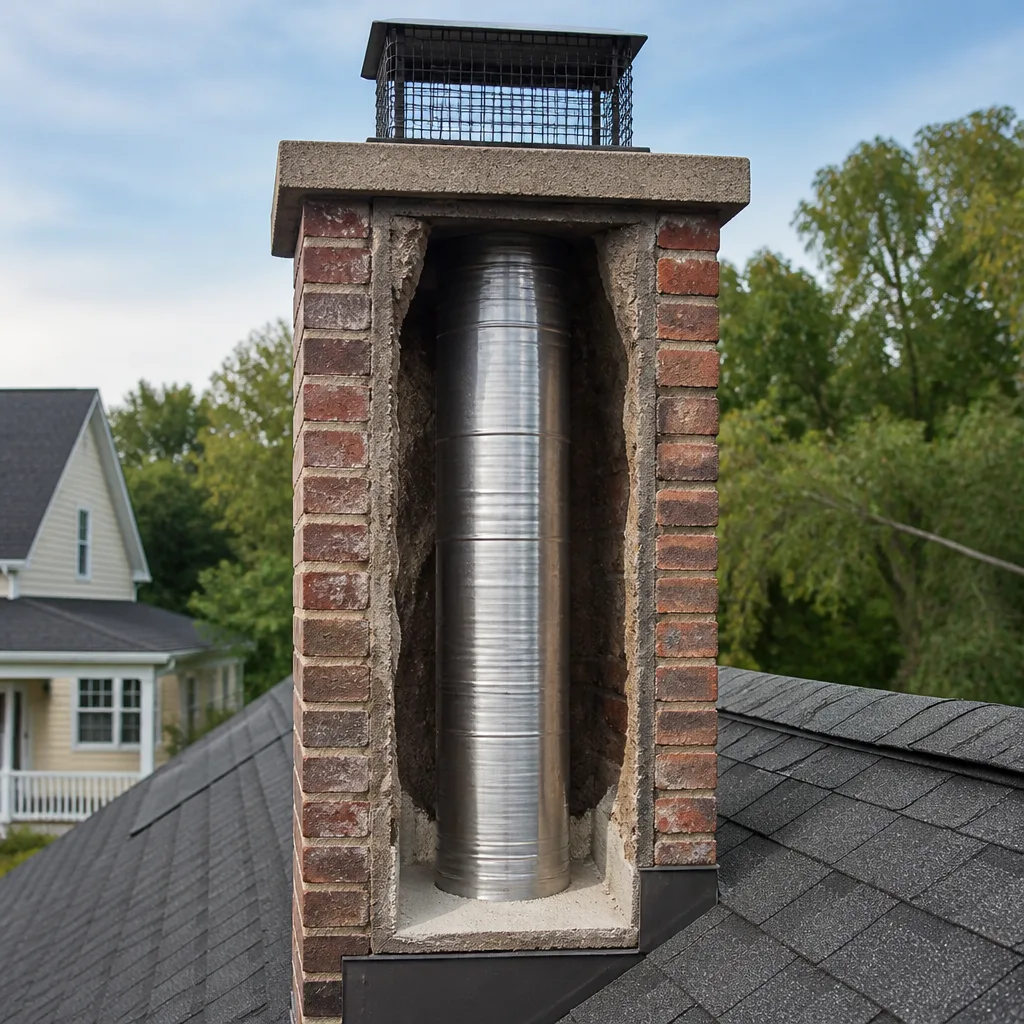
Liner Repair and Resurfacing
A cracked or deteriorated liner is the repair with the widest price range. HeatShield liner resurfacing, which applies a cementitious coating to seal cracks and restore the interior surface, typically costs $1,800 to $3,500 depending on the liner length and condition. A full relining with a DuraFlex flexible stainless liner typically costs $3,000 to $6,500 depending on length, diameter, and whether insulation is added. These are the two biggest dollar items in the whole chimney vocabulary, and they’re also the two most often recommended on a hunch. They shouldn’t be. A camera scan of the flue is the only honest basis for recommending either.
- Crown coat: $250 to $600
- Top-sealing damper: $350 to $800
- Throat damper: $250 to $500
- Stainless chimney cap: $150 to $450
- HeatShield liner resurfacing: $1,800 to $3,500
- DuraFlex flexible liner relining: $3,000 to $6,500
If a company recommends liner work without showing you camera footage of the inside of your flue, the correct response is to ask for the footage. Any chimney repair recommendation should come with visual evidence you can see for yourself, and a company that can’t produce it is asking you to trust a number with no support behind it.
It’s worth saying plainly: some liner problems can wait. A small crack in a clay tile that isn’t affecting draft or allowing heat through may be a candidate for monitoring rather than immediate resurfacing. The point of the camera scan is to know the difference, and a good technician will tell you when a repair can safely be deferred.
Why a Quote Without a Written Scope Is Financially Dangerous
A price without a written scope of work isn’t a price. It’s a number. And numbers without scope can be moved after the fact. That’s the shape of the problem, and it’s the reason we insist on written scopes before any job begins.
Here’s the upsell sequence a low-bid operator typically follows. It’s not a hidden secret; it’s a business model, and once you’ve seen the pattern you’ll recognize it in the first phone call.
- The low bid arrives. The price is well under what a real sweep costs, and the quote is verbal or a line on a generic form.
- The sweep happens fast. The technician brushes, vacuums, and reports that everything is clean, then mentions “a few concerns.”
- The concerns are escalated on-site. The technician mentions creosote in the smoke chamber, a “hairline crack,” or a “failing crown,” none of it photographed, all of it described to a homeowner who cannot see the inside of the flue.
- A high-margin repair is quoted immediately. Crown coat, liner resurfacing, damper replacement, sometimes all three, usually at a price that’s presented as urgent.
- You’re asked to decide before the technician leaves. The pressure is the tell. Repairs that are diagnosed with evidence can wait a day for you to think about them.
The alternative is simple and it’s what we do: inspect with a camera first, take photos, write the findings down, and put the recommended scope in a written estimate with line items and prices. If the flue is fine, the report says so. If there’s a repair to make, it’s your decision to make with the evidence in front of you, on your timeline, not the technician’s.
This is also why we carry recognized industry-grade materials rather than generic ones. HeatShield and DuraFlex are what professionals rely on for liner work, and Olympia Chimney and Copperfield components are the brands we reach for when a cap or damper needs matching to a specific flue. Using the right material for the repair, not whatever’s on the truck, is the difference between a fix that lasts and one that comes back in two seasons.
For homeowners in Centennial, that means one company handles the sweep, the inspection, and the repair, so findings never get passed off to a contractor you haven’t met. The same team that inspects is the team that repairs, and the written scope is the same document from beginning to end.
Realistic Annual Maintenance Budget: Masonry vs. Prefab
Budgeting for chimney care is easier once you separate the routine from the occasional. Most Centennial homeowners will see two routine costs and one occasional one, and planning around those three lines keeps the annual number predictable.
Standard Masonry Fireplace
An annual or biennial sweep at $180 to $340 covers the routine. Add a Level 2 inspection every few years at $150 to $350, and set aside a repair reserve for crown, cap, and damper work over a five-year horizon. A typical masonry fireplace in reasonable condition runs $250 to $450 a year in routine service if swept annually, or roughly half that if swept every other year with regular inspection. The occasional line is the liner work, which is a five-to-fifteen-year event, not an annual one.
Prefab or Factory-Built Fireplace
Prefab units have thinner walls and a steel liner system, and they tolerate creosote buildup less gracefully than masonry. They generally need yearly cleaning and inspection, and repairs are usually component swaps rather than masonry work. Budget $250 to $400 a year in routine service, and treat liner replacement as a larger occasional expense. Prefab repair tends to be cheaper per item but comes up more often.
What Actually Changes the Number
- How much you burn. A fireplace used a few times a week in winter needs annual service. A decorative gas log used rarely can go longer with regular inspection.
- What you burn. Seasoned hardwood builds less creosote than green or soft wood. This is the single biggest variable in creosote buildup.
- How the chimney is built. A properly sized flue and a good cap reduce water intrusion and animal nesting, both of which drive repair costs.
- Roof pitch and access. A steep roof adds labor to every job, including inspections.
We’ve seen homes in Centennial where a twenty-dollar cap would have saved thousands in crown and liner work. That’s the real budget insight: the small preventive line, done early, keeps the large occasional line from arriving sooner than it should.
How Centennial’s Climate and Housing Stock Affect Your Chimney
Centennial sits in the Front Range corridor south of Denver, where the heating season runs long and the freeze-thaw cycle is hard on masonry. Winters swing between freezing nights and mild afternoons, and that repeated expansion and contraction is what opens cracks in crowns and mortar joints. A chimney that looks fine in July can show spalling brick by February.
The housing stock matters too. Neighborhoods across Centennial include a large share of homes built in the 1970s through the 1990s, many with original masonry fireplaces and clay tile liners that have now seen several decades of heating cycles. Clay tile is durable but brittle; it cracks. When it does, the cracks aren’t visible from the firebox. They show up on camera. That’s why a Level 2 inspection matters more in older Centennial homes than in newer construction with factory-built systems.
Air quality rules along the Front Range also shape how people burn. Wood-burning restrictions on high-pollution days push some homeowners toward gas logs and inserts, and those appliances need their own inspection and cleaning schedule. A gas log flue isn’t maintenance-free just because there’s less creosote. Ventilation, debris, and liner condition still need checking.
The other local factor is wind. Chinook winds and spring gusts drive rain and snow sideways into chimneys, and a missing or undersized cap is the most common entry point for water damage. A properly fitted stainless cap with a spark arrestor, matched to the flue with the right Copperfield or Famco component, is the cheapest protection against the crown and liner damage that follows water intrusion.
We work across Centennial and the surrounding south metro, and the pattern holds: the chimneys that need the most repair work are the ones that went the longest without a look. If you’re in Centennial and haven’t had your chimney inspected in more than two seasons, that’s the place to start, and a Centennial sweep and inspection is the first step.
Common Mistakes to Avoid
- Booking the $99 special without asking what’s included. The price is real, but it usually covers a quick brush pass and a visual check, not rotary cleaning or a written report. Ask exactly what’s on the list before you book.
- Accepting a repair recommendation without photos. If a technician mentions a crack, a failing crown, or a bad liner, ask to see the camera footage or the photos. A recommendation without evidence isn’t a diagnosis, it’s a guess.
- Skipping the inspection because the sweep was “fine.” A clean flue and a sound flue aren’t the same thing. The sweep removes creosote; the inspection tells you whether the liner, crown, and damper are safe to use.
- Burning unseasoned or soft wood to save money. Green wood and pine build creosote faster, which means more frequent cleaning and a higher risk of a chimney fire. Seasoned hardwood costs more per cord and less per year in service.
- Waiting until the first cold week to call. Centennial schedules fill fast once the heating season starts. Booking in late summer or early fall gets you a better slot and a more careful job.
- Ignoring a missing chimney cap. A cap keeps rain, snow, birds, and squirrels out of the flue. Without one, water intrusion damages the crown and liner, and animal nesting blocks the flue. It’s the cheapest repair on the list and the one most often skipped.
- Hiring a company that only sweeps or only repairs. When the sweep and the repair are handled by different companies, findings get passed along with an incentive to inflate them. One provider for the sweep, inspection, and repair keeps the scope honest.
When to Call a Professional
Call a professional if it’s been more than a year since your last sweep, if you’ve noticed a strong creosote smell in warm weather, if smoke backs into the room when you light a fire, or if you can see cracked or missing mortar on the chimney exterior. Call before you burn again if you’ve had a chimney fire, even a small one, or if a storm has knocked debris into the flue. Call before buying or selling a home, because a Level 2 inspection is the standard for a real estate transaction. And call before installing a new appliance, because the flue has to match what you’re venting into it.
One caution that isn’t optional: chimney work involves heights, and liner work involves confined spaces and, on gas appliances, the risk of carbon monoxide if a connection is wrong. This isn’t a job for a ladder and a shop vacuum. A trained technician with the right equipment and a camera is the only safe way to know what’s happening inside your flue.
Chimney Sweep Centennial offers free estimates in Centennial. Call (833) 842-2139. We answer 24/7. Fast dispatch from 7am to 7pm, Sunday through Friday. Estimates are free and the price is set per job by the written estimate, so you’ll know the number before any work begins.
Frequently Asked Questions
A standard chimney sweep in Centennial typically costs $180 to $340 for a wood-burning fireplace, with a Level 2 camera inspection adding $150 to $350. Inserts and freestanding stoves run toward the upper end because of the extra disassembly. The written estimate sets the final price. Call (833) 842-2139 for an exact quote – estimates are free.
Only if a camera inspection shows the existing liner is cracked, deteriorated, or improperly connected. HeatShield resurfacing can sometimes restore a liner without full replacement, and full relining with a DuraFlex flexible liner is the option when the original liner is beyond repair. Nothing should be recommended without camera evidence you can see. Call (833) 842-2139 and ask for the footage before you decide.
A wood-burning chimney should be swept when there’s a quarter inch of creosote buildup in the flue, which for most Centennial households means annually during the heating season. Gas log and insert setups can often go longer between cleanings, but they still need an annual inspection. Call (833) 842-2139 to schedule a sweep and get a clear answer on your specific chimney.
Creosote builds up in layers, and glazed stage-three creosote is highly flammable. A chimney fire can crack the liner or spread into the structure, and a blocked or damaged flue can let carbon monoxide back into the house. Skipping service also lets small crown and cap problems turn into liner work. Call (833) 842-2139 – estimates are free, and the inspection tells you exactly where you stand.
Because they aren’t quoting the same job. A $99 quote usually covers a brush pass and a visual look, while a $300 quote covers rotary cleaning, a Level 1 inspection, and written documentation. Ask each company to itemize what’s included before comparing prices. Call (833) 842-2139 for a quote that lists the scope line by line.
Some can, and a good technician will say so. A small crack in a clay tile that isn’t affecting draft may be a candidate for monitoring, while a damaged crown that’s letting water into the masonry should be addressed before the next freeze-thaw cycle. The camera inspection is what tells the difference. Call (833) 842-2139 for an honest read on timing.
The Bottom Line
The spread between an $89 sweep and a $600 quote isn’t a mystery once you know what’s on each list. A real sweep includes rotary cleaning, a Level 1 inspection, and written documentation. A Level 2 inspection adds a camera scan of the full flue and the report that justifies any repair recommendation. Repair add-ons have their own ranges: crown coat, dampers, caps, and liner work each carry a typical price you can plan around. The rule that matters most is simple: no repair should be recommended without visual evidence, and no quote should be accepted without a written scope. Swept clean, inspected thoroughly, repaired to last.
Call (833) 842-2139 for a free estimate. We answer 24/7. Fast dispatch from 7am to 7pm, Sunday through Friday. We’re closed Saturday. Whether you need a routine Chimney Sweep Centennial service or a full inspection before you burn this season, the written estimate comes first and the price is set by the job.
Written by the team at Chimney Sweep Centennial.
See the difference
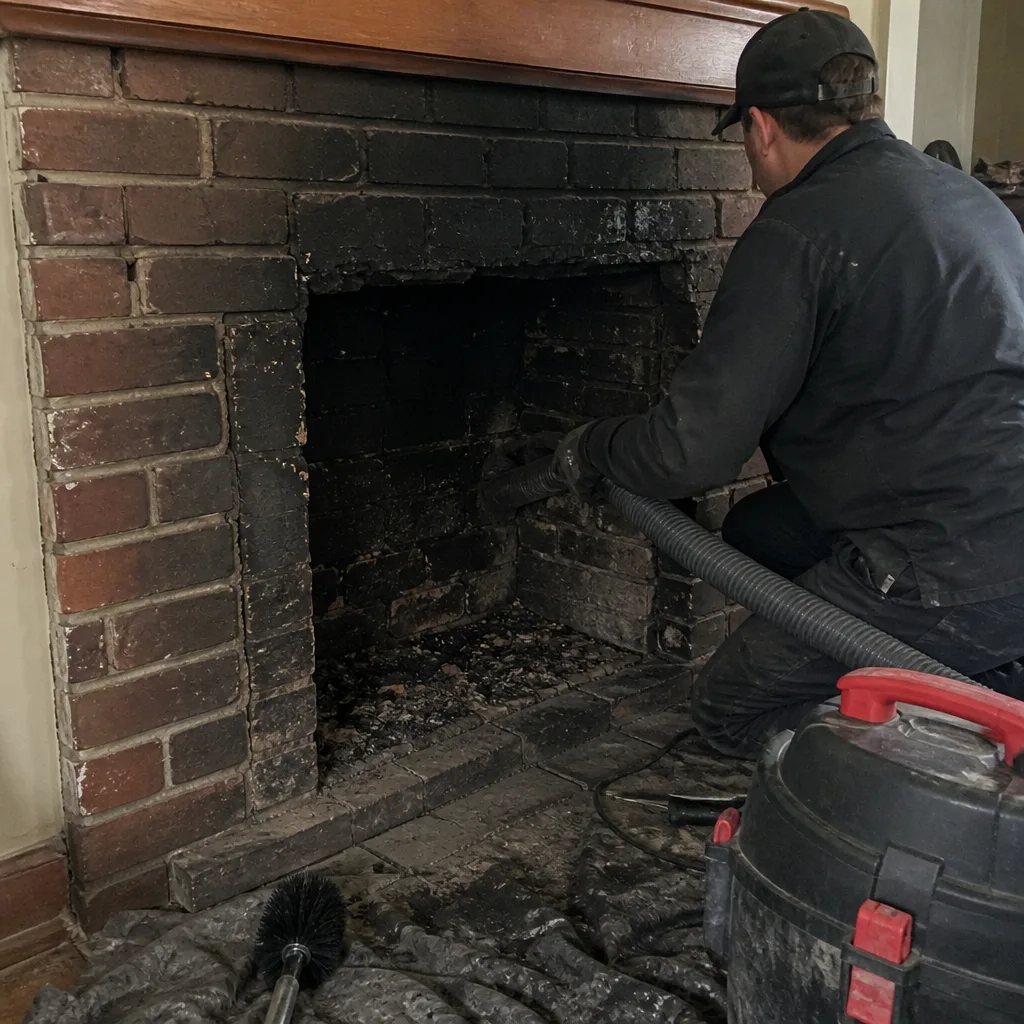 Before
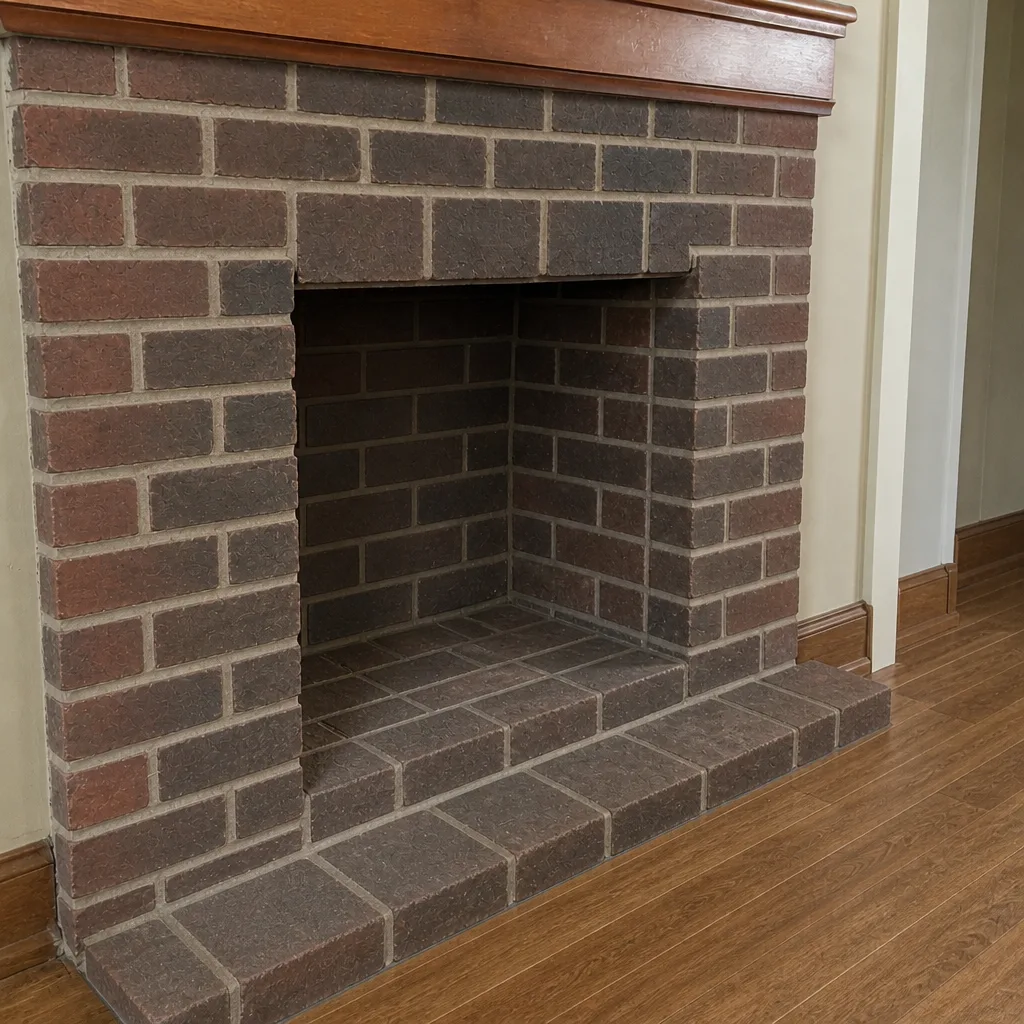 After
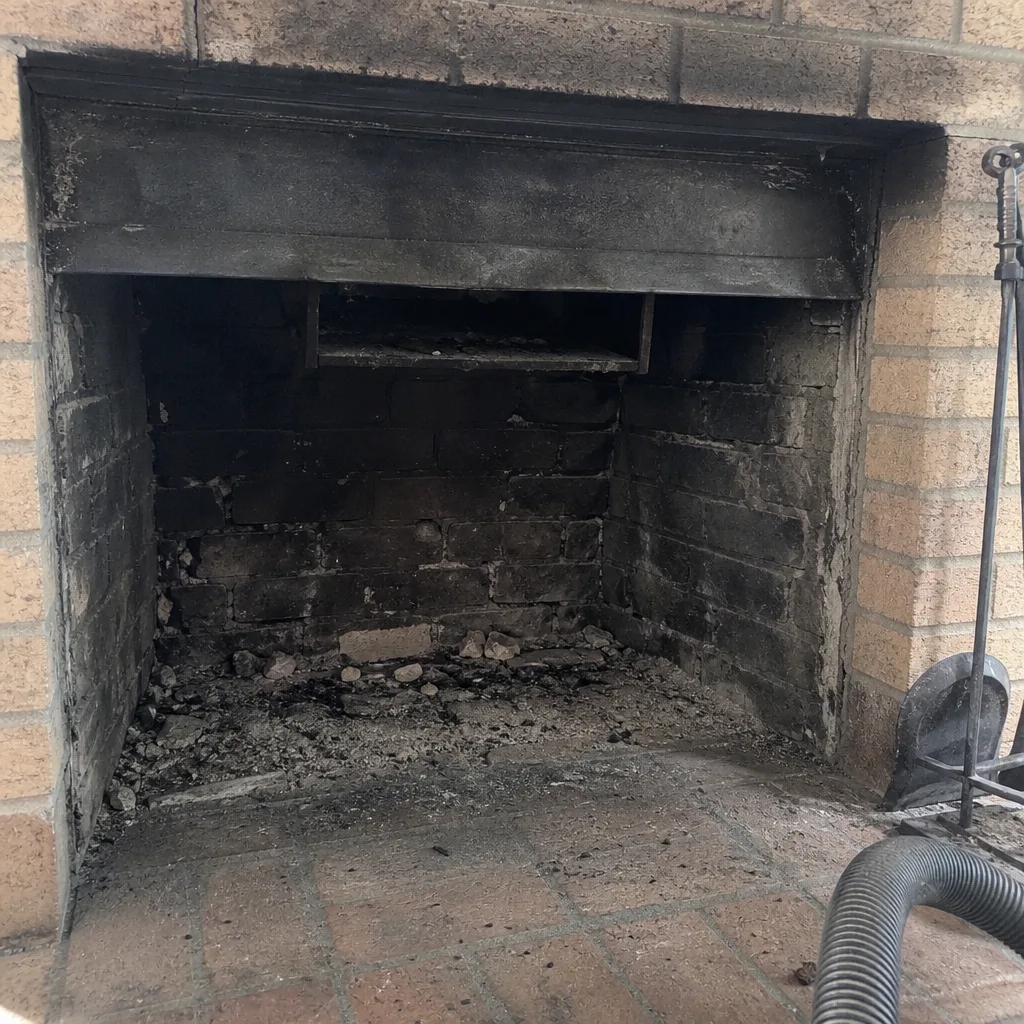 Before
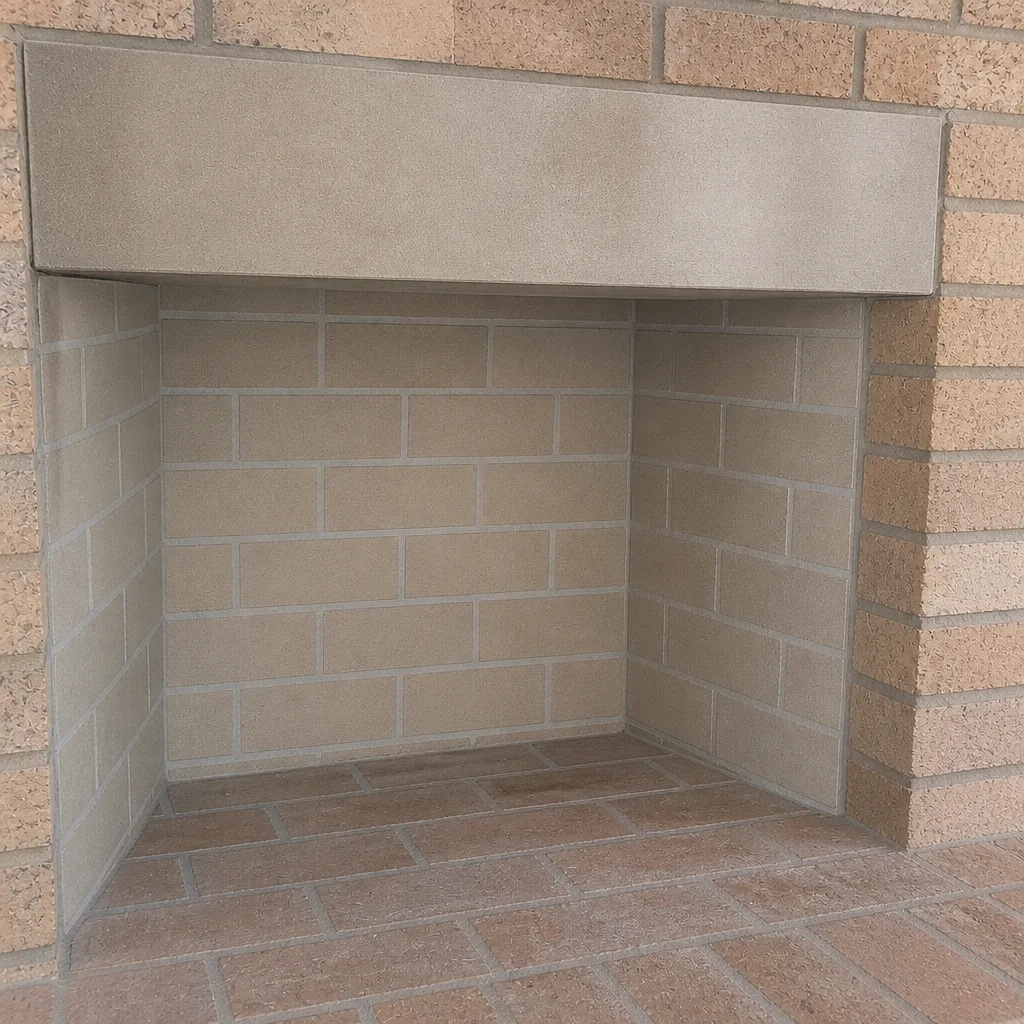 After
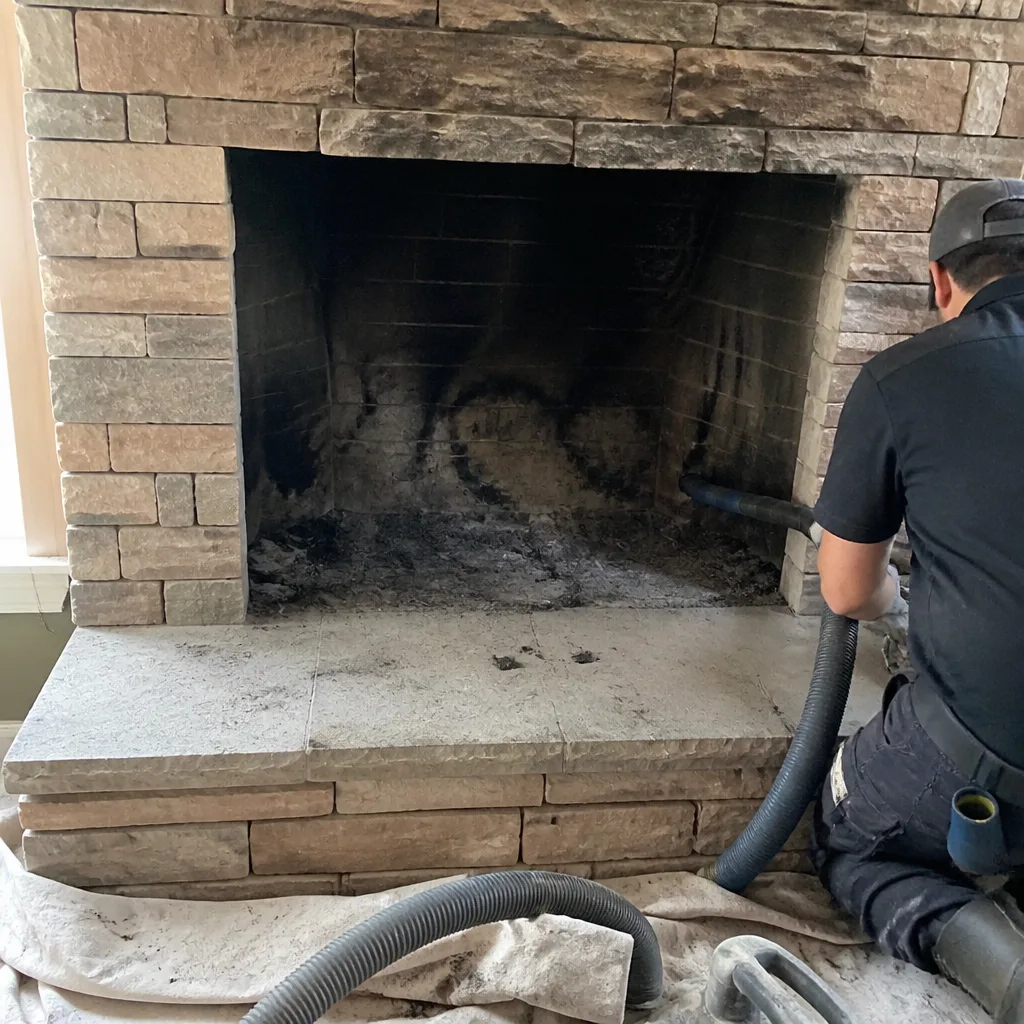 Before
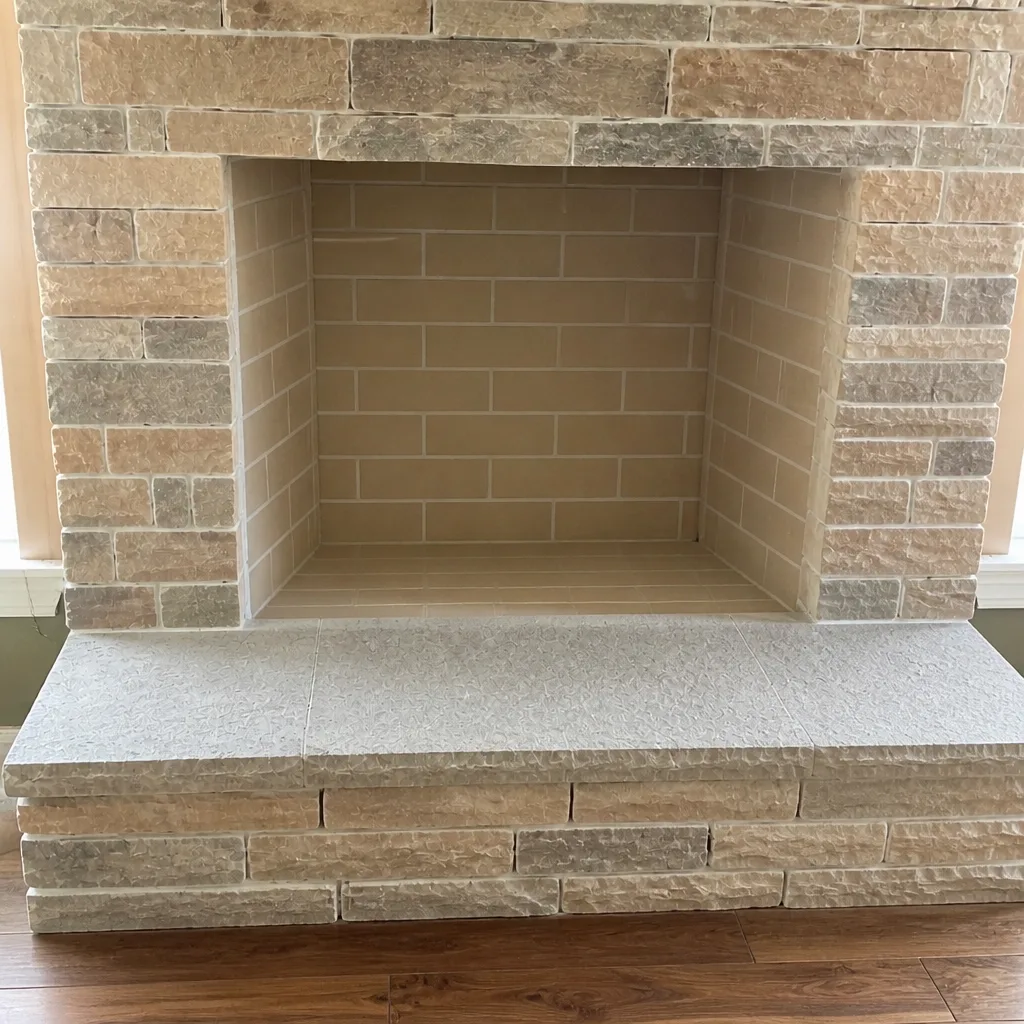 After