
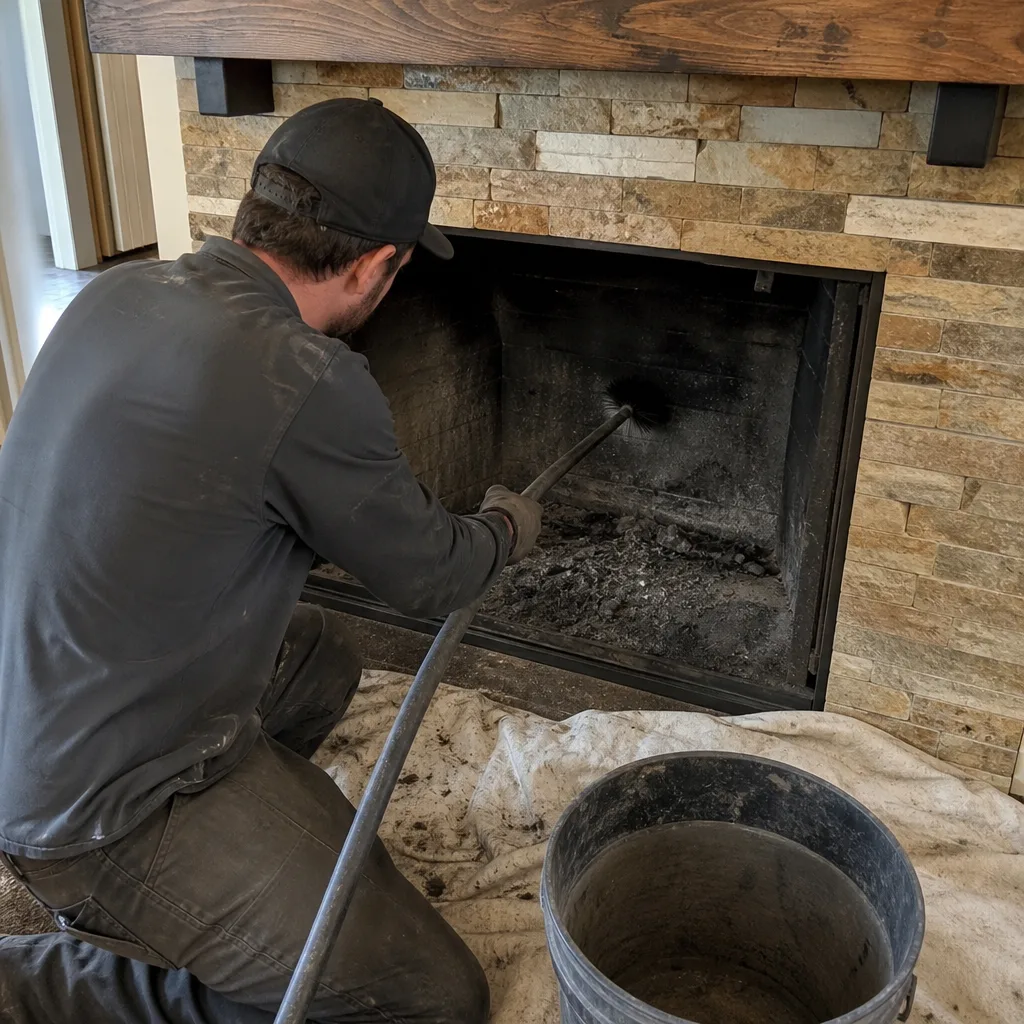
Last updated November 16, 2026
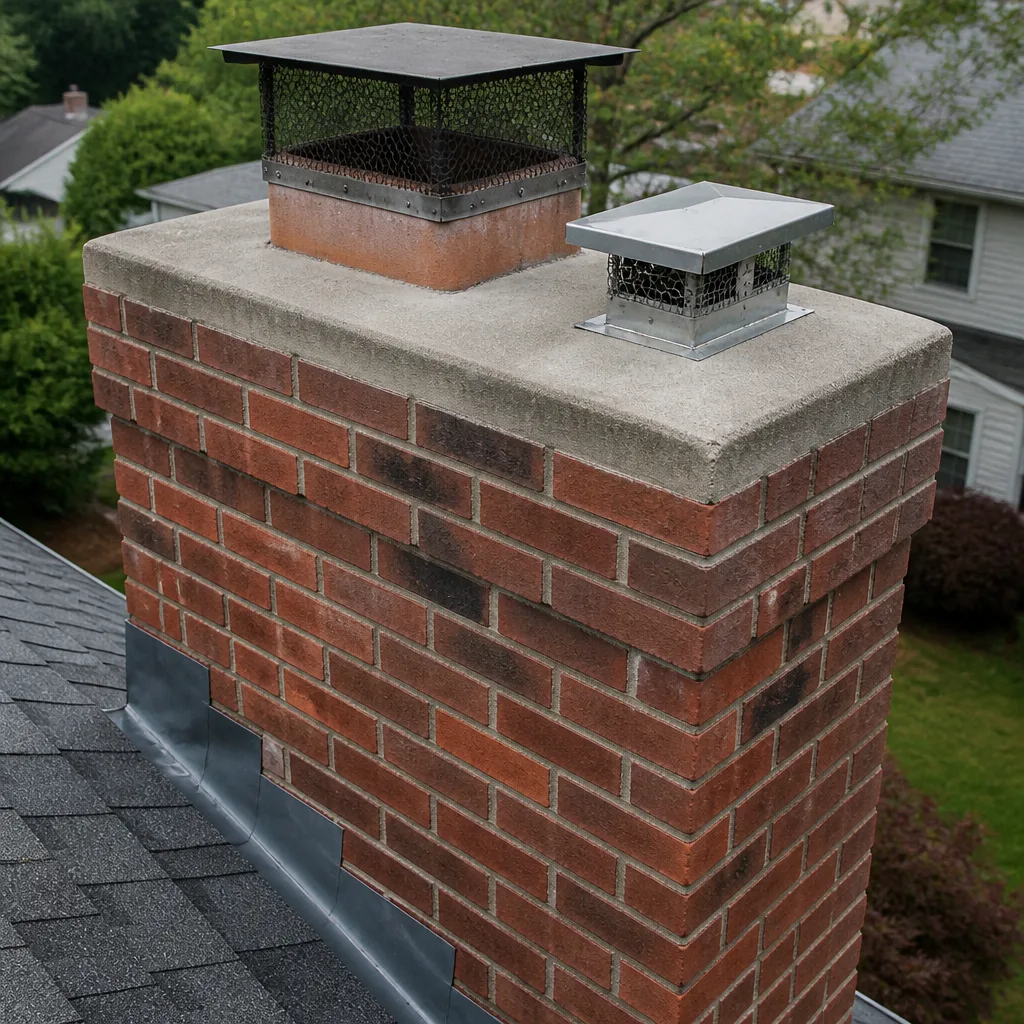 Sweep & inspection
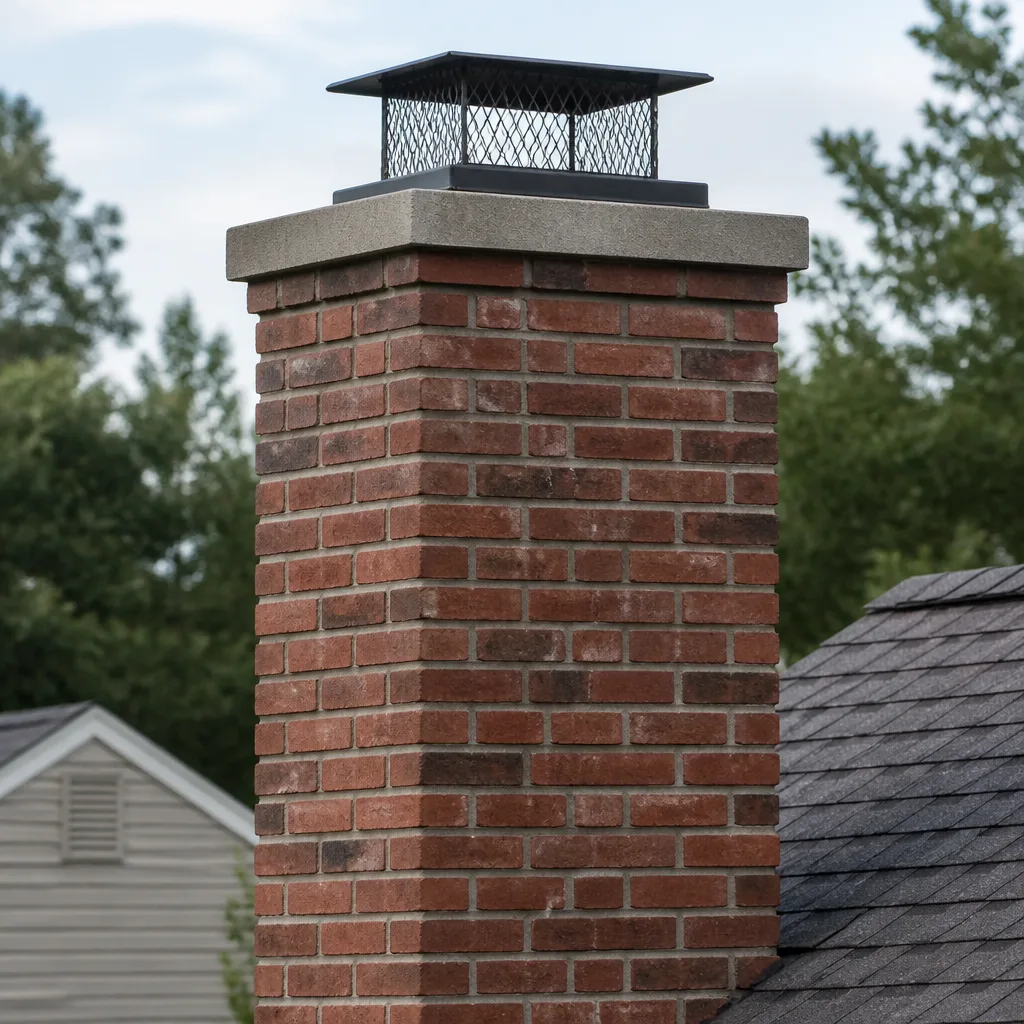 Caps & crowns
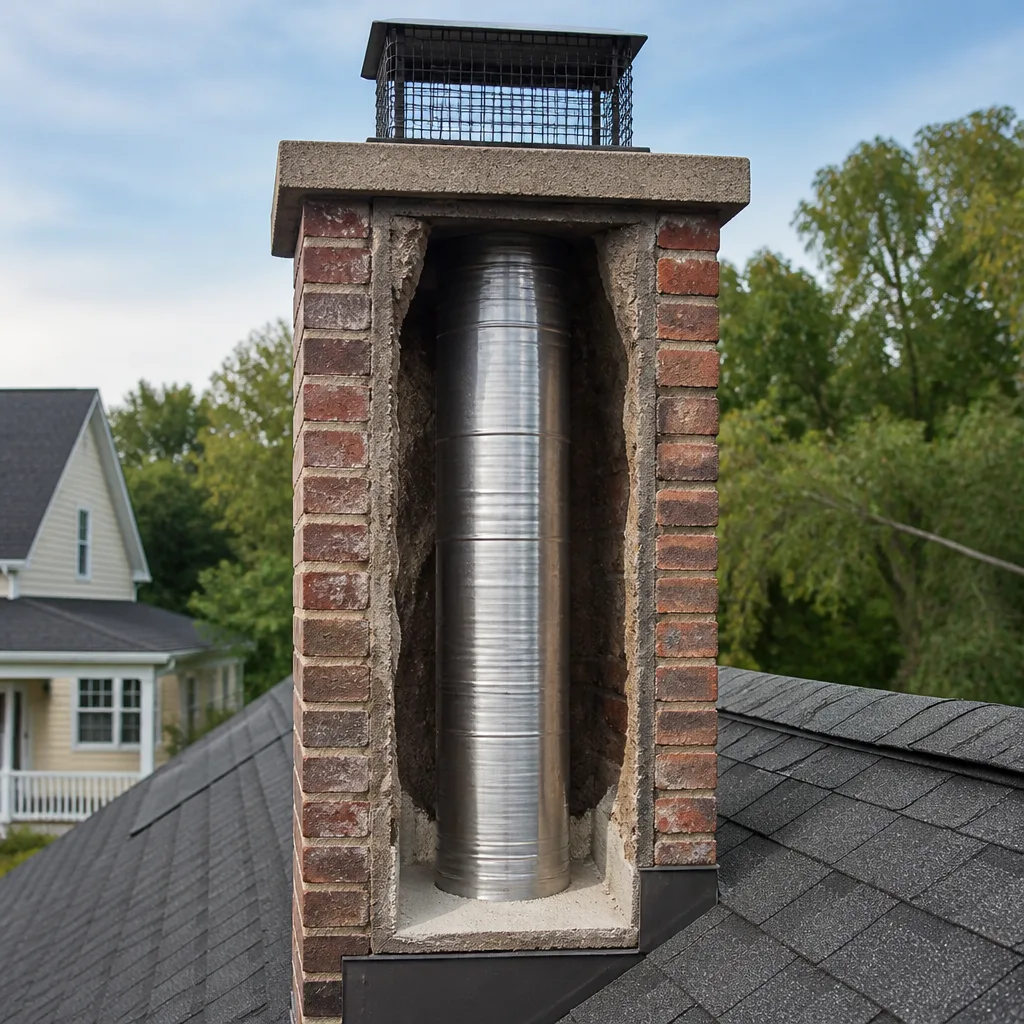 Flue relining
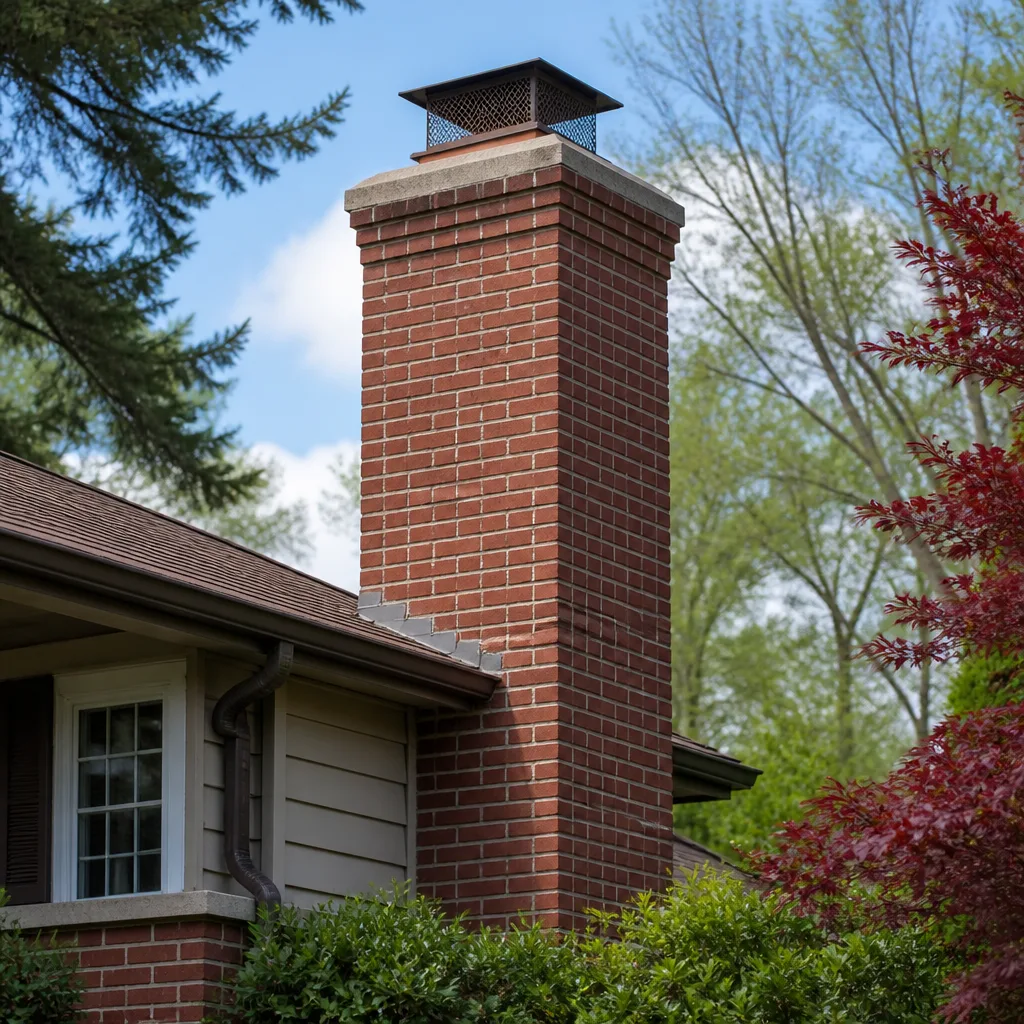 Masonry repair
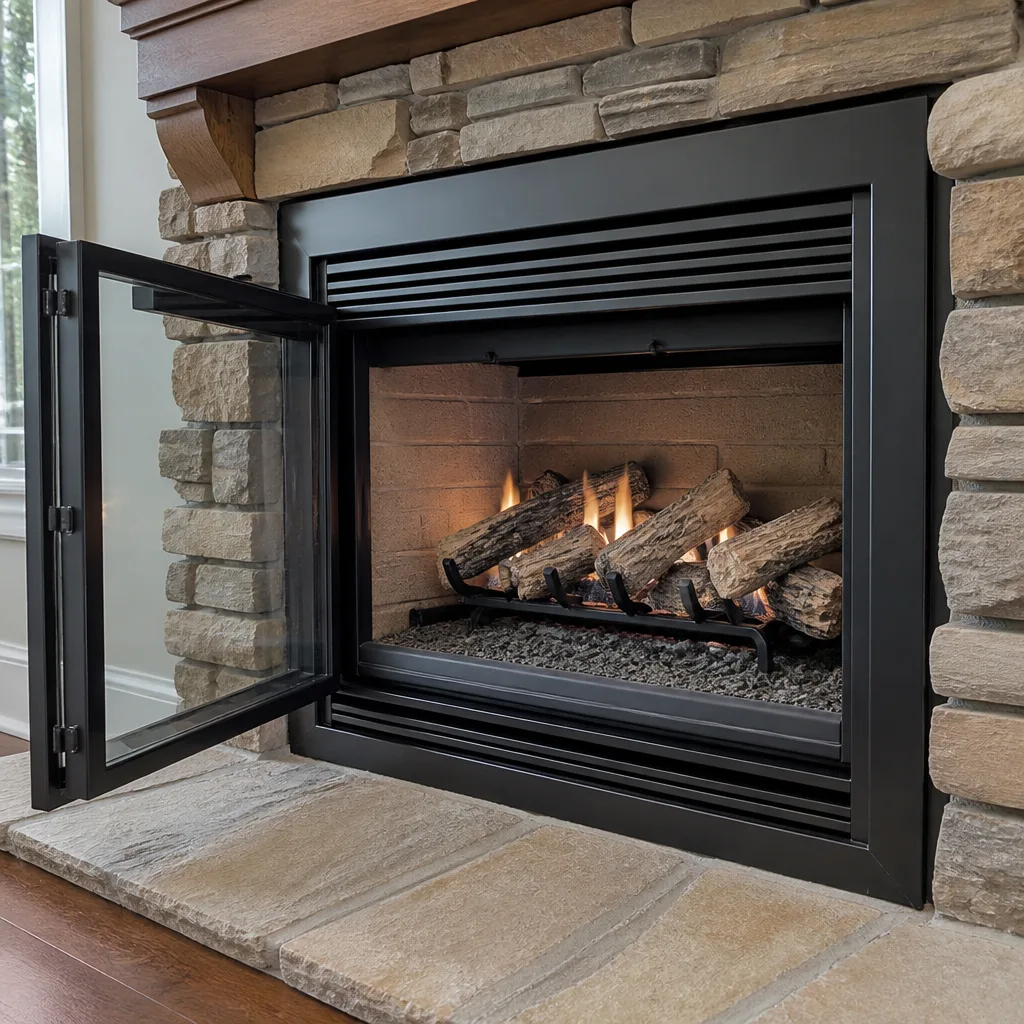 Gas fireplace service
Level 1 sweep and inspection to the NFPA 211 annual standard - flue, crown, cap, and flashing checked and photographed
Chimney sweep logs do not sweep chimneys. They loosen some creosote - which then falls where a brush and vacuum still have to collect it.
Chimney Cleaning Permits, Codes & Inspections in Centennial, CO: What You Need to Know
Here’s the part most Centennial homeowners never hear: sweeping your chimney is maintenance, but the moment a contractor touches your liner, firebox, or flue structure, you’ve stepped into permit territory. And if that work was done without a permit, your homeowner’s insurance may not cover a fire loss tied to it, and you may be forced to redo the entire job at your own expense when you sell the house. That sounds dramatic until you’ve watched it happen during a real estate transaction. This guide walks through which chimney services in Centennial, CO require permits under Arapahoe County jurisdiction, how Colorado’s adoption of NFPA 211 and IRC Chapter 10 sets the minimum bar, what a Level 2 inspection legally triggers, and how to verify permitted work on a home you’re about to buy.
Quick Answer
In Centennial, routine chimney sweeping is maintenance and typically doesn’t require a permit, but liner replacement, firebox rebuilding, and appliance installation or replacement generally do require a permit through Arapahoe County or the applicable local authority. Colorado adopts NFPA 211 and IRC Chapter 10 as the minimum standard for chimney installation and repair, and any contractor performing permitted work is obligated to pull the permit, document findings, and have the work inspected. If you can’t verify a permit was pulled on prior chimney work, treat it as unpermitted until proven otherwise.
Styles & brands we work with
- Sweep & inspection
- Caps & crowns
- Flue relining
- Masonry repair
- Gas fireplace service
Table of Contents
- Which Chimney Services in Centennial Need a Permit and Which Don’t
- How NFPA 211 and IRC Chapter 10 Set the Standard in Colorado
- What a Level 2 Inspection Triggers When Deficiencies Are Found
- How to Verify a Permit Was Pulled on Chimney Work
- The Liability Gap When Unpermitted Work Surfaces
- Why Centennial’s Climate Makes Code Compliance Matter More
- A Step-by-Step Compliance Checklist for Centennial Homeowners
Which Chimney Services in Centennial Need a Permit and Which Don’t
Not every visit from a chimney professional is a permitting event. Some work is classified as maintenance and is exempt; other work is a structural or mechanical change to the venting system and is treated like any other construction project. Knowing the line between those two buckets is the first thing Centennial homeowners should understand because a company that can’t explain the difference clearly is a company that may skip permits.
Here’s how the split generally shakes out in Centennial and the surrounding Arapahoe County jurisdiction:
Maintenance-exempt work (usually no permit required)
- Routine chimney sweeping to remove creosote, soot, and debris
- Standard Level 1 and Level 2 visual and camera inspections
- Cap replacement on an existing chase or flue
- Damper hardware replacement where no structural change is made
- Minor flashing repair and general crown maintenance
Work that generally requires a permit
- Full or partial liner replacement or relining of an existing flue
- Firebox rebuilding or firebox liner resurfacing as a structural repair
- Installation of a new wood stove, gas insert, or heating appliance
- Changes to flue height, termination point, or chase structure
- Any work involving a change to the venting system’s configuration
The rule of thumb that holds up in most municipalities: if the work changes how the chimney is built, how it vents, or what appliance it serves, it’s a permitted activity. If it changes only what’s inside the flue (creosote, soot, blockage), it’s maintenance. When in doubt, call Arapahoe County’s building department directly and ask for the chimney or venting classification before work begins. That single phone call clarifies things faster than any contractor’s opinion.
How NFPA 211 and IRC Chapter 10 Set the Standard in Colorado
Colorado has adopted NFPA 211 (Standard for Chimneys, Fireplaces, Vents, and Solid Fuel-Burning Appliances) and Chapter 10 of the International Residential Code (IRC) as the accepted minimum standard for chimney installation, repair, and venting. This means that even when a permit isn’t required, the work still has to meet code. There is no version of chimney repair in Centennial where the standards don’t apply; the permit is simply the paperwork that proves the standard was met.
The practical implications matter more than the code book language:
- Clearances are non-negotiable. IRC Chapter 10 sets required clearance between chimneys and combustible materials. Improper clearance is one of the most common problems we see in older Centennial homes where a previous owner or contractor “made it fit.”
- Liner sizing follows the appliance. NFPA 211 requires that the flue lining be sized to the appliance it serves. A liner that was replaced with the wrong diameter, even if installed by a licensed contractor, is still a violation.
- Terminations have a height and location requirement. Caps and flue tops are not just cosmetic. Height above roof line and distance from adjacent walls both affect how the chimney drafts and vents.
- Materials must be listed for the application. This is where professional-grade products matter. Brands like DuraFlex flexible liners and HeatShield resurfacing systems are manufactured to meet specific listing standards for chimney use. Generic substitutes often aren’t, and a code inspector will note that.
What this means for a Centennial homeowner is that the “minimum code standard” is not a low bar. It’s a genuine set of requirements that a contractor has to know and follow on every job. When you work with a chimney professional who installs only recognized industry-grade product lines, the code compliance is built into the material choice, not bolted on afterward.
What a Level 2 Inspection Triggers When Deficiencies Are Found
A Level 2 inspection is the standard inspection that’s required whenever a property changes hands, an appliance changes, or an event (like a chimney fire or earthquake) has occurred that could damage the flue. In Centennial, this is also the inspection that most often kicks off the permit conversation because a Level 2 goes beyond the visual check of a Level 1; the technician uses a camera to see the entire interior of the flue.
What legally gets triggered when a Level 2 inspection finds deficiencies:
- Documentation. The inspection report becomes part of the property’s record of condition. That report is often reviewed by a real estate attorney or an insurance adjuster during a transaction or a claim.
- Disclosure. In a sale, material deficiencies in a chimney system are generally a disclosable condition. The seller must typically disclose them, and the buyer can walk or renegotiate.
- Permit requirement evaluation. If the deficiency calls for repair that changes the chimney structure or venting configuration (a liner replacement, firebox rebuild, or appliance swap), it becomes a permitted job.
- Contractor obligation. Any licensed contractor pulling a permit for that repair is obligated to have the work inspected by the authority having jurisdiction before it’s considered complete. There’s no such thing as a self-certified permitted repair.
- Insurance notification. Some homeowner policies require that the homeowner notify the insurer of significant repairs to the heating system. An unpermitted repair can void or reduce a claim.
We approach every inspection as a diagnostic step, not a sales pitch because the documentation generated by a Level 2 is the legal backbone of everything that follows. When we write up a deficiency, we include the camera evidence so the homeowner can see exactly what the technician saw. That’s the difference between a repair recommendation you can trust and a repair recommendation you have to take on faith.
How to Verify a Permit Was Pulled on Chimney Work
This is the question that comes up over and over during Centennial real estate closings: did the previous owner pull a permit for that liner or firebox work? The good news is that verified work is not hard to trace if you know where to look. The frustrating news is that most homeowners never check.
Follow this sequence:
- Look up the property’s permit history. Arapahoe County and the City of Centennial both maintain online permit portals where you can search by address. Search for any permit tagged as chimney, fireplace, venting, or mechanical.
- Match the permit to the work. A permit for a “fireplace insert” doesn’t cover a liner replacement. Check the scope on the permit against the scope of the actual work.
- Confirm inspection sign-off. A permit that was pulled but never inspected is barely better than no permit at all. Look for the final inspection record.
- Ask the seller in writing. In a real estate transaction, ask in writing whether any chimney work was done and whether permits were pulled. If the answer is “not sure,” that’s your cue to order a Level 2 inspection.
- Hire an independent inspection. An inspector working for you (not the seller, not the seller’s chimney contractor) can determine whether the work matches what the permit states.
If you’re buying a Centennial home and the chimney log shows a liner replacement but no permit, that’s a yellow flag. It doesn’t automatically mean the work is bad, but it does mean you don’t have documentation that it was done right. And in a real estate transaction, missing documentation is leverage. Use it.
If you’re a Centennial homeowner who recently had chimney repair done by another company and can’t verify a permit, we can inspect the work and generate the documentation you need either way.
The Liability Gap When Unpermitted Work Surfaces
The most expensive outcome of unpermitted chimney work isn’t the permit fee. It’s the liability gap when something goes wrong and the paper trail doesn’t exist.
Here’s how that gap opens up:
- Insurance claims. If a fire loss is traced to a chimney installation or repair that was done without a permit, your insurer may deny or reduce the claim. That’s not a scare tactic, that’s how most homeowner policies read on the subject of unpermitted modifications.
- Sale delays and price reductions. A buyer’s inspector finds a liner that was replaced without a permit, the closing gets delayed, and the price gets renegotiated or the seller pays to have the work redone by a permitted contractor. The seller pays twice.
- Redoing the work. If a permitted house with an unpermitted repair needs the work re-done to close the sale, the current homeowner eats the cost. That’s often the full cost of the liner replacement, not just the permit fee.
- Discoveries during repair. A permitted contractor who opens up a chimney and finds unpermitted work underneath becomes obligated to document it, because their own permit is now attached to a system with pre-existing defects.
The liability lands on whoever owns the home when the gap is discovered. That’s why verifying the permit history before purchase matters, and why choosing a contractor who pulls permits without being asked matters even more. When you work with a company that also performs the inspection, the repair, and the documentation, there’s no handoff where a missing permit can slip through. From liner to cap, one company carries the whole system and the paper trail behind it.
Why Centennial’s Climate Makes Code Compliance Matter More
Centennial’s climate stresses a chimney more than mild coastal cities do. Long cold stretches, freeze-thaw cycles across the shoulders of the heating season, and dry summer heat all cycle the masonry, the liner, and the cap through expansion and contraction. That’s normal for the Front Range, and it’s exactly why the code exists.
What changes with the climate:
- Liner degradation accelerates. Flexible liners exposed to repeated thermal cycling in Centennial break down faster than in a milder climate. When a liner is replaced, the installer must use a product listed for the appliance and the flue it’s serving. DuraFlex flexible liner systems are designed for this kind of cyclical service and are what professional installers should be reaching for.
- Creosote accumulates differently. Cold flues and hot fires create creosote at a higher rate, and a partially blocked flue is a more dangerous flue when the house is closed up for the winter. That’s why sweeping is maintenance, and it’s why skipping a sweep in Centennial is a different risk than skipping one in a warmer place.
- Masonry wears at the crown and cap. Water getting into the crown and chasing down the masonry is one of the most common issues in Centennial. A properly installed, code-compliant cap from a manufacturer like Copperfield or Famco resists that, and it’s a piece of the system that’s often overlooked in the permitting conversation.
- Fires during the heating season are when documentation matters. If a home in Centennial has a chimney fire during a January cold snap, the insurance adjuster’s first question will be about the last permitted repair. A clean paper trail is the difference between a claim that proceeds and a claim that stalls.
For a homeowner who calls us before the heating season, the timing lines up well: sweeping, inspection, and any permitted repair can all be handled before the fires start burning, and the work is diagnostic first. For a homeowner calling in the middle of winter, a sweep clears the flue for the current season, and any repair that needs a permit gets scheduled for the right timing. Either way, the paperwork is part of the procedure.
A Step-by-Step Compliance Checklist for Centennial Homeowners
If you’re a Centennial homeowner managing your own chimney system (or buying a house with one), here’s the checklist that catches most of the permit and code issues before they become expensive:
- Get the permit history for your address. Before any repair, look up the Arapahoe County or City of Centennial permit portal for the property. Confirm what was previously pulled and whether inspections were finalized.
- Schedule a Level 2 inspection before any repair quote. A repair recommendation without a camera inspection is a quote based on assumption. The inspection should come first; the repair quote comes after, with evidence.
- Ask whether the repair requires a permit. Any liner replacement, firebox rebuild, or appliance installation should get a clear yes or no, with the specific jurisdiction named. If the answer is “we don’t usually pull permits for this,” ask why not.
- Get the brand of any liner or repair material in writing. Professional-grade products like DuraFlex, HeatShield, Famco, and Copperfield are listed for their applications. A generic substitute isn’t a cost saving; it’s a code question.
- Verify the final inspection on permitted work. Permitted work isn’t complete until it’s inspected. Ask for the final inspection record and file it with your home records.
- Coordinate the sweep and inspection with the heating season. A sweep before the first cold stretch in Centennial is the schedule that keeps the system clean and documented. A Level 2 inspection is the one that surfaces permit issues.
- Document everything for the next buyer. Keep the inspection, the permit, and the final inspection sign-off together. It’s the file that turns a yellow flag at sale into a clean pass.
If you’re starting from zero because the last owner didn’t leave a record, start with a Level 2 inspection. That’s the only document that reliably tells you what you actually have. Our technicians have up to 13 years of experience reading exactly this kind of situation, and we work through the sequence so the homeowner isn’t guessing at any step.
Common Mistakes to Avoid
- Assuming chimney sweeping needs a permit. Routine sweeping is maintenance and typically doesn’t require one. But if the crew starts talking about a “liner repair” mid-sweep, that’s a different category and the permit conversation should start right there.
- Letting a contractor skip a permit “to save time.” The time saved comes out of the homeowner’s insurance coverage and the resale value, not the contractor’s pocket. Any contractor who suggests skipping a required permit is telling you something important about how they handle documentation.
- Skipping the Level 2 inspection on a home purchase. In Centennial, the Level 2 is the inspection that reveals unpermitted liner work. A Level 1 visual check won’t catch a wrong-diameter liner hiding behind the firebox.
- Trusting a permit without confirming the final inspection. A permit pulled but never inspected is an open item. Confirm the final sign-off in writing before considering the work closed.
- Using generic materials when a listed product is required. A liner or resurfacing system has to be listed for its application. Generic substitutes may not be, and a code inspector will note the difference. This is exactly why we work with DuraFlex and HeatShield rather than whatever is cheapest to stock.
- Sweeping and then repairing in the wrong order. A sweep before an inspection is fine, but a repair before an inspection is backwards. The inspection diagnoses what’s actually needed; the repair follows the diagnosis.
- Filing the paperwork nowhere. In Centennial real estate closings, the buyer’s inspector is going to look for the permit. A homeowner who can’t produce the record has to defend unpermitted work even when it was done right.
See the difference
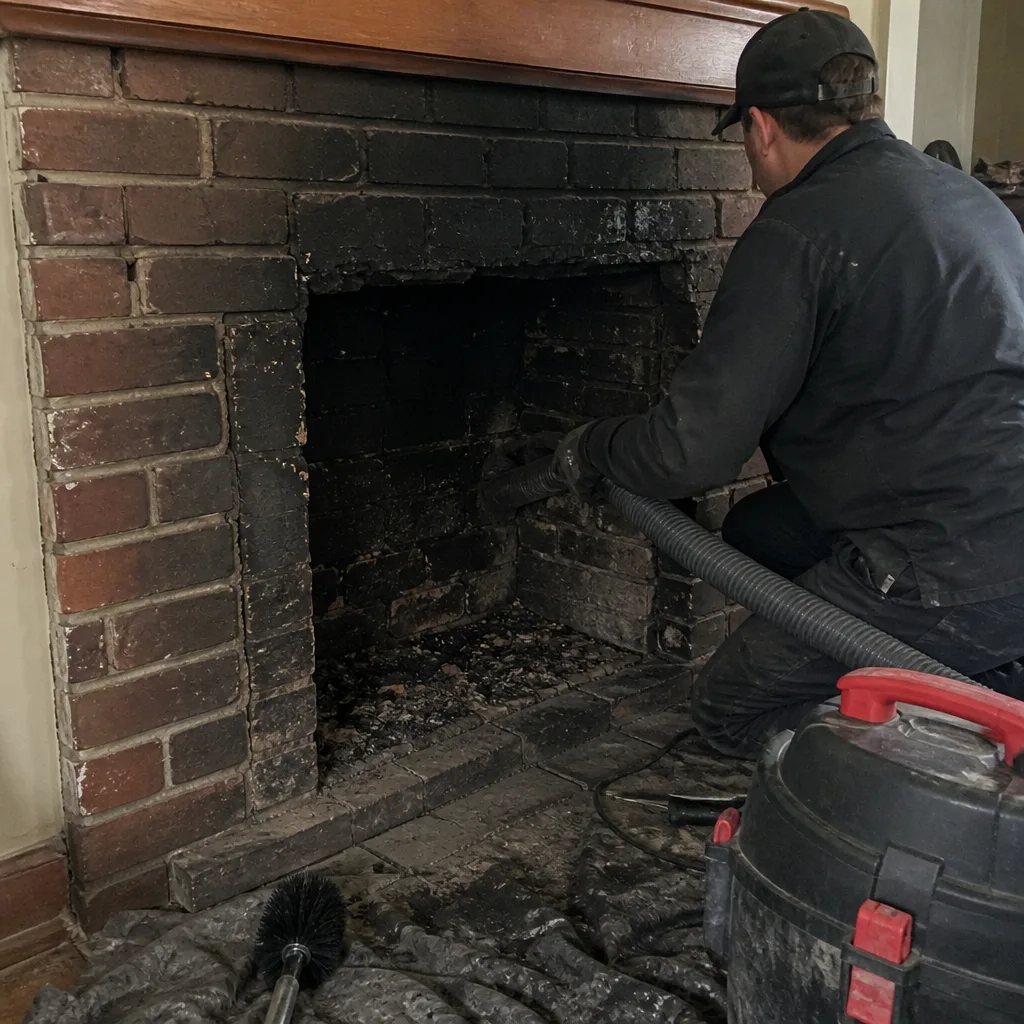 Before
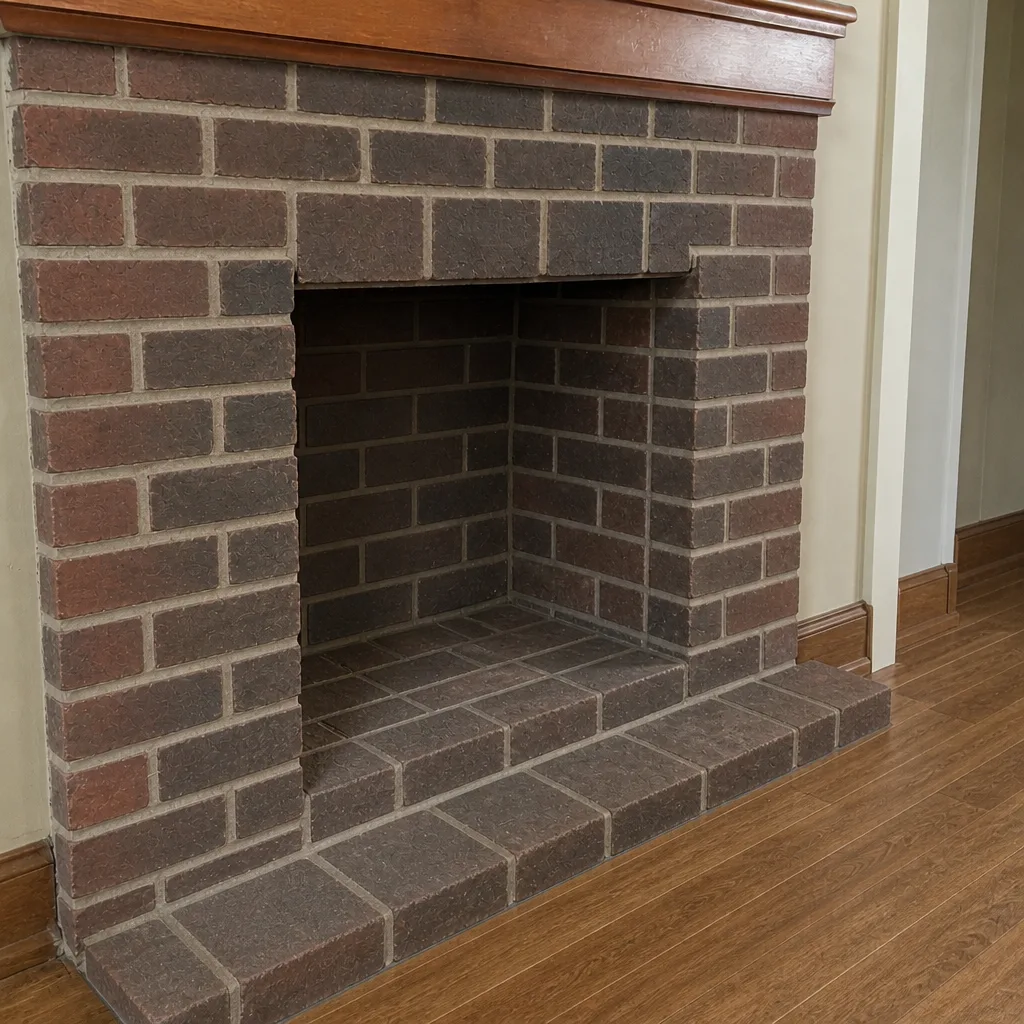 After
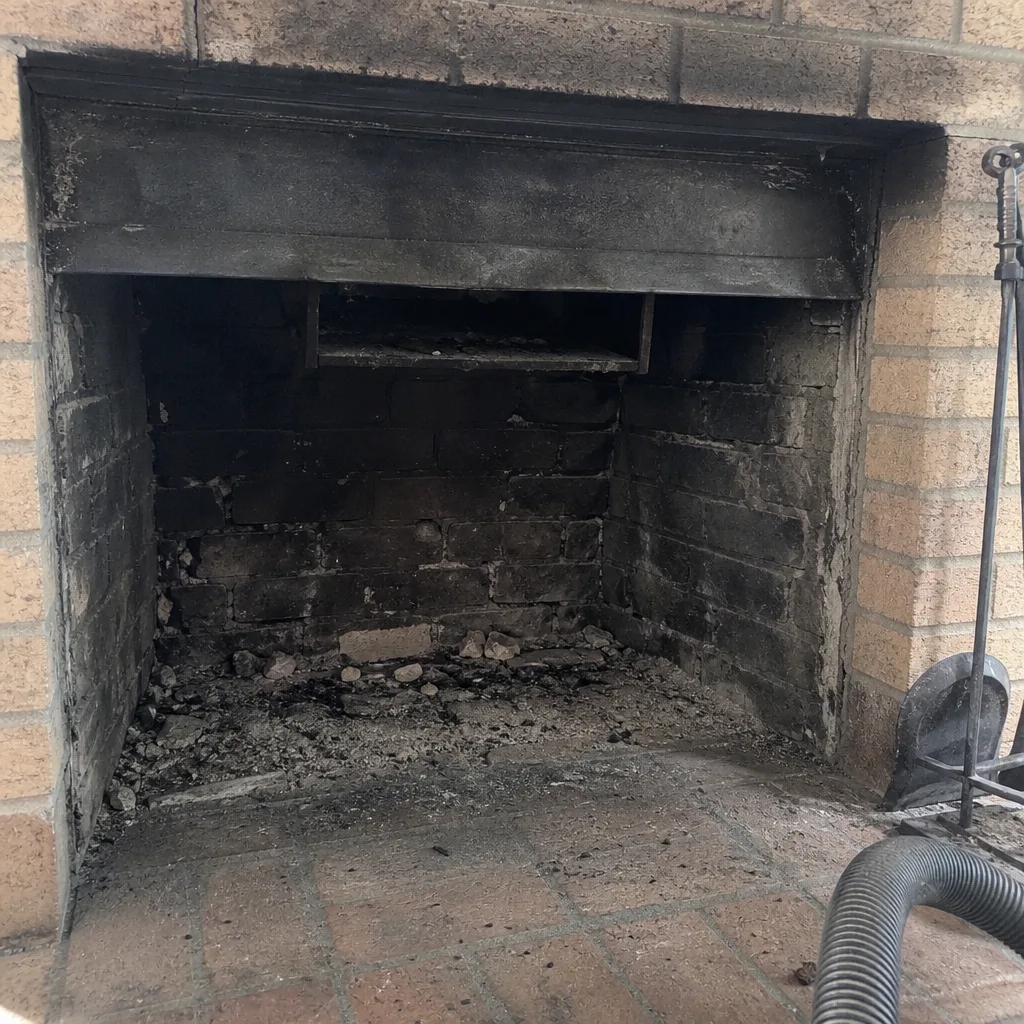 Before
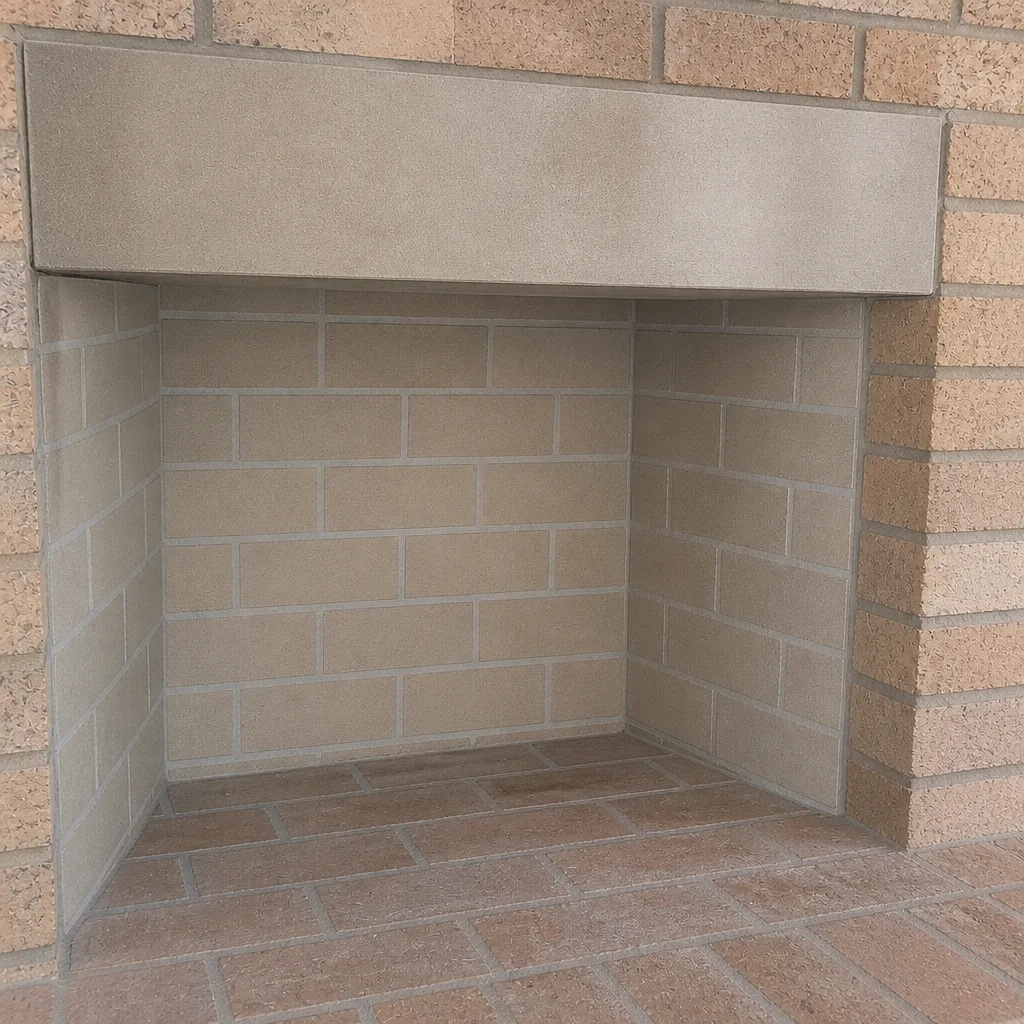 After
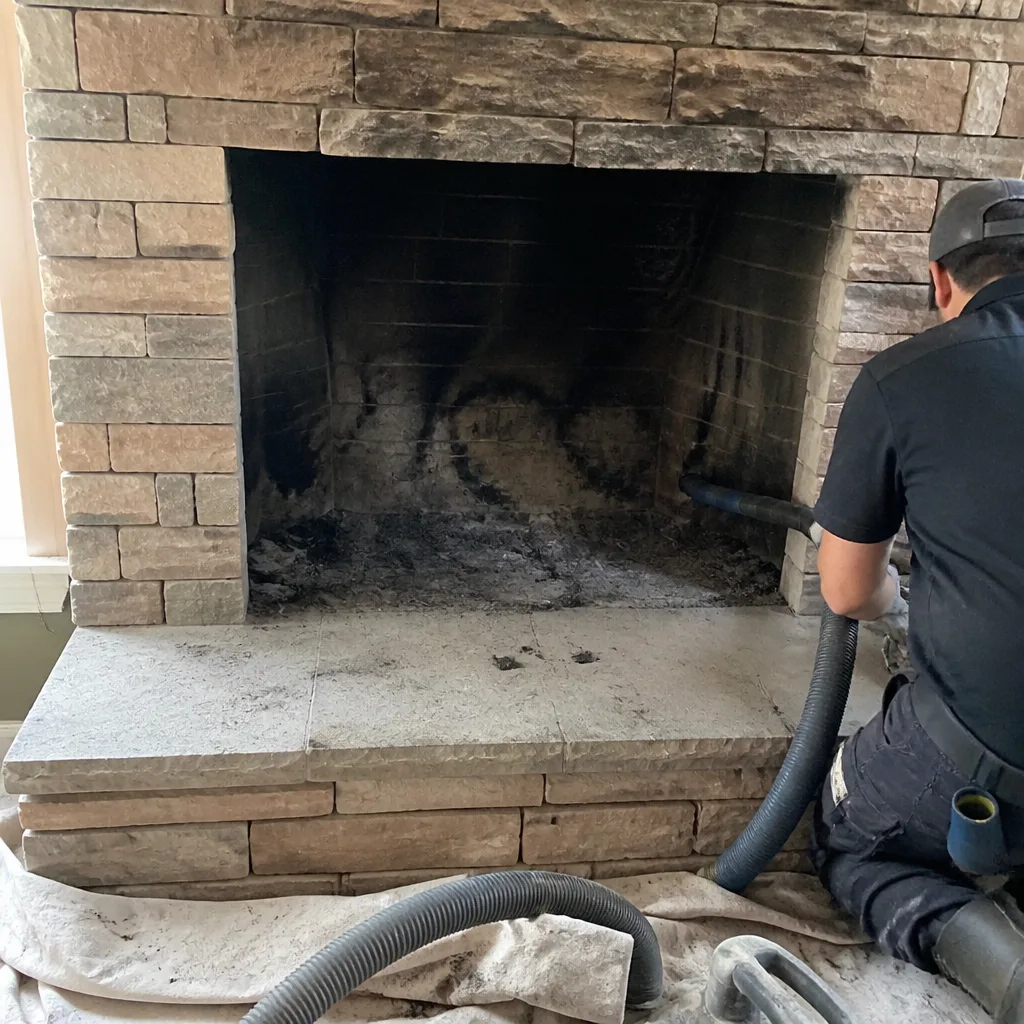 Before
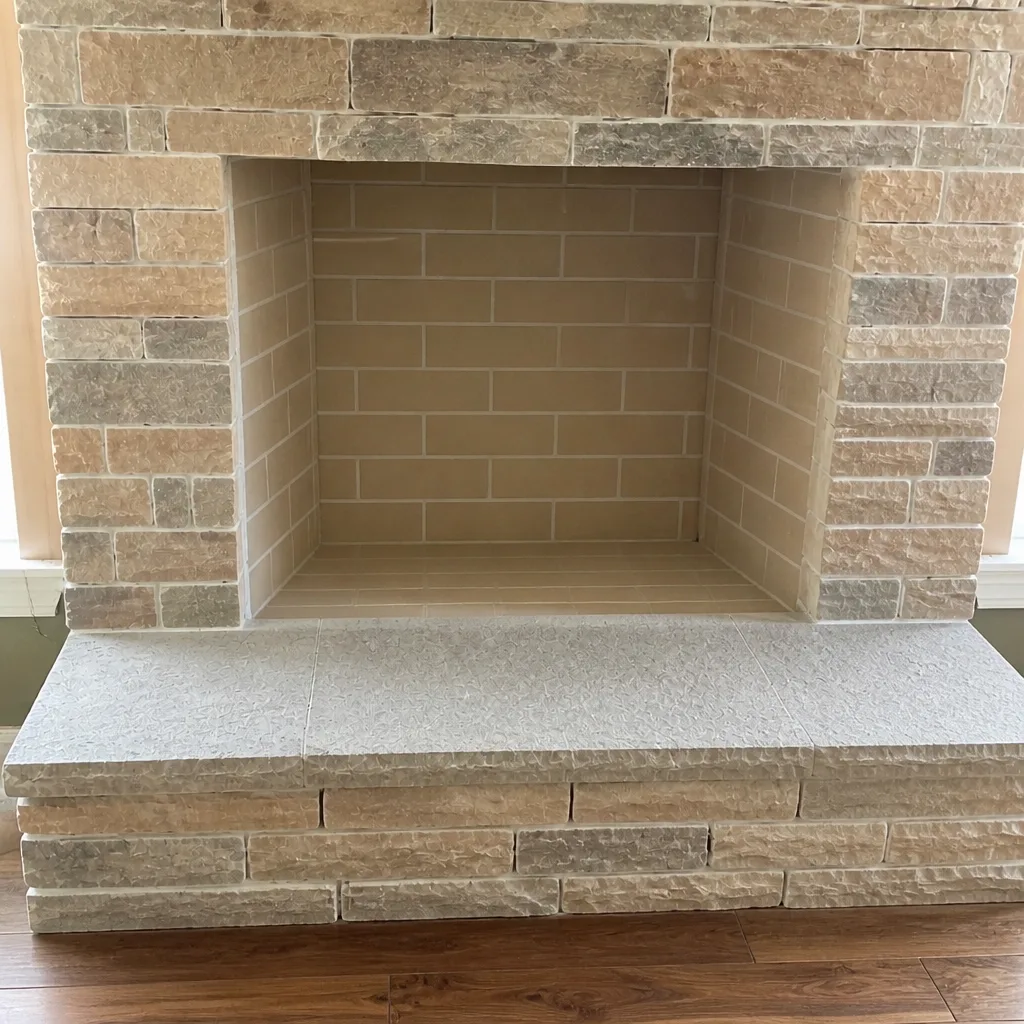 After
When to Call a Professional
Call a professional for anything that goes beyond routine sweeping: any camera inspection, any liner or firebox repair, any appliance installation, and any question about whether a previous owner’s work was permitted. Don’t try to verify a permit history on your own if the property records are unclear; a professional inspection is faster and generates documentation you can actually use. Don’t attempt to open a firebox or access a flue liner yourself either: chimneys contain high-temperature components, and the interior of a flue can fail in ways that aren’t safe to diagnose without training and equipment.
If a Centennial home has a chimney fire risk that hasn’t been addressed in multiple seasons, that’s the point where the call becomes time-sensitive. And if you’re in the middle of a real estate transaction and the chimney is on the inspection report, call us before closing. Chimney Sweep Centennial offers free estimates in Centennial, and we hand over the written estimate in writing so you know exactly what the job is. Call (833) 842-2139. We answer 24/7. Fast dispatch from 7am to 7pm, Sunday through Friday.
Frequently Asked Questions
No, routine chimney cleaning (sweeping) is classified as maintenance in Centennial and typically doesn’t require a permit through Arapahoe County or the local authority. A permit becomes necessary when the work changes the chimney structure or venting system, such as a liner replacement, firebox rebuild, or appliance installation. If a contractor says a permit is required for a basic sweep, ask for the specific code citation. Call (833) 842-2139 for an exact quote on an inspection to clarify what your chimney actually needs.
Yes, a full or partial liner replacement generally requires a permit because it’s a change to the venting system, not routine maintenance. The contractor performing the work is obligated to pull the permit through Arapahoe County or the applicable jurisdiction and have the work inspected before it’s considered complete. If a company offers to replace a liner without a permit, that’s a documentation gap you’ll carry. Call (833) 842-2139 for a professional assessment of whether your liner needs replacement or just resurfacing.
Search the property’s address in the Arapahoe County or City of Centennial permit portal, then match the permit scope against the actual work that was done. A permit for a “fireplace insert” doesn’t cover a liner replacement, and a permit that was pulled but never inspected is an open item. Also ask the seller in writing and order an independent Level 2 inspection. Call (833) 842-2139 to schedule the inspection that turns the question into an answer.
NFPA 211 sets the standard for chimneys, fireplaces, vents, and solid fuel appliances in Colorado, and it requires that the flue be correctly sized for the appliance it serves, that clearances from combustibles be maintained, and that any liner or venting material be listed for its application. IRC Chapter 10 adds the residential building code requirements on top of that. In practice, that’s why a professional-grade listed product like a DuraFlex liner matters: it meets the standard rather than approximating it. Call (833) 842-2139 for an inspection that checks your system against those standards.
Skipping a Level 2 inspection leaves you without documentation of the chimney’s condition, and any pre-existing defects become your liability when they surface. In a real estate transaction, undisclosed chimney deficiencies can delay a closing or force a price reduction; in an insurance claim, an undocumented repair can reduce or void coverage. The inspection is the paper trail. Call (833) 842-2139 and get it done before it becomes a problem.
Centennial’s freeze-thaw cycles and long heating seasons stress the masonry, liner, and cap more than a mild climate does, so degradation happens faster and code-compliant materials matter more. A liner that’s correctly sized and listed for its appliance handles that cycling better than a generic substitute, and a permitted and inspected repair is the only version of the work you can document later. Call (833) 842-2139 for a sweep and inspection scheduled before the heating season starts.
The Bottom Line
Chimney sweeping is maintenance and rarely needs a permit in Centennial. Liner replacement, firebox rebuilding, and appliance installation are construction work and generally do require a permit through Arapahoe County or the applicable local authority, and that permitted work is subject to inspection. Colorado adopts NFPA 211 and IRC Chapter 10 as the minimum standard, and the documentation trail from a Level 2 inspection is the legal backbone of any insurance claim or real estate transaction. The liability gap that opens when unpermitted work is discovered lands on whoever owns the home at the time. If you’re not sure what your Centennial chimney has, or whether a previous owner’s liner or firebox work was permitted, an inspection is the only way to know. From sweep to inspection to repair, one company can cover the whole system.
Call Chimney Sweep Centennial at (833) 842-2139 for a free estimate. We answer 24/7. Fast dispatch from 7am to 7pm, Sunday through Friday, and we’re closed Saturday. If you’re inheriting a chimney you don’t have records for, or you want a sweep, an inspection, or a repair done to code with the documentation to prove it, that’s what we do. Get a written estimate, see the camera evidence, and decide from there. If you’d like to start with the Chimney Sweep Centennial overview, or go straight to details on a chimney sweep, chimney repair, or our work across Centennial, those pages lay out the specifics.
Written by the team at Chimney Sweep Centennial.