
Last updated November 16, 2026
 Sweep & inspection
 Caps & crowns
 Flue relining
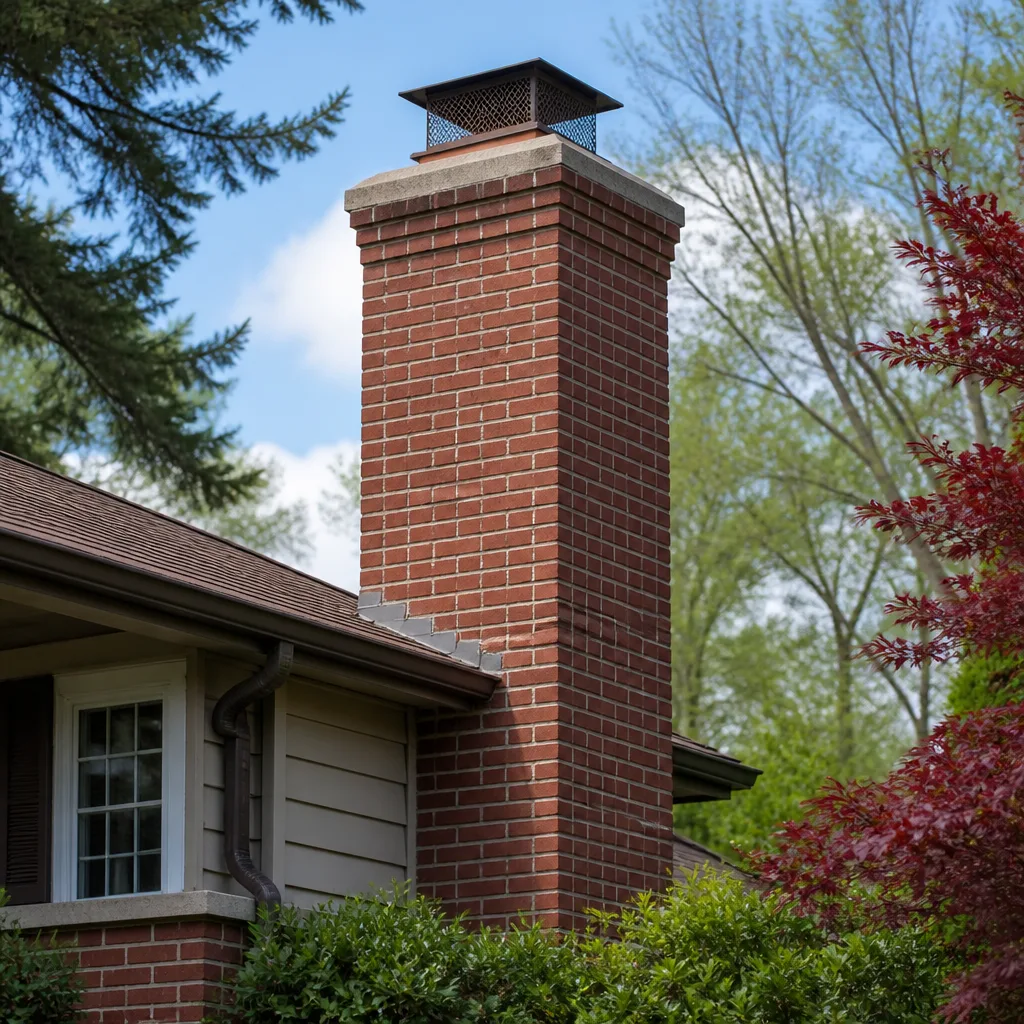 Masonry repair
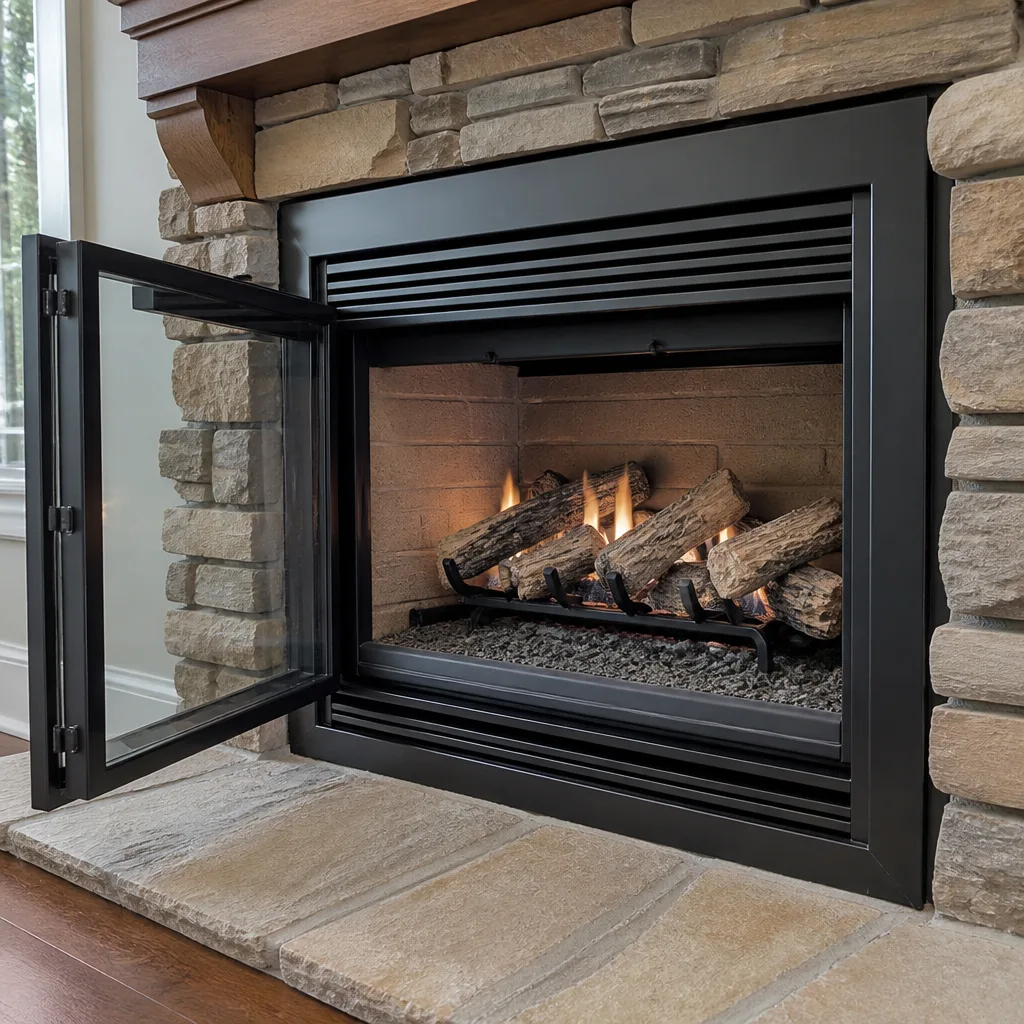 Gas fireplace service
Level 1 sweep and inspection to the NFPA 211 annual standard - flue, crown, cap, and flashing checked and photographed
Chimney sweep logs do not sweep chimneys. They loosen some creosote - which then falls where a brush and vacuum still have to collect it.
DIY vs Professional Chimney Cleaning: The Centennial Homeowner’s Decision Guide
You can buy the same brushes a certified sweep uses. You can buy the rods, the drop cloths, a decent shop vac, and a respirator that fits. Plenty of mechanically capable homeowners in Centennial could run a brush up a flue without falling off the roof. Here’s what no hardware store sells: the trained eye that spots a hairline liner crack hiding behind stage-two creosote before it becomes the gap that lets a chimney fire reach the wood framing of your house. This guide is about that gap. We’ll walk through what DIY can honestly accomplish, what it physically cannot assess, how Centennial’s altitude makes the creosote problem worse than most national articles admit, and how to weigh the real cost of both paths against what you actually get.
Quick Answer
A homeowner can safely handle basic firebox cleaning, damper lubrication, and a visual check of the cap from the ground. Anything involving the flue interior requires a camera system, a mirror inspection, and trained interpretation of what those tools show. In practice, DIY chimney work substitutes for maybe 20 percent of a professional sweep and none of the structural assessment. That’s the honest split.
Styles & brands we work with
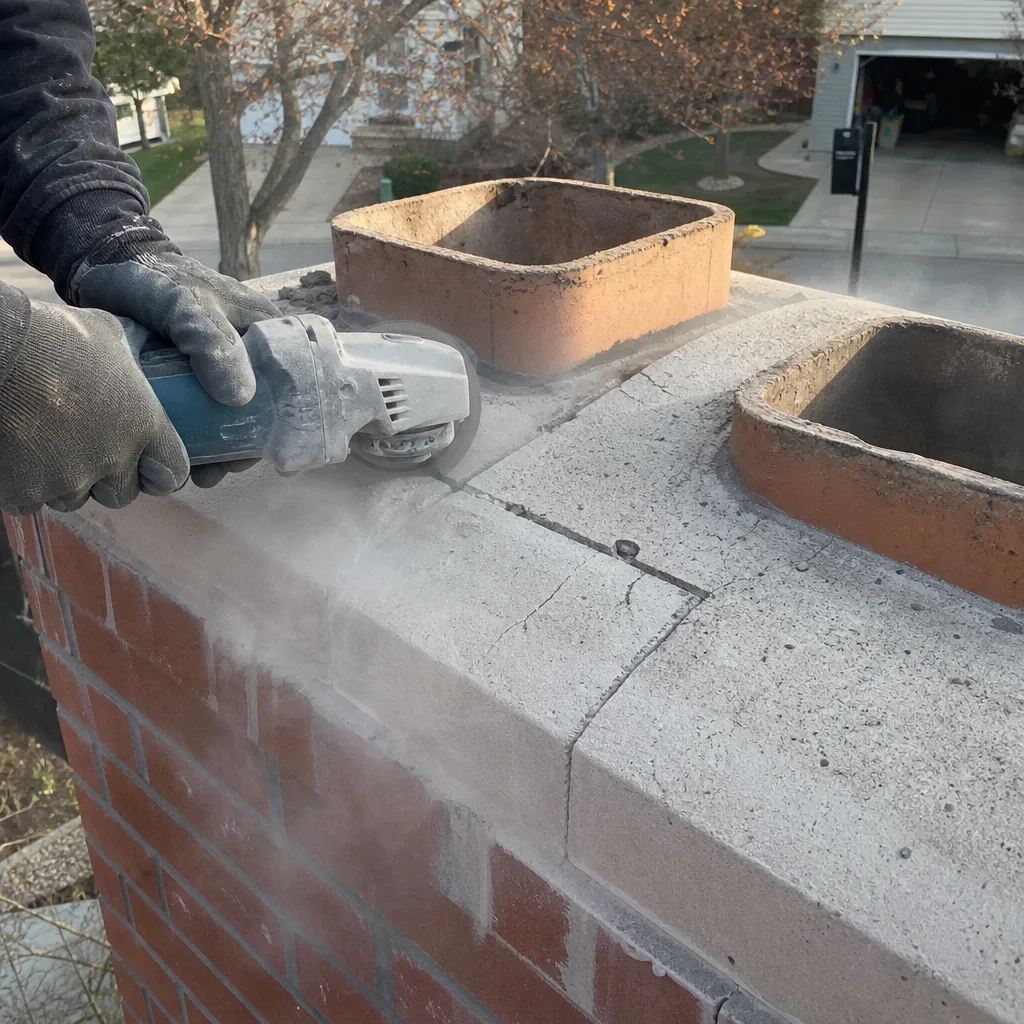
- Sweep & inspection
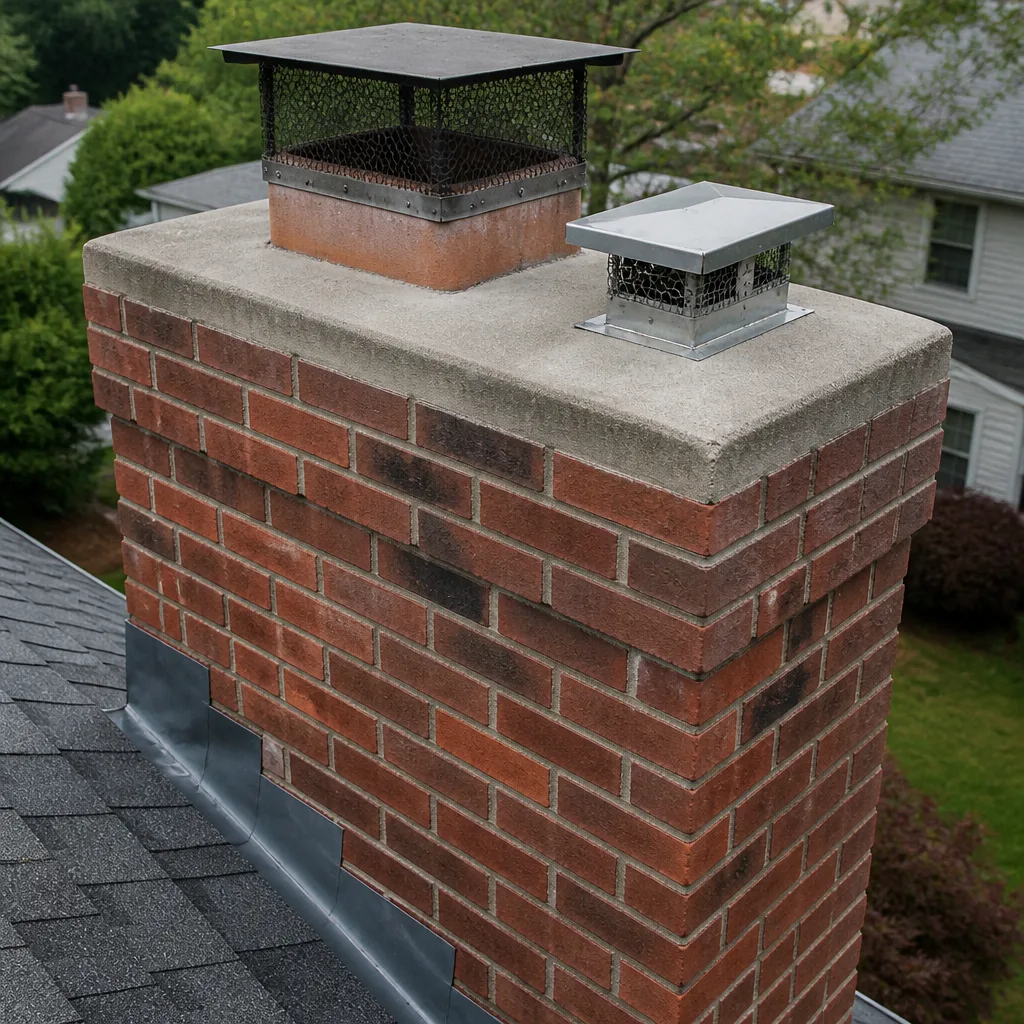
- Caps & crowns
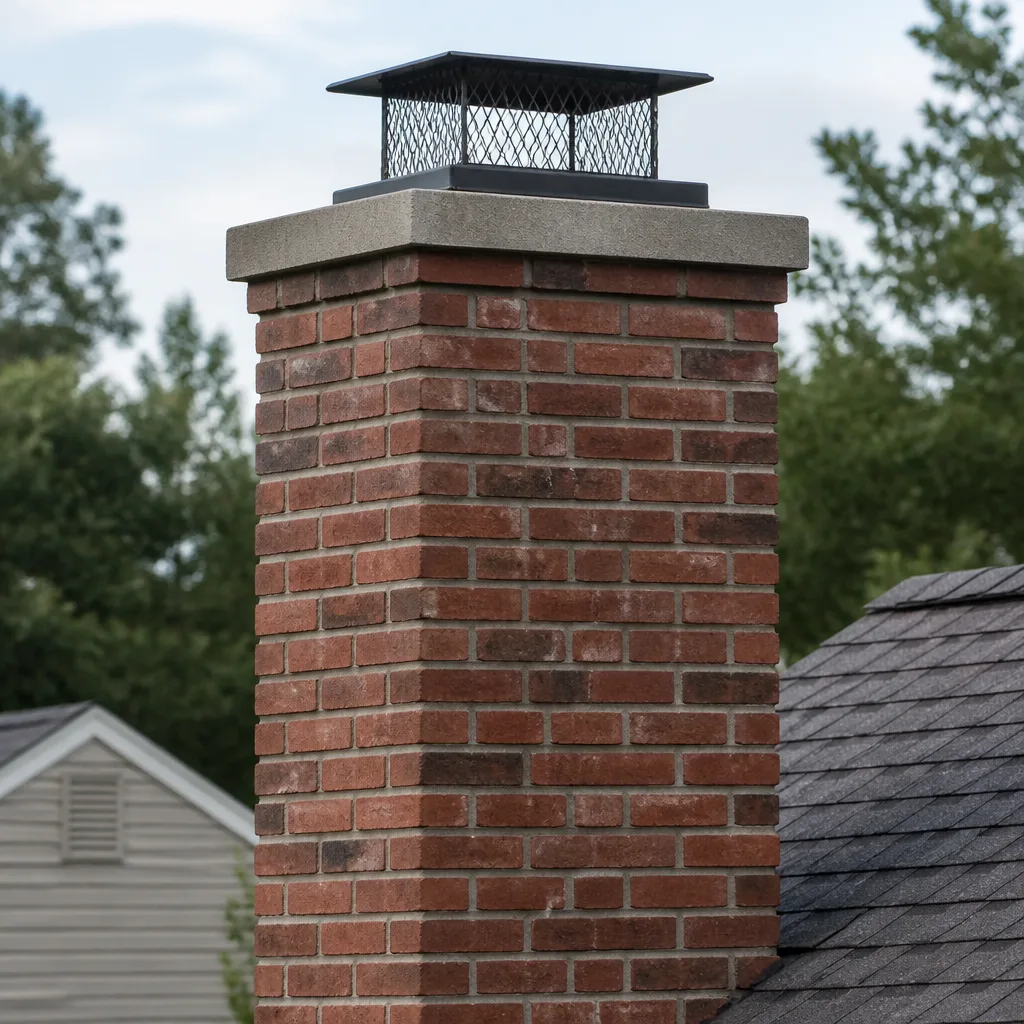
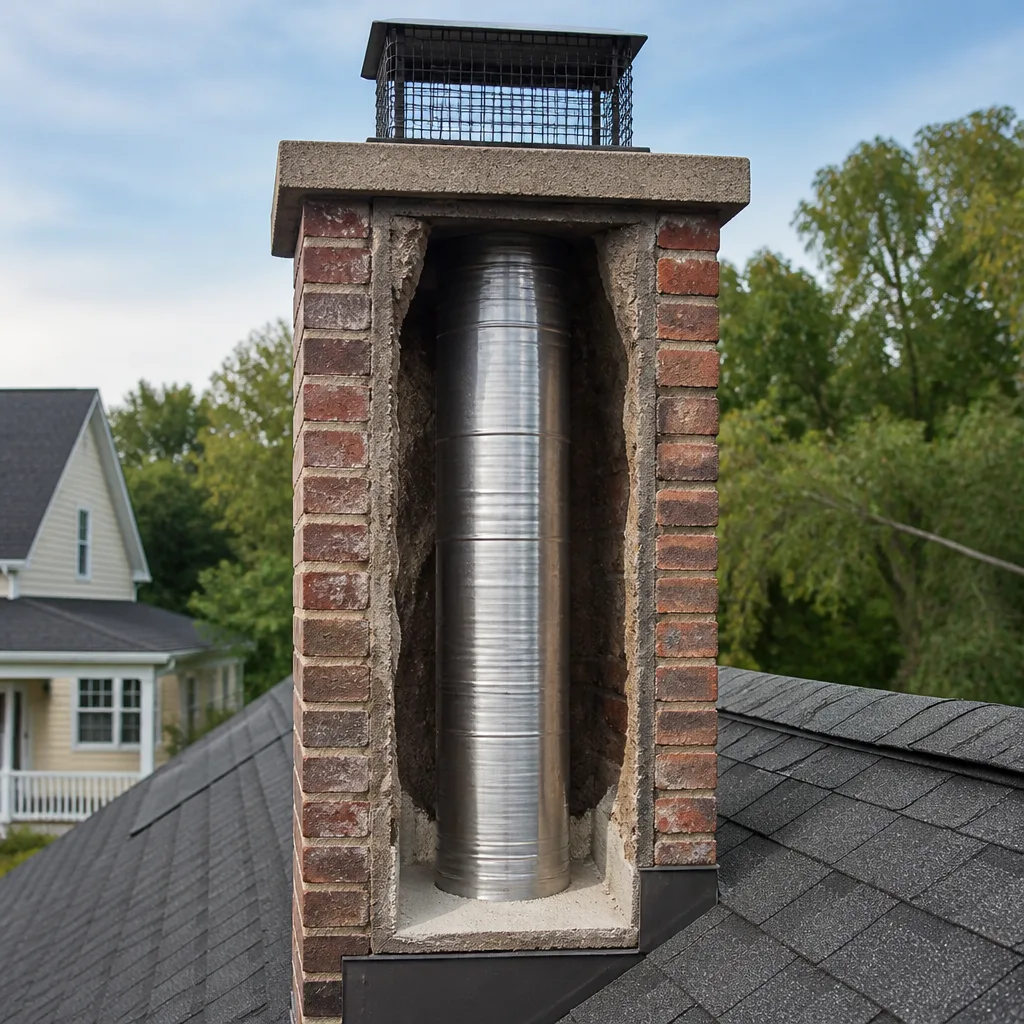
- Flue relining
- Masonry repair
- Gas fireplace service
Table of Contents
- What DIY Chimney Cleaning Can Legitimately Accomplish
- What DIY Physically Cannot Assess
- Why Altitude Makes DIY Riskier in Centennial
- Stage-Two Creosote and Why Brushing Alone Won’t Cut It
- The Insurance and Liability Side of a DIY Sweep
- DIY vs Professional: An Honest Cost Comparison
- How a Professional Sweep Actually Works
- When to Call a Professional
What DIY Chimney Cleaning Can Legitimately Accomplish
Let’s give DIY the credit it deserves. Outdoor work around the firebox and hearth is well within reach for anyone comfortable with basic home maintenance. The parts that don’t require climbing onto the roof or pushing anything up a flue are fair game.
Three tasks a Centennial homeowner can reasonably handle:
- Firebox cleaning. Scooping out ash, vacuuming the firebox floor, and wiping down the firebrick with a stiff brush clears soot that would otherwise bind to the masonry. Use a shop vac rated for fine ash. Regular vacuums clog and can overheat.
- Damper lubrication. A fireplace damper that sticks or squeals benefits from a graphite or high-temperature lubricant applied to the pivot points. It’s a small job with a real payoff in how smoothly the damper opens and closes.
- Cap check from the ground. Grab binoculars and look at the chimney cap. You’re checking for obvious damage: a missing screen, a cap that’s clearly askew, or bird activity around the crown. What you can see from the ground is a fraction of the story, but the obvious stuff is worth catching early.
Notice what’s missing from that list. There’s no brushing, no camera, no mirror, no structural inspection of the flue interior, and no assessment of the liner. That isn’t an accident. Those steps require either tools most homeowners don’t own or training they’d need to invest in. A neighborhood sweep in Centennial does this work because it’s the core of the trade, not because the homeowner lacks common sense.
What a DIY firebox cleaning genuinely gets you is a tidier hearth and less soot tracking into the room. That’s worth doing. It’s also not the same thing as a swept chimney.
What DIY Physically Cannot Assess
The chimney flue is a vertical column with an interior surface you cannot see with a flashlight from the firebox. The visible portion from below is maybe the first six to ten inches. Everything above that is reachable only with the right instruments and someone trained to read what those instruments show.
What a professional inspection covers that DIY doesn’t:
- Video camera inspection. A flexible inspection camera runs the full length of the flue and transmits live footage back to a monitor. The technician watches the walls for cracks, gaps, spalling, offset joints, and creosote buildup. No flashlight substitutes for this. You’re looking at the flue walls, not down the flue.
- Mirror inspection picks up what the camera misses. Some chimney geometry obscures what a camera can see from a fixed position. A mirror on an adjustable rod lets the technician look up or down at an angle the camera can’t reach, or double-check a joint the camera passed too quickly. This is a secondary pass, not a redundancy.
- Liner integrity. The liner is the barrier between combustion gases and the masonry shell. A hairline crack in a clay liner, or a seam opening in a stainless liner, doesn’t announce itself. It shows up on a camera pass and needs an eye that knows the difference between cosmetic surface variation and a genuine failure point.
- Crown and flashing condition. The crown (the concrete top of the chimney) and the flashing (sealant at the roofline) protect the entire structure from water intrusion. Even a small crack in the crown lets water in, and freeze-thaw cycles in Colorado turn it into a larger crack over a season or two.
- Draft and pressure assessment. Is the flue pulling properly under real operating conditions? A technician can measure draft and check for backdrafting, which a homeowner running a flashlight can’t do.
That last point on draft matters enormously in Centennial. A chimney that isn’t drafting correctly doesn’t just underperform. It can fail to exhaust carbon monoxide. And the failure mode doesn’t announce itself. The CO sensor in your home is the only warning you’ll get, and by then, the problem has been quietly accumulating.
The honest summary of a DIY flue attempt: you get soot knocked off the walls in the section you can reach, and you get a visual of a fraction of the system. The cold-weather months in Centennial can run a fire for six months of the year, and a chimney that hasn’t been inspected in multiple seasons is where problems compound. That’s where we see the most serious structural issues: not in neglected new builds, but in older homes where the flue hasn’t had eyes on it in years.
Why Altitude Makes DIY Riskier in Centennial
Centennial sits at roughly 5,900 feet, and the altitude changes the chemistry of combustion in ways most generic chimney-cleaning articles don’t address. Air is thinner here. A fire that gets the same amount of fuel and less oxygen burns less completely. Incomplete combustion produces more creosote, and it produces it faster, which means a flue that would accumulate modest buildup at sea level accumulates a denser layer here within the same burn season.
The practical consequence is that Centennial homes relying on wood heat produce a higher volume of creosote per cord than coastal homes using the same wood. That buildup comes in different grades, and the grades are not interchangeable:
- Stage one. A light, powdery soot layer. This is the easiest to remove with a brush, and it’s the layer a homeowner who insists on trying might get through on a shallow flue.
- Stage two. Denser, glazed creosote that forms in flakes. It adheres to the liner wall and stiffens with age. Brushing alone won’t remove it.
- Stage three. A hard, tar-like layer that’s fully bonded to the masonry. Removal requires chemical treatment, rotary mechanical tools, and in extreme cases, liner resurfacing or replacement.
Because Centennial’s altitude pushes the combustion cycle toward more stage-two buildup, a portion of the homeowner population here is dealing with a creosote grade that’s beyond what brushing handles. When stage-two creosote forms behind a hairline liner crack, the situation has already gone one step past the point of self-inspection. The crack isn’t visible from the firebox. The camera catches it, the mirror double-checks it, and the trained eye interprets it. That’s the difference between a sweep and a guess.
There’s a second altitude factor worth mentioning: fireplace performance. At near-6,000 feet, fireplaces and wood stoves commonly underperform relative to their sea-level rating, which shows up as weaker draft and more smoke in the room. A technician assessing draft in a Centennial home is evaluating a system operating in a thinner atmosphere, and that’s not the same curve as a coastal assessment. A general sweep working from standard operating parameters misses the local picture.
We’ve seen the results of altitude-driven creosote buildup in Centennial homes repeatedly. Our technicians have up to 13 years of experience, and the pattern of what we find in high-altitude homes differs from the textbook case. That’s not a marketing angle. It’s a practical reality of the local climate, and it argues against skipping the inspection portion of a sweep.
Stage-Two Creosote and Why Brushing Alone Won’t Cut It
A brush removes stage-one creosote and some loose stage-two. It does not remove glazed stage-two creosote that has bonded to the liner wall. That distinction is the reason a homeowner with a brush set still can’t complete a proper chimney cleaning, even if they can get the brush up the flue.
Removing glazed creosote requires mechanical action. That means a rotary whip or similar powered tool sized to the flue, run carefully so it doesn’t score the liner. It means chemical creosote remover products on the harder cases, applied to soften the glaze before mechanical removal. It means checking with a camera between passes to confirm what’s actually lifting. None of that is something a homeowner can buy easily or use safely without training.
Why does this matter beyond the sweep itself? Glazed stage-two creosote is the fuel source for a chimney fire. If a flue has a substantial layer of it and then a fire in the firebox sends a spark or a hot flue gas column up that flue, the creosote layer can ignite. A chimney fire burns at a temperature that reaches the structural components around the flue, including the wood framing and roof structure. That’s the path from an ignored creosote layer to a house fire, and it’s not a theoretical path.
The early warning signs a homeowner might notice:
- A loud roaring or rumbling from the chimney
- Dense smoke or a strong creosote smell even when the fire is normal
- Creosote staining on the cap or around the masonry at the top
- Puffy, honeycombed creosote visible inside the firebox at the flue opening
None of these are things to investigate alone. If you see them, stop burning and get an inspection. The cost difference between a professional sweep and a major structural repair after a chimney fire is not a close comparison. Call (833) 842-2139 to book a sweep and inspection together.
The Insurance and Liability Side of a DIY Sweep
Here’s the part most DIY chimney articles skip. If a house fire is traced to creosote buildup after a homeowner performed their own sweep, the insurance company is going to ask who cleaned the flue and when. The answer matters more than most homeowners realize.
Homeowners policies generally require reasonable maintenance of systems that reasonably threaten the home. If a chimney fire is tied to a neglected flue, the insurer can push back on coverage. If the cleanup was done by a homeowner, there’s no third-party documentation of what was swept, what was found, or when it was performed. The insurer is left with a flue with visible creosote and a homeowner claiming it was cleaned recently. That’s a hard position to be in when you’re trying to get a fire claim covered.
A professional inspection produces a written report. The report states what was found, what was cleaned, what the technician recommends, and when the visit occurred. That documentation matters for three reasons:
- It establishes the maintenance history of the chimney, which is the first thing an insurer looks at after a fire.
- It gives you something to hold against a contractor who over-recommends repairs, since the report shows what was actually found on camera.
- It tells the next technician (or the next owner of the house, if you sell) exactly what’s in the flue today.
This is why we don’t recommend doing a self-certified sweep and calling the job done. Certification is the difference between “we cleaned it” and “here’s the report.”
In Centennial, we write that report on every visit. The reading of the findings, the honest assessment of what needs repair versus what can wait, and the documentation of the flue condition all come with a sweep. It’s part of the reason we describe ourselves as a Chimney Sweep Centennial rather than a general handyman who also owns brushes.
DIY vs Professional: An Honest Cost Comparison
The numbers on this comparison are less favorable to DIY than most people assume. A homeowner who picks up the entry-level kit spends somewhere in the range of $150 to $300 on tools alone, and that’s before they own a camera or have any way to inspect the flue they just swept. Here’s the honest breakdown of both paths:
- DIY entry cost: Around $150 to $300 for a basic brush and rod kit, plus a shop vac rated for ash if you don’t already have one. Say $250 to $450 total for a homeowner starting from scratch.
- DIY time investment: Most of a day for a first attempt, counting setup, drop cloths, the actual brushing, and cleanup. Repeat visits add a recurring project to the calendar.
- Professional sweep cost: Typically $200 to $400 depending on the chimney configuration and how much buildup is present. A camera-based inspection is often included in that figure, and when it’s not, it’s a modest addition.
- What the professional price includes: A full flue sweep, a video camera inspection, a written condition report, and a clear statement of what needs attention versus what can wait.
Laid out that way, the gap is smaller than the cost conversation usually implies. A homeowner who sweeps their own chimney has spent most of a day and roughly half the cost of a professional sweep, and they’ve still got a flue they can’t see, a crown they didn’t inspect, and no report.
Now add the cost of one repair that a professional sweep would have caught early. A hairline liner crack caught on camera in year one costs modest money to address. The same crack after two additional burning seasons can mean a full liner replacement. That’s not a scare tactic. That’s the math of deferred inspection.
We’d rather a homeowner know the real number on both sides and then make the call. If DIY firebox cleaning makes sense for your situation this season, do it. If the flue hasn’t been swept in two or more burning seasons, the sweep and inspection together are the more useful visit. Call (833) 842-2139 for an estimate – it’s free and there’s no obligation.
What the Professional Price Actually Covers
Worth breaking out the professional visit into its component parts, because the value isn’t a single task. A professional chimney sweep in Centennial at minimum covers the sweep itself (full flue, top to bottom), the inspection (camera plus mirror), a written report of findings, and a clear recommendation on what’s needed now versus what can wait. The repair portion – if any is recommended – is quoted separately, and a homeowner can decide after reading the report. That’s the single-provider model. We sweep, we inspect, and we don’t hand findings off to a stranger.
How a Professional Sweep Actually Works
Here’s the step-by-step of what a proper sweep involves, so you can compare it against what a DIY attempt actually covers:
- Site protection. Drop cloths go down over the hearth and surrounding floor. A zippered dust-containment system or high-efficiency vacuum keeps soot out of the room.
- Initial visual assessment. The firebox, damper, and firebox-to-flue transition are checked before any cleaning begins. Creosote stage and severity are noted.
- Flue sweep, bottom to top. A rotary or poly brush sized to the flue runs the full length. Bristle type depends on what’s in the flue: poly for standard soot, maybe rotary whip for glazed stage-two.
- Camera inspection of the full flue. The camera runs the length of the flue after sweeping, capturing the liner wall condition from bottom to top.
- Mirror pass for obscured joints. Any joint or offset the camera couldn’t see clearly gets a mirror check. The inspection isn’t complete until every part of the flue wall is accounted for.
- Crown, cap, flashing, and masonry inspection from the roof. The exterior components are checked for cracks, loose flashing, and cap damage that can let water in.
- Written report. The findings are documented. Repairs are diagnosed before they’re recommended, and the homeowner gets the report to keep.
That’s the whole picture, and the honest comparison to DIY is that a homeowner who tries it might complete step two and part of step three. The remaining steps are the difference between a swept flue and a documented, inspected flue.
One more note: the materials matter as much as the process. We use professional-grade product lines on repair work – DuraFlex flexible liners, HeatShield liner resurfacing, and Gelco components, among others – because those are what hold up in a Colorado flue through twenty-plus freeze-thaw cycles. A homeowner sweeping their own flue isn’t addressing materials at all. That’s fine. But it’s a reason the repair conversation requires a technician with material knowledge, not a maintenance checklist.
Common Mistakes to Avoid
- Brushing with a wire brush on a stainless liner. Wire bristles can score stainless steel liner walls, opening up pathways for corrosion. Poly brushes are the correct tool for most residential flues. This mistake happens most often on a first DIY attempt with a general-purpose kit.
- Skipping the cap inspection because the flue looked fine. The cap and crown are where water gets in, and water in a Centennial chimney freezes and expands, cracking masonry. The flue can be spotless and the crown can still be crumbling.
- Sweeping without dropping cloths around the hearth. Soot binds to upholstery and carpet fiber, and difficult to remove once it’s settled. Containment is not optional equipment. It’s the first thing every professional setup addresses.
- Treating glazed stage-two creosote as something a brush will handle. Brushing glazed stage-two creosote doesn’t remove it, it polishes it. The glaze stays bonded to the liner, and a homeowner assumes the flue is clean because they just swept it.
- Skipping the inspection because “the sweep looked fine.” The inspection is what finds the crack behind the creosote. A sweep that ends with a brush cleaning and no camera pass isn’t a completed job. Sweep and inspect are meant to happen together.
- Burning unseasoned wood to save money on fuel. Unseasoned wood produces more water vapor and more creosote per cord. The savings on wood cost show up later as a denser creosote layer, which is the opposite of a saving.
- Self-certifying the chimney as clean after a DIY sweep. Without a written report, there’s no record of what was found or when. A homeowner’s verbal claim carries less weight than a documented inspection if a fire claim ends up being reviewed.
When to Call a Professional
Some situations call for a professional immediately, not as a preference. Call us if you see any of the following: a roaring or rumbling chimney during burns; visible glazed or puffball creosote in the firebox; smoke backing into the room even with a functioning damper; a chimney fire you suspect has happened, even if it self-extinguished; CO detector alerts; visible masonry cracking or spalling on the chimney exterior; or a flue that hasn’t been inspected in two or more burning seasons. In a Centennial home with an older chimney, a first-ever inspection is also worth booking before the next heating season rather than during it, so any needed repairs can be scheduled without burning on a compromised flue in the meantime. Chimney Sweep Centennial offers free estimates in Centennial – call (833) 842-2139. We answer 24/7. Fast dispatch from 7am to 7pm, Sunday through Friday, closed Saturday. We work across Centennial and the surrounding area, and the same crew that sweeps can also handle the chimney repair if the inspection finds something that needs it.
See the difference
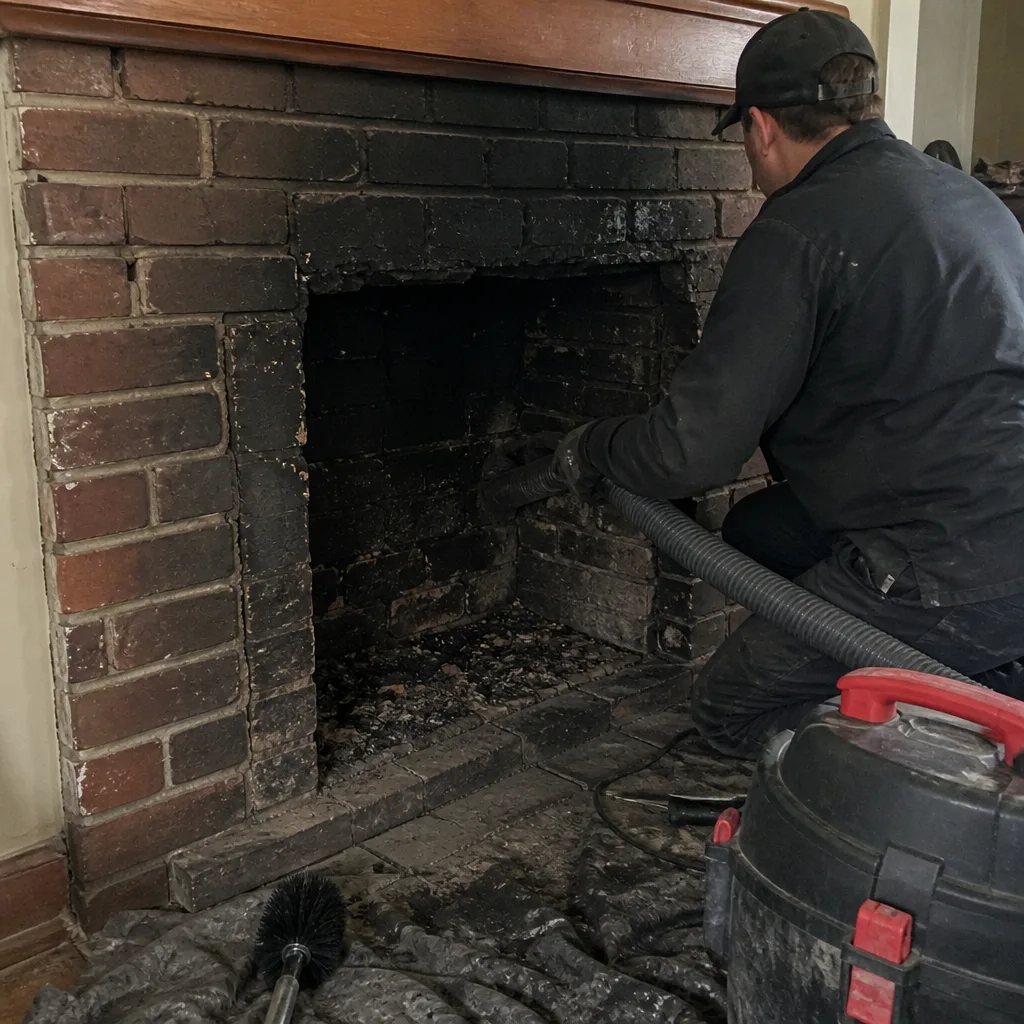 Before
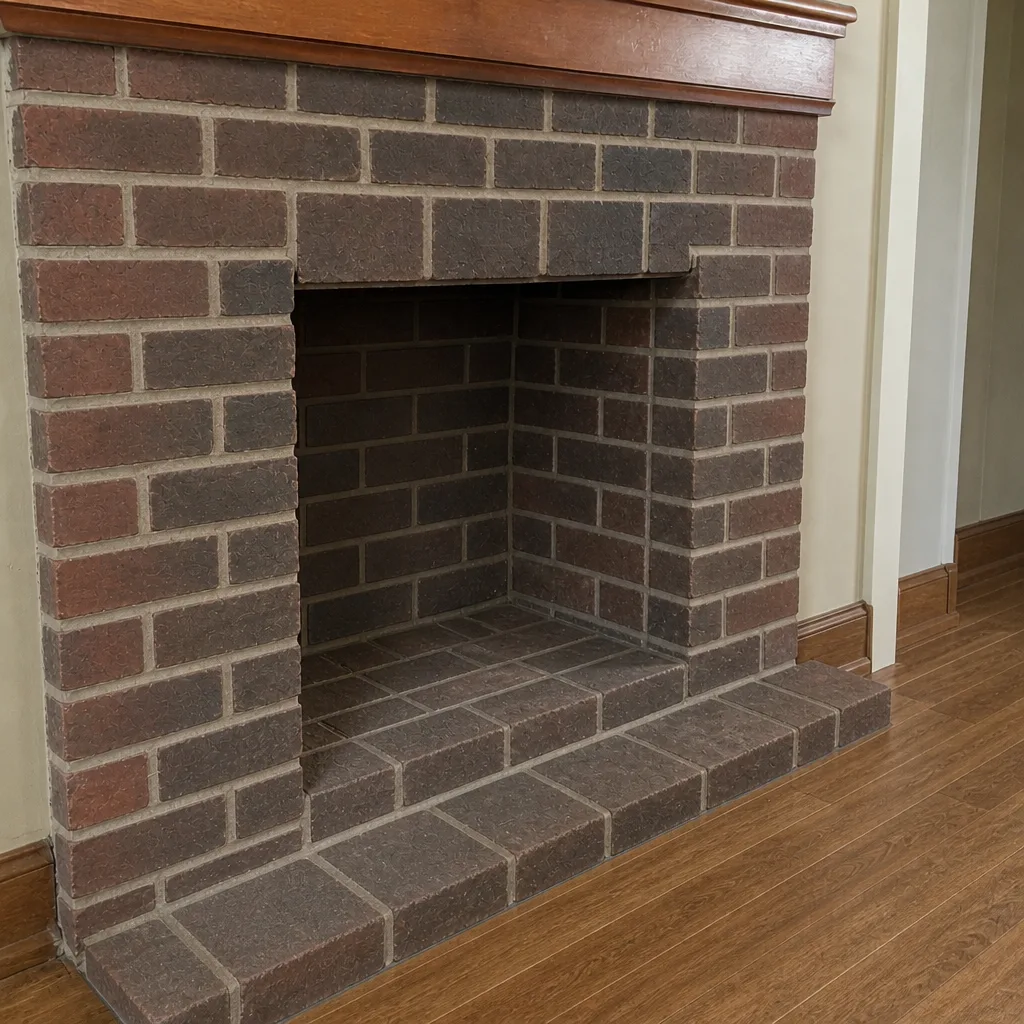 After
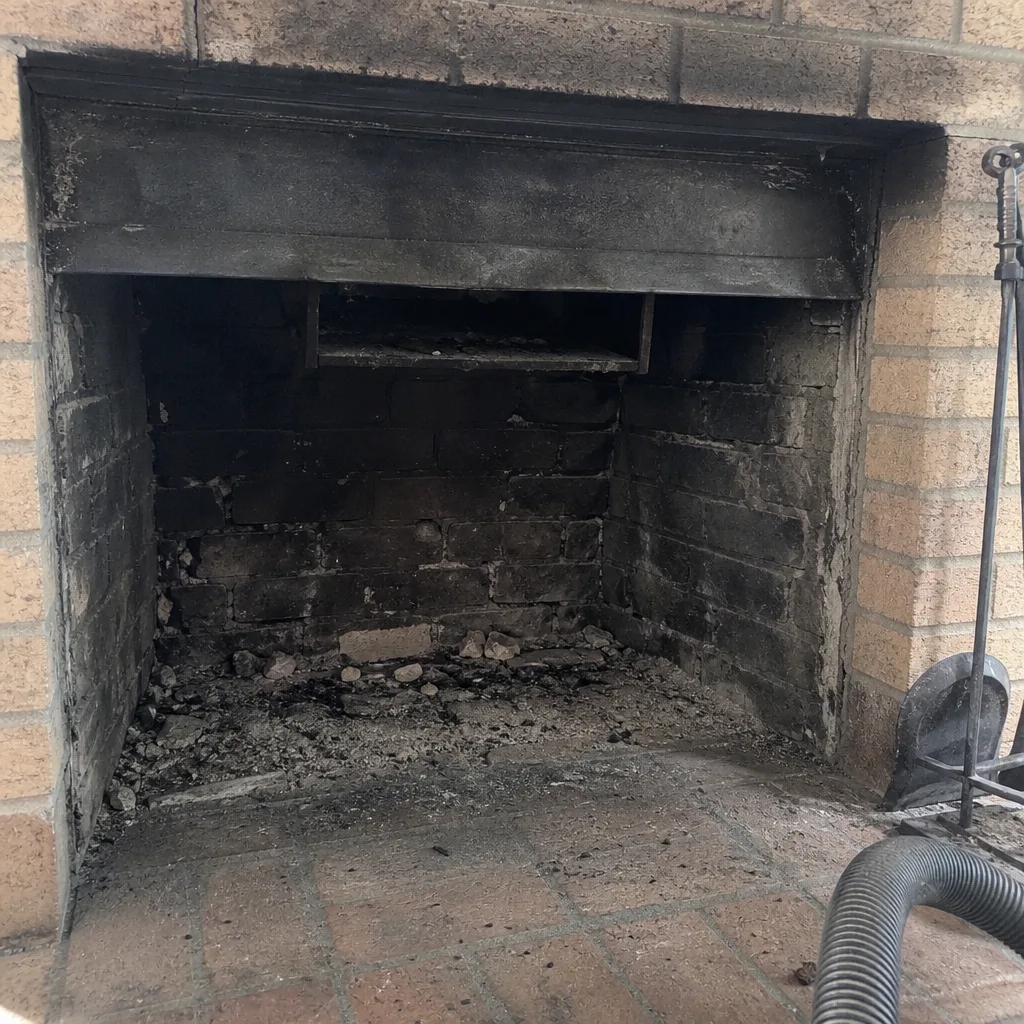 Before
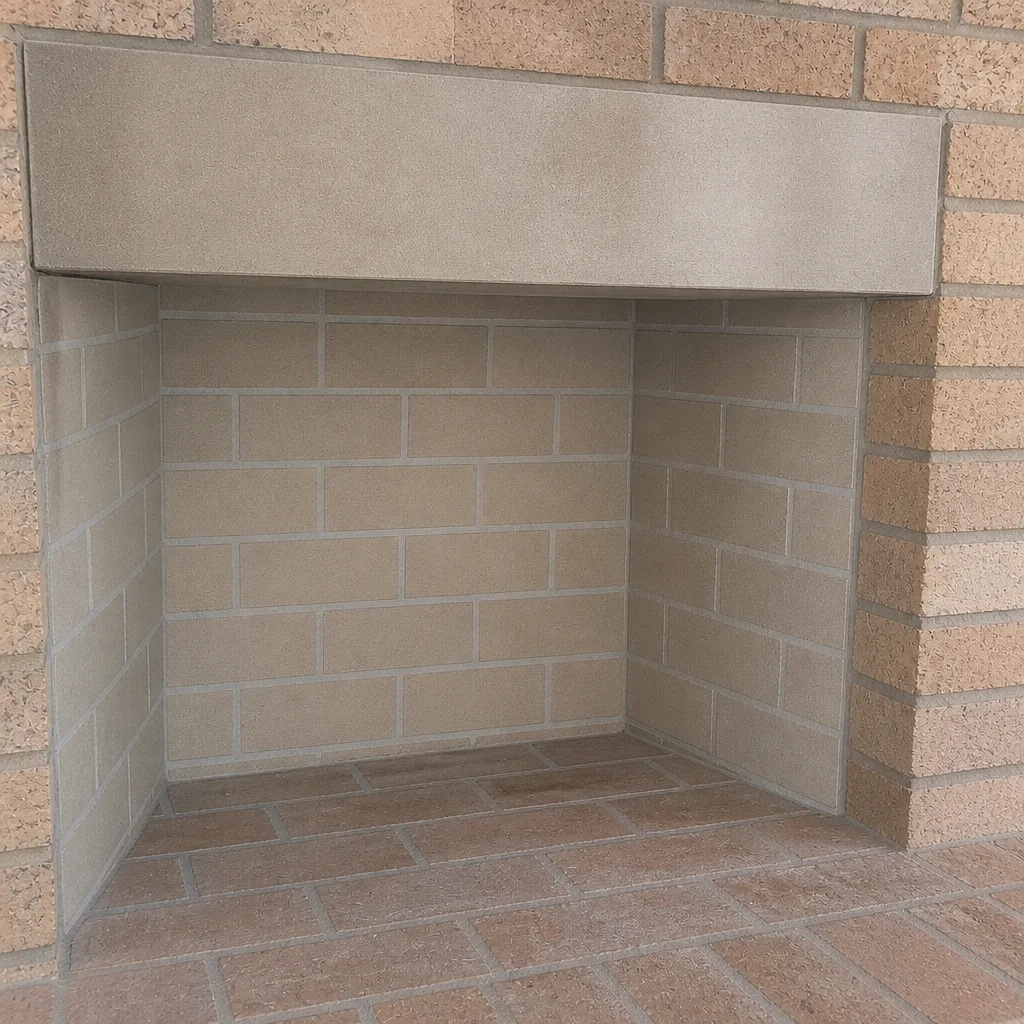 After
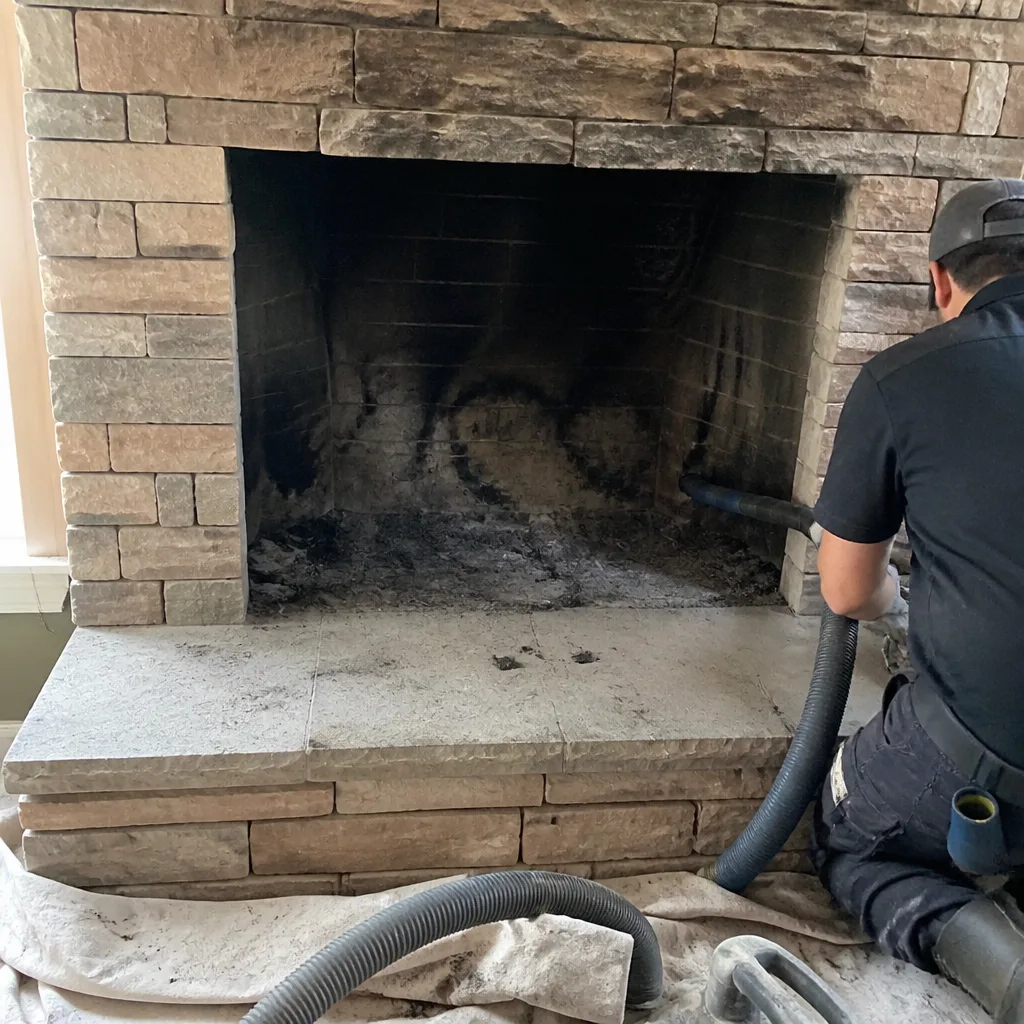 Before
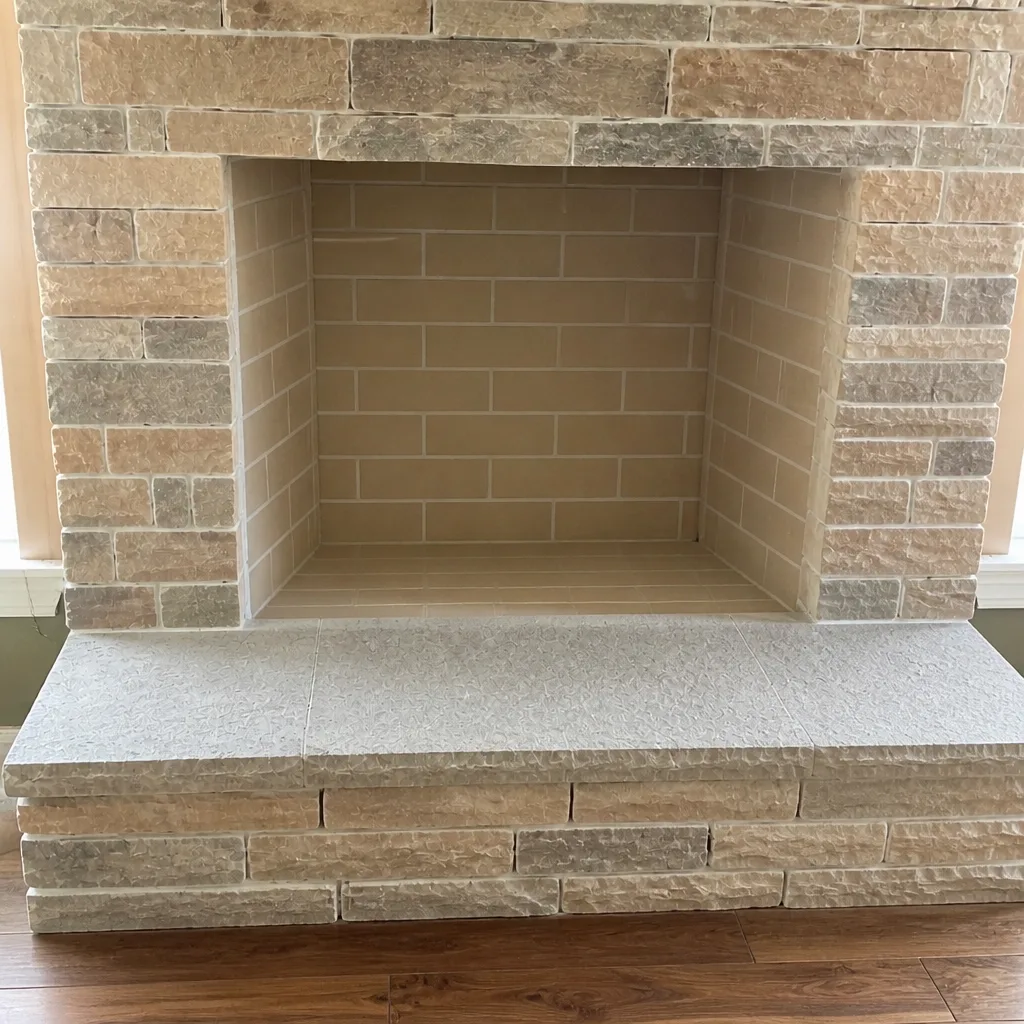 After
Frequently Asked Questions
You can safely handle firebox cleaning, damper lubrication, and a ground-level visual check of the cap. Anything involving the flue interior is not something a homeowner can safely or meaningfully assess without a camera system and training. The creosote stage and liner condition can only be read from inside the flue, and a brush alone doesn’t substitute for that. Call (833) 842-2139 for an exact quote on a sweep and inspection – estimates are free.
A professional sweep covers four steps a DIY attempt can’t: full flue camera inspection, mirror pass for obscured joints, crown and flashing inspection from the roof, and a written condition report. A homeowner with a brush kit can address part of the flue, but the inspection layer and the documentation are what make a professional sweep a distinct service. That’s the part that shows you what needs repair versus what can safely wait.
Not fully. A DIY sweep removes some stage-one creosote, but glazed stage-two creosote is the actual fire fuel, and brushing it doesn’t remove it. If a flue has developed glazed creosote at Centennial altitude, a brush kit won’t touch it, and a homeowner without a camera won’t know it’s still there. That’s the failure path. Call (833) 842-2139 to book an inspection that gives you the full picture.
Bottom-up sweeping is possible from inside the fireplace in some flue configurations, but that doesn’t cover the crown, flashing, or cap. The roof components are where water intrusion starts, and checking them means getting to them. If you’re not comfortable on a roof, that’s a real reason to call a professional rather than skip the roof inspection. Our technicians handle the roof work so you don’t have to.
It can. Common problems include damaged stainless liner from wire brushes, soot in the home from missing drop cloths, and brushed-over glazed creosote left in place. The first can shorten the life of the liner. The third is the dangerous one. If in doubt, have an inspection done before your next burn season rather than after. Call (833) 842-2139 for an estimate.
Most wood-burning fireplaces should be swept and inspected once per burning season while in regular use. At Centennial altitude, incomplete combustion produces more creosote per cord, which argues against stretching the interval. If the flue hasn’t been serviced in two or more seasons, book a sweep and inspection together the next time you’re not actively burning – typically late spring or early fall before the season starts. Call (833) 842-2139 for an exact quote, and estimates are free.
The Bottom Line
The DIY vs professional chimney cleaning question is decided by what DIY physically cannot assess. A homeowner can brush a firebox, grease the damper, and check the cap. A homeowner cannot see inside the flue with a camera, cannot interpret the liner condition with a mirror pass, and cannot document the state of the flue for their insurer. In Centennial, altitude makes the case sharper because creosote builds faster and stage-two glazing is more common. If the flue hasn’t been inspected in two burning seasons, a professional sweep and inspection is the more useful spend. If it has, keep the firebox cleaning and damper work for yourself and book the sweep on schedule.
Then schedule it before burning season, not during it, so any repair the inspection finds can be handled without rushing a cold-weather repair on a compromised flue. A clean flue isn’t the same thing as a safe flue. The camera pass and the written report are what make the difference. Call (833) 842-2139 for a free estimate on a sweep and inspection. We answer 24/7, with fast dispatch from 7am to 7pm, Sunday through Friday, closed Saturday. And we’re on-site in 60 minutes.
Written by the team at Chimney Sweep Centennial.