
Last updated November 16, 2026
 Sweep & inspection
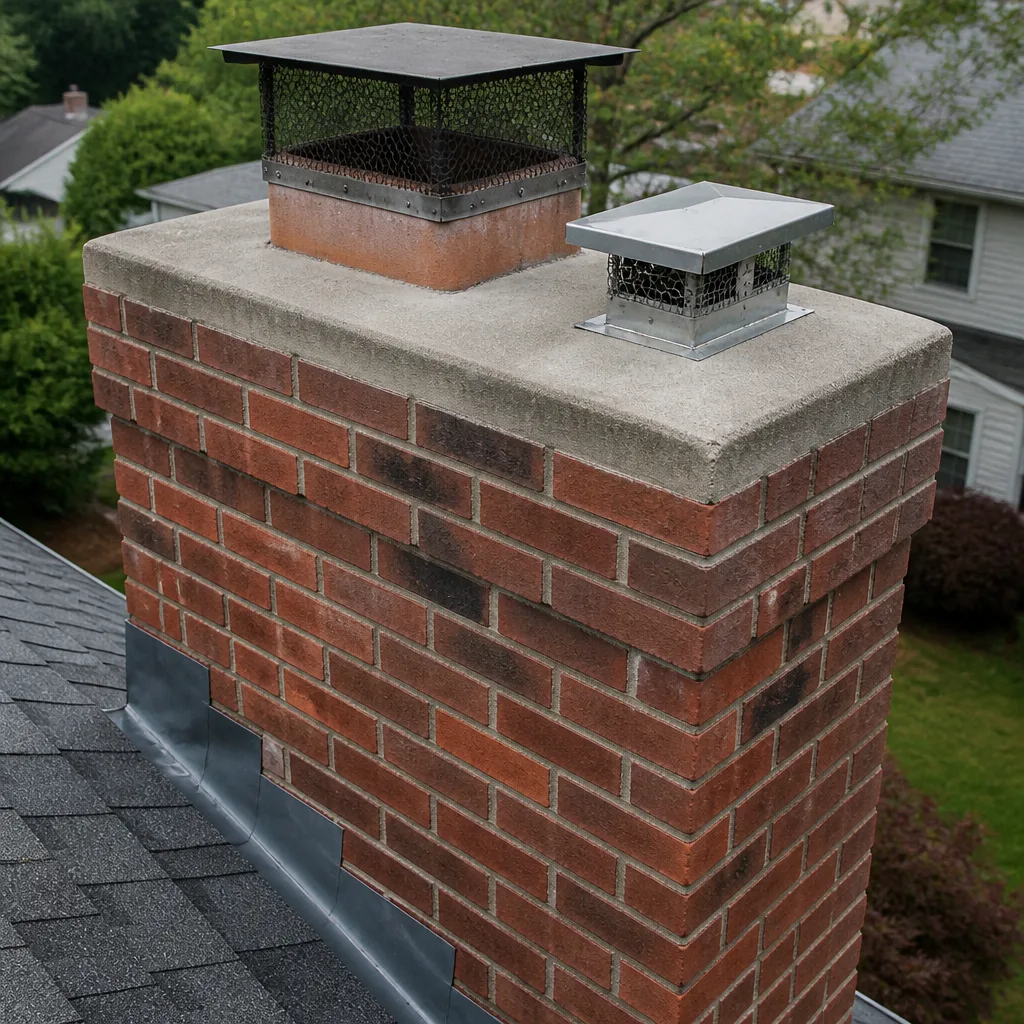
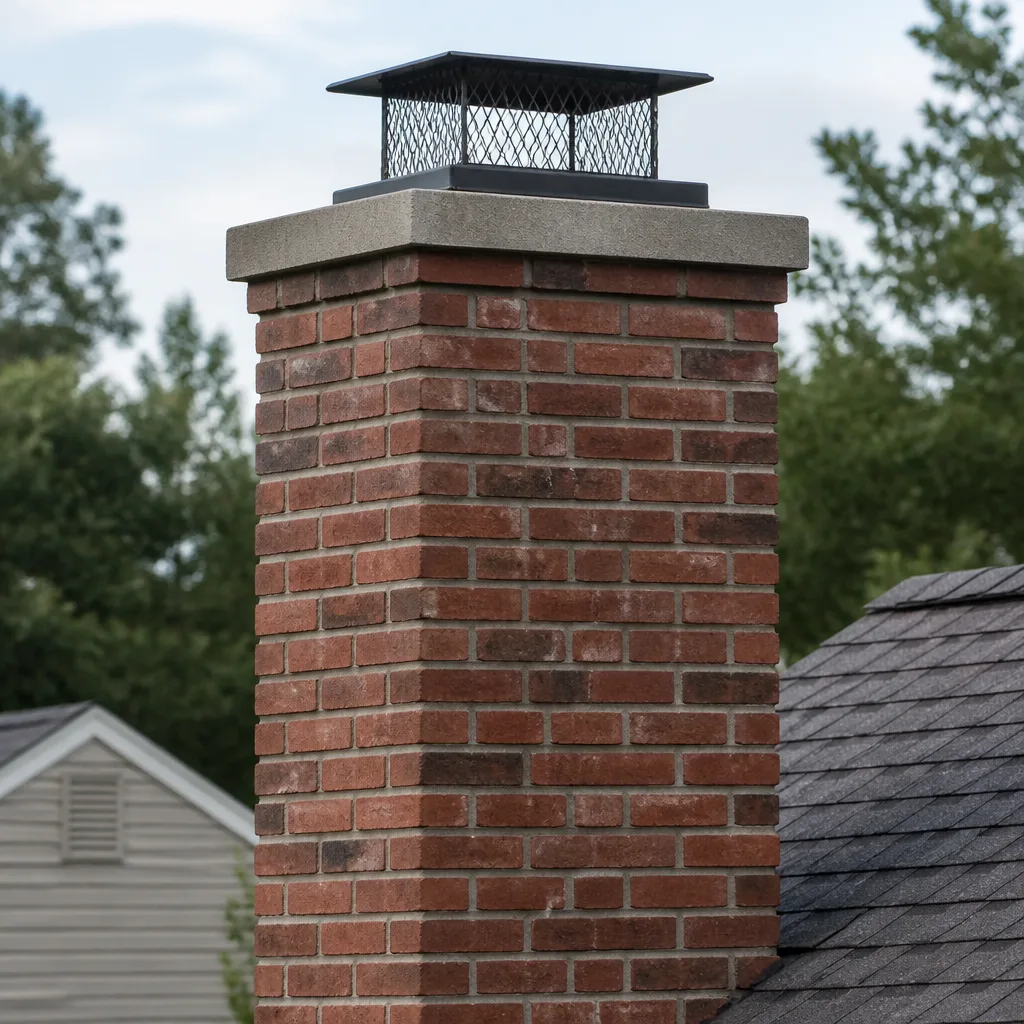 Caps & crowns
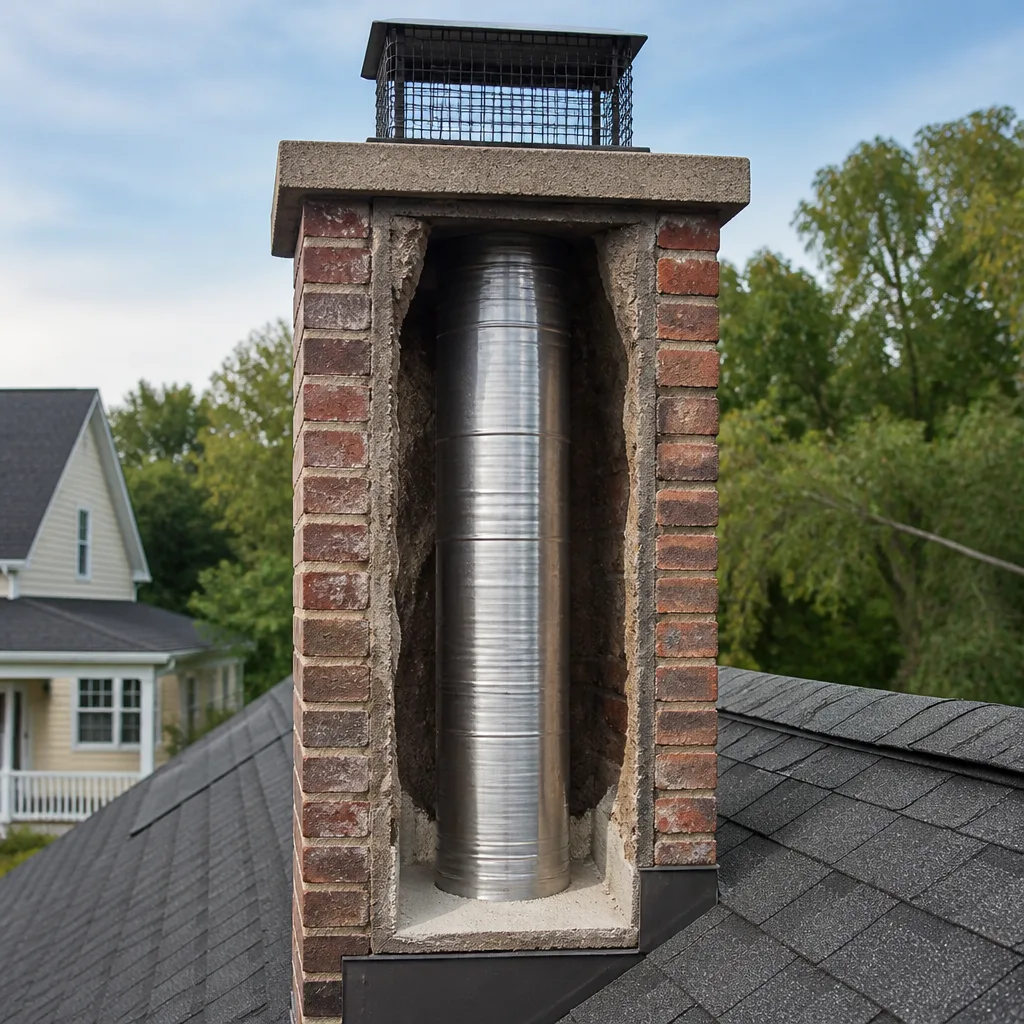 Flue relining
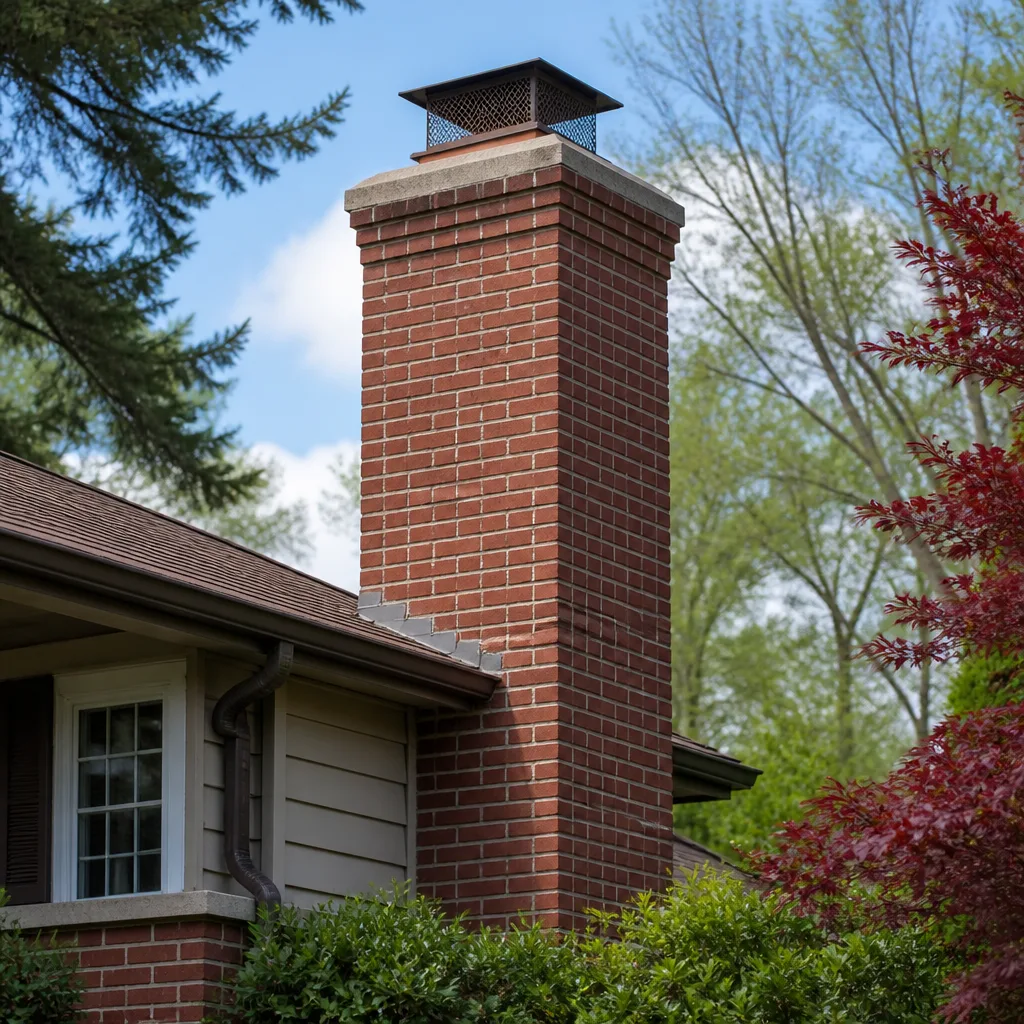 Masonry repair
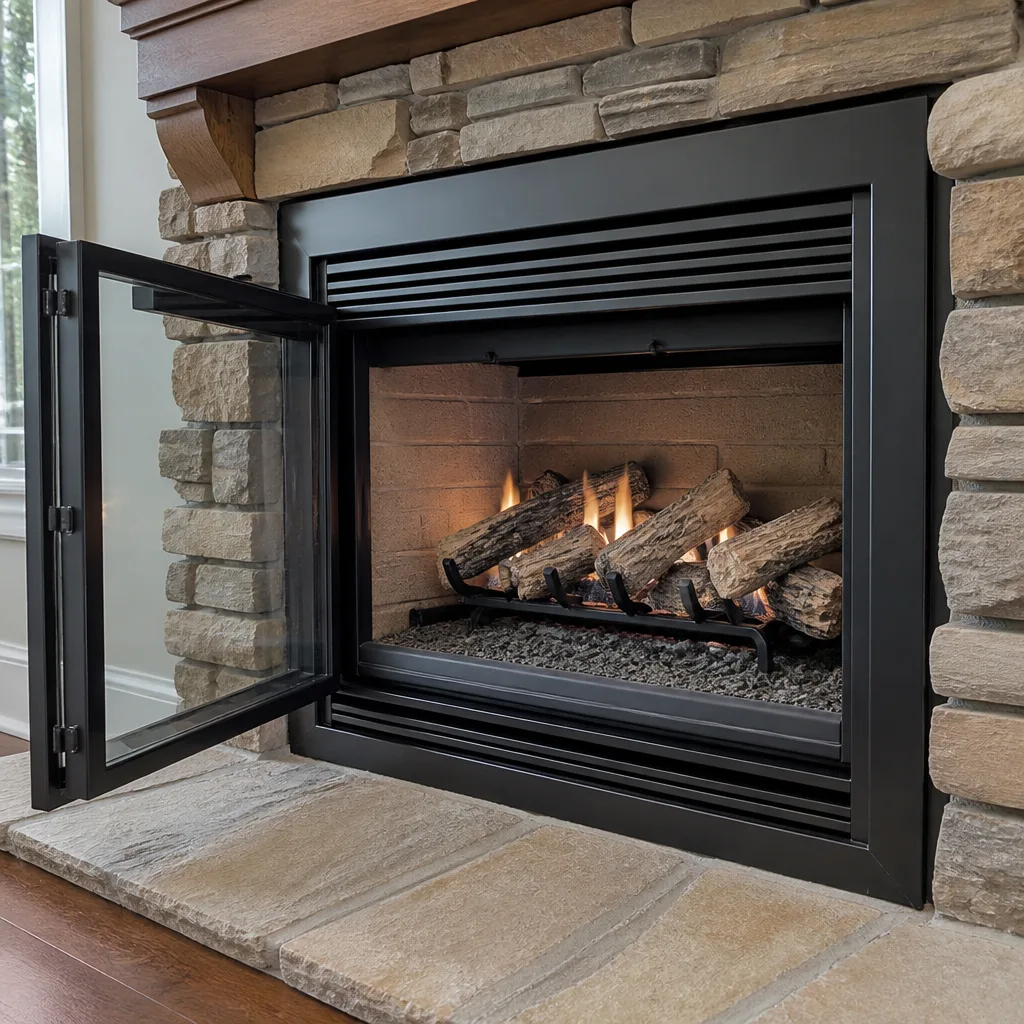 Gas fireplace service
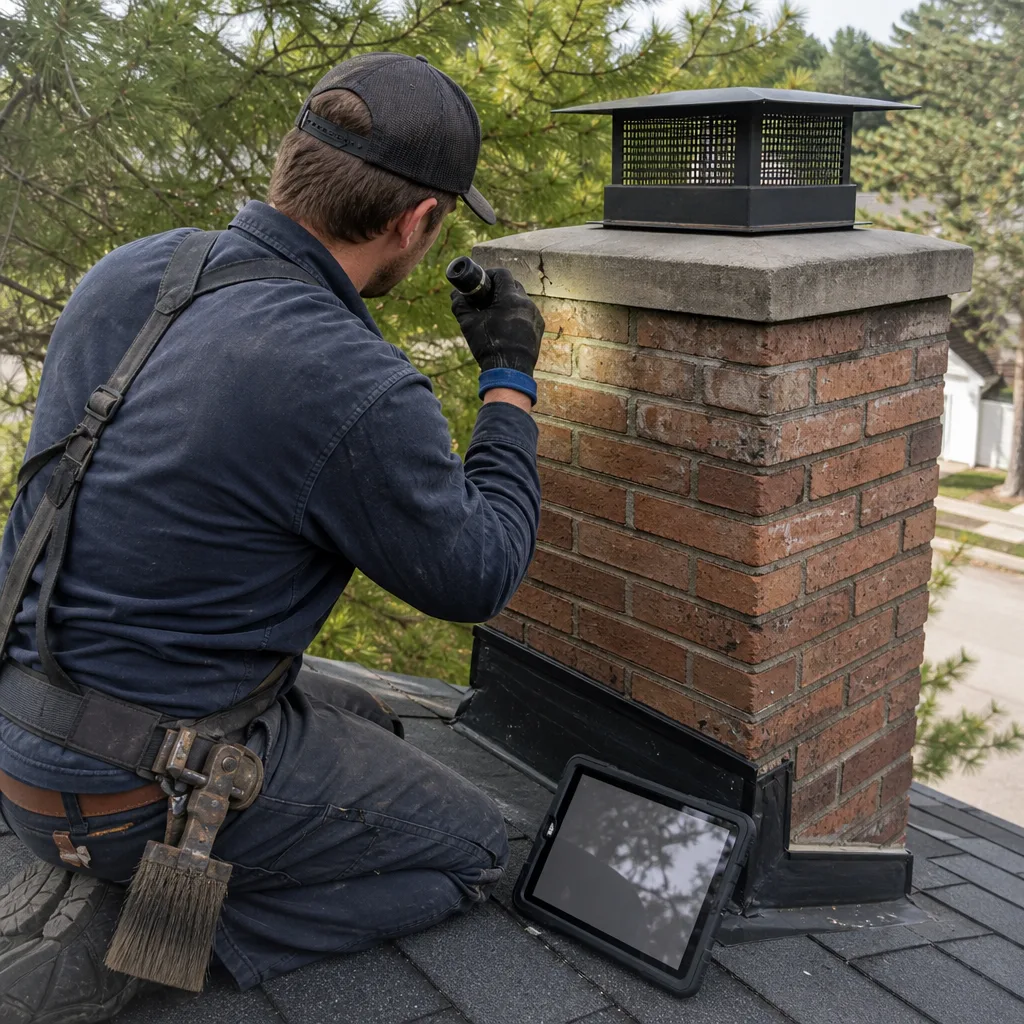
Level 1 sweep and inspection to the NFPA 211 annual standard - flue, crown, cap, and flashing checked and photographed
Chimney sweep logs do not sweep chimneys. They loosen some creosote - which then falls where a brush and vacuum still have to collect it.
Chimney Cleaning Emergency Preparedness Guide for Centennial Homes
Most Centennial homeowners have a fire extinguisher within arm’s reach of the kitchen and a smoke detector in every hallway. Very few have a plan for the one fire that starts inside their walls and can burn for twenty minutes before anyone notices. A chimney fire doesn’t always sound like an inferno. It can sound like a low rumble, a clicking in the flue, or nothing at all, and the first four minutes of your response decide how much of your home’s structure survives intact. This guide walks through what to do while it’s happening, what has to happen before you light another fire, and how to build a record that pays off with your insurer. It’s written from Centennial, for Centennial, and it’s built around the steps most homeowners only learn after the fact.
Quick Answer
A chimney fire in progress needs three immediate actions: cut the air supply to the firebox, get everyone outside, and call 911. Never throw water into a hot flue, and never relight the fireplace until a Level 2 inspection confirms the flue’s condition. After the fire is out and before any reuse, an inspection is mandatory, and a documented inspection report is what your insurer will ask for. Pre-season preparation, including carbon monoxide detection and tidy service records, changes the entire outcome.
Styles & brands we work with
- Sweep & inspection
- Caps & crowns
- Flue relining
- Masonry repair
- Gas fireplace service
Table of Contents
- Why Chimney Fires Start Quietly in Centennial Homes
- The Three-Step Response Protocol for a Fire in Progress
- After the Fire: What Must Happen Before You Relight
- Documenting Damage for a Colorado Insurance Claim
- Carbon Monoxide Preparedness for Chimney Appliances
- Building a Pre-Season Emergency Kit
- Why Records Accelerate Insurance Response
- Prevention: The Sweep and Inspection Schedule That Works
Why Chimney Fires Start Quietly in Centennial Homes
Centennial sits at about 5,500 feet on the western edge of the Denver metro, and the altitude matters more than most people realize. Wood burns differently up here. The air is thinner, so a fire gets less oxygen per cubic foot than at sea level, and that incomplete burn produces more creosote, the tar-like residue that lines a flue and catches fire. A chimney that runs fine in a coastal climate and gets swept on schedule can still build up a dangerous glazed creosote layer in a Centennial home after just a couple of cold seasons, especially when the wood isn’t well seasoned.
The housing stock compounds the issue. Large parts of Centennial were built in the 1970s, 1980s, and 1990s, and many of those fireplaces have original clay tile flues that develop hairline cracks over decades of heat cycling. A cracked flue liner is a chimney fire waiting for a spark. It’s also where the fire escapes the flue and gets into the framing, and that’s the difference between a swept chimney and a house fire.
In our experience, the homeowners most at risk aren’t careless. They’ve simply inherited a system they didn’t install and haven’t had looked at, sometimes in three or four seasons. A fireplace that lights cleanly and drafts well can be holding a quarter-inch of glazed creosote right where the flue turns to exit the roofline. Nothing about the fire in the firebox tells you that. Only an inspection does.
The Three-Step Response Protocol for a Fire in Progress
What you do in the first four minutes either limits the fire to your flue or lets it climb into the structure. Memorize this sequence now, while no fire is burning, because under stress you will not be creative.
What are the signs of a chimney fire?
Look for a low roaring or rumbling sound, a clicking or popping from the flue, dense smoke from the top of the chimney, or a sudden drop in how well the fireplace draws. Inside the firebox, you might see a fire that seems to fight the draft or flames that won’t behave normally. On roofs, you might see sparks or flames at the chimney crown. Sometimes the only sign is a hot spot you can feel on the surrounding wall or smell of charred wood and asphalt. A chimney fire doesn’t always present dramatically.
Step 1: Cut the air supply
- Close the glass doors on the firebox if you have them.
- Close the damper. Yes, this traps smoke inside, but it cuts oxygen to the fire in the flue, and that matters more in the first minutes. If the house fills with smoke, evacuate immediately. Your furniture is replaceable.
- If you have a chimney fire suppressant stick or a metal chimney cap you can safely drop in, use it. Otherwise, don’t improvise.
Step 2: Get everyone outside and call 911
- Get every person outside the home, including anyone in the basement or backyard.
- Call 911. Tell the dispatcher it’s a chimney fire in progress and give your address. Don’t hang up until they end the call.
- Move vehicles away from the house, get the garden hose ready for the exterior, and don’t re-enter to retrieve anything.
- Wait for the fire department. A chimney fire is a structure fire until proven otherwise.
Step 3: Never use water on a hot flue
This is the mistake that turns a controlled chimney fire into a structural catastrophe. A flue that’s been burning at high heat is often above 1,000 degrees. Pouring water into it can cause thermal shock, cracking the clay liner and even triggering a flue collapse. Water on the exterior walls of a hot chimney can spall masonry and cause a steam explosion. Leave the water off the flue. If the fire department tells you to do something, do exactly what they say. Otherwise, your job is to stand back.
After the Fire: What Must Happen Before You Relight
After the trucks leave, the most dangerous step is the one that seems harmless: lighting the next fire. Chimney fire damage is often invisible from inside the firebox. The heat can crack clay tiles, warp a metal liner, pull mortar joints apart, and damage the crown, flashing, or surrounding framing. Reusing the fireplace without a proper inspection risks a carbon monoxide leak at worst, or another chimney fire at best. Neither is worth it.
Why a Level 2 inspection is mandatory after any chimney fire
The industry recognizes three levels of chimney inspection. A Level 1 is the visual check that accompanies a routine sweep. A Level 2 adds a video camera run through the length of the flue, which lets the inspector see the entire interior of the liner, not just the parts the eye can reach. After a chimney fire, a Level 2 is not optional and not a sales pitch. It’s the only way to see cracks, joint separation, spalling, warped liner sections, and creosote that re-adhered to the flue wall after burning.
When we perform a Level 2 inspection through our chimney repair work, we record the camera footage and photograph anything that needs attention. You see the same images we do. That’s the difference between a diagnosis and a recommendation.
What the inspection should confirm
- The liner has no cracks, gaps, or separated tiles along its full length.
- Mortar joints inside the firebox and smoke chamber are intact.
- The crown and flashing are sound and shedding water correctly.
- The damper opens, closes, and seals properly.
- The chimney cap is intact and the flue is clear.
If the inspection finds damage, repairs may range from spot mortar and crown work to a full reline. DuraFlex flexible liner systems are one of the options we use when a flue needs to be relined, and HeatShield is one of the resurfacing methods we use when the existing flue can be restored rather than replaced. Both are professional-grade products, chosen for the specific condition of your flue, not pulled off a shelf because it’s what happens to be there.
Documenting Damage for a Colorado Insurance Claim
The quality of your documentation in the first 48 hours largely determines how smoothly a claim goes. Adjusters aren’t unreasonable people, but they’ve seen a lot, and they respond to evidence, not descriptions. Give them a clear record and the process moves.
What to gather immediately after the fire
- Photograph the exterior of the chimney, the crown, and the roofline from several angles.
- Photograph the firebox interior and, if safe to do so, inside the smoke chamber.
- Keep the fire department’s incident report number and the responding station.
- Save any burned or stained material you remove from around the hearth or mantel.
- Keep receipts for anything you spend on temporary protection, such as tarps or emergency boarding.
- Do not discard a damaged cap, damper, or liner section until the adjuster has seen it.
What adjusters look for
An adjuster wants to see that the reported damage is consistent with a chimney fire, not with normal wear or a different cause. That means an independent inspection report with photos and camera footage, a clear technical description of what failed, and a repair estimate written by a company that performs the work. A vague estimate that just says “chimney repair” slows the claim. A line-item estimate tied to specific flue conditions accelerates it.
In our own claims-related inspection reports we photograph and mark every defect, tie it to a specific repair, and hand the homeowner a copy the same visit. If your first response after a chimney fire is to call us, the inspection, camera footage, and estimate all get produced together so you can hand your insurer a complete package.
Carbon Monoxide Preparedness for Chimney Appliances
A chimney fire is dramatic. Carbon monoxide is quiet, and it can come from the same appliance. Any fuel-burning system connected to a chimney, whether it’s wood or a gas appliance vented through the flue, produces carbon monoxide as a normal byproduct of combustion. A properly functioning chimney sends it up and out. A cracked flue, a blocked flue, or a flue that loses draft for any reason sends it into the living space instead.
Where CO detectors belong in a home with a chimney
- On every level of the home that has sleeping rooms.
- Outside each sleeping area, within hearing distance of the closed door.
- In the basement or utility room where a gas appliance or furnace is connected to the chimney.
- Not directly above the firebox, where normal cooking or fireplace use can set off false alarms.
What a CO event looks like versus a smoke event
A smoke event announces itself: visible smoke, a haze at the ceiling, a smell of burning material, or a screaming smoke detector. You know what to do. A CO event doesn’t announce itself. There may be no visible smoke, no smell, and no obvious trigger. What you might notice is a headache, dizziness, nausea, fatigue, or confusion in one or more people in the home, often improving when they leave the house. Pets may be lethargic or unsteady. If your CO detector sounds, treat it the same way you would a smoke alarm: get everyone outside, call 911, and don’t re-enter until the fire department clears the home. If anyone in the household is symptomatic, tell the dispatcher and don’t drive yourself to the hospital; get an ambulance.
One more point that connects back to the chimney fire protocol: after any chimney fire, the flue’s ability to vent carbon monoxide is unknown until it’s been inspected. That’s another reason the Level 2 isn’t optional.
Building a Pre-Season Emergency Kit
A kit won’t stop a chimney fire, but it changes how quickly you respond and how quickly your insurer responds to you. Put this together before your next burn season.
What belongs in the kit
- Carbon monoxide detector, tested and within its service life. Most have a 5- to 10-year replace-by date printed on the back. Check it every fall.
- Fire extinguisher rated for both trash/wood/paper (A) and electrical/flammable liquid (B, C), stored near the hearth.
- Chimney fire suppressant stick or canister. These are designed to be tossed into a firebox with minimal opening of the door. A Famco or Copperfield-quality suppressant is a small investment for a serious situation, and we keep both in our product line.
- A recent inspection report, ideally with camera footage, on paper and digital. Your adjuster will ask.
- A chimney fire response card taped inside a kitchen cabinet: the three-step protocol in short form, with your address and the fire department’s non-emergency line.
- A flashlight and a pair of gloves, because if the power goes out you won’t want to be fumbling in the dark.
Our team at Chimney Sweep Centennial recommends the kit as part of every sweep we perform, and we’ll hand you a printed card with the protocol at the end of the visit. That’s not marketing, it’s just the right thing to leave behind.
Why Records Accelerate Insurance Response
Adjusters are trained to distinguish neglect from bad luck. A homeowner who has service records from a professional chimney sweep is a lower-risk policyholder than one who can’t demonstrate the chimney was ever inspected. From the insurer’s perspective, a documented chimney is a known quantity. From yours, it’s ammunition.
What to keep and how to store it
- Every inspection report, with photos and camera footage if available.
- Every sweep report, which should note creosote levels and any recommended follow-up.
- Every repair receipt, including which materials were used (for example, HeatShield resurfacing, a DuraFlex reline, a cap replacement).
- A simple one-page summary you can hand to an adjuster listing the date of the last inspection, the last sweep, and any repairs.
A clean paper trail often shortens the claim evaluation significantly. It also makes a catastrophic claim unlikely in the first place, because documented chimneys get swept more often, and routinely swept chimneys rarely catch fire. That’s the quiet benefit of record keeping: the fire that never starts is the one that never needs documenting.
Prevention: The Sweep and Inspection Schedule That Works
You can be prepared for a chimney fire without ever having one. The mechanics are simple, and in Centennial the schedule matters more than it does in most places because of the altitude and the housing stock.
A schedule worth following
- Annual inspection, ideally in the early fall before burn season. A Level 1 is enough for most homes, but if it’s been more than a couple of seasons, or the home changed hands, ask for a Level 2. The camera run sees what the eye can’t.
- Sweep when your flue needs it, which is often once per season of regular burning, and more often if you’re burning softwood, unseasoned wood, or “free” wood from a scrapyard. A sweep is a cleaning, not an inspection, and a good provider will do both together.
- Inspect after any chimney fire, and never reuse the fireplace until a Level 2 comes back clean.
- Inspect after a major change: a liner replacement, a wood stove swap, a new gas appliance connection, or a significant roof work project that touched the flashing.
Our technicians have up to 13 years of experience with these schedules in Centennial and the surrounding communities, and we’ve seen the difference between a home that only gets swept and a home that gets swept, inspected, and repaired by one team. It’s why we do all three: the same team that finds a problem fixes it. There’s no handoff to a stranger, and no doubt about what was actually found.
If you’re in a Centennial neighborhood like Willow Creek, Foxridge, or the older stretches near Dry Creek, and you’ve inherited the fireplace from a previous owner without a paper trail, treat the first visit as the baseline. From that point, you have a record, a schedule, and a plan. That’s the real emergency preparedness.
Common Mistakes to Avoid
- Pouring water into a hot flue. It’s the single most damaging action a homeowner can take during a chimney fire. The thermal shock can crack the liner or cause a collapse. Leave the water outside, on the walls, at the fire department’s direction.
- Relighting before an inspection. A flue that looks fine from the firebox can be cracked six feet up where the camera can’t reach without a proper Level 2. Reusing it is how a second, larger fire starts.
- Assuming no sound means no fire. Chimney fires often burn quietly. A low rumble, a clicking flue, or a sudden drop in draft is enough to call 911 and evacuate.
- Letting the smoldering hearth go cold before calling the fire department. A chimney fire can reignite hours later. If there was a fire in the flue, the fire department still needs to respond and confirm it’s out.
- Discarding damaged parts before the adjuster sees them. A burned cap, a warped damper, or a cracked tile section is evidence. Photograph it, bag it, keep it.
- Skipping the CO detector on the basement or utility level. A gas appliance tied into a chimney can vent CO into the home with no visible sign. The detector is the only warning you’ll get.
- Hiring the cheapest sweep and skipping the inspection report. A sweep without a report gives you no record for your insurer and no evidence of your flue’s true condition. The report is the point.
See the difference
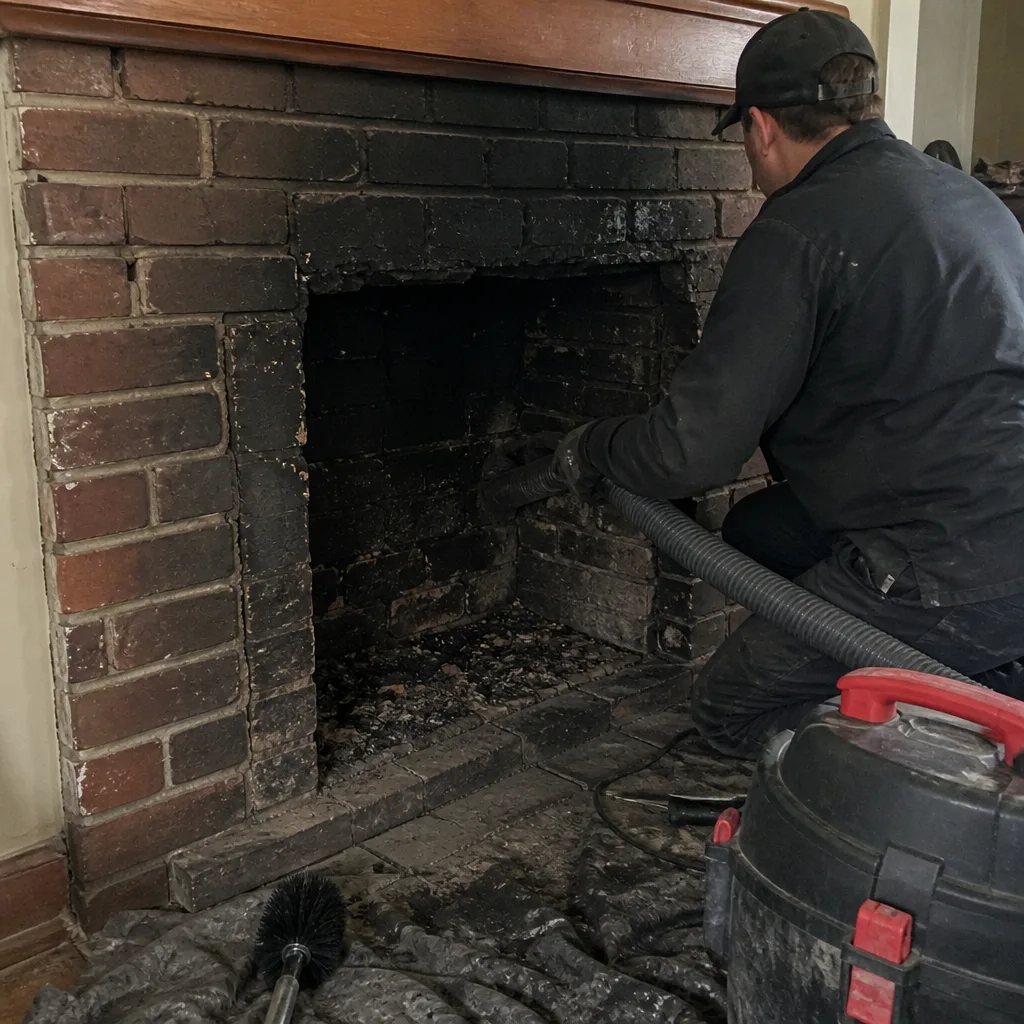 Before
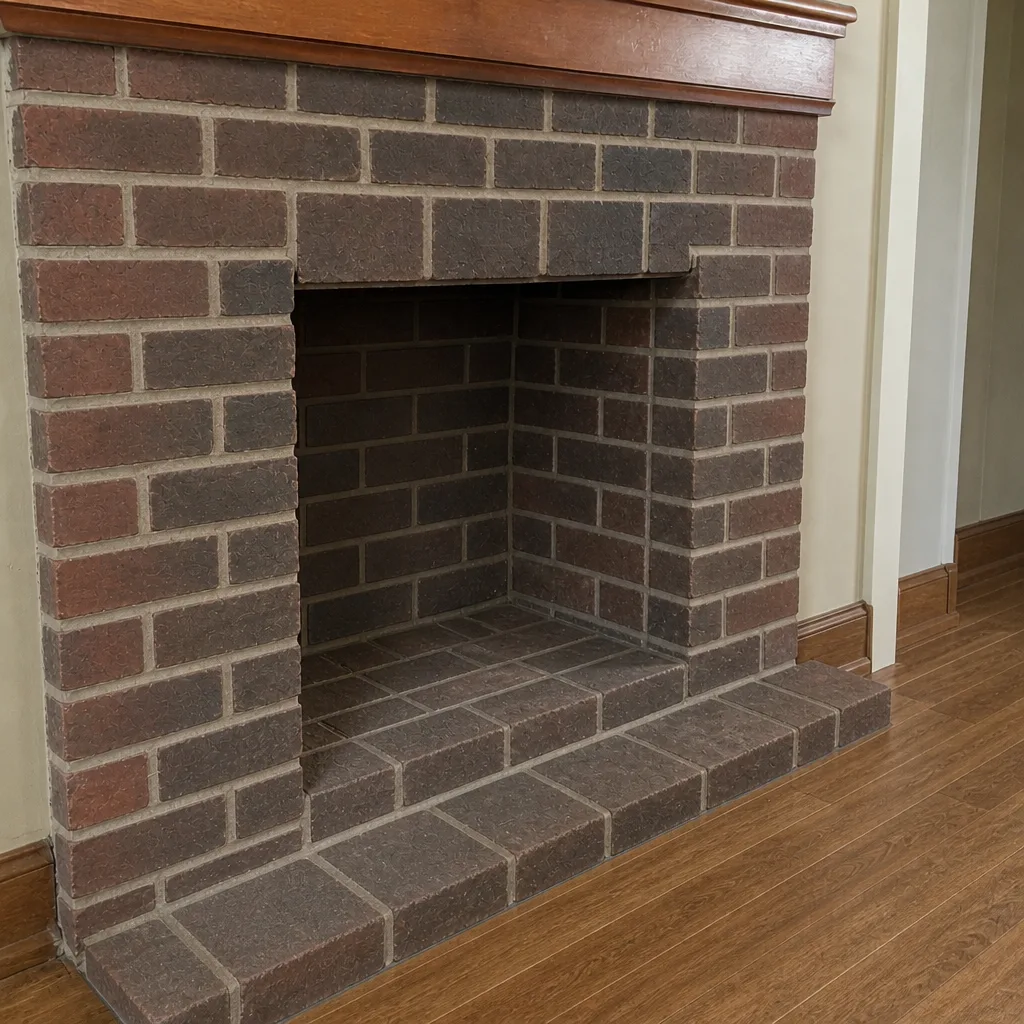 After
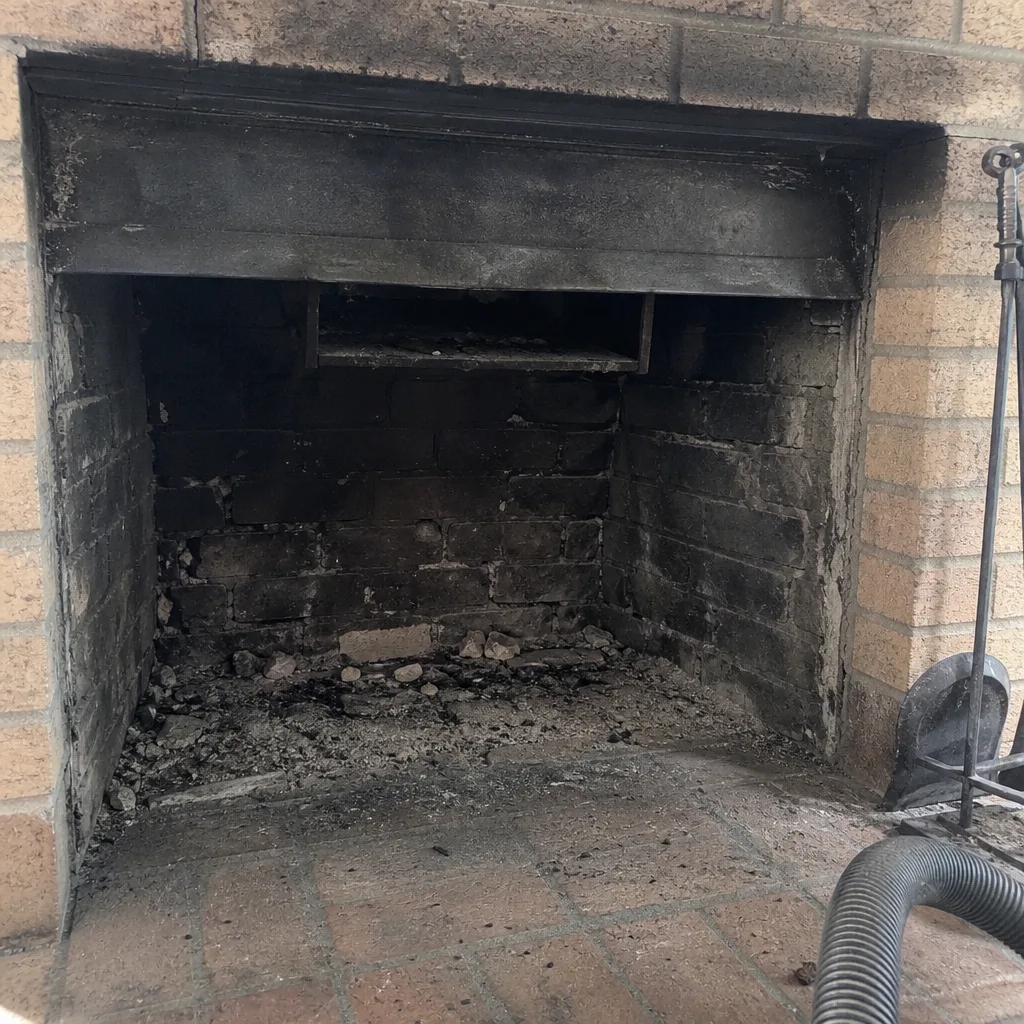 Before
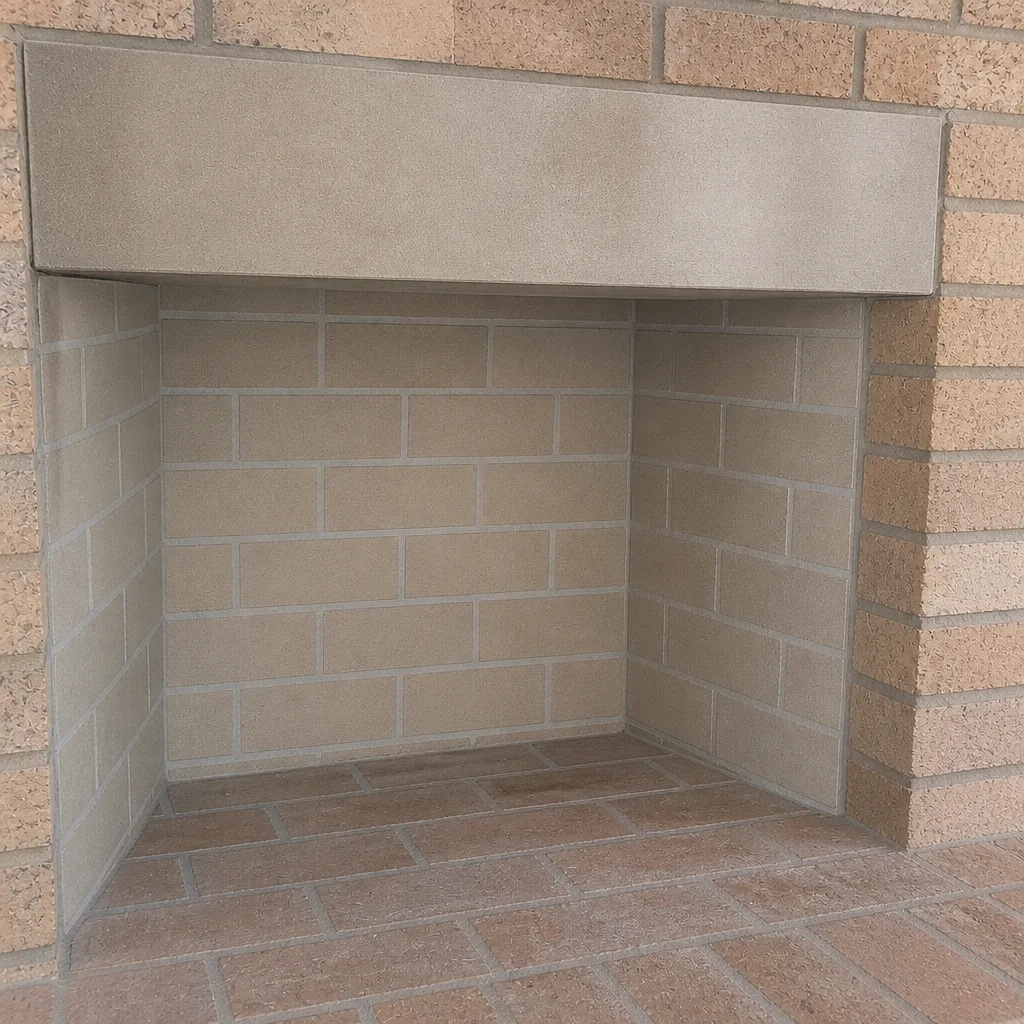 After
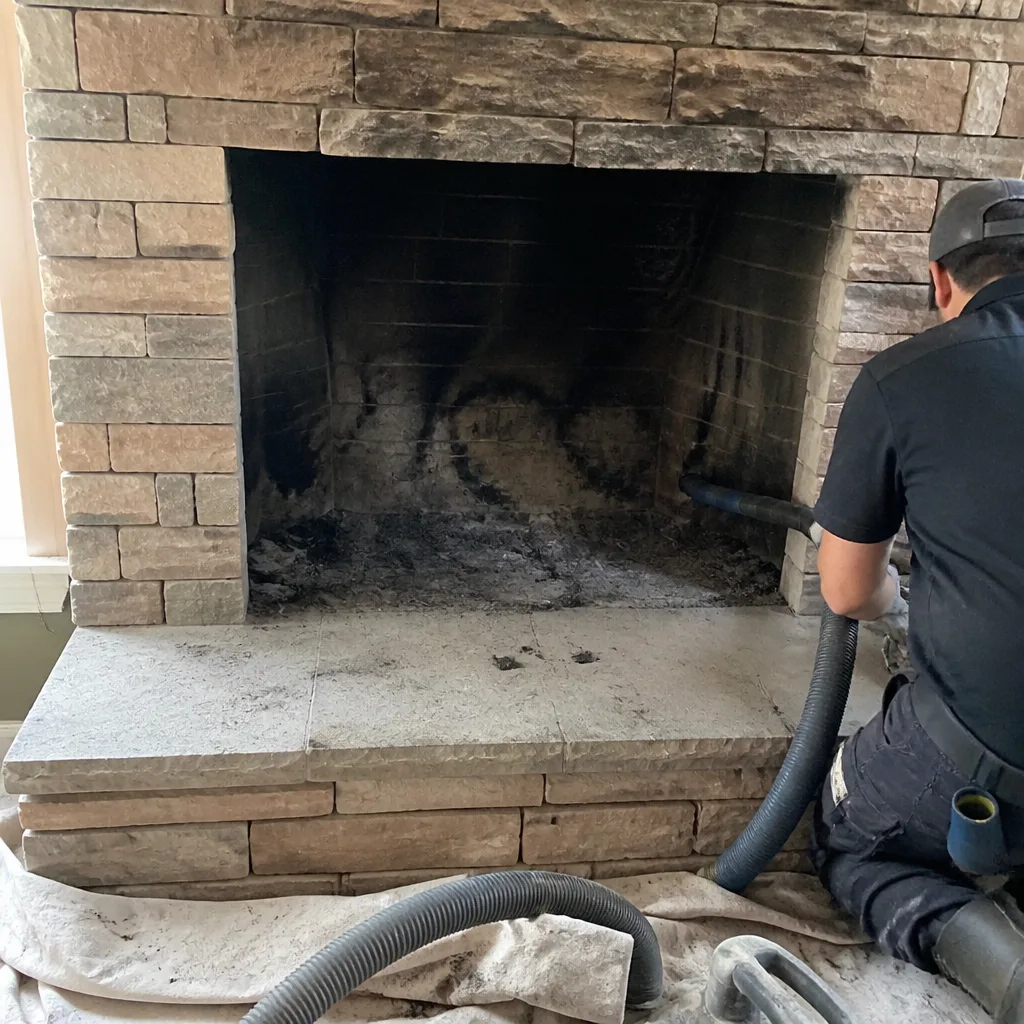 Before
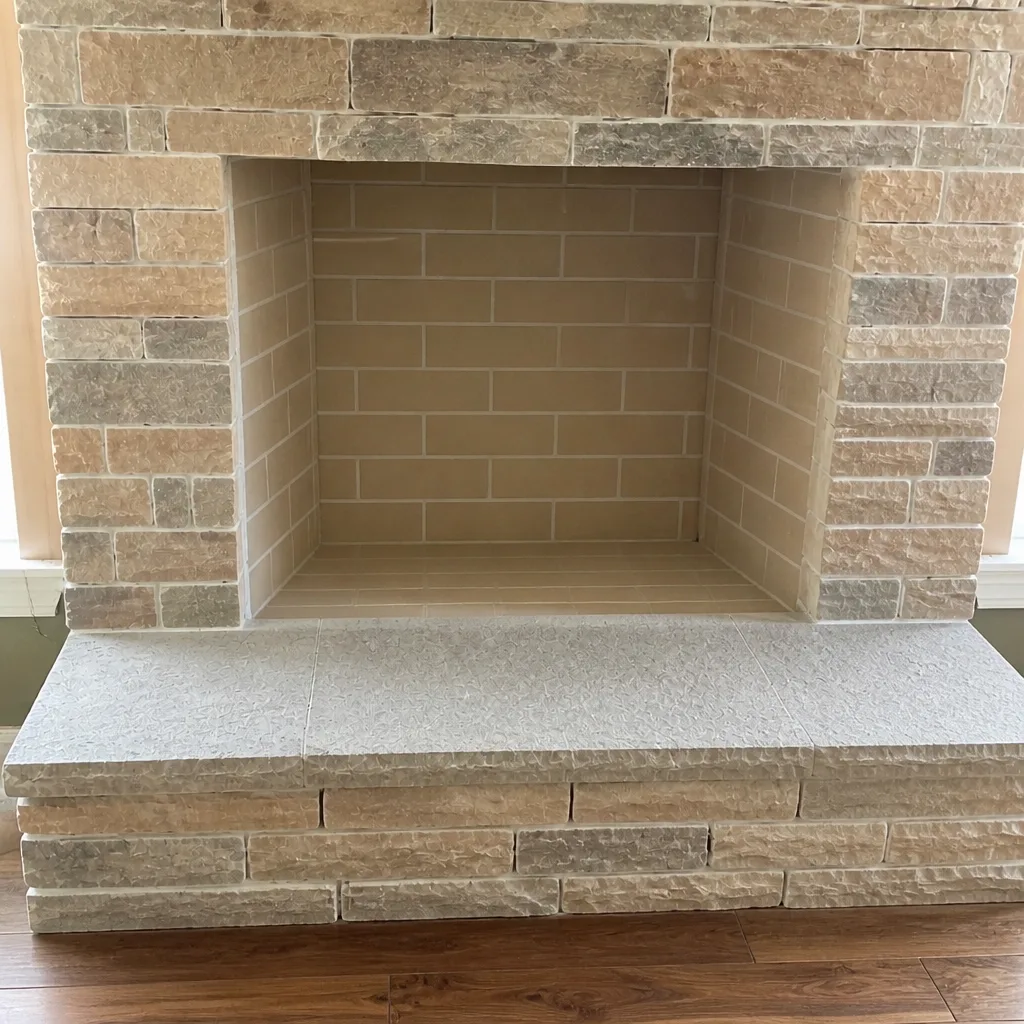 After
When to Call a Professional
Call a professional after any chimney fire, before the next burning season if it’s been more than two seasons since your last inspection, if you notice a sudden change in how your fireplace draws, if you smell smoke in rooms that shouldn’t smell like smoke, if your CO detector goes off, or if you’ve moved into a Centennial home whose chimney history you don’t know. We handle cleaning, inspection, and repair under one roof, using professional-grade materials from brands like DuraFlex, HeatShield, and Famco, and we don’t recommend a repair we can’t show you on camera. Chimney Sweep Centennial offers free estimates in Centennial – call (833) 842-2139. We answer 24/7. Fast dispatch from 7am to 7pm, Sunday through Friday. A call outside dispatch hours is booked into the next opening.
Frequently Asked Questions
Close the firebox doors, close the damper, get everyone outside, and call 911. Don’t throw water into the flue. A hot flue can crack or collapse from thermal shock, so leave the water for the exterior and wait for the fire department.
Yes. The visible heat signature of a chimney fire doesn’t tell you what happened inside the flue. A Level 2 inspection with a camera run is the only way to see cracks, warped liner sections, or joint separation that could leak carbon monoxide or allow the next fire to escape. Call (833) 842-2139 for a same-day inspection.
Most Colorado homeowner policies cover chimney fire damage, but the adjuster will want documentation: photos of the exterior and interior damage, the fire department incident report, and an inspection report with camera footage. A line-item repair estimate written by the company doing the work speeds up the claim significantly. Call (833) 842-2139 to schedule the inspection and estimate.
Most Centennial homes with regular wood burning need a sweep once per season, and sometimes twice if the wood isn’t well seasoned or the fireplace is used heavily through the winter. The altitude and thinner air contribute to creosote buildup faster than at sea level. Annual inspection, sweep when needed. Call (833) 842-2139 to book a sweep.
Not on the inside of the flue. A standard home extinguisher isn’t designed for a flue fire and can’t reach the burning creosote. Suppressant sticks are the right tool for the firebox; the fire department handles the flue. Call 911, evacuate, then call (833) 842-2139 for the post-fire inspection.
A chimney fire has visible signs: sound, smoke, heat, a change in draft. A carbon monoxide event often has none, just a detector alarm or physical symptoms in the people in the home. Treat a CO alarm the same as a fire: evacuate, call 911, and don’t re-enter until the fire department clears the home. Then call (833) 842-2139 for a Level 2 inspection before your next fire.
The Bottom Line
Chimney fire preparedness in Centennial comes down to three things. Know the three-step protocol cold: cut the air, evacuate, call 911, and never use water on a hot flue. Get a Level 2 inspection after any chimney fire before you relight, and don’t skip it if the fire seemed small. Build a paper trail, from inspection reports to safety records, so your insurer has what they need and you have proof your chimney was properly maintained. Do those three things and you’ve changed a chimney fire from a catastrophe into an inconvenience. Our team at Centennial handles the sweep, the inspection, and the repair, and we’ll hand you the documentation either way. Call (833) 842-2139 for a free estimate. We answer 24/7. Fast dispatch from 7am to 7pm, Sunday through Friday, closed Saturday.
Written by the team at Chimney Sweep Centennial.