
Last updated November 16, 2026
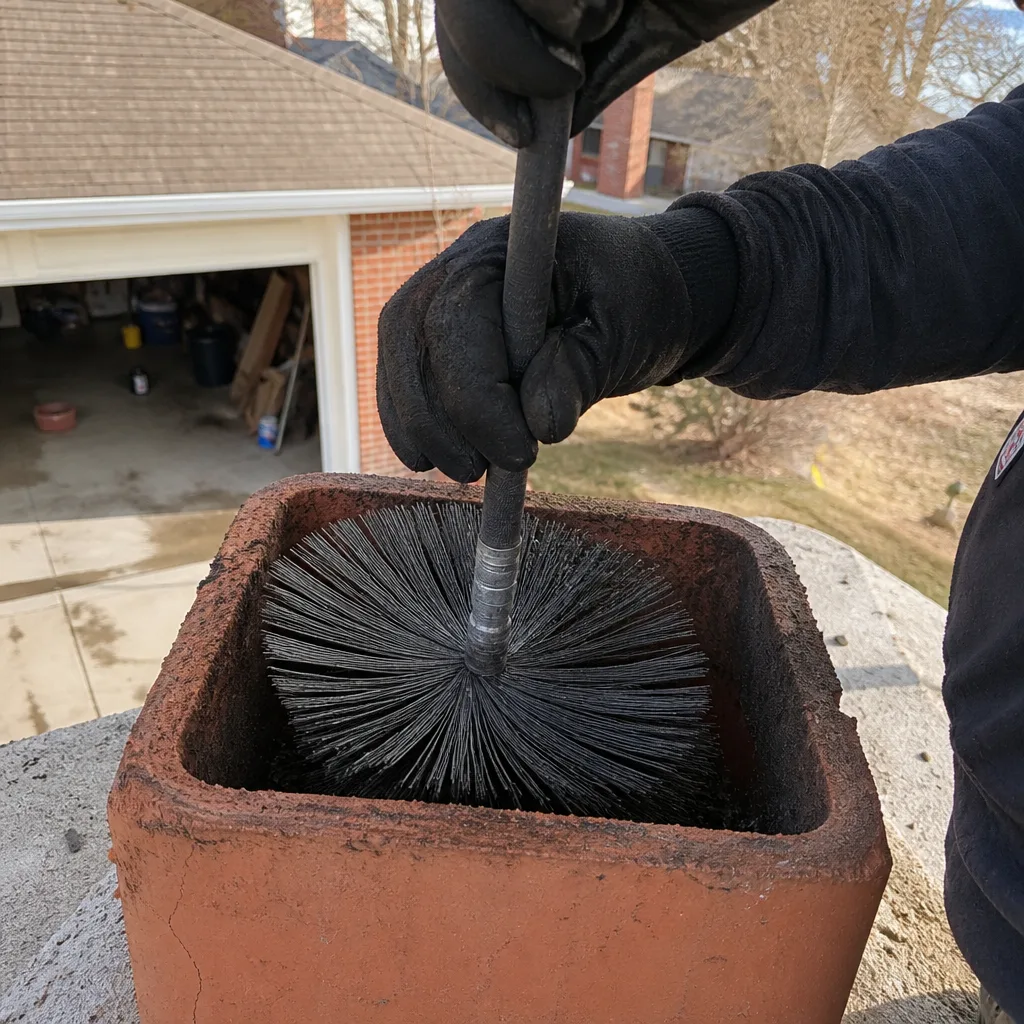
 Sweep & inspection
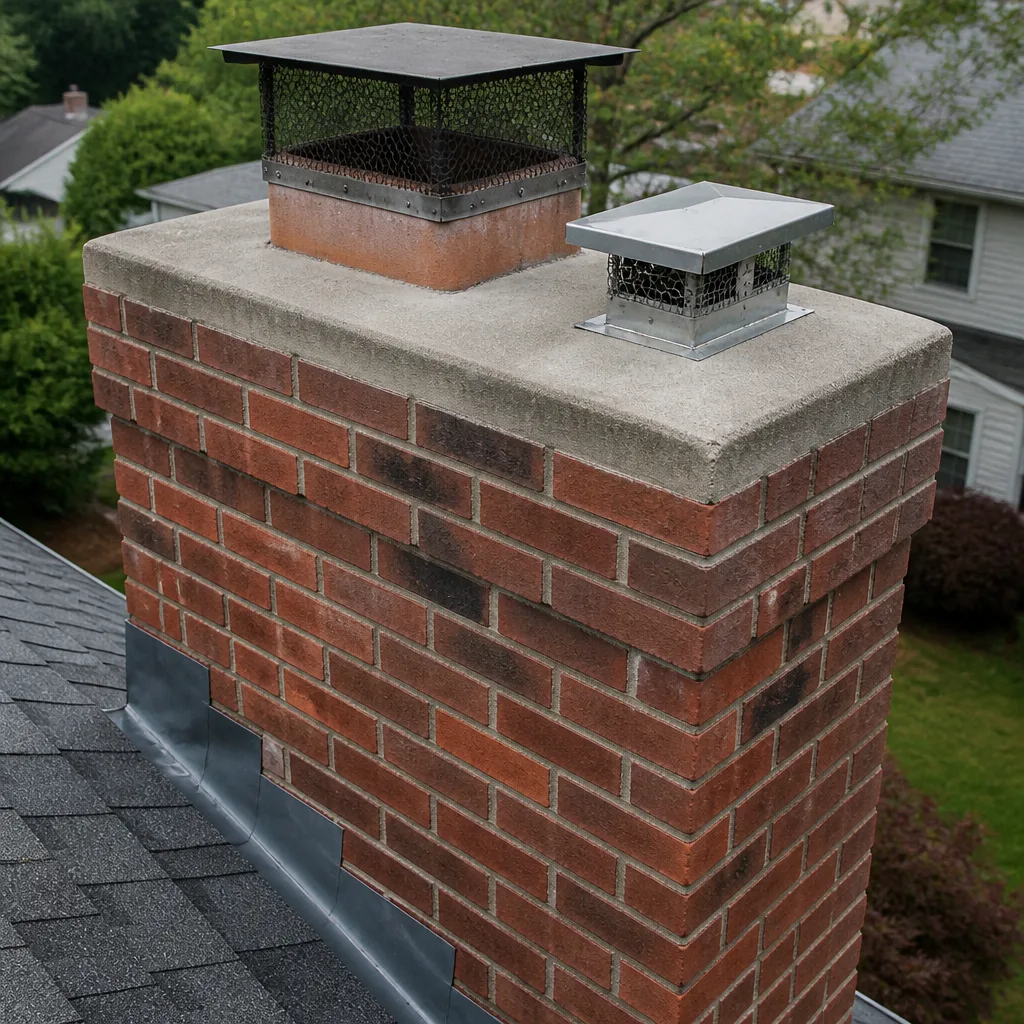
 Caps & crowns
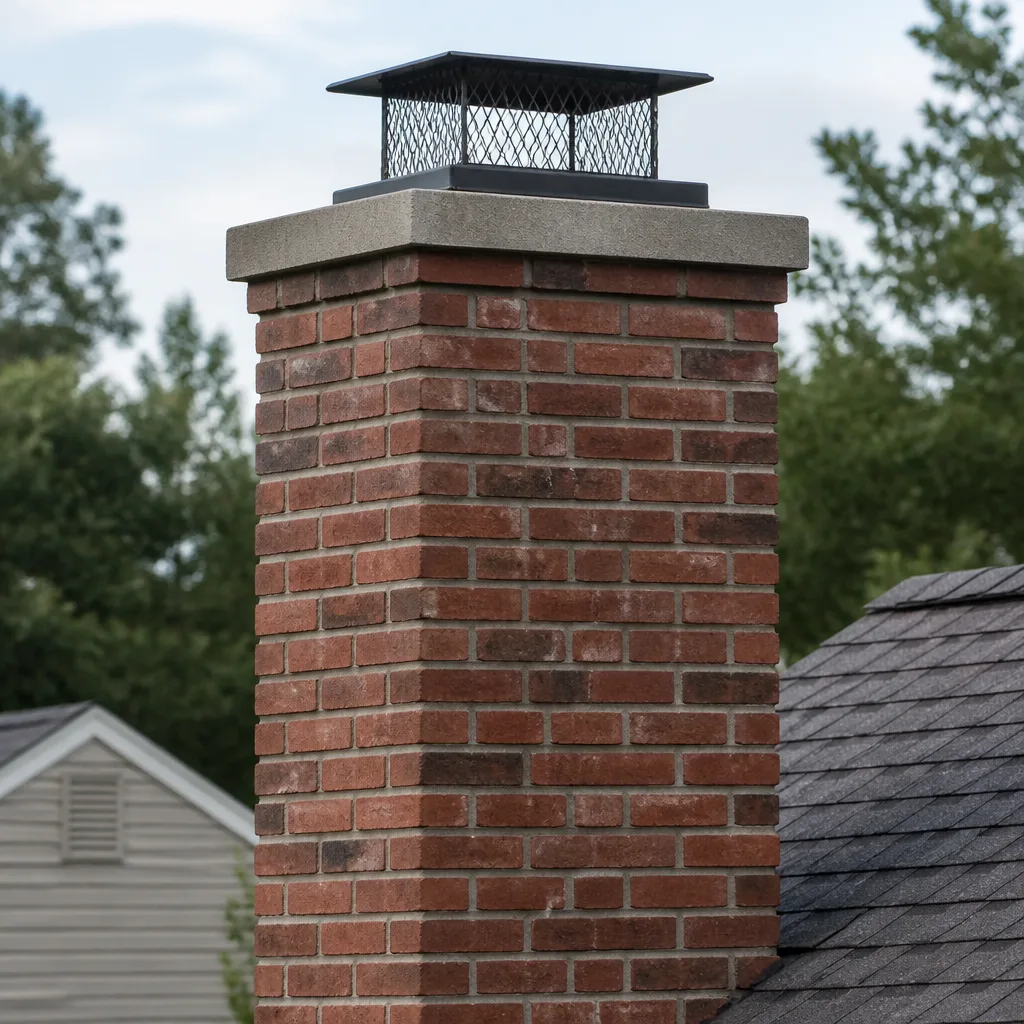
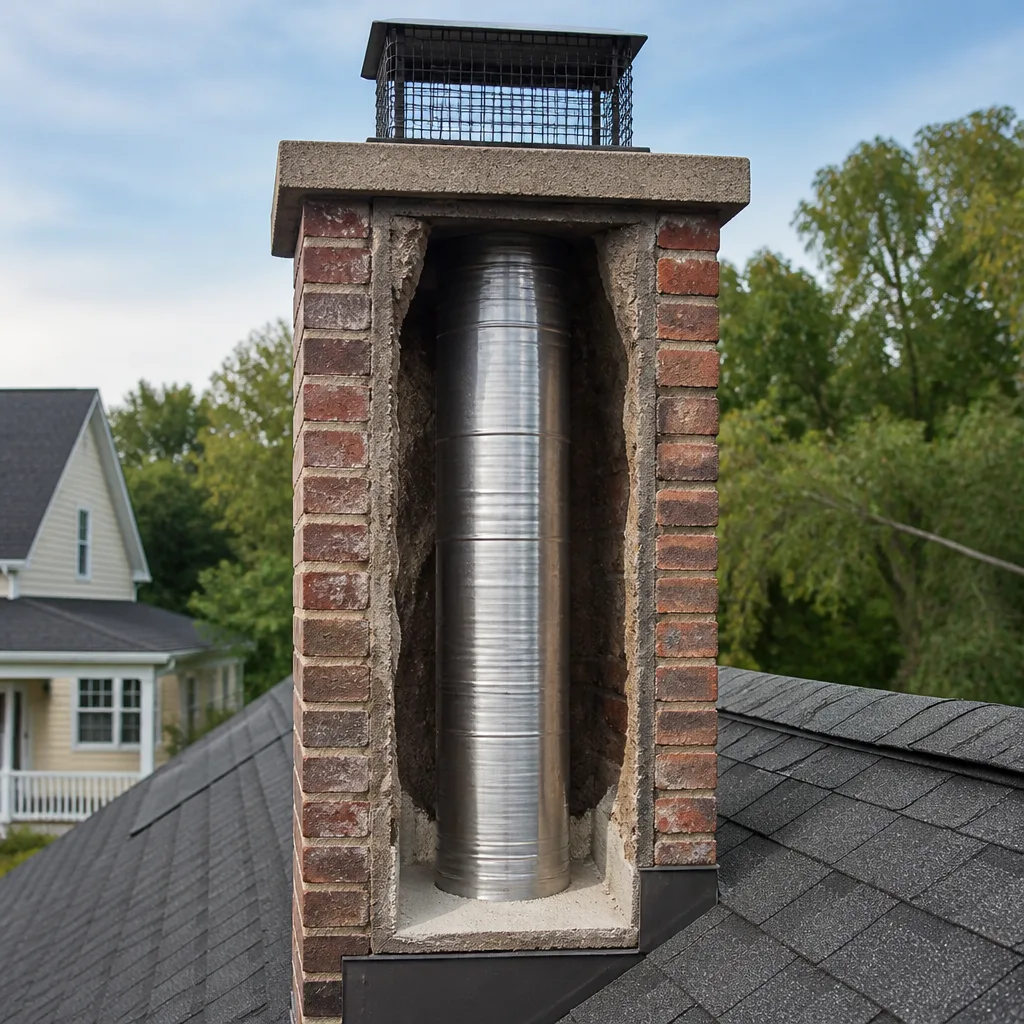 Flue relining
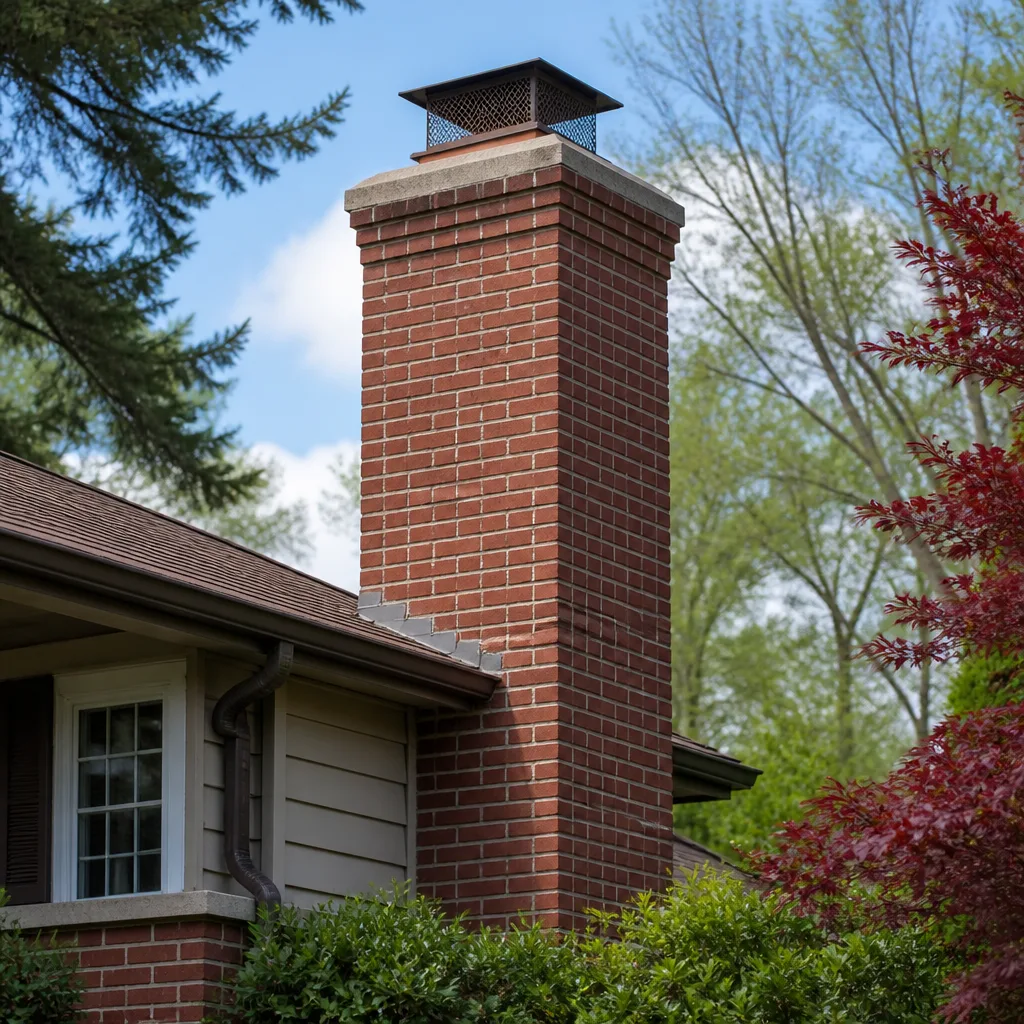 Masonry repair
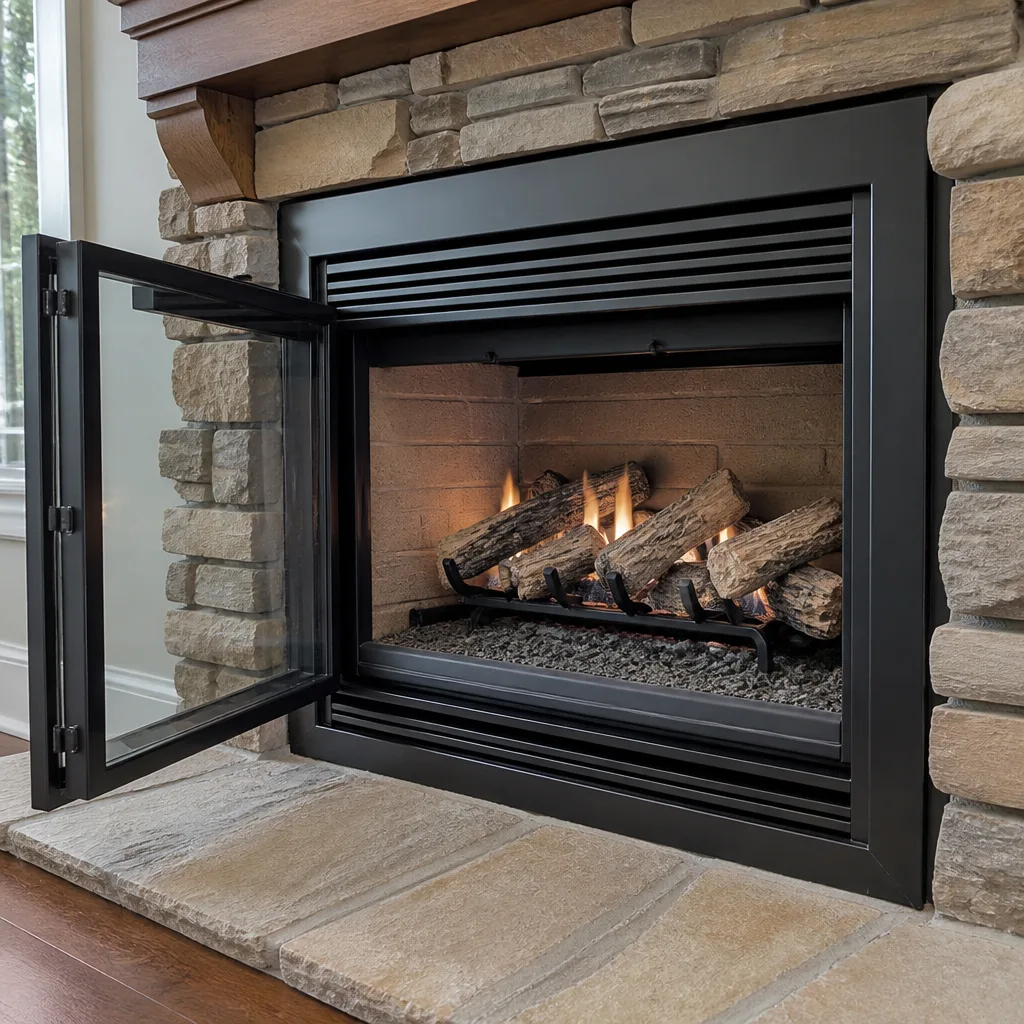 Gas fireplace service
Level 1 sweep and inspection to the NFPA 211 annual standard - flue, crown, cap, and flashing checked and photographed
Chimney sweep logs do not sweep chimneys. They loosen some creosote - which then falls where a brush and vacuum still have to collect it.
Chimney Sweep Troubleshooting in Centennial: Common Problems and How to Fix Them
Smoke rolling into your living room isn’t a fireplace personality. It’s a physics problem, and it usually has one of three causes: negative pressure in the house, an obstruction in the flue, or a flue that’s too cold to draft. Here’s the part most homeowners get wrong – the fix for one makes the others worse. Opening a window helps a pressure problem and does nothing for a blocked flue. Adding heat to the firebox fixes a cold flue and can worsen a pressure problem. Treat your chimney like the engineered system it is and the guessing stops. This guide maps symptoms to causes so you can triage before you call.
Quick Answer
Most chimney problems in Centennial come down to a blocked or undersized flue, negative pressure in a tightly built house, or a failed liner – and each shows up differently. Smoke that spills only on cold starts points to a cold flue. Smoke that spills every time points to obstruction or pressure. Water stains in the firebox mean masonry is taking on moisture, not just a cosmetic mark. A camera inspection identifies which problem you have before anyone quotes a repair.
Styles & brands we work with
- Sweep & inspection
- Caps & crowns
- Flue relining
- Masonry repair
- Gas fireplace service
Table of Contents
- Why Is Smoke Coming Into the House? The Three Causes of Backdrafting
- Why a Damper That “Seems Open” Can Still Cut Your Draw
- Creosote Stages: Reading the Sound and Smell Before You Call
- Centennial Pressure Dynamics: Altitude and Tight Construction
- What Water Stains in the Firebox Actually Mean
- Symptom-to-Cause Chart: What Each Problem Tells You
- How We Troubleshoot a Chimney, Step by Step
- Common Mistakes to Avoid
Why Is Smoke Coming Into the House? The Three Causes of Backdrafting
Backdrafting is a flue that is fighting harder than the fire can push against it. Three root causes produce the same smoky room, and telling them apart changes everything about the repair.
Negative house pressure. A house that pulls more air out than it lets in will draw replacement air down the chimney. Bathroom fans, kitchen exhaust, a clothes dryer, and a furnace all compete with the flue for air. When the house wins, the smoke comes inside. The signature is smoke that spills when an exhaust fan starts, not when the fire is lit.
Flue obstruction. Nests, leaf litter, a collapsed liner section, or heavy creosote narrowing the passage. The fire pushes smoke up a pipe that’s effectively smaller than the fire needs. This cause spills every time, not just on some occasions, and it gets worse as the fire builds.
Cold flue syndrome. The flue is a column of cold, dense air that the fire has to push uphill before it drafts. On a cold morning in Centennial, that column is heavy. Smoke puffs out, then the flow reverses once the flue warms. The signature is a smoky start that clears in ten or fifteen minutes.
Each cause wants different work. Pressure problems are about air supply and makeup air. Obstruction is about sweeping and camera inspection. Cold flue is about the first-fire routine and, sometimes, a properly sized liner. A sweep who treats all three the same way hasn’t diagnosed anything.
Why a Damper That “Seems Open” Can Still Cut Your Draw
A damper that swings freely isn’t proof the throat is clear. The throat plate is a steel or cast-iron door at the base of the flue, and if it’s warped, sagging, or coated in glazed creosote, it can restrict airflow dramatically even with the handle in the full-open position. We’ve pulled dampers that looked open, felt open, and were passing a fraction of the flue’s rated cross-section.
Here’s what to look for:
- Warped plate. Heat cycling over years bows the plate so one edge sits down into the throat. The handle travel is the same, so nothing feels wrong.
- Glaze buildup. Shiny, tar-like creosote on the throat surfaces narrows the opening and never sweeps out at the flue brush stage. It needs chemical treatment.
- Rusted hinge or bent linkage. The handle moves but the plate doesn’t travel the full arc. Look up with a light while someone works the handle.
- Wrong-size replacement. A damper swapped in by a previous owner that’s smaller than the fireplace opening requires.
Replacement components from brands like Famco and Copperfield are built to match the fireplace opening, which matters because an undersized replacement repeats the exact problem you’re trying to solve. If the damper is holding up your draft, the fix is a correct part, seated correctly, not a workaround.
Creosote Stages: Reading the Sound and Smell Before You Call
Creosote builds in three distinct stages, and each one looks, sounds, and smells different. Homeowners can usually tell which one they have with a flashlight and a nose before a technician arrives.
Stage 1 – Soot and Light Flake
Soft, black, flaky deposits that brush away easily. The smoke smell is mild and woody. You might hear a faint hiss when the fire burns hot. This is routine buildup and a normal sweep clears it.
Stage 2 – Crumbly and Brittle
Harder deposits, sometimes with a shiny surface starting to appear. The fire sounds rougher, and the chimney can smell acrid even when cold. Draft weakens noticeably. Stage 2 needs a proper sweep with a rotary head, and it’s a warning sign about how the fire has been burning.
Stage 3 – Glazed, Tarry, and Hard
Shiny, tar-like coating bonded to the flue wall. The chimney may smell like hot tar or asphalt when the fire is going. You might hear a low roar or crackling that isn’t from the firewood itself. Stage 3 doesn’t brush out – it needs chemical treatment and rotary sweeping, and the flue needs to be inspected for damage underneath. This is the stage where liner integrity becomes a real question.
If you can hear a low roar, smell hot tar, or see shiny black coating on the flue walls, stop using the fireplace and get it inspected. Call (833) 842-2139. We answer 24/7. Fast dispatch from 7am to 7pm, Sunday through Friday.
Centennial Pressure Dynamics: Altitude and Tight Construction
Centennial sits at high altitude, and that changes how a fireplace breathes. At elevation, air is thinner and there’s less oxygen per cubic foot, so a fire needs more combustion air volume to produce the same heat. A fireplace that drafts well at sea level can be a reluctant starter at altitude if the air supply is constricted.
Then there’s the house. Modern construction is tight – spray foam, house wrap, sealed windows, weatherstripping. That’s good for energy bills. It’s also a house that can’t easily replace the air an exhaust fan or a hot fire demands. When a Centennial home is buttoned up for winter, the flue becomes the easiest path for replacement air to come in, and that path runs down, not out.
The common patterns we see in Centennial:
- Smoke on cold starts. The fire has to heat a tall, cold flue column before draft establishes. A pre-warm routine helps until the flue itself is sized correctly.
- Smoke when the dryer runs. A dryer pulling air from a tight house can reverse draft on a marginal flue.
- Smoke in the shoulder seasons. Mild outdoor temps mean a weak temperature differential across the flue, which is the engine of draft.
- Smoke in a basement or lower-level fireplace. Lower fireboxes have a shorter effective stack and often need their own liner sizing to work reliably.
We treat every Centennial chimney as a system in a high-altitude, tight-envelope house. That’s the context that makes a liner replacement work the first time instead of the second.
What Water Stains in the Firebox Actually Mean
Brown stains inside the firebox are not condensation and they’re not cosmetic. They mean water is traveling through the masonry – through the chimney crown, a failing cap, cracked flashing at the roofline, or spalled brickwork – and evaporating inside the firebox. The water carried dissolved minerals that leave the stain as a marker of where it’s been.
The risk is what happens next. Water in masonry freezes, expands, and pops the faces off brick. Each freeze-thaw cycle in a Centennial winter widens the path the water took. One more season can turn a crown repair into a rebuild. That’s why a stain is a signal to inspect the full chimney exterior up top, not just to wipe the firebox and move on.
What to check:
- The crown. A cracked or shrinking crown lets water sit right at the flue base.
- The cap and spark arrestor. Missing or damaged caps let rain straight down the flue. A proper cap from Olympia Chimney fits the flue opening and keeps water out.
- Flashing at the roof. Pulled or rusted step flashing is a common leak point in Centennial’s roof lines.
- The brick face. Spalling brick, crumbling mortar, and efflorescence are all masonry-past-its-limit signals.
If the firebox is staining, book an inspection before the next freeze. The fix could be a crown, a cap, or repointing – but it starts with finding the water path, not guessing at it.
Symptom-to-Cause Chart: What Each Problem Tells You
Use this chart to narrow down which problem you’re looking at. It helps you describe the issue accurately when you call, and it stops the guess-and-replace loop that wastes money.
- Smoke spills on cold starts, then clears. Cold flue syndrome. Fix: pre-warm routine and inspect liner sizing.
- Smoke spills every time the fire builds. Flue obstruction or undersized flue. Fix: sweep and camera inspection.
- Smoke spills when a fan runs. Negative house pressure. Fix: combustion air and makeup air evaluation.
- Draft weakened over a season, smell of tar when cold. Stage 2 or Stage 3 creosote. Fix: chemical treatment and rotary sweep.
- Brown stains in firebox. Water intrusion through masonry. Fix: crown, cap, or flashing inspection.
- Shiny black coating on flue walls. Glazed creosote. Fix: chemical treatment, sweep, and liner inspection.
- Damper handle travels but smoke still stalls. Warped or glazed throat plate. Fix: damper replacement.
- Crumbling mortar, flaking brick at the roofline. Spalling masonry. Fix: repointing or rebuild evaluation.
If two or more of these apply at once, start with an inspection. One problem often masks another, and the only honest way to know what your flue needs is to look inside it with a camera.
How We Troubleshoot a Chimney, Step by Step
Troubleshooting isn’t guesswork when it’s done in a consistent order. Here’s the sequence we run when a Centennial homeowner calls with a smoke problem or a mystery staining.
- Ask what the symptoms look like. When it happens, how long it lasts, what else was running. That narrows the cause before a ladder goes up.
- Inspect the firebox and throat. Damper travel, plate condition, creosote stage, and evidence of water. This is where most homeowners find out the real problem isn’t the wood.
- Camera-inspect the flue. Full length, top to bottom. We look for obstructions, stage 2 and 3 creosote, cracks, gaps at flue tile joints, and liner damage.
- Check the top end. Crown, cap, spark arrestor, and flashing. Water gets in up top more often than anywhere else.
- Sweep. A proper chimney sweep clears the stage 1 and stage 2 deposits and lets the camera do its job. If stage 3 is present, we treat with chemicals first.
- Diagnose and quote. We tell you what we found, what the fix is, and what it will cost in a written estimate. If the work can safely wait until spring, we tell you that too.
- Repair. Depending on findings, a chimney repair might mean a new crown, a damper, a reline with DuraFlex flexible liner, or HeatShield resurfacing to restore a cracked flue without a full tear-out.
HeatShield and DuraFlex are the two systems most general services don’t carry. Resurfacing a damaged clay flue with HeatShield is often the difference between a repair and a rebuild. A DuraFlex flexible liner is the right call when the flue has lost integrity or needs upsizing. We use these brands because that’s what chimney professionals rely on for long-term performance, not because they’re cheapest to stock.
Common Mistakes to Avoid
- Treating every smoky fireplace as bad wood. Wood quality matters, but soot on the glass and smoke in the room are usually flue and pressure problems. Changing firewood won’t fix a flue that’s too short or a house that’s too tight.
- Opening a window as a permanent fix. A cracked window will help with negative pressure, but it doesn’t fix obstruction and it doesn’t help a cold flue. Temporary workarounds are just that – temporary.
- Skipping the inspection to save the visit. Sweeping without a camera inspection leaves cracked flue tiles and glazed creosote undiagnosed. The sweep is the cleaning, the inspection is the diagnosis, and they aren’t the same job.
- Replacing the damper with a generic part. An undersized or wrong-style damper repeats the same problem. Match the part to the fireplace opening – Famco and Copperfield components fit specific sizes for a reason.
- Ignoring firebox stains as cosmetic. Water stains mean water is moving through masonry. One more Centennial freeze-thaw cycle can turn a crown repair into a rebuild.
- Painting or sealing a cracked crown. A surface seal over a moving crack fails fast. The crown needs to be re-formed or replaced, not painted over.
- Burning wet wood to “use it up.” Wood that hasn’t dried adds moisture to the flue and accelerates creosote. In a high-altitude Centennial winter, that’s the fastest path to stage 2 deposits.
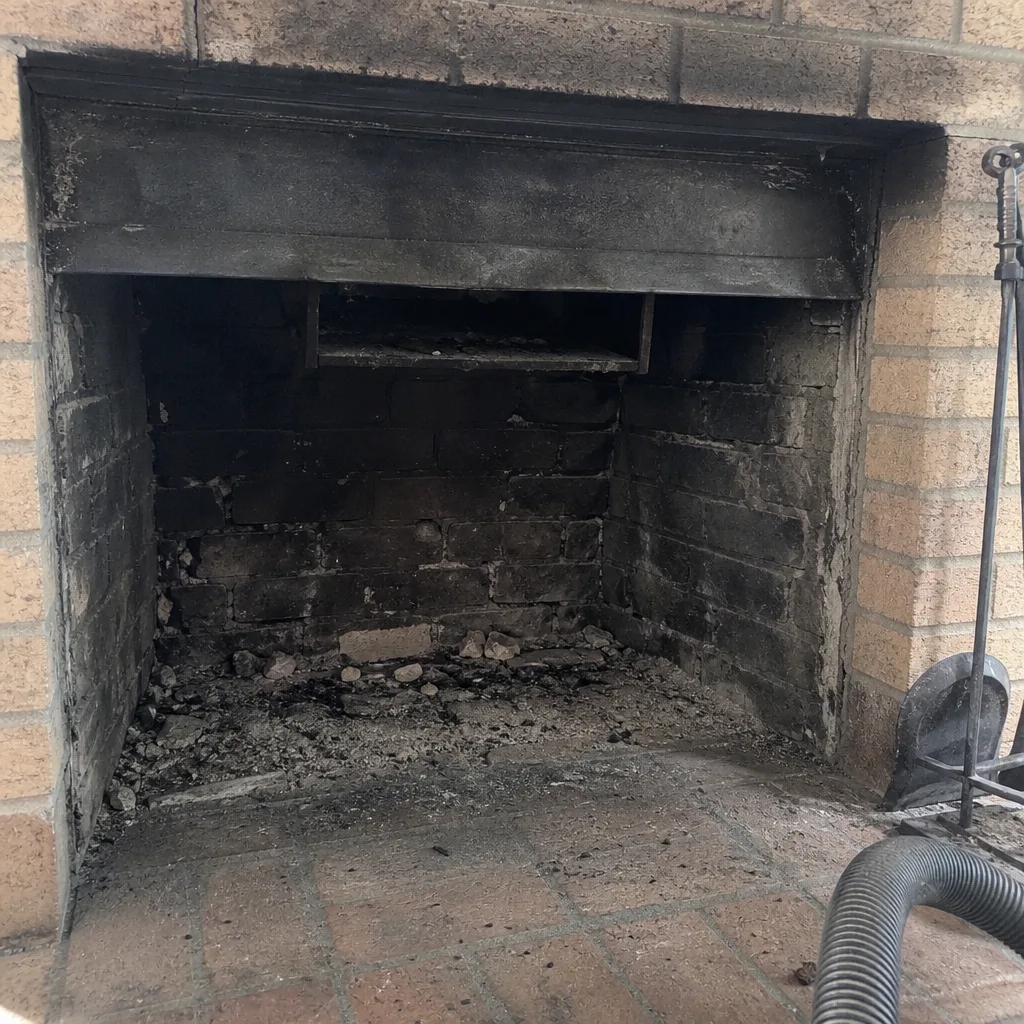
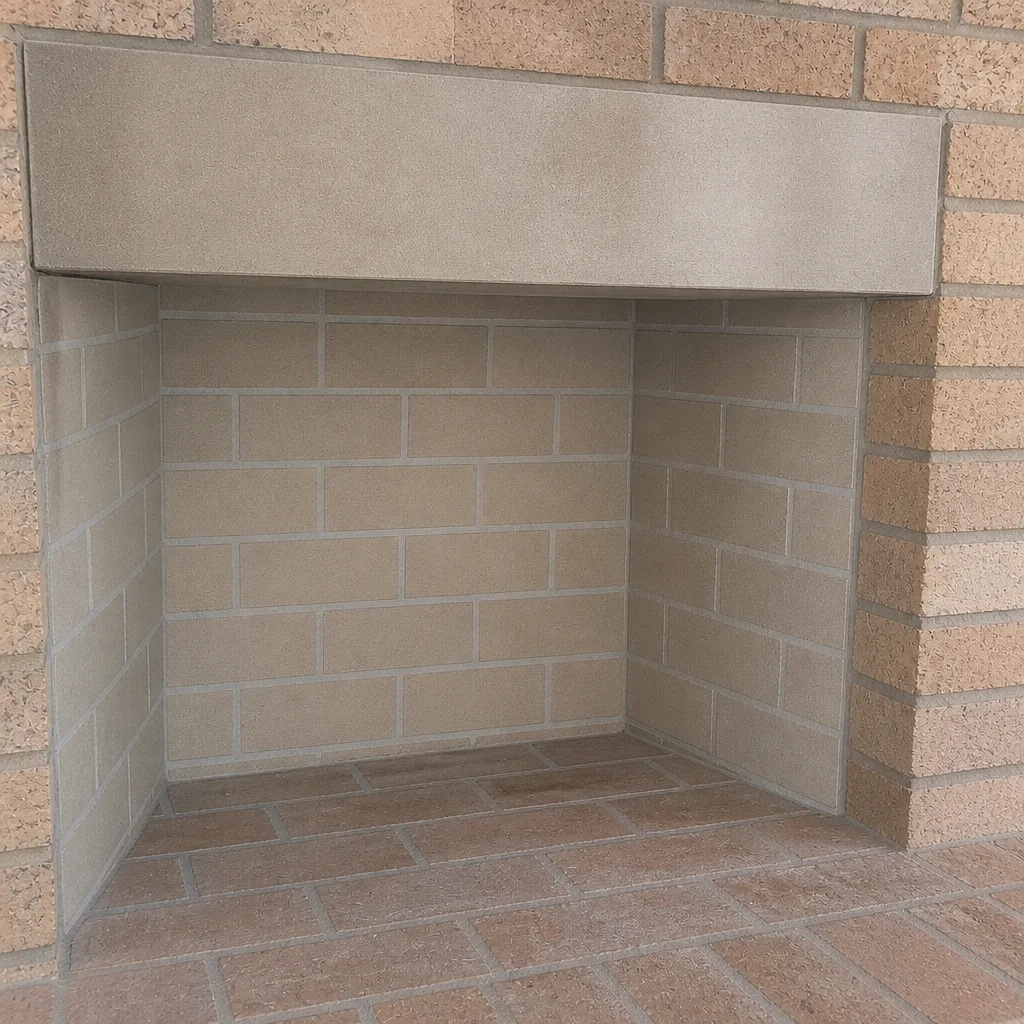
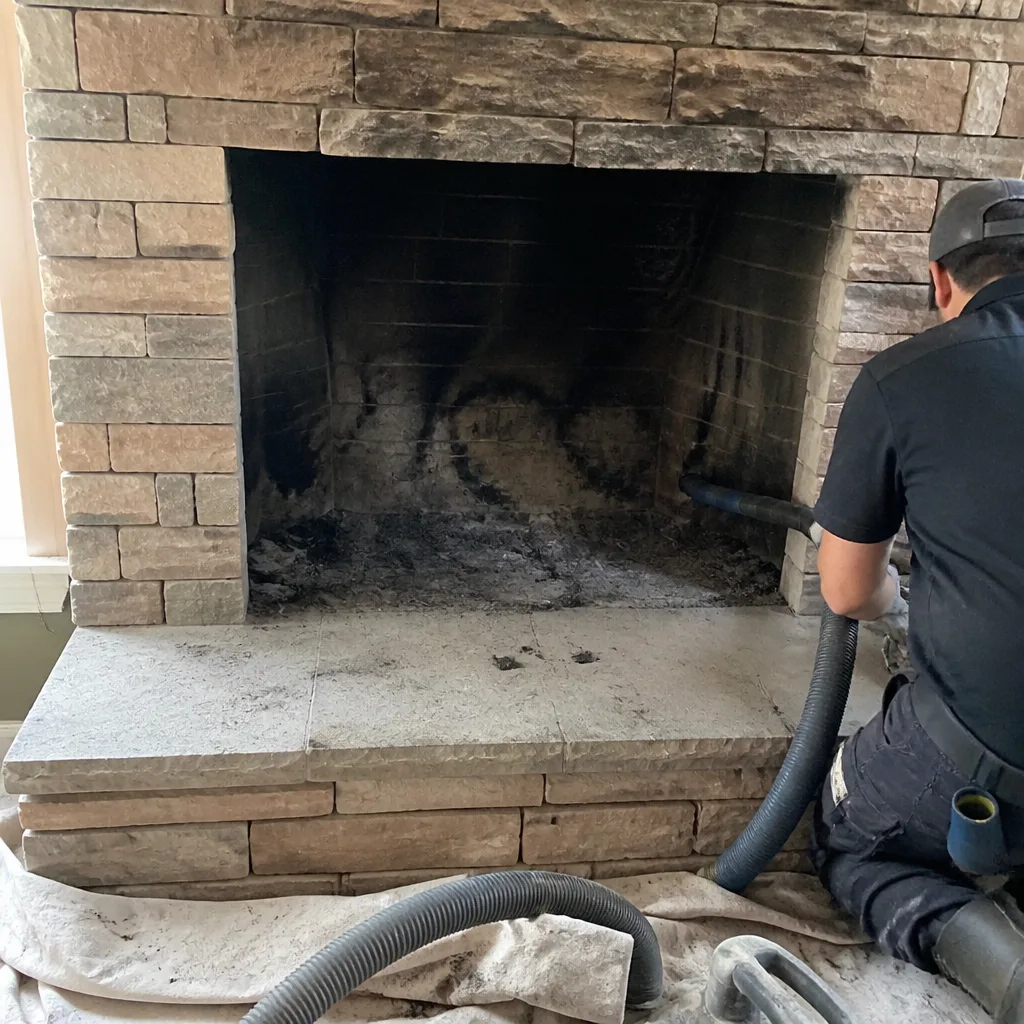
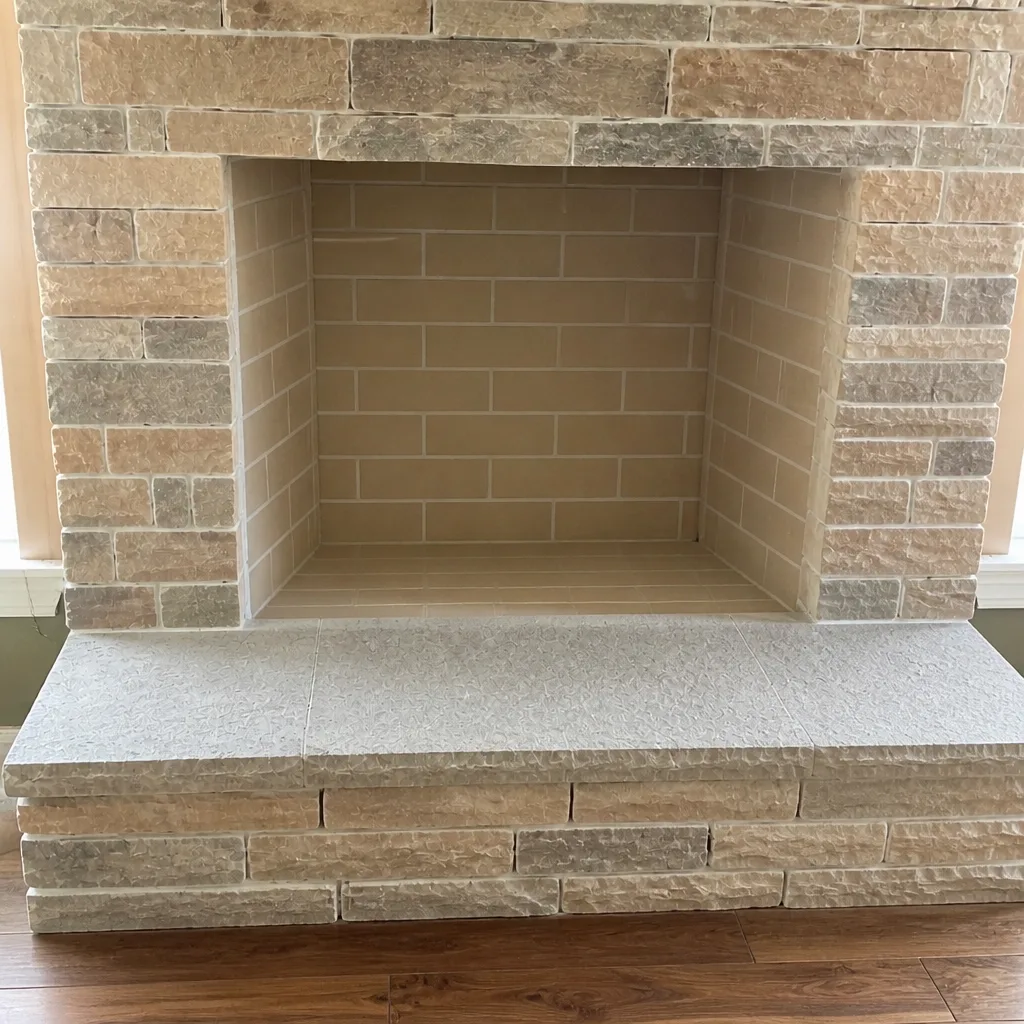
See the difference
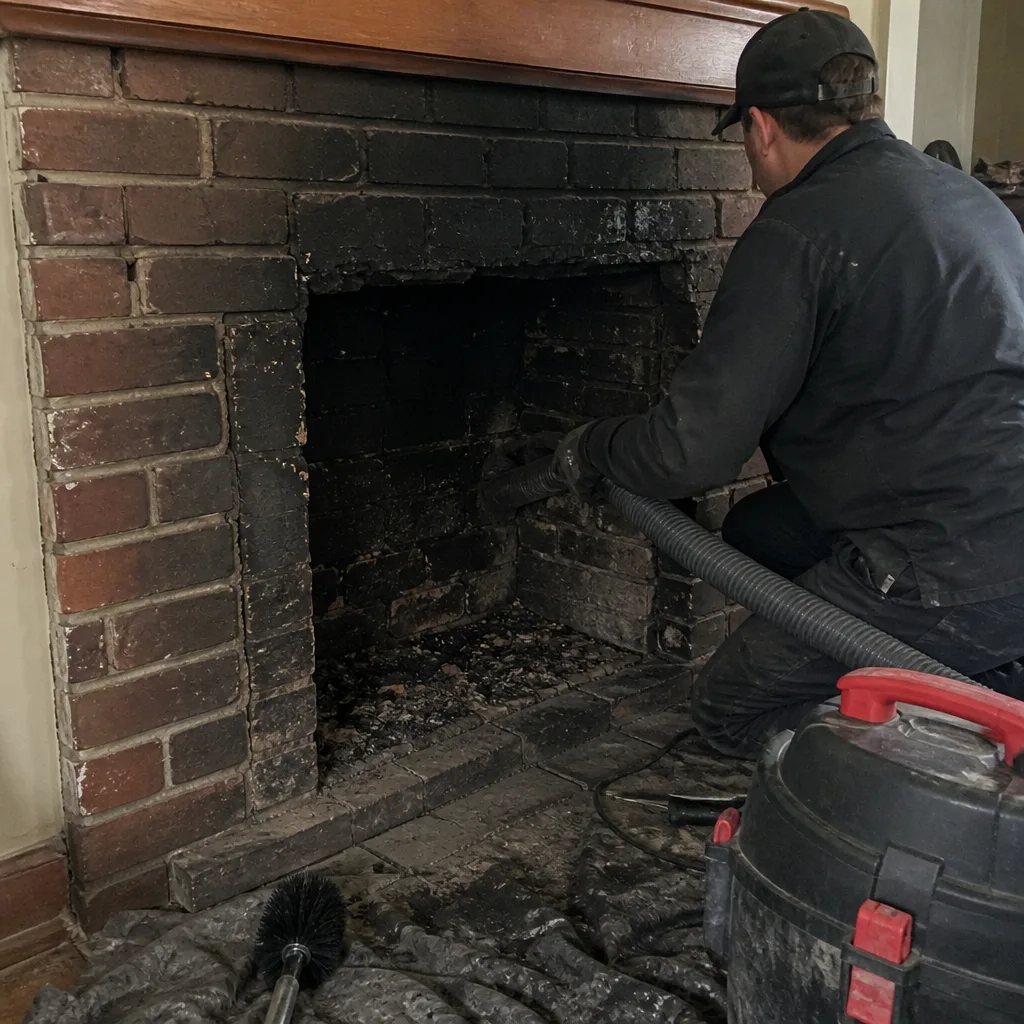 Before
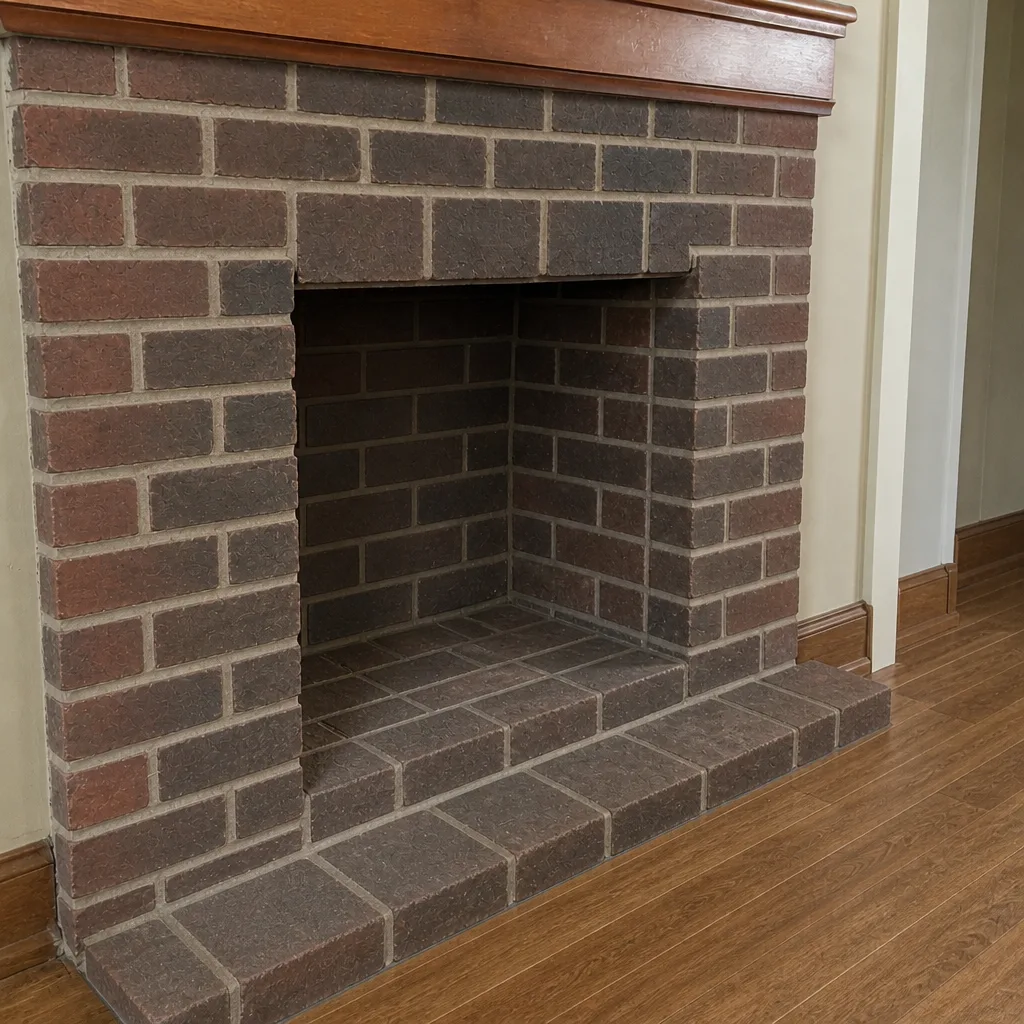 After
 Before
 After
 Before
 After
When to Call a Professional
Call a chimney professional when you’re seeing smoke inside the house on more than one occasion, when you smell hot tar or asphalt while the fire is burning, when brown stains appear in the firebox, when the damper handle moves but draft stalls, or when you can’t remember the last time the chimney was swept. Any of these means the flue needs a camera inspection, and some of them mean it needs attention before the fire is used again. Chimney Sweep Centennial offers free estimates in Centennial – call (833) 842-2139. We answer 24/7. Fast dispatch from 7am to 7pm, Sunday through Friday. Whether it’s a sweep, a diagnostic inspection, or a full repair, the same company inspects and repairs, so the diagnosis never gets passed to a stranger. You can also read about our full scope of chimney work at Chimney Sweep Centennial.
Frequently Asked Questions
Smoke comes inside because the flue is losing to one of three forces: house pressure, obstructed flue, or a cold flue that hasn’t warmed enough to draft. The pattern of when it happens tells you which. Spills on cold starts point to a cold flue. Spills every time point to obstruction. Spills when exhaust fans run point to pressure. Call (833) 842-2139 for a diagnostic inspection – estimates are free.
Opening a window temporarily relieves negative pressure, but it doesn’t fix an obstructed flue or a cold flue. It’s a diagnostic clue, not a repair. If a window opens and the smoke stops, you’ve confirmed a pressure problem, which is useful information when you call. A camera inspection confirms whether obstruction is also a factor.
Shine a light up the throat while someone moves the handle through its full travel. If the plate doesn’t swing clear, or if you see shiny black coating on the throat surfaces, the damper is restricting flow even in the open position. Warped, sagging, or glazed throat plates can cut draw significantly and need replacement with the correct size part. Call (833) 842-2139 to book an inspection.
Creosote has three stages: soft sooty flake (stage 1), hard crumbly deposit (stage 2), and shiny glazed tar (stage 3). Each stage brushes differently. Stage 1 sweeps off, stage 2 needs a rotary head, and stage 3 needs chemical treatment before it will come off at all. The stage also tells you how the fire has been burning, which helps narrow the cause. Call (833) 842-2139 for a sweep and inspection.
Yes. Firebox stains are a masonry moisture signal. Water enters through the crown, cap, or flashing up top, travels through the masonry, and evaporates inside the firebox, leaving mineral stains. If it’s ignored through another freeze-thaw cycle, the damage can escalate from a crown or cap repair to a rebuild. Call (833) 842-2139 for an inspection – estimates are free.
Yes. At high altitude, thinner air means each cubic foot holds less oxygen, so a fire needs more combustion air volume for the same heat. Combined with the tight construction common in Centennial homes, that makes draft-sensitive fireplaces more prone to smoke issues than the same fireplace at lower elevation. An inspection confirms whether the flue itself is sized correctly for the firebox.
The Bottom Line
Most chimney problems are diagnosable, and the symptoms map cleanly to causes. Smoke on cold starts is a cold flue. Smoke every time is obstruction. Smoke when fans run is pressure. Brown firebox stains are water in the masonry, not a cosmetic mark. Glazed creosote, warped dampers, and spalling brick all have specific, correct fixes, and none of them are worth guessing at. A camera inspection tells you which problem you have before anyone quotes a repair, and the right materials – HeatShield, DuraFlex, Olympia Chimney, Famco, or Copperfield – matter as much as the diagnosis. For chimney service in Centennial, call (833) 842-2139. We answer 24/7. Fast dispatch from 7am to 7pm, Sunday through Friday. Estimates are free, and the written estimate sets the final price.
Written by the team at Chimney Sweep Centennial.